
Selecting the right wood material for a buffet cabinet in the Philippines requires balancing aesthetic appeal with structural resilience against persistent tropical humidity. The ideal choice is a dense, kiln-dried hardwood rich in natural oils—such as acacia, mahogany, or teak—or a high-grade, moisture-resistant engineered wood like marine plywood. Because wood is a natural, hygroscopic material, it constantly interacts with the surrounding atmosphere, absorbing and releasing moisture. In a tropical climate, this natural process can quickly lead to warping, swelling, and pest infestations if the material is not carefully selected, treated, and sealed.
To ensure your wooden drawer cabinet remains functional and beautiful for decades, you must understand how local environmental factors interact with different timber types. Making an informed decision involves evaluating wood species, understanding the importance of proper seasoning, and knowing what structural details to inspect before making a purchase.
Understanding Climate Challenges for Wood Furniture
Relative humidity in the Philippines often hovers above 80 percent, particularly during the rainy season. This high concentration of moisture in the air presents a continuous challenge for wooden furniture. Wood fibers naturally expand as they absorb airborne moisture and contract when the weather dries out or when indoor air conditioning is turned on. This constant cycle of expansion and contraction puts immense stress on the furniture’s joints, glue lines, and fasteners, eventually leading to warping, bowing, or complete joint failure.
Products mentioned in this guide
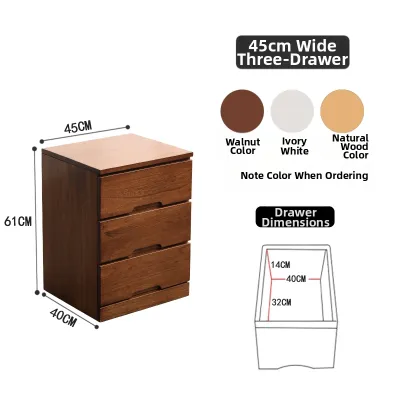
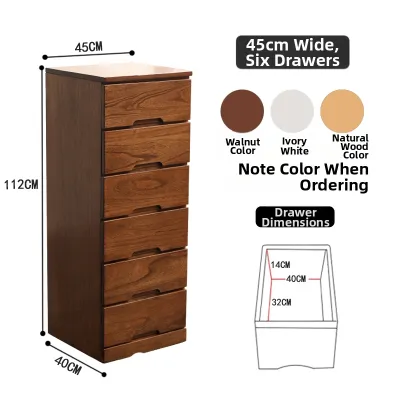
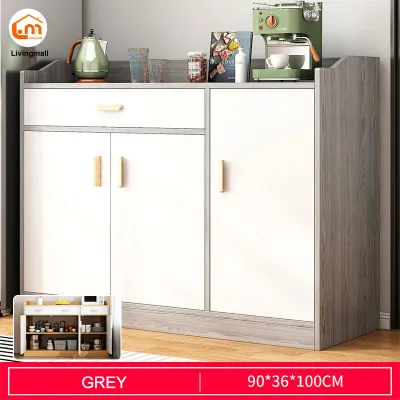
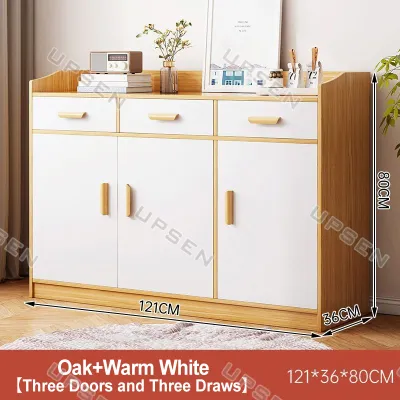
Prices are valid at publication and may change. Please refer to the product page for the latest price.
In addition to moisture, tropical environments are highly conducive to wood-destroying pests. Termites (anay) and wood-boring beetles (bukbok) thrive in warm, humid conditions. Untreated or poorly seasoned wood provides an ideal food source and nesting ground for these insects. Once pests establish themselves inside a cabinet, they can hollow out the structural frame from the inside, leaving the exterior veneer looking intact while the furniture is on the verge of collapse.
Furthermore, rapid temperature fluctuations accelerate these risks. Moving a cabinet from a humid warehouse to an air-conditioned dining room causes rapid moisture loss, which can crack the protective finish and split the wood grain. Protecting your investment requires choosing materials and construction methods specifically prepared to withstand these environmental stresses.
Evaluating Wood Options for High Humidity
When selecting a buffet cabinet, the choice of material determines how well the piece will resist environmental wear. Hardwoods, softwoods, and engineered woods all react differently to moisture and temperature changes. Understanding these fundamental differences is the first step in identifying a durable piece of furniture.

Comparing Solid Wood and Engineered Alternatives
Solid hardwoods are highly valued for their natural beauty, strength, and long-term durability. Dense species like acacia, mahogany, and gmelina possess tight grain structures that naturally slow down the rate of moisture absorption. Additionally, solid wood furniture can be sanded down, repaired, and refinished multiple times over its lifespan, allowing you to restore its appearance if the surface becomes damaged. However, solid wood is highly reactive to climate shifts and requires a complete, high-quality sealant on all sides to prevent warping.
Engineered wood options, such as plywood, Medium-Density Fiberboard (MDF), and particleboard, offer excellent dimensional stability because their manufactured structures resist warping. Plywood, especially marine-grade plywood, is constructed with alternating grain layers bonded with waterproof adhesives, making it highly resilient in humid conditions. However, cheaper engineered options like standard MDF or particleboard are highly vulnerable to moisture. If the outer veneer or protective edge banding is compromised, water vapor will penetrate the core, causing the compressed wood fibers to swell, crumble, and permanently ruin the cabinet’s structural integrity.
Why Treatment and Kiln-Drying Matter
The manufacturing process of the timber is just as critical as the wood species itself. Kiln-drying is a controlled thermal process that reduces the green wood’s internal moisture content to a stable level, typically between 8 and 12 percent. This pre-shrinks the wood before fabrication, ensuring that the finished wooden drawer cabinet will not warp, shrink, or split excessively when exposed to seasonal humidity changes.
In addition to drying, factory-applied chemical treatments are essential for long-term pest resistance. These treatments infuse the wood fibers with anti-termite and anti-fungal agents, making the material unpalatable to destructive insects. When shopping, always check the manufacturer’s specifications to verify if the timber has undergone proper kiln-drying and pest-preservative treatments rather than relying solely on the species name.
Inspecting a Wooden Drawer Cabinet or Buffet Before Purchase
Before finalizing your purchase, a thorough physical inspection is necessary to verify that the cabinet is built to withstand tropical conditions. Begin by examining the protective finish. A high-quality buffet cabinet must be completely sealed with a durable topcoat, such as polyurethane, lacquer, or varnish. This sealant acts as a vital moisture barrier. Ensure the finish covers every surface, including the underside of the cabinet, the back panel, and the interior drawer boxes. Unsealed wood in these hidden areas will absorb moisture from the air, causing drawers to swell and stick.
Next, evaluate the joint construction. Look for traditional woodworking joints, such as dovetail or mortise-and-tenon connections, which allow for natural wood movement while maintaining structural strength. Avoid cabinets held together solely by thin staples, nails, or cheap glue, as these fasteners quickly pull apart under the physical stress of wood expansion. The cabinet frame should feel stable and rigid when gently shaken.
Inspect the hardware and drawer slides carefully. In humid weather, wood-on-wood drawer slides swell and become difficult to operate. Opt for cabinets equipped with smooth, rust-resistant metal drawer runners that ensure consistent operation. For engineered wood cabinets, inspect the edge banding to ensure it is perfectly flush, smooth, and free of gaps or peeling edges where moisture could seep in. Finally, verify the finished dimensions to ensure the cabinet fits your dining space, doorways, and elevator access, and check if the manufacturer offers a warranty covering structural warping or pest damage.
Long-Term Maintenance and Termite Prevention
Proper placement and routine maintenance are essential to extend the lifespan of your buffet cabinet. Position the cabinet away from direct sunlight, which can dry out and crack the protective finish, and keep it at least a few inches away from exterior walls where moisture can condense. Avoid placing the cabinet near high-moisture zones like kitchen sinks, refrigerators, or bathroom walls.
For routine cleaning, use a dry or slightly damp microfiber cloth to remove dust. Avoid harsh chemical cleaners, abrasive pads, or excessive water, which can degrade the protective sealant over time. Periodically apply a high-quality furniture wax or oil to reinforce the moisture barrier and maintain the wood’s natural luster.
Regularly monitor the cabinet for early signs of pest activity. Look for tiny, pin-sized exit holes in the wood, small piles of fine, sand-like wood dust (frass) inside the drawers, or discarded insect wings near the base. Tap the wood panels gently; a hollow or papery sound indicates internal damage. If you detect any signs of termites, contact a licensed pest control professional immediately rather than relying on temporary DIY surface sprays, which often cause the pests to scatter and cause further damage.
Frequently Asked Questions (FAQ)
Can engineered wood survive in high humidity if properly sealed?
Yes, engineered wood can perform well in high humidity, provided it is high-quality marine plywood or moisture-resistant MDF and remains completely sealed. The critical factor is the integrity of the protective laminate, veneer, and edge banding. If these outer layers are chipped, scratched, or punctured—or if moisture enters through unsealed screw holes—the core material will absorb water and swell permanently. For this reason, engineered wood cabinets are best suited for dry dining areas rather than high-moisture wet kitchens.
How do I know if my wooden cabinet has early termite damage?
Early termite damage can be identified through several subtle warning signs. Look for tiny, pin-sized exit holes in the wood surfaces, small piles of fine, sand-like wood dust (known as frass) near the base or inside drawers, and thin mud tubes constructed along the back panel or legs. You can also perform a tap test by gently knocking on different areas of the cabinet frame. A hollow, papery, or dull sound indicates that termites have consumed the interior wood fibers, leaving only a thin outer veneer. If you observe these signs, seek professional pest control services immediately.

Community discussion
Share your experience or ask a question. Comments are reviewed before publication.