
Using a woven storage basket for packing during a move requires a careful balance of aesthetics and structural durability. While these baskets are highly valued for home organization, using them for a household move in the Philippines requires specific features to ensure they survive stacking, lifting, and tropical humidity. Selecting the right basket involves evaluating material strength, frame reinforcement, and secure closure systems.
By focusing on structural integrity rather than purely decorative appeal, you can transition your woven baskets from stylish home decor to reliable transit containers. This guide outlines how to evaluate different woven materials, identify key design features that protect your belongings, and prepare your baskets to withstand the physical demands of a move.
Quick Guide: What Makes a Woven Basket Move-Ready?
During a move, packed containers are subjected to continuous physical stress. The primary forces acting on your storage containers include stacking pressure inside the moving vehicle, carrying strain on the handles, and environmental exposure such as dust and sudden tropical downpours. A standard decorative basket designed for a stationary shelf will often warp, sag, or unravel under these conditions.
Products mentioned in this guide
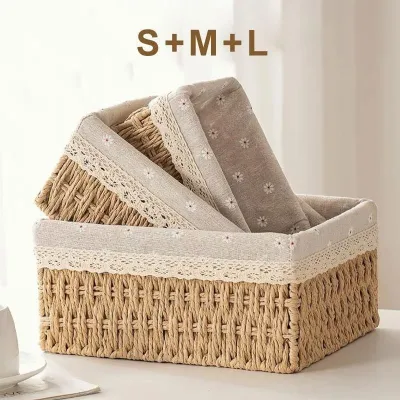
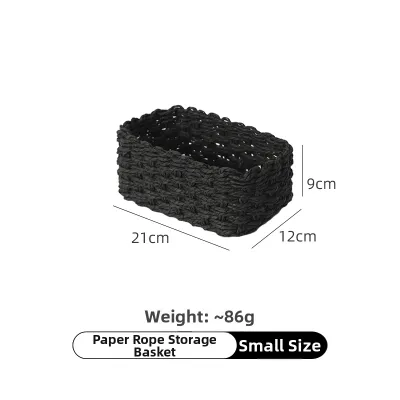
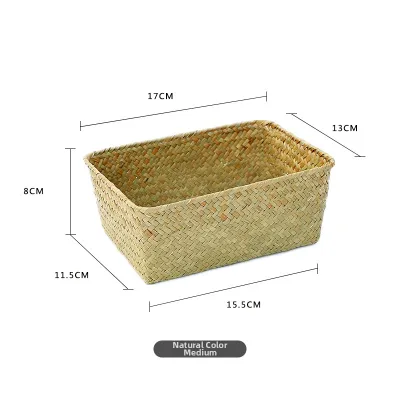
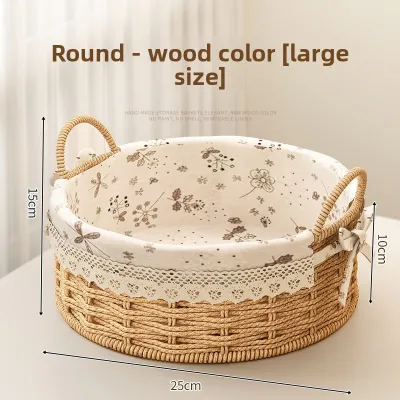
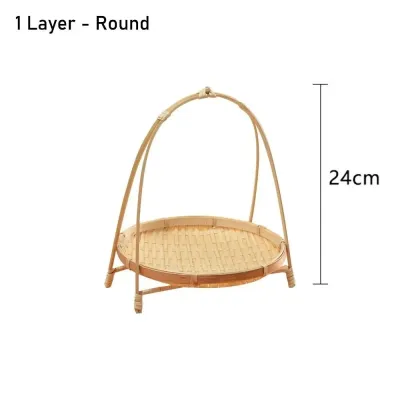
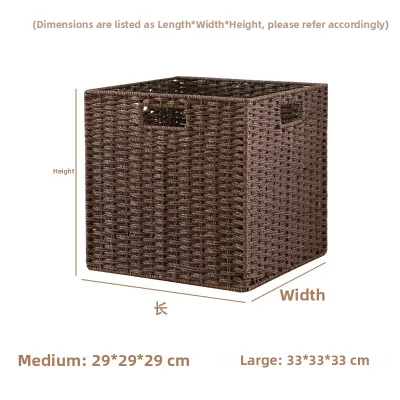
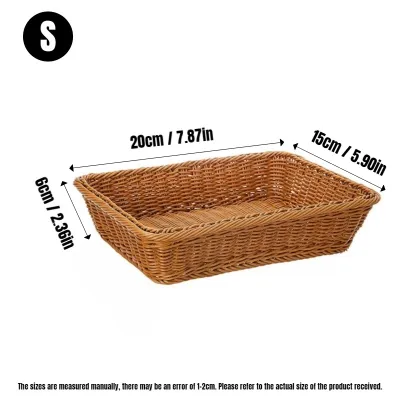
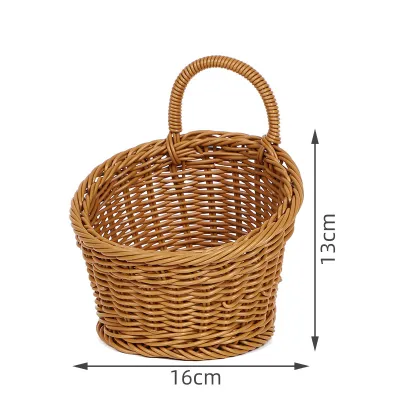
Prices are valid at publication and may change. Please refer to the product page for the latest price.
To be considered move-ready, a woven storage basket must possess specific structural features. First, it requires reinforced handles that can support the weight of the contents without tearing away from the main body. Second, a rigid, flat base is essential to prevent the basket from sagging and tilting when stacked. Finally, secure closures or lids are necessary to keep items contained and protected from external elements.
Material selection plays a decisive role in transit durability. Natural woven fibers offer excellent rigidity and structural memory but are highly sensitive to moisture and humidity. Synthetic woven materials, such as resin wicker, provide superior moisture resistance and are easier to clean, though they may require internal metal frames to match the load-bearing capacity of heavy-duty natural fibers. Understanding these trade-offs is the first step in choosing the right container for your move.
Material Guide: Natural vs. Synthetic Weaves for Transit
Natural fibers are a popular choice for home storage, but their performance during a move depends heavily on the specific type of plant fiber used. Rattan is highly durable and structurally rigid, making it one of the most reliable natural options for carrying heavier household items. Seagrass is highly flexible and tightly woven, which helps prevent small items from slipping through, but it is susceptible to mold if exposed to high humidity during transit or storage. Water hyacinth offers a thick, soft weave that is visually appealing, but it has a lower load-bearing capacity and absorbs moisture easily, requiring extra care during a rainy-day move.

To verify the weight limits of natural fiber baskets, inspect the thickness of the individual weavers and the overall density of the weave. High-quality natural baskets often feature a thick, double-woven pattern that resists flexing when pressure is applied to the sides. If the basket bends easily under light hand pressure, it should be reserved for lightweight items like linens or soft toys rather than heavy books or kitchenware.
Synthetic or resin wicker baskets offer a practical alternative for moving in tropical climates. These baskets are made from high-density polyethylene or plastic composites woven over a frame. They provide excellent moisture resistance, ensuring that your items remain dry even if the moving truck encounters a sudden downpour. Additionally, synthetic weaves are highly flexible and do not become brittle over time, reducing the risk of fibers snapping during rough handling. They are also exceptionally easy to clean if they accumulate road dust or mud during transit.
Many modern woven baskets utilize blended materials or reinforced structures to maximize durability. When shopping for move-ready baskets, look for options that feature a hidden wire frame, typically made of powder-coated iron or steel. This internal skeleton provides the necessary vertical support to prevent the basket from collapsing when other boxes are stacked on top of it, combining the classic look of a woven exterior with the structural strength of metal.
Before purchasing any woven basket for a move, use this practical checklist to inspect its quality:
- Weave Tightness: Press firmly against the woven walls; the fibers should not separate easily or expose large gaps.
- Joint Construction: Inspect the ends of the fibers to ensure they are securely tucked and glued, with no sharp, protruding edges that could snag clothing or scratch adjacent furniture.
- Surface Treatment: Check if natural fibers have been treated with a clear protective lacquer or sealant, which helps repel moisture and dust.
- Frame Rigidity: Lift the basket and gently squeeze the rim; a high-quality basket should maintain its shape without significant warping.
Design Features That Protect Your Items During a Move
The construction of a basket’s handles is a critical safety factor during a move. Integrated woven handles, which are cut directly into the basket’s frame, are generally the most reliable because they distribute the lifting force across the entire structure. If the basket uses attached hardware, such as leather straps, rope handles, or metal rings, inspect the fastening points carefully. Ensure these handles are secured with heavy-duty rivets or deep stitching rather than simple adhesive or thin staples, which can easily fail under a full load.
The shape and base of the basket directly impact how efficiently you can pack the moving truck. Flat, reinforced bases are non-negotiable for stable stacking. If a basket has a rounded or sagging bottom, it will wobble when placed on a flat surface, creating an unstable stack that can easily topple during transit. Furthermore, square or rectangular baskets are highly recommended for moves because they fit tightly against one another, maximizing space and preventing shifting inside the vehicle.
Lids and closures are essential for protecting your belongings from dust, dirt, and moisture during the journey. A secure lid prevents items from shifting or falling out if the basket is tilted during carrying. Look for baskets with fitted lids that feature secure closure mechanisms, such as elastic loops, wooden toggles, or integrated straps. If a basket does not have a built-in lid, you will need to take extra steps to secure the top opening before loading it into the truck.
Interior lining is another feature that can prevent damage to both your items and the basket itself. Removable fabric liners, often made of cotton or canvas, create a smooth barrier that prevents delicate fabrics, books, or decorative items from snagging on the rough interior fibers of a natural weave. For added protection, especially in humid conditions, look for baskets with water-resistant or wipeable synthetic liners that shield your belongings from external moisture and dust.
Packing and Protecting Woven Baskets for Transit
Proper weight distribution is essential to prevent woven baskets from warping or breaking during a move. Always place heavier items at the bottom of the basket to establish a low center of gravity, and place lighter, more fragile items on top. Avoid overloading woven baskets; as a general rule, reserve them for medium-weight household goods such as clothing, bedding, plastic toys, or packaged pantry items. Heavy items like books, tools, or canned goods should be packed in heavy-duty cardboard boxes instead.
To protect the delicate exterior of your woven baskets, wrap them securely before loading. Use stretch wrap or moving blankets to cover the outer walls, paying special attention to protruding corners and handles. This wrapping prevents the woven fibers from rubbing against other boxes, which can cause snapping, fraying, or unraveling. Inside the basket, use packing paper or bubble wrap to cushion items and prevent them from pressing directly against the woven walls.
Moisture and pest prevention are critical considerations when moving in the Philippines. Ensure that all natural fiber baskets are completely dry before you begin packing them. To combat high humidity during transit or temporary storage, place several silica gel packets inside each basket to absorb residual moisture. If you are storing the baskets in a garage or warehouse during the transition, wrap them in breathable plastic covers to protect them from insects and dust without trapping moisture inside.
When loading the moving vehicle, follow strict stacking rules to protect your baskets from structural damage. Always place heavier, wire-framed baskets or solid wooden crates at the bottom of a stack, and place lighter, frameless woven baskets on top. Never stack heavy cardboard boxes on top of a woven basket unless the basket is specifically rated for high load capacities and features a reinforced metal frame. To prevent friction damage between stacked baskets, interleave sheets of cardboard or moving blankets between them.
Where to Buy and How to Verify Quality Upon Delivery
When sourcing woven storage baskets for a move, you have several retail options. Local physical furniture stores and specialized home goods shops allow you to inspect the baskets in person, making it easy to verify the rigidity of the frame and the quality of the weave before purchasing. General online marketplaces and ecommerce platforms offer a wider variety of sizes and styles, often at competitive prices, but require you to rely on product descriptions and customer reviews to assess quality.
If you choose to buy online, take steps to verify the product details before placing your order. Confirm the exact exterior and interior dimensions with the seller to ensure the baskets will fit your vehicle or storage shelves. Inquire about the maximum weight capacity and ask whether the basket features an internal metal frame or a reinforced base. Reading customer reviews can also provide valuable insights into how well the baskets hold up under real-world use.
Upon delivery, perform a thorough inspection of each basket before packing your items. Check the corners, base, and handles for any signs of broken, loose, or unraveling fibers. Inspect the material closely for any signs of mold, mildew, or dampness, which can occur during transit or storage in humid warehouses. Finally, test the handles by gently lifting the empty basket to ensure they are securely attached and do not flex excessively under light tension.
Before finalizing your purchase, review the seller’s return and warranty policies. Ensure that the seller offers a clear return policy for items that arrive damaged or exhibit manufacturing defects. Keep the original packaging and delivery receipts until you have fully inspected and approved the structural integrity of each basket, as this will simplify the return process if any issues are discovered.
Frequently Asked Questions (FAQ)
Can I use decorative woven baskets without lids for moving?
Yes, you can use open-top decorative woven baskets for moving, but you must take extra precautions to protect your belongings. Open baskets expose your items to dust, road grime, and moisture, and there is a high risk of items falling out during sudden stops. To secure an open basket, pack your items tightly, cover the top with a layer of bubble wrap or packing paper, and then wrap the entire basket securely with several layers of plastic stretch wrap. This creates a temporary, water-resistant seal that keeps your items contained and protected throughout the journey.
How do I clean a woven basket if it gets dirty during the move?
If your woven basket accumulates dust or dirt during a move, start with dry cleaning methods to protect the fibers. Use a vacuum cleaner with a soft brush attachment to gently remove dust from the crevices of the weave, or use a clean, dry, soft-bristled brush. For stubborn dirt or mud, wipe the affected area gently with a microfiber cloth that has been slightly dampened with water and a mild, pH-neutral soap. Avoid soaking natural fibers, as excess water can weaken the material and lead to mold growth. Always allow the basket to dry completely in a well-ventilated area, away from direct, harsh sunlight which can cause the fibers to warp or become brittle.

Community discussion
Share your experience or ask a question. Comments are reviewed before publication.