
Sleeping comfortably in a tropical climate requires careful consideration of how your bed manages heat and moisture. In the Philippines, where high ambient temperatures and elevated humidity persist throughout the year, selecting a mattress double size that actively dissipates heat is crucial for preventing restless, sweaty nights. While individual comfort preferences vary, the physical structure of your mattress determines how well it sheds the warmth generated by your body.
When comparing the three primary mattress materials—latex, spring, and memory foam—spring mattresses generally provide efficient cooling due to the open space between their coils, which allows air to circulate freely. Natural latex follows closely, utilizing its inherent open-cell structure and manufactured ventilation channels to move heat away from the body. Traditional memory foam typically retains the most heat because of its dense, closed-cell composition, though specialized manufacturing techniques and infusions aim to address this limitation. Making an informed decision requires examining the specific construction, density, and cover materials of each option.
How Tropical Heat and Humidity Impact Mattress Performance
The climate in the Philippines presents unique challenges for sleep systems, as high ambient temperatures directly influence how a mattress feels and performs. When the surrounding air is warm, the temperature gradient between your body and the mattress surface decreases, making it harder for heat to radiate away from your skin. If a mattress material lacks the ability to dissipate this energy, the surface quickly matches your body temperature, creating an uncomfortable hot zone directly beneath you.
Products mentioned in this guide

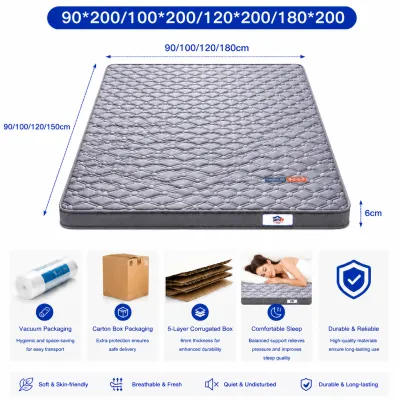
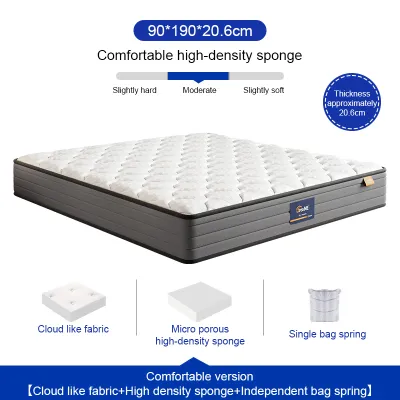
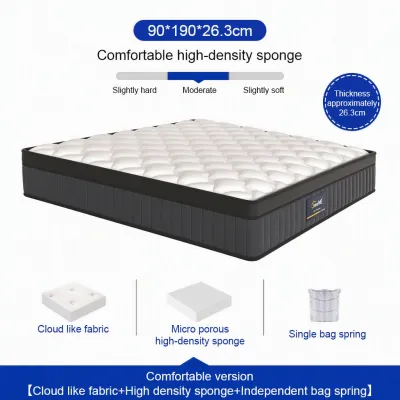
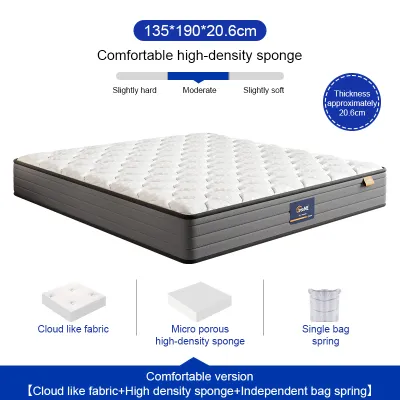
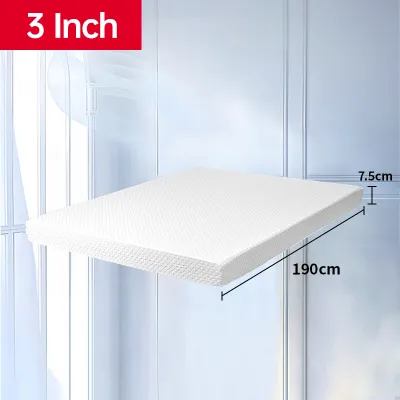
Prices are valid at publication and may change. Please refer to the product page for the latest price.
Humidity compounds this issue by limiting the evaporation of sweat, which is the body’s natural cooling mechanism. When moisture cannot evaporate into the air, it accumulates on your skin and sinks into the bedding, leading to a clammy, humid microclimate in your bed. A mattress with poor breathability traps this moisture within its layers, which not only degrades comfort but also accelerates the breakdown of the internal cushioning materials over time.
For those sharing a mattress double size, managing this heat and moisture becomes twice as difficult. Two sleepers generate double the thermal energy and perspiration, concentrated in a shared space. Without adequate edge-to-edge airflow, the center of the bed becomes a heat trap, forcing both individuals to move toward the edges to find relief. Ensuring consistent ventilation across the entire surface is essential for maintaining a stable, comfortable sleeping temperature for both partners.
Evaluating Temperature Regulation Across Mattress Types
To find a mattress that truly stays cool, you must look past generic marketing labels and evaluate the physical design of the product. Manufacturers often use broad terms like cooling or breathable without explaining the underlying mechanics. By understanding the structural differences and manufacturing processes of spring, latex, and memory foam, you can verify whether a specific model is built to handle tropical conditions.

Spring Mattresses: Checking Coil Structures and Airflow
Spring mattresses are inherently advantaged in warm climates because their core consists largely of open space. Traditional open-coil systems, such as Bonnell springs, feature interconnected steel wires that create a vast internal chamber where air can move without obstruction. Pocketed spring systems, which encase each coil in an individual fabric sleeve, also offer excellent ventilation, though the fabric pockets do slightly reduce the unrestricted movement of air compared to open coils.
When evaluating a spring or hybrid mattress, you must pay close attention to the thickness and composition of the top comfort layers. A highly breathable coil base will do little to cool you if it is topped with a thick, dense layer of traditional foam that traps heat right at the surface. Look for models that use thin, aerated comfort layers or natural fibers directly beneath the cover to ensure your body heat can actually reach the ventilated coil core.
The design of the edge support also impacts how well a spring mattress breathes. Some manufacturers surround the coil core with a thick, solid foam border to prevent the edges from sagging when you sit down. While this improves stability, a solid foam perimeter can act as a barrier that blocks lateral airflow out of the sides of the bed. Opting for models that use reinforced steel coils around the perimeter instead of solid foam helps maintain maximum side-to-side ventilation.
Latex Mattresses: Assessing Density and Pinhole Designs
Latex is a highly resilient material that offers natural temperature-regulating properties, but its cooling performance depends heavily on how it is manufactured. Latex mattresses are produced using either the Dunlop or the Talalay process. Dunlop latex is denser and settled, making it highly durable but slightly less breathable at the bottom of the layer. Talalay latex undergoes a vacuum and flash-freezing process during manufacturing, resulting in a highly uniform, open-cell structure that allows air to flow more freely through the material.
To enhance this natural breathability, manufacturers mold latex cores with a grid of vertical pinholes. These aerated channels run from the top to the bottom of the latex layer, creating direct pathways for warm air to escape when you move. When shopping for a mattress double size, check the spacing and size of these pinholes; a well-designed ventilation grid is essential for preventing heat from pooling under your pressure points.
You should also verify the density and Indentation Load Deflection (ILD) rating of the latex. Higher-density latex provides firmer support and excellent durability, but the tightly packed material can retain more heat than lower-density, softer formulations. If you prefer a firmer mattress, ensure it features prominent pinhole ventilation to offset the heat-retaining tendencies of the denser latex core.
Memory Foam: Identifying Cooling Technologies and Gel Infusions
Traditional memory foam is notorious for trapping heat because its closed-cell structure acts as an insulator, contouring closely to your body and sealing off airflow. To counter this, modern manufacturers produce open-cell memory foam, which features broken cell walls that allow air to pass through the material under pressure. When considering a memory foam mattress, verifying that it uses an open-cell formulation is the first step in ensuring it will not overheat in a tropical environment.
Many brands also incorporate additives like gel, copper, or graphite into the foam to improve thermal conductivity. Gel-infused memory foam is designed to absorb initial body heat and distribute it away from the surface, providing a cooler feel when you first lie down. However, these infusions have a limited thermal capacity; once the gel reaches temperature equilibrium with your body, its cooling effect diminishes unless the foam structure itself allows that heat to escape.
The thickness of the memory foam layer is often the most critical factor in heat retention, regardless of any cooling infusions. A thick comfort layer allows your body to sink deeply into the mattress, wrapping you in insulating foam and reducing the surface area exposed to the air. Choosing a mattress with a thinner memory foam layer—ideally paired with a supportive, breathable transition layer—helps keep you positioned on top of the mattress rather than sinking into a heat-trapping pocket.
Essential Specifications for a Cooling Double Mattress
Beyond the core materials, several key specifications determine how well a double mattress manages temperature and humidity. The cover fabric is your first point of contact and plays a major role in initial heat dissipation. Look for covers made from natural, moisture-wicking fibers such as bamboo-derived rayon, organic cotton, or specialized phase-change materials that actively absorb and release heat to maintain a neutral surface temperature.
The foundation supporting your mattress also directly affects its breathability. Placing a double mattress on a solid wooden platform or a concrete base blocks the downward escape of heat and moisture, forcing it to accumulate within the lower layers of the bed. Using a slatted bed frame with gaps between the slats allows air to circulate underneath the mattress, promoting continuous ventilation and helping to dry out any moisture that seeps through the top.
Reviewing the manufacturer’s warranty and trial period terms with a focus on tropical wear is also highly recommended. High humidity can accelerate the softening and sagging of polyurethane foams, which in turn increases body sinkage and heat retention over time. Ensure the warranty covers premature sagging and check if the trial period allows you enough time to test the mattress’s temperature regulation during the hottest months of the year.
Maintaining Mattress Breathability in High Humidity
Maintaining a cool sleeping surface in a humid climate requires regular care to prevent moisture buildup from degrading your mattress’s materials. Every morning, resist the urge to make your bed immediately; instead, pull back the sheets for at least an hour to allow the moisture accumulated during the night to evaporate into the room. Rotating your mattress double size 180 degrees every three to six months ensures even wear and helps distribute the physical compression that can restrict airflow in high-use areas.
Using a mattress protector is essential for shielding your bed from sweat and humidity, but you must choose one that does not compromise breathability. Standard plastic or vinyl protectors trap heat and create a noisy, sweaty sleeping surface. Look for protectors that utilize a breathable, polyurethane membrane paired with a natural fabric top, which blocks liquid spills and sweat while still allowing air and water vapor to pass through.
In highly humid regions, keep an eye out for signs of trapped moisture, such as a musty odor, damp spots, or small dark spots indicating mold growth. If you notice persistent dampness or mold, stop using the mattress immediately to protect your respiratory health. For severe moisture issues, consult the manufacturer’s care guidelines or contact a qualified professional mattress cleaning service to safely treat the material without damaging its structural integrity.
Frequently Asked Questions (FAQ)
Does a mattress topper improve cooling on an existing double bed?
A mattress topper can alter the surface temperature of your bed, but its effectiveness depends entirely on its material and thickness. Adding a thick, traditional memory foam topper to an already warm bed will likely trap more heat and worsen the problem. If you want to improve cooling, choose a thin topper made from natural latex with pinhole ventilation, or a specialized open-coil micro-spring topper, and ensure it is wrapped in a highly breathable, moisture-wicking cover.
Is a firm or soft mattress better for staying cool at night?
Generally, a firmer mattress is better for staying cool because it prevents your body from sinking deeply into the comfort layers. When you sleep on top of a firm surface, more of your skin remains exposed to the ambient air, allowing your body’s natural cooling mechanisms to work efficiently. A soft mattress contours closely to your body, increasing the contact area and wrapping you in insulating materials that trap heat and restrict airflow around your limbs.

Community discussion
Share your experience or ask a question. Comments are reviewed before publication.