
Quick Answer: How to Evaluate Foldable Mattress Materials for Heat
Finding a foldable mattress that keeps you cool in a tropical climate requires looking beyond basic material names. While latex, innersprings, and memory foam each have distinct physical properties, no single material guarantees a sweat-free night on its own. True thermal comfort depends on a combination of internal structural airflow, the breathability of the outer cover, and how the mattress manages humidity.
When shopping for a foldable mattress, you must evaluate how the core material balances heat dissipation with the physical demands of folding. A highly breathable material is of little use if the folding joints tear easily or if the mattress requires a thick, heat-trapping protective cover to stay intact. To find the right balance, you need to verify specific product details, such as foam density ratings, open-cell structures, and integrated ventilation channels.
How Tropical Heat and Humidity Affect Foldable Mattress Performance
In the Philippines, high ambient temperatures and heavy humidity create a challenging environment for sleep gear. When you lie down, your body naturally radiates heat and releases moisture. In a humid room, dense mattress materials act like a sponge for both warmth and sweat, trapping them close to your skin and making the mattress feel increasingly hot as the night goes on.
Products mentioned in this guide
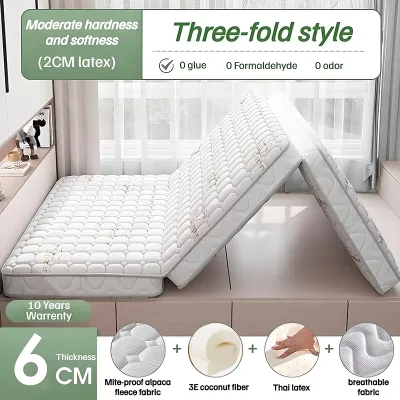
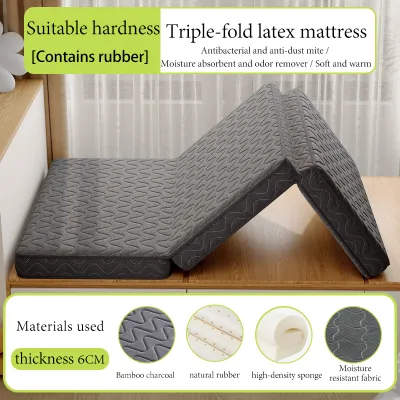
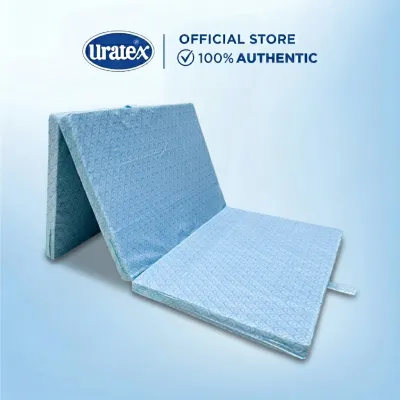

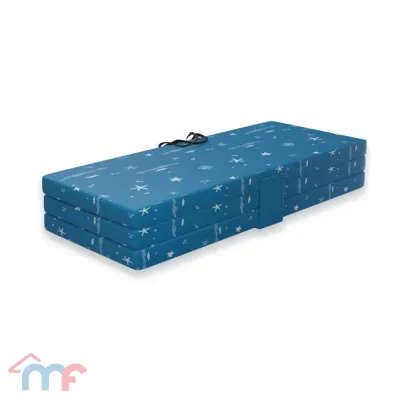
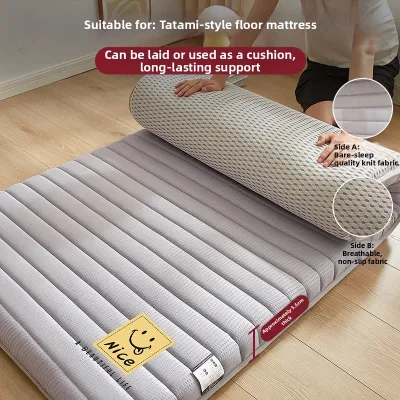
Prices are valid at publication and may change. Please refer to the product page for the latest price.

Foldable mattresses face an additional challenge because they are frequently placed directly on the floor or stored in tight spaces. When a mattress sits on a non-breathable surface like ceramic tile or polished concrete, air cannot circulate underneath. This lack of ventilation traps moisture at the bottom of the mattress, which not only increases the perceived heat but also creates a breeding ground for mold, mildew, and musty odors.
To maintain comfort and durability in these tropical conditions, a mattress must excel in three areas: continuous airflow, moisture-wicking capability, and material resilience. High heat can cause low-quality synthetic foams to soften excessively and lose their supportive shape. Choosing a material that resists heat-induced softening ensures your body stays properly aligned and elevated, which naturally improves air circulation around your skin.
Comparing Thermal Properties: Latex, Spring, and Memory Foam
To choose the coolest option, you must compare how different core materials handle heat transfer and air movement. The way a mattress folds—whether it uses fabric hinges, segmented foam blocks, or flexible metal links—directly affects how air flows through its interior.
Furthermore, manufacturing methods greatly influence these thermal properties. A single material category can perform very differently depending on whether it is natural or synthetic, or whether it features an open-cell or closed-cell structure. Understanding these distinctions helps you look past marketing claims and evaluate the actual physical design of each mattress type.
Latex Foldable Mattresses
Latex is highly regarded for its natural temperature-regulating properties, primarily due to its physical structure. During manufacturing, latex is typically molded with a grid of vertical pinholes. These built-in air channels allow warm air to escape downward and outward when you move, creating a passive ventilation system that works well in warm rooms.
However, the cooling performance of a latex foldable mattress depends heavily on its density and overall thickness. Solid, high-density latex blocks are excellent for support, but they can still retain a significant amount of body heat if they lack sufficient aeration. If you choose a very thick latex mattress, the sheer volume of the material can limit how quickly heat dissipates from the center of the bed.
To get the coolest sleep from a latex model, look for specific design features rather than relying on the “latex” label alone. Verify that the mattress features an aerated design with visible pinholes throughout the core. Additionally, check if the mattress uses zoned support—which varies the density across different sections—and ensure it is wrapped in a highly breathable, lightweight cover that does not block the natural airflow of the latex.
Spring and Hybrid Foldable Mattresses
Innerspring and hybrid foldable mattresses offer excellent heat dissipation because of their open internal structure. Unlike solid foam blocks, the core of a spring mattress consists mostly of open space between steel coils. This open design allows air to move freely through the mattress, carrying away body heat and preventing moisture from pooling inside.
Despite their cooling advantages, foldable spring mattresses require careful inspection of their folding mechanisms. To allow for folding, these mattresses often use thinner coils, segmented spring sections, or specialized fabric hinges. These design modifications can sometimes create gaps where dust accumulates, or they may limit the overall support and durability of the mattress over time.
When evaluating a hybrid model—which combines springs with a top foam layer—always check the specifications of the comfort layer. If a spring mattress is topped with a thick layer of traditional, dense memory foam, that top layer can trap heat right next to your body, completely neutralizing the cooling benefits of the open coils below. Look for hybrids that use thin, highly breathable comfort layers or aerated latex tops.
Memory Foam Foldable Mattresses
Traditional memory foam is notorious for retaining heat, especially in hot and humid climates. Because memory foam is highly dense and reacts to body heat to contour to your shape, it tends to wrap closely around your body. This close fit minimizes the surface area of your skin exposed to the air, trapping heat and causing a warm, sinking sensation that can feel suffocating on humid nights.
To address this issue, manufacturers use various modifications to improve the thermal performance of memory foam. Common techniques include infusing the foam with cooling gel, creating an open-cell structure that allows air to pass through the microscopic cells, or adding phase-change materials to the cover. These technologies are designed to absorb and distribute heat more efficiently than standard polyurethane foam.
While these modifications help, you should understand that they generally delay heat buildup rather than eliminating it entirely. Over several hours of sleep, even modified memory foam will eventually warm up to match your body temperature. When choosing a memory foam foldable mattress, it is crucial to verify that the foam has a certified open-cell structure and is paired with a thin, exceptionally breathable cover to help heat escape.
Tangible Features to Verify for Better Airflow and Cooling
When shopping for a foldable mattress, you can identify its cooling potential by checking several physical features. Do not rely solely on product descriptions that promise “cool comfort.” Instead, look for these specific, observable design elements:
- Cover Fabrics: Avoid synthetic polyester blends, which tend to trap moisture and feel slick or hot against the skin. Instead, prioritize covers made from natural, moisture-wicking fibers such as cotton, bamboo-derived rayon, or specialized cooling yarns. A removable, washable cover is also highly beneficial, as it allows you to keep the sleeping surface clean and free of sweat buildup.
- Core Design: Look for foam cores that feature convoluted surfaces (often called egg-crate foam) or vertical air channels. These textured designs create physical air pockets between the foam layers, reducing the direct contact area between your body and the mattress core and allowing heat to escape laterally.
- Base Compatibility: Check whether the mattress is designed to sit directly on the floor or if it requires a raised base. If you plan to use it on the floor, look for models with a non-slip, breathable bottom fabric. For the best airflow, consider pairing the mattress with a low-profile, slatted foldable wooden base that lifts the bed slightly off the ground.
Maintenance and Airflow Management for Humid Philippine Homes
Proper maintenance is essential to keep your foldable mattress cool, dry, and free from mold in a humid climate. Because these mattresses are designed to be portable, you should take advantage of their lightweight structure to perform regular airflow maintenance.
- Routine Airing: Every morning, or at least a few times a week, fold the mattress into an "A-frame" shape or prop it upright against a wall. Open your windows or turn on a fan to let air circulate completely around all sides of the mattress. This simple step allows any moisture trapped from your body heat during the night to evaporate fully before you store or reuse the bed.
- Safe Cleaning: If you need to clean the mattress, avoid soaking the core with water or heavy liquid cleaners. Excess moisture trapped inside dense foam or latex is incredibly difficult to dry out in high humidity, which can quickly lead to mold growth. Instead, spot-clean the cover with a damp cloth and mild soap, and ensure the area is completely dry before folding or sleeping on it.
- Dry Storage: When storing your foldable mattress in a closet or under a bed, avoid wrapping it in airtight plastic covers, which can trap ambient humidity inside. Instead, use a breathable fabric storage bag. Ensure the storage area is dry and well-ventilated, and avoid placing the mattress directly against damp outer walls.
Frequently Asked Questions (FAQ)
Can I use a cooling mattress topper on a foldable mattress?
Yes, you can use a cooling mattress topper, but you must consider how it affects the portability of your bed. A thick topper can add significant bulk, making it difficult to fold the mattress properly or fit it into its designated storage space.
If you decide to use a topper, choose a thin, highly breathable option made from aerated latex or open-cell foam. To prevent damage to both the mattress and the topper, it is usually best to remove the topper and roll or fold it separately before packing away your main foldable mattress.
Does sleeping directly on the floor make a foldable mattress hotter?
Sleeping on the floor can actually make your mattress feel warmer over the course of the night. While tile or concrete floors feel cool to the touch initially, they act as a solid barrier that blocks all airflow from the bottom of the mattress.
As you sleep, your body heat and sweat travel downward through the mattress. Without any air circulation underneath, this heat and moisture become trapped at the base, warming up the entire mattress core. To prevent this, use a breathable floor mat underneath the mattress, or raise it onto a slatted, foldable wooden frame to keep air flowing freely.

Community discussion
Share your experience or ask a question. Comments are reviewed before publication.