
In the hot and humid climate of the Philippines, the coolest mattress material is generally an innerspring or hybrid design, closely followed by natural latex. Traditional memory foam tends to trap the most heat, though modern cooling modifications can mitigate this to some extent. Sleeping comfortably in Metro Manila or provincial coastal areas often means battling high ambient temperatures and relative humidity that frequently exceeds 80%, making your choice of bedding critical for restful sleep.
A mattress that acts as a heat sink can ruin your sleep quality, leading to night sweats and frequent waking. To find a mattress that keeps you cool, you must look beyond marketing buzzwords and examine the core construction, material properties, and breathability of the entire sleep system.
How Tropical Heat and Humidity Impact Mattress Performance
Human sleep cycles depend on a natural drop in core body temperature. When a mattress traps body heat, it prevents this thermal regulation, keeping you in lighter sleep stages and causing restless tossing throughout the night.
Products mentioned in this guide
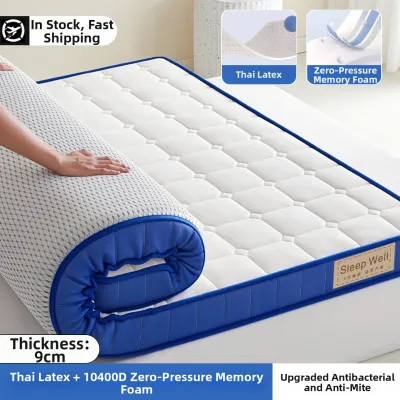
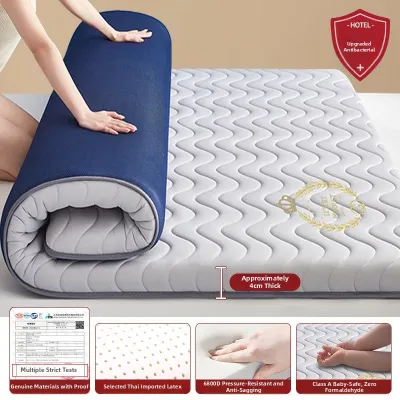
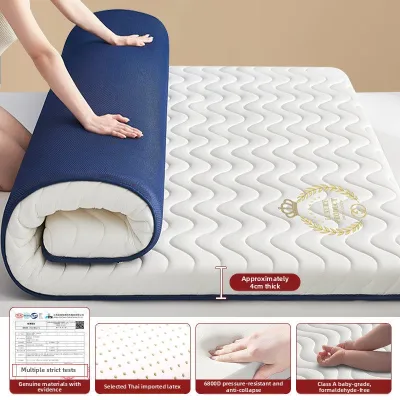
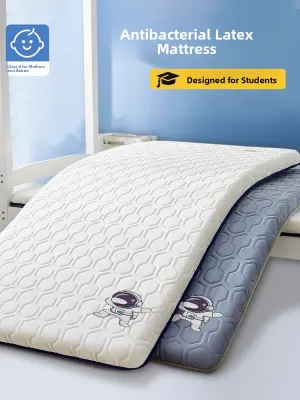
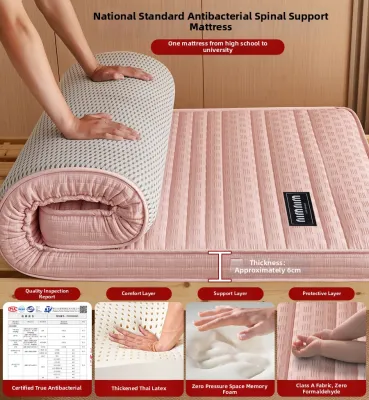
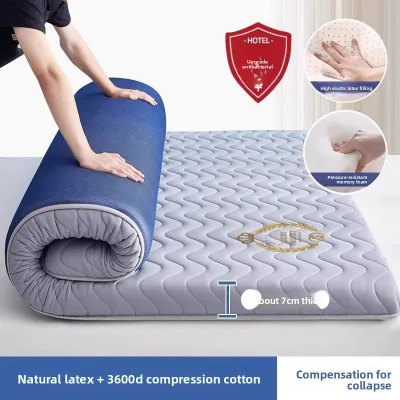
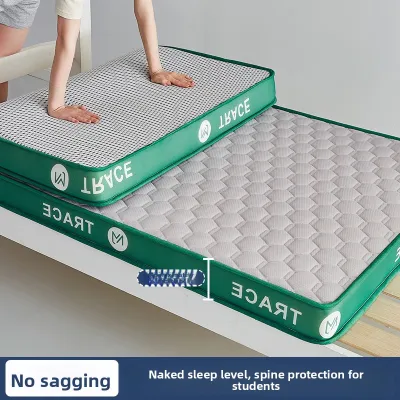
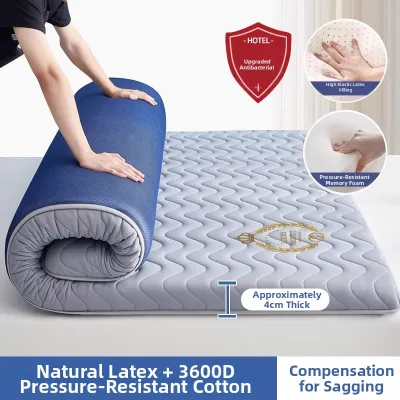
Prices are valid at publication and may change. Please refer to the product page for the latest price.
In the Philippines, high humidity accelerates the absorption of sweat and ambient moisture into the mattress layers. If a mattress lacks adequate ventilation, this trapped moisture creates a breeding ground for mold, mildew, and dust mites, which can trigger allergies and respiratory issues.
Constant moisture exposure also weakens the structural integrity of certain foams, leading to premature sagging and a loss of support. Furthermore, chemical off-gassing odors can become more pronounced in warm, enclosed rooms when high temperatures accelerate the release of volatile organic compounds.
To objectively compare different options, we must evaluate them based on three key performance metrics: airflow promotion (how easily air moves through the core), moisture wicking (how well the surface manages sweat), and structural heat retention (how much heat the material absorbs and holds).
Evaluating Core Mattress Materials for Cooling and Breathability
Different mattress materials handle heat and humidity in distinct ways. Understanding their physical structures helps you make an informed decision based on your specific sleeping environment.

Innerspring and Hybrid Designs: Maximizing Airflow
Innerspring and hybrid mattresses are structurally the most breathable options due to the open space surrounding their steel coils. Instead of a solid block of foam, these designs feature a core that is mostly empty air, allowing heat to dissipate downward and outward rather than reflecting back to your body.
Pocketed coils, where each spring is encased in its own fabric sleeve, offer excellent contouring and motion isolation while maintaining high ventilation. However, you should check the edge support: mattresses that use thick, solid foam borders to reinforce the edges can block peripheral airflow, trapping heat in the center of the bed.
Hybrid mattresses combine a coil base with foam or latex top layers. To ensure the cooling benefits of the coils are not lost, check the thickness and density of these comfort layers. A thick, dense memory foam topper on a hybrid can still create a warm sleeping surface, so look for thinner, aerated comfort layers.
Latex Mattresses: Open-Cell Structures and Moisture Management
Natural latex is highly regarded for tropical climates because of its inherent open-cell structure. Unlike synthetic foams, latex allows air to pass through its molecular matrix, and the manufacturing process typically introduces vertical pinhole cores that further facilitate air circulation.
When shopping, verify the product specifications for molded ventilation channels or aerated designs. Many manufacturers include specialized covers with mesh side panels or channeled latex cores to actively encourage cross-ventilation when you move.
While latex is naturally more resistant to mold, mildew, and dust mites than polyurethane foam, it is not completely immune to extreme tropical humidity. Always check the manufacturer’s care label for recommended humidity thresholds and specific ventilation instructions to prevent moisture accumulation.
Memory Foam: Identifying Effective Cooling Modifications
Traditional, high-density memory foam is notorious for sleeping hot. Its closed-cell structure reacts to body heat to contour to your shape, which essentially hugs the body and seals off airflow, creating a warm microclimate beneath your sheets.
To address this, manufacturers introduce various modifications, such as gel-infusions, copper, or graphite. These additives are designed to conduct heat away from the body. Another modification is open-cell foam conversion, which physically alters the foam structure to be more porous.
It is crucial to recognize that “cooling gel” is often a marketing term with limited real-world impact, as the gel can quickly reach thermal equilibrium with your body temperature. Instead of relying on material names alone, look for verifiable structural changes, such as convoluted (egg-crate style) foam layers that physically allow air passage, or covers treated with phase-change materials.
Translating "Cooling" Claims into Verifiable Specifications
The mattress cover is your direct point of contact and play a major role in temperature regulation. Avoid synthetic polyester blends, which tend to trap sweat and feel slick or hot. Instead, verify that the cover is made from breathable, moisture-wicking fibers such as organic cotton, bamboo-derived rayon, or specialized cooling yarns.
Phase-change materials (PCMs) work by absorbing heat when your body is warm and releasing it when you cool down. If a mattress claims to use PCMs, check whether they are infused deep within the foam or integrated directly into the cover fabric. Keep in mind that cover-integrated PCMs can lose their efficacy over time if subjected to improper washing or wear.
A mattress’s firmness directly affects how hot you sleep. Softer mattresses allow your body to sink deeper into the comfort layers, wrapping the material around your skin and restricting airflow. A medium-firm or firm mattress keeps you positioned on top of the sleeping surface, maximizing the air circulating around your body.
Beyond cooling, consider the physical logistics of your mattress selection. Dense hybrid and latex models can be exceptionally heavy; always verify the finished dimensions and weight to ensure your bed frame can support the load capacity. Additionally, measure your doorways, stairwells, and lift access beforehand, as large, thick mattresses can be difficult to maneuver through tight residential spaces in Philippine condominiums or multi-story homes.
A cooling mattress cannot perform if its base is a solid, unbreathable sheet of wood. Check the manufacturer’s warranty specifications; many require a slatted bed frame with specific gap measurements (typically between 2 to 3 inches) to ensure air can circulate underneath the mattress, which also prevents mold growth.
While basic innerspring mattresses are widely available in budget-friendly price bands starting under ₱10,000, specialized hybrid and natural latex mattresses represent a larger investment, often ranging from ₱25,000 to over ₱60,000 depending on the size and thickness.
Essential Mattress Maintenance for High-Humidity Environments
To protect your investment from sweat and ambient humidity, use a mattress protector. However, ensure it is labeled as both waterproof and highly breathable. Check the product specifications for polyurethane membrane backings rather than cheap PVC, which acts like a plastic sheet and traps heat.
Establish a routine to let your mattress breathe. Every few weeks, strip the bed sheets completely and leave the mattress bare for several hours. Running a ceiling fan, stand fan, or air conditioner during this time helps pull residual moisture out of the comfort layers.
Regularly rotate your mattress 180 degrees every three to six months to ensure even wear and prevent deep body impressions that can trap heat. When cleaning, strictly avoid liquid cleaners, steam, or saturating the foam, as trapped water inside foam or latex can lead to internal mold. Instead, perform dry vacuuming and spot clean only with a damp cloth, allowing it to dry completely in a well-ventilated room. Always defer to the manufacturer’s care guide to keep your warranty intact.
Frequently Asked Questions (FAQ)
Is a firm or soft mattress better for hot sleepers?
A medium-firm to firm mattress is generally better for hot sleepers. Softer mattresses allow your body to sink deeper into the comfort layers, which wraps the material around you and traps body heat. A firmer surface keeps you positioned on top of the mattress, allowing maximum air circulation around your body while still supporting proper spinal alignment.
Do I need a specific type of bed frame for better airflow?
Yes, the bed frame plays a critical role in temperature regulation. Solid platform bases can trap heat and moisture beneath the mattress, potentially leading to mold. A slatted bed frame allows air to flow freely underneath. Always check your mattress manufacturer’s warranty to ensure your slatted frame meets their specific spacing requirements, which typically prevent the mattress from sagging between slats.

Community discussion
Share your experience or ask a question. Comments are reviewed before publication.