
Finding the right bed frame for a baby in a compact condominium requires balancing safety, comfort, and physical space. In a tight nursery layout, a standard crib can quickly overwhelm the room, while an overly small bassinet only serves your child for a few months. The ideal choice is typically a mini crib or a convertible space-saving frame that fits your specific floor plan while leaving enough room for daily caregiving tasks.
Measure Your Condo Nursery Space First
Before browsing online marketplaces or visiting local furniture showrooms, you must establish the exact boundaries of your nursery. Start by measuring the total floor area with a tape measure, noting any structural pillars, columns, or built-in closets that reduce usable space. In many modern condominiums, structural columns can create awkward alcoves that limit where a rectangular bed frame can sit flat against the wall.
Next, map out the swing paths of all doors in the room, including the main entry door, closet doors, and any nearby cabinet drawers. A bed frame placed too close to an entrance can block emergency exits or cause collisions when entering the room in the dark. Ensure that the frame’s footprint leaves these pathways completely unobstructed.
Products mentioned in this guide

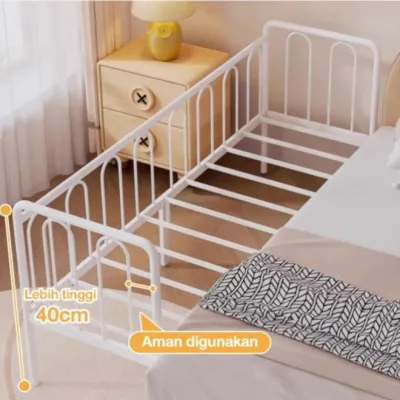


Prices are valid at publication and may change. Please refer to the product page for the latest price.
Do not forget to measure the path from your building’s delivery bay to the nursery. Check the height and width of your condo’s elevator doors, narrow hallways, and the main apartment doorway to ensure the packaged bed frame can actually be delivered and brought inside.
Finally, allocate dedicated clearance for caregiver movement. You will need enough open floor space to comfortably stand, bend at the waist, and lift your baby out of the crib without bumping into walls or other furniture. Neglecting this physical clearance can make late-night feedings and diaper changes incredibly difficult and physically straining.
Compare Baby Bed Frame Types and Footprints
Standard cribs offer excellent longevity as your child grows, but they demand a significant amount of floor space. Before purchasing a standard model, verify its fully assembled dimensions against your room measurements and check if the components can fit through your condo’s doorways, hallways, and elevator lifts during delivery.

For exceptionally tight spaces, a mini crib or a portable bassinet serves as a highly practical alternative. Mini cribs provide a smaller footprint while still offering a secure, dedicated sleeping environment. When evaluating these compact options, always check the manufacturer’s specifications for exact dimensions, weight limits, and age recommendations to ensure they match your baby’s current developmental stage.
Convertible or foldable baby bed frames can also help maximize a multi-use room. If you choose a foldable model, inspect the locking mechanisms and structural joints to ensure they remain rigid when assembled. The frame must not wobble or fold accidentally during use, and the materials should be checked for sturdy assembly conditions rather than relying solely on marketing claims of durability.
Regardless of the frame type you choose, pay close attention to the mattress fit. There should be no significant gaps between the mattress and the inner edges of the bed frame. A loose fit can create a dangerous entrapment hazard for an infant, so always verify that the mattress dimensions perfectly match the frame’s interior specifications.
Plan the Layout for Safety and Daily Use
Positioning the bed frame requires careful attention to environmental hazards common in tropical condo units. Keep the crib far away from windows, curtain cords, blind chains, and air conditioning vents. Drafts from cooling units can disrupt your baby’s sleep, while dangling cords present serious strangulation hazards.
You must also ensure there is sufficient clearance around the bed frame to operate its features safely. If the crib has a drop-side mechanism (where permitted by local safety standards) or built-in under-bed storage drawers, you need enough room to fully extend these parts without hitting nearby walls or rugs.
Additionally, look upward when planning the layout. Never place the baby’s bed frame directly beneath heavy wall-mounted shelves, unsecured picture frames, or within the reach of ceiling fans. In high-humidity environments, wall anchors can loosen over time, making overhead installations a potential safety risk above a sleeping child.
If your condo layout forces you to place the crib near a wall, ensure the frame is properly anchored if it has any tall components or integrated shelving. This prevents accidental tip-overs as your baby begins to pull themselves up to a standing position.
Avoid Common Sizing Mistakes in Compact Rooms
One frequent mistake is overlooking the space required for secondary nursery furniture, such as a changing table, diaper pail, or nursing chair. A bed frame that fits perfectly on paper might leave no room for these essential items, forcing you to perform daily care tasks in cramped, awkward positions.
Another common pitfall is trusting vague marketing terms like “compact,” “space-saving,” or “condo-sized” without verifying the actual numbers. Always measure the maximum outer dimensions of the assembled frame, as decorative trim, curved legs, or protruding corner posts can add several centimeters to the actual footprint.
Lastly, avoid prioritizing complex storage add-ons that compromise the safety or primary function of the bed. Some frames feature bulky built-in shelving or changing attachments that reduce the actual sleeping area or create climbing hazards as your baby grows. Focus on a clean, simple frame design that prioritizes structural stability and fits comfortably within your measured layout.
Frequently Asked Questions (FAQ)
Can I use a regular toddler bed frame instead of a crib in a small space?
Using a regular toddler bed frame is generally not recommended for infants. Toddler beds lack the high, secure protective barriers of a crib, posing a fall risk for babies who cannot yet sit up or stand safely. Always check the manufacturer’s age, weight, and developmental guidelines, and ensure the mattress fits snugly against the frame with no gaps before transitioning your child to a toddler bed.
How much walking space should I leave around the baby bed frame?
You should aim to leave enough walking space around the accessible sides of the bed frame to allow a caregiver to stand, turn, and bend comfortably without obstruction. While local building codes and safety guidelines vary, maintaining a clear pathway of at least 60 to 75 centimeters around the active sides of the crib ensures safe daily workflows and quick emergency access.

Community discussion
Share your experience or ask a question. Comments are reviewed before publication.