
Finding the right book shelf for a compact condominium bedroom in the Philippines requires balancing storage capacity with precious floor space. In typical urban developments where bedroom sizes often range from 9 to 12 square meters, a bulky piece of furniture can quickly make a room feel cramped. The ideal solution is a vertical, shallow book shelf with a depth of 20 to 30 centimeters, which maximizes wall space while keeping walkways clear. By selecting configurations like tall, narrow towers or wall-mounted units, you can store your reading collection without sacrificing comfort or accessibility.
Quick Sizing Rules for Compact Condo Bedrooms
When space is at a premium, every centimeter counts toward maintaining a balanced room layout. A standard book shelf for a small bedroom should prioritize height over depth and width, standing 150 to 180 centimeters tall but measuring only 40 to 60 centimeters wide to utilize vertical space. Keeping the depth under 30 centimeters ensures the unit does not protrude too far into the room’s main pathways. To move comfortably around your bed, closet, and desk, you should maintain a minimum clearance of 60 centimeters, though 70 centimeters is highly recommended for main pathways. Before purchasing, map out how its placement will affect your daily movement, ensuring you do not have to squeeze past the furniture to reach the bed or balcony door.
The visual weight of the furniture also plays a significant role in how spacious your bedroom feels. Solid-backed, dark-colored wooden cabinets tend to absorb light and make a small room feel smaller. In contrast, open-frame metal or light-colored wooden shelving units allow light to pass through, creating an airy, spacious aesthetic. If you prefer closed storage to hide clutter, consider a hybrid unit with a solid lower cabinet and open upper shelves to balance functionality with visual lightness.
Products mentioned in this guide
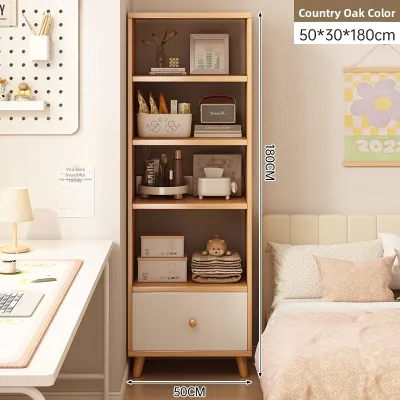
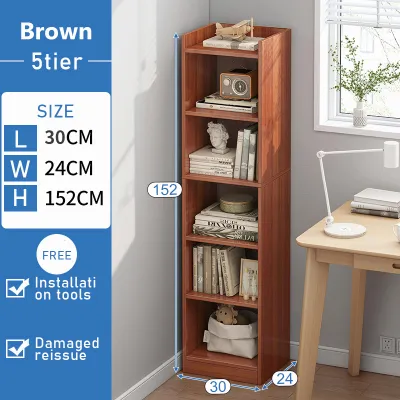
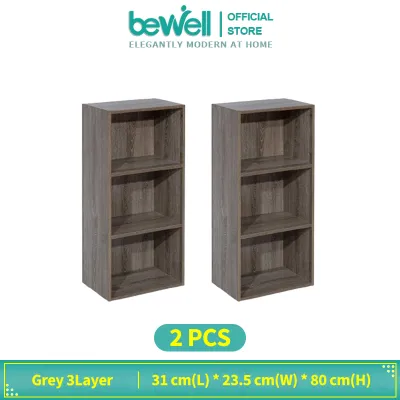

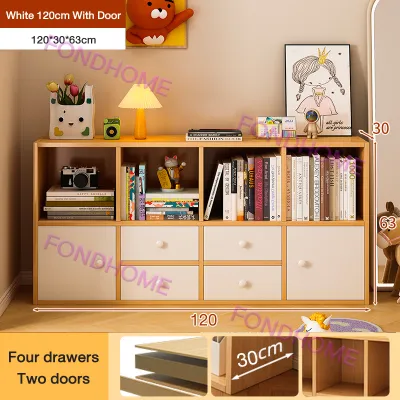
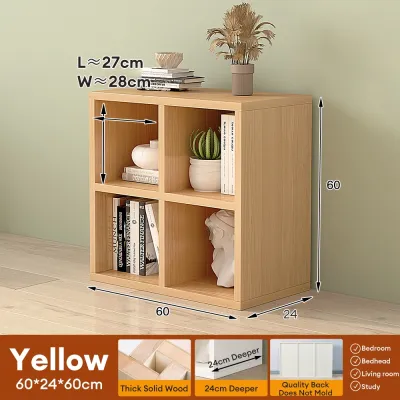
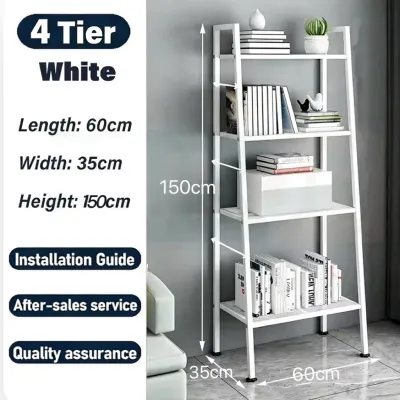
Prices are valid at publication and may change. Please refer to the product page for the latest price.
Step-by-Step Space and Clearance Measurement
Before browsing online marketplaces or visiting local furniture showrooms, you must gather precise measurements of your bedroom. Start by measuring the available floor footprint where you plan to place the book shelf, accounting for baseboards or skirting boards that prevent a flat-backed bookshelf from sitting completely flush against the wall. Next, map out the functional zones and potential obstructions in the room. Open the bedroom door, closet doors, and any cabinet drawers fully to measure their swing arcs, and check the tracks of sliding closet or balcony doors to ensure the bookshelf will not block their movement. Additionally, note the location of windows, light switches, and electrical outlets to avoid covering essential utilities or blocking natural light.

Finally, verify the logistics of getting the bookshelf into your unit. Many modern condominiums have tight hallways, low elevator ceilings, and narrow doorways that can make delivering pre-assembled furniture extremely difficult. Measure the height and width of your building’s service elevator, the clearance of stairwell turns, and the width of your unit’s main entrance door. If these access points are restrictive, look for flat-packed, ready-to-assemble bookshelves that can be easily transported in individual boxes and built directly inside your bedroom.
Evaluating Space-Saving Bookshelf Configurations
Different bookshelf designs offer distinct advantages depending on your room’s layout. Tall and narrow shelving units, often called tower shelves, are highly effective for small condo bedrooms. These units occupy a minimal footprint on the floor—sometimes as little as 30 by 30 centimeters—while rising high to provide multiple tiers of storage. They are ideal for narrow gaps between other furniture pieces or alongside a wardrobe.
Wall-mounted and floating shelves are excellent alternatives that completely free up floor space. By lifting books off the ground, you create room underneath for a laundry hamper, a small desk, or open floor space. However, before installing wall-mounted shelves, verify your condo’s wall construction. Many Philippine condos use lightweight drywall or hollow concrete blocks for interior partitions, which require specialized wall anchors or toggle bolts to support heavy books.
Corner bookshelves utilize the often-wasted “dead space” in the corners of a room. These units fit snugly into a corner, providing storage without encroaching on main walkways. Before choosing a corner unit, verify that your bedroom corners are at a true 90-degree angle. Settling or minor construction imperfections in condo walls can sometimes create slightly uneven corners, which may cause a rigid corner shelf to wobble.
Over-bed or over-desk configurations utilize the empty wall space directly above your headboard or workspace. While highly efficient, these setups require strict safety precautions. Ensure there is ample overhead clearance so you do not bump your head when sitting up in bed or rising from your desk chair. These units must be securely anchored directly into concrete walls or solid wall studs using heavy-duty brackets, as standard drywall anchors may fail under heavy loads.
Verifying Load Capacity and Condo Installation Conditions
Books are deceptively heavy, and overloading a shelf can lead to sagging, structural damage, or even a dangerous tip-over accident. Always check the manufacturer’s specified weight capacity per shelf before loading it with heavy textbooks or hardcovers, opting for solid wood, thick plywood, or reinforced metal for higher sag resistance. Additionally, protect your condo’s flooring—especially if you are renting—by applying heavy-duty felt pads or rubber floor protectors to the bottom of the bookshelf’s legs or base to prevent permanent indentations, scratches, or scuff marks on engineered wood, laminate, or vinyl tile floors.
The tropical climate in the Philippines introduces moisture and ventilation challenges, as high humidity levels can lead to mold growth if a bookshelf is pushed flat against an exterior wall or a wall shared with a bathroom. To prevent moisture buildup, leave a gap of at least 2 to 3 centimeters between the back of the bookshelf and the wall to allow air to circulate. Furthermore, in earthquake-prone regions, any tall bookshelf standing over 120 centimeters should be secured to the wall using an anti-tip safety kit, using a hammer drill and masonry wall plugs for solid concrete walls, or a stud finder to locate metal or wooden studs behind drywall partitions.
Common Sizing and Placement Mistakes to Avoid
One of the most common mistakes when choosing a book shelf is selecting a unit that is far too deep for your actual reading material, as standard novels and paperbacks typically require a shelf depth of only 15 to 20 centimeters. Buying a deep, 40-centimeter shelf not only wastes valuable floor space but also causes books to get pushed to the back, making them harder to see. Another frequent error is blocking essential room infrastructure; placing a tall bookshelf directly in front of an air conditioning vent can disrupt airflow and cause condensation to drip onto your books, while covering electrical outlets or light switches limits your room’s functionality.
Finally, do not underestimate the visual impact of a completely packed, solid-backed bookshelf in a small space. A tall, dark bookcase filled to the brim with mismatched books can make a small bedroom feel cluttered and chaotic. To maintain a clean and airy aesthetic, leave some open space on the shelves for small decorative items, plants, or framed photos. Alternatively, use uniform storage boxes on the lower shelves to hide visual clutter and create a more organized, cohesive look.
Frequently Asked Questions (FAQ)
Can I place a bookshelf in front of a condo bedroom window?
Placing a bookshelf directly in front of a window is generally not recommended because it blocks natural light and restricts cross-ventilation, which are essential for keeping a small condo bedroom bright and fresh. If window placement is your only option, choose a low-profile unit that does not rise above the windowsill to maintain window functionality and emergency egress. Additionally, be aware of moisture risks; tropical rain or condensation on the window glass can easily transfer to the back of the bookshelf, leading to wood rot, warping, or mold growth on your books.
How deep should a bookshelf be for standard books?
For standard paperbacks, novels, and typical school textbooks, a shelf depth of 20 to 22 centimeters is usually sufficient. Before purchasing a unit, measure the depth of your largest books or any storage bins you plan to place on the shelves to ensure they will not overhang the edges. While deeper shelves of 30 centimeters or more offer versatile storage for larger items, they consume more floor space and can make narrow walkways in a small condo bedroom difficult to navigate.

Community discussion
Share your experience or ask a question. Comments are reviewed before publication.