
Fitting a convertible sofa bed into a 20 square meter condo living room requires balancing daytime seating comfort with nighttime sleeping space. In a compact layout, every centimeter counts, meaning the ideal sofa bed must not only fit when folded but also leave functional walking paths when fully extended. Generally, a sofa bed with a total width of 150 to 180 centimeters and a maximum deployed length of 200 centimeters provides the best balance. This size ensures you can transition your living room into a sleeping area without blocking balcony access, entryways, or essential pathways. Selecting the right piece involves analyzing your specific floor plan, verifying delivery clearances, and choosing a style that maintains an open, airy feel in a high-humidity tropical environment.
Calculating the Maximum Sofa Bed Dimensions for Your Space
To find the absolute maximum footprint your 20 square meter layout can handle, start by mapping out your existing furniture. Use painter’s tape on the floor to outline where your TV console, dining table, and storage units sit. This visual guide helps identify the remaining open floor area. Ensure you leave at least 60 to 75 centimeters of clear walking space around the sofa when it is fully folded. Pay close attention to swing zones for balcony doors, main entryways, and kitchen cabinets, as a sofa that is even slightly too wide can restrict daily movement.
The next critical step is measuring the delivery route, which is a common bottleneck in high-rise condo buildings. Measure the height and width of your unit’s entry door, the building’s elevator doors, and any tight corners in the corridors or stairwells. Many convertible sofa beds are delivered in large, heavy boxes that cannot negotiate sharp turns. Check the manufacturer’s packaging dimensions on the product label before finalizing your purchase to ensure the box can physically reach your living room.
Products mentioned in this guide
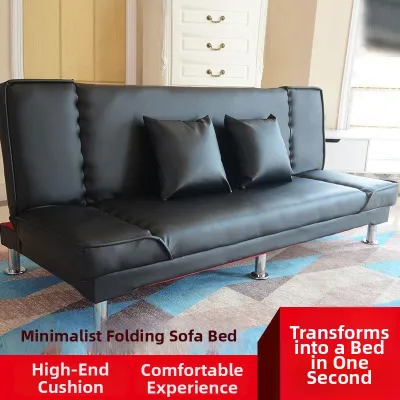
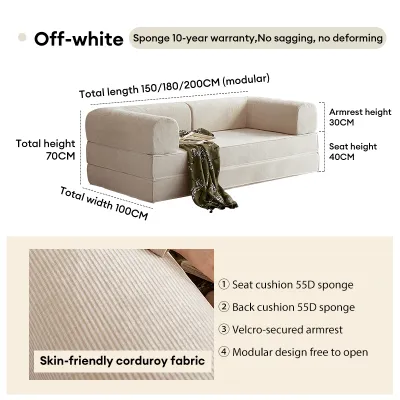
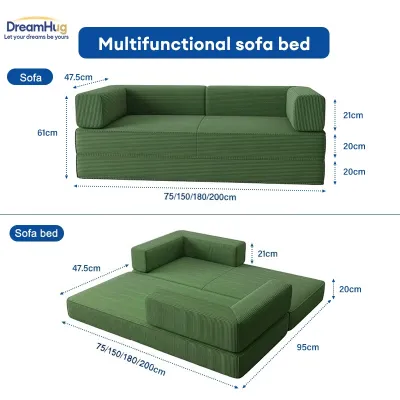
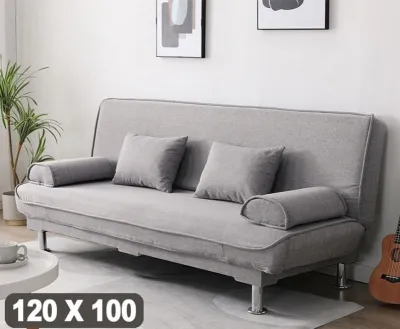
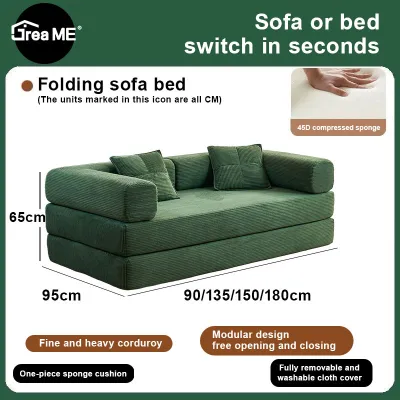
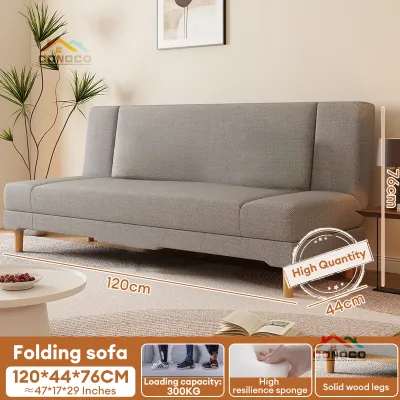

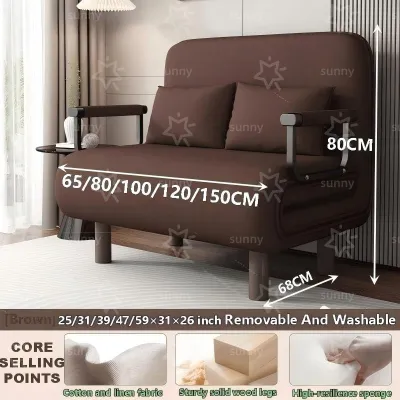
Prices are valid at publication and may change. Please refer to the product page for the latest price.
Finally, calculate the fully extended footprint of the sofa bed. When converted into a bed, the frame will extend outward, often doubling or tripling its folded depth. You must verify that the fully deployed bed leaves enough clearance to access the bathroom or kitchen during the night. If the extended mattress presses directly against your TV console or blocks the path to the balcony, the layout will feel incredibly cramped and impractical for daily living.
Selecting Convertible Sofa Bed Styles for Small Condo Living Rooms
Visual weight is just as important as physical dimensions when furnishing a 20 square meter space. Heavy, bulky furniture can make a small room feel dark and claustrophobic. To prevent this, look for low-profile designs that keep the overall height of the sofa back relatively low. Armless models or those with very thin, low-profile arms are excellent choices because they maximize the usable seating area while keeping sightlines clear across the room, making the space feel larger than it is.

The base of the sofa bed also plays a major role in how light or heavy the room feels. Sofas with exposed, slender legs create an illusion of more floor space because light can pass underneath them. This open gap under the seat prevents the furniture from looking like a solid block. However, if you choose a model with exposed legs, ensure the legs are sturdy and check the joint connections to make sure they can handle the shifting weight of daily transitions.
Alternatively, if you need to maximize utility, consider a solid-base sofa bed that features built-in under-seat storage. While these designs look visually heavier because they sit flush with the floor, they provide valuable hidden compartments for extra pillows, blankets, and bed sheets. This built-in storage reduces the need for additional bulky cabinets or wardrobes in your living room, ultimately saving physical floor space. When choosing this style, check that the storage drawers or lift-up mechanisms operate smoothly without scraping your flooring.
Evaluating the Mechanism and Mattress Thickness
The mechanism used to convert the sofa into a bed directly impacts both your daily comfort and the physical space required for operation. Click-clack models are popular for their simplicity, requiring you to tip the seat forward and click the backrest down. However, these often require you to pull the entire sofa away from the wall before unfolding, which can be tedious in a tight layout. Pull-out drawer mechanisms and fold-out futons transition forward, meaning the backrest can stay closer to the wall, but they require significant clearance in front of the sofa.
Mattress thickness and material density must be carefully balanced against the folded sofa’s seat height and depth. A very thick mattress might offer excellent sleeping support, but it often results in a bulkier folded frame, a deeper seat depth, or an awkwardly high seating position. Check the manufacturer’s specifications for the folded seat height; a standard comfortable height is typically between 40 and 45 centimeters. If the mattress is too thin, you may feel the underlying metal or wooden support bars, so look for high-density foam options that provide support without excessive physical bulk.
Do not rely solely on generic material names like “premium foam” or “solid hardwood” to assume durability. Instead, inspect the product label for specific weight limits, frame construction details, and warranty terms. In tropical climates with high humidity, check if the frame materials are treated to resist moisture and warping. Look for sturdy metal linkages in pull-out mechanisms and verify that the folding joints operate smoothly without excessive friction or squeaking during a physical demonstration.
Layout and Placement Strategies for a 20 Sqm Room
Strategic placement is essential to keep a multi-use condo living room functional and comfortable. Position your convertible sofa bed away from direct sunlight and main airflow paths from your air conditioning unit or balcony doors. In tropical environments, placing fabric furniture directly in front of a sunny window can cause the upholstery to fade and trap heat, making both sitting and sleeping uncomfortable. Ensure the sofa does not block natural light or cross-ventilation, which are crucial for keeping a small condo feeling fresh.
To complement your sofa bed, select lightweight, multi-functional companion furniture. Instead of a large, heavy coffee table, opt for nesting side tables that can be easily stacked and moved to the side when you need to deploy the bed. Alternatively, a lift-top coffee table with built-in storage can serve as a work desk during the day and a dining surface, keeping the center of the room clear. Ensure any companion furniture is light enough to be moved effortlessly by one person.
You can also use visual zoning techniques to define the living and sleeping areas without installing physical dividers that block light. A well-sized area rug can anchor the sofa bed, visually separating the “living room” from the kitchen or dining nook. Pair this with strategic lighting, such as a slim floor lamp for reading and warm, dimmable ambient lights for the evening. This helps transition the mood of the room from a functional daytime living space to a cozy, relaxing sleeping sanctuary.
Common Sizing and Placement Mistakes to Avoid
One of the most frequent mistakes condo owners make is ignoring the “deployed footprint” of the sofa bed. It is easy to measure the wall space and assume a sofa fits perfectly, only to realize later that when the bed is fully extended, it blocks the bathroom door, hits the kitchen counter, or prevents you from opening your wardrobe. Always measure the room with the bed fully open in mind, and use floor tape to simulate the extended layout before making a purchase.
Another common error is choosing overly plush, high-armed, or heavily tufted classic styles. While these designs look incredibly cozy in large showrooms, they visually overwhelm a 20 square meter room, making the ceiling feel lower and the walls feel closer. Stick to clean, minimalist lines and neutral colors that blend into the walls rather than competing for visual dominance.
Lastly, never skip measuring the delivery path. Many buyers focus entirely on the living room dimensions and forget to check if the box can fit through the condo’s main entrance, the elevator door, or tight hallway turns. If the packaged furniture cannot make it past the lobby or through your front door, you will face costly return fees and logistical headaches. Always request the packaged dimensions from the retailer and compare them against your building’s physical constraints.
Frequently Asked Questions (FAQ)
How much walking clearance should I leave around a deployed sofa bed?
You should aim to leave at least 50 to 60 centimeters of walking clearance on at least one side of the deployed bed. This space allows you to get in and out of bed comfortably and walk through the room without having to climb over the mattress. Before buying, use painter’s tape on your floor to mark the fully extended dimensions of the sofa bed, then walk around the taped area to ensure you can still access doors, cabinets, and pathways easily.
Can a convertible sofa bed serve as my primary everyday sofa in a small condo?
Yes, a convertible sofa bed can serve as your primary daily seating, but you must choose a model designed for high-frequency use. Check the manufacturer’s specifications for high-density cushion foam and a robust frame construction, as standard guest-use sofa beds may sag quickly under daily wear. Look for durable, easy-to-clean upholstery fabrics that can withstand tropical humidity, and verify that the folding mechanism operates smoothly without stiffening over time.

Community discussion
Share your experience or ask a question. Comments are reviewed before publication.