
Finding the right corner shelf for a home office requires balancing spatial efficiency with structural integrity. Because books and study materials can accumulate significant weight, a successful setup depends on choosing a design that fits the physical dimensions of your room while offering stable, accessible storage. By evaluating your specific corner space, understanding the structural differences between L-shaped, tiered, and integrated desk units, and verifying safety features like anti-tip anchors, you can transform an underutilized corner into a highly organized, productive workstation.
Assessing Your Home Office Corner Space and Storage Needs
Before browsing online marketplaces or local furniture showrooms, you must precisely measure your designated corner. Start by measuring the available floor width along both adjacent walls, the total vertical height of the room, and the maximum depth the shelf can extend without obstructing walkways. Be sure to account for architectural details such as baseboards, electrical outlets, light switches, and the swing clearance of nearby doors or windows. A shelf that blocks a power outlet or prevents a window from opening fully will quickly become a source of daily frustration.
Next, take inventory of the books, binders, and study supplies you plan to store. Group them by size and weight to estimate the total volume. Standard textbooks and academic journals require deeper shelves and higher vertical clearance than novels or small notebooks. This inventory will help you determine the necessary number of tiers and the minimum shelf depth required to prevent items from protruding.
Products mentioned in this guide

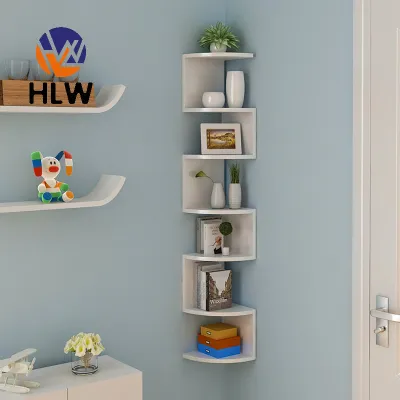
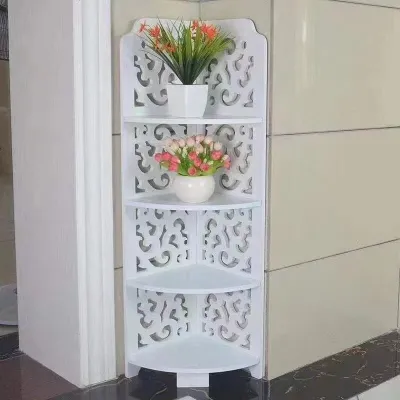
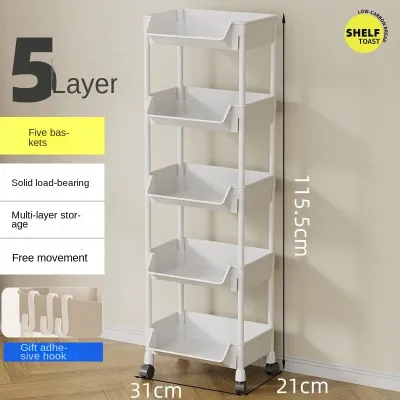
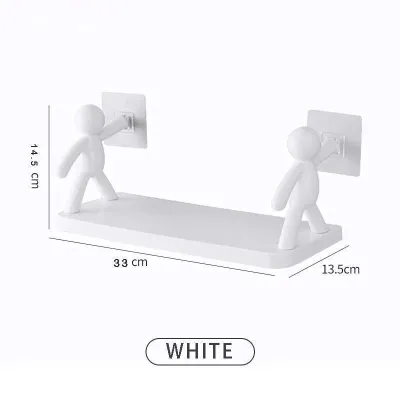
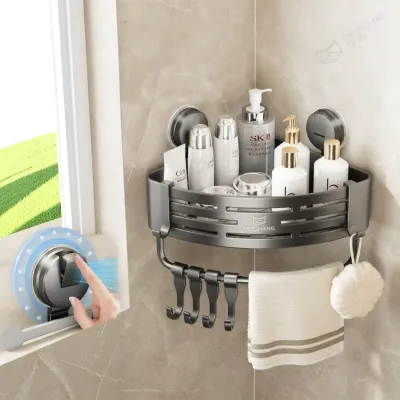
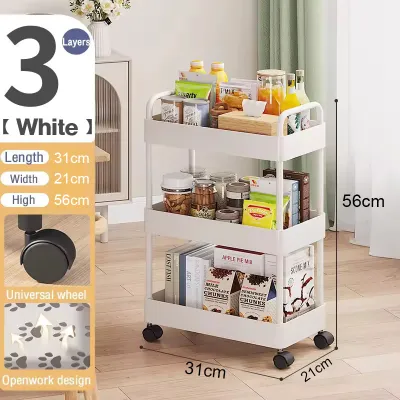
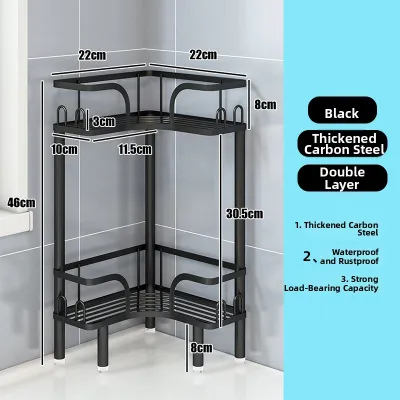
Prices are valid at publication and may change. Please refer to the product page for the latest price.
Finally, consider the logistics of bringing the furniture into your home. Whether you purchase a fully assembled unit or a flat-pack model, you must verify its packaged and assembled dimensions against your home’s entry points. Measure the clearance of your doorways, narrow hallways, staircases, and elevator cabins. In many homes in the Philippines, navigating tight stairwells or low-clearance doorways can present a significant challenge during delivery, making flat-pack options that assemble directly in the study room a highly practical choice.
Corner Shelf Designs Suited for Books and Study Materials
Corner shelves come in several distinct configurations, each offering a different balance of storage capacity, visual weight, and floor footprint. In a home office, the most suitable design should match both your aesthetic preferences and the physical demands of your study materials. While some designs prioritize open, minimalist aesthetics that keep a small room feeling spacious, others focus on maximizing every square inch of vertical and horizontal wall space to accommodate extensive libraries. Understanding these design categories allows you to select a unit that aligns with your daily workflow and organizational habits.

L-Shaped and Wrap-Around Corner Shelves
L-shaped and wrap-around corner shelves are designed to hug both walls of a corner continuously, providing a substantial amount of linear storage space. This configuration is highly suitable for avid readers, researchers, or professionals who need to store large volumes of heavy reference books, binders, and archives. By utilizing the intersecting walls, these shelves turn what is often wasted corner space into a continuous, high-capacity library.
When selecting an L-shaped unit, it is crucial to inspect the structural support at the corner joint. Because books exert continuous downward force, the intersection where the two shelf wings meet must be reinforced with sturdy brackets, center support legs, or interlocking joints. Without proper reinforcement, the center of the shelf may sag over time. Check the manufacturer’s assembly instructions to ensure the joint design is engineered to distribute weight evenly across both wall planes.
Tiered and Freestanding Corner Shelves
Tiered and freestanding corner shelves typically feature a triangular or pentagonal footprint that fits snugly into a single corner point. These units are excellent space-saving solutions for compact home offices or multi-purpose rooms where floor space is limited. Because they rise vertically, they allow you to utilize overhead space without encroaching on the room’s main pathways, keeping the center of your study area open and uncluttered.
However, because of their tapered design, the shelf depth often varies from bottom to top. It is essential to check the specifications of individual tiers to ensure they can accommodate standard book widths. If the upper tiers are too shallow, larger textbooks may overhang, creating an unstable setup and an untidy appearance. These units work most effectively when you reserve the deeper lower shelves for heavy books and use the narrower upper tiers for lighter study accessories, small storage boxes, or decorative items.
Corner Desk with Integrated Shelving
For users who want to maximize productivity in a limited area, a corner desk with integrated shelving offers an all-in-one workstation solution. This design combines a functional writing surface with built-in shelves rising above or extending below the desktop. It is particularly convenient for students and remote workers who need immediate, arm’s-reach access to reference manuals, notebooks, and daily study supplies while working on a laptop or computer.
When evaluating an integrated unit, pay close attention to the ergonomics and physical clearances. Verify that the desk portion provides comfortable legroom and does not force you into an awkward posture. Additionally, check the weight limits and clearance heights of the shelves directly above the desk surface. If you plan to place a computer monitor, printer, or desk lamp on or under these shelves, ensure there is sufficient vertical space and structural capacity to support these electronics safely without crowding your primary workspace.
Key Features to Check for Stability and Safety
Ensuring the stability of your corner shelf is paramount, especially when storing heavy academic books and office equipment. Always check the manufacturer’s specified weight capacity, which should detail both the maximum load per individual shelf and the total weight limit for the entire unit. Never exceed these guidelines, as overloading can lead to structural failure, warping, or joint separation.
Because corner shelves are often tall and narrow, they are naturally susceptible to tipping if they become top-heavy or if the floor is slightly uneven. To mitigate this risk, verify that the unit includes dedicated anti-tip wall anchoring hardware. In the Philippines, where seismic activity can occur, anchoring tall furniture to wall studs or solid masonry is a critical safety step. If your home has concrete or hollow-block walls, you will need to use appropriate masonry wall plugs and screws rather than standard drywall anchors to ensure a secure hold.
Additionally, examine the material specifications and surface treatments of the shelf. In tropical climates with high humidity, materials like untreated particleboard can absorb moisture, leading to swelling, sagging, and mold growth. Look for shelves constructed from moisture-resistant materials, solid wood, or high-density fiberboard with a protective laminate or melamine finish. These surfaces not only resist moisture-related damage but also offer better scratch resistance against the constant sliding of heavy book spines and storage bins, making them much easier to wipe clean and maintain over time.
Organizing Books and Supplies on Your Corner Shelf
An organized corner shelf improves both the functionality of your home office and the structural longevity of the furniture. To maintain optimal stability, always place your heaviest textbooks, thick binders, and dense reference materials on the lowest or middle tiers. This practice keeps the unit’s center of gravity low, significantly reducing the risk of tipping. Reserve the higher, more accessible shelves for lighter notebooks, current reading materials, and items you need to grab quickly throughout the workday.
To keep open shelves from looking cluttered, incorporate storage bins, baskets, or drawer inserts. These containers are perfect for corralling small, loose study supplies such as pens, highlighters, sticky notes, charging cables, and calculator cases. Choosing bins that match the depth of your shelf tiers ensures a clean, streamlined look while keeping essential tools organized and dust-free.
Finally, look for corner shelves that feature adjustable shelf heights. The ability to reposition individual shelves allows you to customize the vertical clearance to match your specific storage needs. Whether you need to accommodate oversized art books, tall vertical file folders, or small storage boxes, adjustable shelving ensures you do not waste valuable vertical space, allowing you to adapt the layout as your study requirements change over time.
Frequently Asked Questions (FAQ)
Can a standard corner shelf hold heavy textbooks?
Whether a standard corner shelf can support heavy textbooks depends entirely on the manufacturer’s specified weight limits, the materials used, and the internal bracing of the unit. Solid wood, metal, and high-quality engineered wood with reinforced joints are generally capable of supporting dense books, whereas lightweight plastic or thin laminate shelves may sag. To ensure safety, always check the load capacity before loading the shelves, and distribute your heaviest textbooks across the lower tiers to maintain structural balance.
How do I prevent a tall corner shelf from tipping over?
To prevent a tall corner shelf from tipping, you must secure it directly to the wall using the manufacturer’s provided anti-tip anchoring kit. For solid concrete or masonry walls common in many homes, use appropriate masonry anchors and screws to create a firm hold. Additionally, always load the shelf from the bottom up, placing the heaviest items on the lowest shelves and keeping lighter items on top to maintain a low, stable center of gravity.

Community discussion
Share your experience or ask a question. Comments are reviewed before publication.