
Finding the right cube display shelf size for a small condo study area in the Philippines is a balancing act between maximizing storage and preserving precious floor space. In compact high-rise units, where study corners are often carved out of bedrooms or living areas, every centimeter counts. Selecting a shelf that is too deep can restrict movement, while one that is too shallow might fail to hold your essential books, files, and work tools.
To optimize a limited study zone, a cube display shelf with an external depth of 29 to 40 centimeters is generally the most practical choice. This depth range provides enough stability and storage volume without protruding excessively into walkways. By focusing on vertical height and choosing modular configurations, you can create an organized, productive workspace that feels open and clutter-free.
Assessing Your Condo Study Space and Clearance Requirements
Before browsing online marketplaces or visiting local furniture showrooms, you must accurately map out your study area. Start by measuring the available floor footprint where the cube display shelf will stand. Use a steel measuring tape to record the width and depth of the floor space, and note the height of the ceiling. It is crucial to account for baseboards, which can prevent a shelf from sitting completely flush against the wall, as well as the location of electrical outlets, light switches, and air conditioning vents.
Products mentioned in this guide
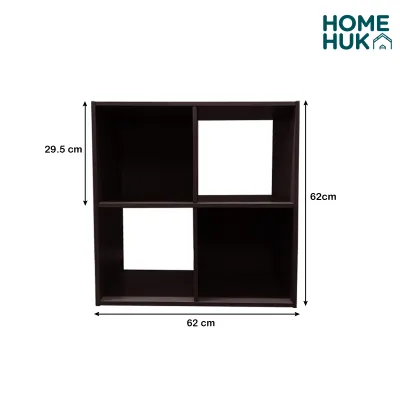
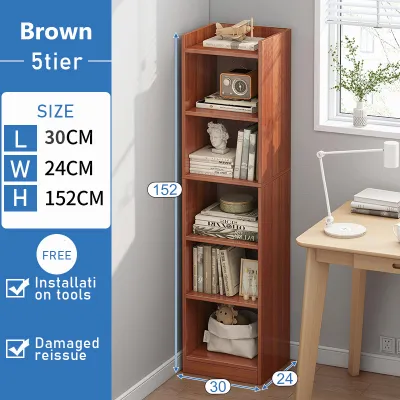
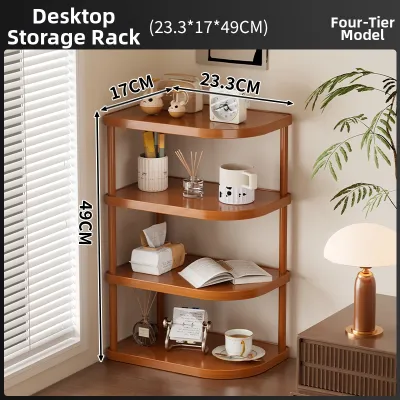
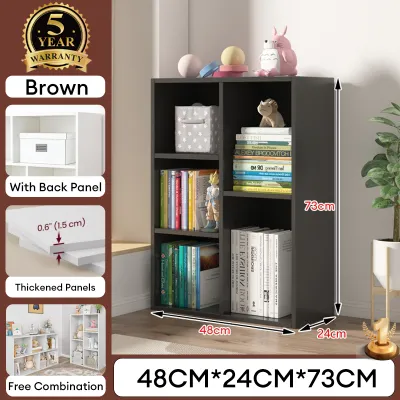
Prices are valid at publication and may change. Please refer to the product page for the latest price.
Next, calculate the clearance required for daily movement within the study zone. A standard desk chair requires at least 75 to 90 centimeters of clear space behind the desk to slide out comfortably. Walkways should ideally maintain a width of 60 to 80 centimeters to allow unhindered passage. If your cube display shelf is placed near a doorway, wardrobe, or window, measure the swing radius of these doors to ensure the shelf does not obstruct their path.
Finally, consider the visual weight and lighting of the room. In small condo units, tall, dark, or solid furniture can block natural light from windows and make a room feel cramped. If your study area has limited light, look for low-profile cube configurations or open-backed designs. These styles allow light to pass through, maintaining a sense of spaciousness while still providing structured storage.
Matching Cube Shelf Dimensions to Your Storage Needs
The utility of a cube display shelf depends heavily on how well its internal dimensions match your specific storage requirements. Standard cube shelves typically feature internal compartments measuring either 30 by 30 centimeters or 33 by 33 centimeters. If you plan to store standard A4 binders, large textbooks, or specialized storage bins, the larger 33-centimeter cubes are highly recommended, as they prevent items from protruding or sitting at awkward angles.

When evaluating dimensions, consider the trade-off between deep and shallow shelves. Deeper shelves (around 39 to 40 centimeters) are excellent for holding heavy reference books, printers, or deep storage baskets, but they consume more floor space. Shallower shelves (around 29 to 30 centimeters) are ideal for novels, small decorative items, and lightweight office supplies, making them highly suitable for narrow hallways or tight study corners where floor space is at a premium.
To maintain a clean and professional look in your home office, plan a balanced mix of open display cubes and closed storage inserts. Open cubes are perfect for showcasing awards, plants, or frequently used reference materials, which adds personality to your workspace. Closed inserts, such as fabric drawers, wooden cabinet doors, or plastic bins, are essential for hiding messy cables, loose papers, and miscellaneous office supplies, keeping visual clutter to a minimum.
Configurations and Layouts for Tight Floor Plans
Optimizing a tight condo floor plan requires strategic thinking about how you arrange your furniture. One of the most effective strategies is vertical stacking. By choosing a tall, narrow cube display shelf (such as a 2×4 or 1×4 configuration placed vertically), you utilize unused wall space up to the ceiling while keeping the floor footprint minimal. Conversely, if your study desk is positioned next to a window, a low-profile horizontal unit (such as a 1×3 or 2×3 configuration) can sit neatly underneath, preserving your view and natural light.
In studio apartments or open-plan condos, a cube display shelf can serve a double purpose as a functional room divider. Placing a medium-height shelf perpendicular to the wall allows you to physically separate your study zone from the sleeping or living area. This layout creates a distinct boundary that helps improve focus during work hours, while the open-cube design ensures that light and air still circulate freely between the two zones.
Do not overlook corner placements and L-shaped arrangements. Often, corners in small condos become dead space. Placing a corner-specific cube unit or arranging two low-profile cube shelves in an L-shape around your desk can turn an underutilized corner into a highly efficient workstation. This setup keeps all your study materials within arm’s reach without crowding the center of the room.
Installation, Stability, and Safety Checks for High-Rise Living
Safety and structural integrity are paramount when installing furniture in high-rise condo units. Always check the manufacturer’s specified weight limits for both individual cubes and the total unit capacity before loading them with heavy items. Books and binders are surprisingly heavy; a single linear meter of books can easily weigh 20 to 30 kilograms. Distribute the weight evenly, placing the heaviest items in the bottom cubes to lower the unit’s center of gravity and improve overall stability.
Evaluating wall anchoring requirements is a critical safety step, especially for tall or stacked configurations. Any cube display shelf with a height-to-depth ratio greater than 3:1 should be securely anchored to the wall to prevent accidental tip-overs. Review the manufacturer’s safety instructions and use the recommended anchoring hardware suitable for your specific wall type, whether it is concrete, drywall, or brick.
Before drilling any holes or making structural modifications, verify your condo association’s guidelines and rules. Many high-rise developments in the Philippines have strict regulations regarding drilling into walls, particularly structural concrete columns or walls containing utility conduits. Consult your building administration office to obtain the necessary permits and to confirm the safe locations for drilling, ensuring your installation remains compliant and safe.
Frequently Asked Questions (FAQ)
Can I stack multiple cube shelf units to reach the ceiling?
Stacking modular cube units is possible, but it must be done strictly according to the manufacturer’s guidelines and safety specifications. Only stack units that are explicitly designed by the manufacturer to be modular and stackable, and always use the official connecting hardware provided to secure the units together. Stacking non-modular units or exceeding the recommended height limit can lead to structural failure. Additionally, any stacked configuration must be securely anchored to a solid wall to eliminate the risk of tipping, especially in regions prone to seismic activity.
What is the best cube shelf material for humid condo environments?
In the tropical climate of the Philippines, high humidity can cause certain furniture materials to warp, swell, or develop mold. When selecting a cube display shelf, check the product labels and manufacturer specifications for moisture-resistant finishes, sealed edges, or protective laminates. Engineered wood with a high-quality melamine or laminate finish offers good resistance to surface moisture, provided the edges are fully sealed. To maintain the shelf’s integrity, ensure your study area has adequate ventilation, use dehumidifiers if necessary, and follow the manufacturer’s care instructions by wiping away any condensation or spills immediately.

Community discussion
Share your experience or ask a question. Comments are reviewed before publication.