
To fit a compact bedroom in the Philippines, a slim clothes cabinet typically requires an external depth of 35 to 45 centimeters if you utilize front-facing pull-out valet rods, or up to 50 to 55 centimeters if you prefer traditional side-to-side hangers, while the width must adapt to your available wall run minus necessary clearances. Finding the perfect balance means measuring your physical room constraints, evaluating your wardrobe composition, and planning for the high humidity of a tropical climate. By focusing on precise spatial checks and smart internal configurations, you can maximize vertical storage without overcrowding your sleeping area. In urban homes, townhouses, and condominiums where floor space is limited, selecting the right dimensions ensures your room remains functional and clutter-free.
Assessing Your Bedroom Space and Wall Availability
Start your selection process by using a reliable steel tape measure to record the exact width and height of the designated wall. Do not rely on visual estimates or general room blueprints, as actual wall dimensions can vary. Be sure to measure at three different heights—near the floor, in the middle, and near the ceiling—to account for any uneven plaster or concrete surfaces that are common in local residential construction.
Note architectural details like baseboards, crown moldings, and floor trim. These protrusions can prevent a flat-backed cabinet from sitting flush against the wall, creating an unexpected gap or forcing the unit forward into your walking path. Additionally, consider the delivery route; verify that the packaged cabinet can easily pass through your building’s elevators, narrow hallways, and bedroom doorways before finalizing your purchase.
Products mentioned in this guide
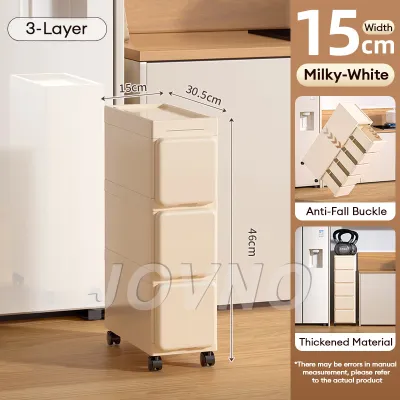
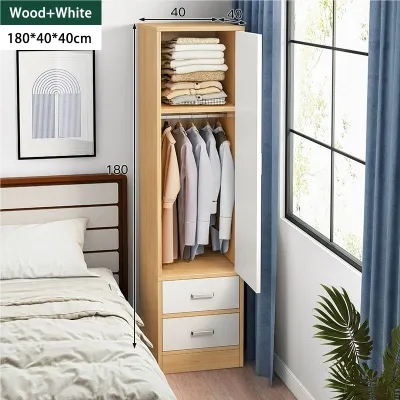
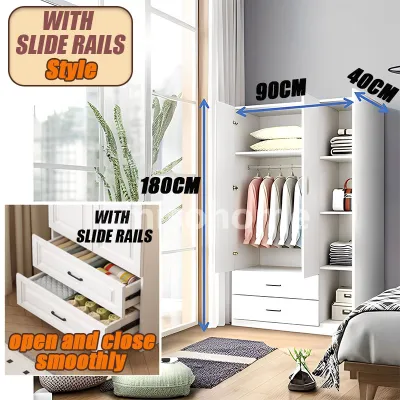

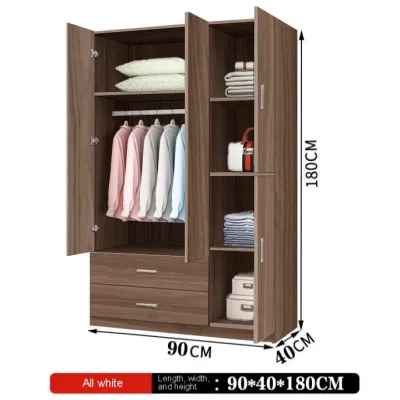


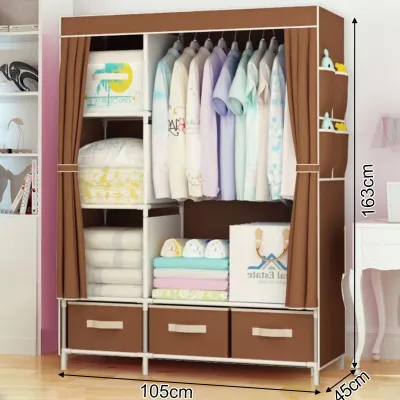
Prices are valid at publication and may change. Please refer to the product page for the latest price.
Identify physical obstacles that restrict vertical or horizontal placement. In many local bedrooms, wall-mounted split-type air conditioning units, window frames, electrical conduits, or low-hanging ceiling fans dictate where a tall cabinet can stand. Ensure the cabinet’s height leaves sufficient clearance below any AC unit to allow for routine filter cleaning and unobstructed cool airflow.
Map out the room’s primary walking paths. A slim wardrobe is meant to save space, but it should not turn your bedroom into an obstacle course. Mark the footprint of the proposed cabinet on the floor using masking tape to visualize how it affects daily movement, ensuring you can comfortably walk between the bed and the cabinet without bumping into corners.
Determining the Ideal Depth for Your Storage Needs
Standard wardrobes usually require a depth of 60 centimeters to accommodate standard clothes hangers sideways. Slim cabinets, however, often reduce this depth to 40 centimeters or less to preserve floor space. To make a shallow cabinet work for hanging clothes, look for models equipped with pull-out valet rods where garments hang facing forward rather than sideways.

Evaluate your garments. Lightweight tropical clothing like t-shirts, shorts, and linen shirts fold easily and fit perfectly onto shallow shelves. However, bulkier items, formal wear, or structured jackets might get pinched in a shallow wardrobe, requiring you to adopt specific folding techniques or store them in a separate, deeper closet space.
Check external versus internal dimensions. Manufacturers list the outer dimensions, which include the thickness of the back panel, doors, and frame. The actual usable shelf depth might be 2 to 5 centimeters shallower than the external measurement, so verify these specifications to ensure your storage boxes or folded clothes will actually fit inside.
Consider the door style when evaluating depth. Hinged doors swing outward and require clear floor space, but they do not add to the cabinet’s depth. Sliding doors, on the other hand, require a double-track system that can consume up to 5 to 10 centimeters of the cabinet’s total depth, reducing the actual internal storage space.
Calculating the Maximum and Minimum Width
To find the maximum width, measure the total length of your target wall and subtract at least 10 to 15 centimeters of clearance on each side. This buffer accounts for uneven walls, baseboard protrusions, and the physical space needed to maneuver the cabinet into place during assembly.
Consider the minimum width required for structural stability and functional layout. A cabinet that is too narrow might not support a practical combination of drawers and shelves. If you plan to have side-by-side compartments, ensure the overall width accommodates the manufacturer’s internal partition requirements without making individual shelves too narrow to hold folded clothes.
Account for surrounding elements. Check the location of electrical outlets, light switches, and adjacent furniture. A cabinet should never block access to power outlets or light switches, nor should it interfere with the swing of bedroom doors or adjacent cabinet doors.
Clearance, Safety, and Installation Checks
Verify door and drawer clearance. Swing doors require a clear radius equal to the door’s width, while drawers need ample space to pull out fully. Ensure there is enough clearance between the fully extended drawers and your bed frame or other furniture so you can stand comfortably while accessing your clothes.
Air circulation is critical, particularly in warm, humid climates like the Philippines. Placing a wooden cabinet flush against an exterior wall can trap moisture, leading to mold and mildew growth on both the furniture and your clothing. Leave a gap of at least 2 to 5 centimeters between the back of the cabinet and the wall to promote continuous airflow.
Review anchoring requirements. Tall, narrow, and shallow cabinets have a high center of gravity, making them highly susceptible to tipping over when drawers are pulled out or doors are opened. Always anchor the cabinet securely to the wall. For concrete or hollow block walls common in local construction, use appropriate masonry wall plugs and heavy-duty screws rather than standard drywall anchors.
Frequently Asked Questions (FAQ)
Can a slim clothes cabinet hold heavy winter coats?
While a slim cabinet can hold some heavier garments, its shallow depth and alternative hanging systems are generally optimized for lighter clothing. Front-facing valet rods carry weight differently than traditional longitudinal hanging rails; overloading a pull-out rod with heavy coats can strain the sliding mechanism or cause the rail to sag. Always check the manufacturer’s specified load capacity for shelves and hanging rails. If you need to store heavy outerwear or bulky travel gear, consider using vacuum-sealed storage bags on lower shelves or utilizing a deeper, dedicated storage unit.
Do I need to anchor a slim wardrobe to the wall?
Yes, anchoring a slim wardrobe to the wall is an essential safety step that should never be skipped. Because these units are tall and shallow, opening multiple drawers or doors shifts the center of gravity forward, creating a severe tip-over hazard. This risk increases if heavy items are stored on upper shelves. To secure the unit, identify the wall type—such as concrete, hollow block, or drywall—and use the corresponding heavy-duty wall anchors and brackets recommended by the manufacturer. Secure anchoring ensures the cabinet remains stable and safe for daily use.

Community discussion
Share your experience or ask a question. Comments are reviewed before publication.