
The best display cabinet with glass for showing dishes and dinnerware is one that balances high-visibility aesthetics with robust structural integrity, tailored specifically to the weight of your collection. Because dinnerware ranges from heavy, rustic stoneware to delicate heirloom porcelain, selecting the right cabinet requires evaluating load capacities, glass safety ratings, frame stability, and spatial constraints. A well-chosen cabinet not only showcases your prized plates and glassware but also protects them from dust, accidental bumps, and environmental wear.
In tropical environments where high humidity and dust are constant factors, material selection and cabinet sealing become even more critical. Wood expansion, metal corrosion, and dust accumulation can affect both the longevity of the cabinet and the cleanliness of your dinnerware. By focusing on verifiable structural specifications and matching the furniture to your specific storage needs, you can find a secure and beautiful display solution for your dining room.
Key Features to Evaluate in a Glass Display Cabinet
When shopping for a display cabinet with glass, safety should be your primary consideration. Always check the manufacturer’s product labels and specifications to verify that the unit uses tempered glass rather than standard annealed glass. Tempered glass is significantly stronger and, in the rare event of breakage, crumbles into small, relatively harmless granular pieces instead of sharp, dangerous shards. This safety feature is essential for both the cabinet doors and any load-bearing glass shelves that will hold heavy stacks of plates.
Products mentioned in this guide


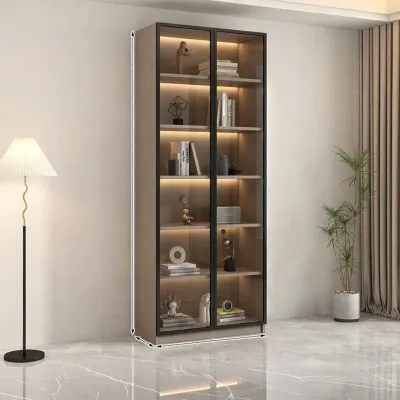
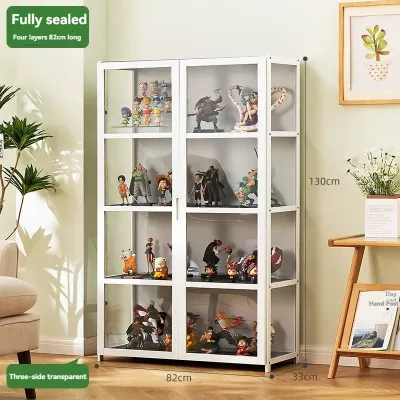
Prices are valid at publication and may change. Please refer to the product page for the latest price.
Shelf material and load capacity require careful verification on the manufacturer’s specification sheets. Do not assume all glass shelves can support heavy ceramic plates; look for the exact weight limit per shelf specified by the brand. If you plan to store heavy stoneware, look for shelves made of thick tempered glass (ideally 6mm to 8mm or thicker) or solid wood. Ensure the shelf support pins are made of sturdy metal rather than plastic, as plastic pegs can degrade and shear under constant weight over time.
Frame stability and joinery determine how well the cabinet resists wobbling or racking when fully loaded with heavy dinnerware. Examine the base construction and the joints where the shelves and outer frame meet. High-quality cabinets feature reinforced joints, such as mortise-and-tenon or heavy-duty steel corner brackets, rather than simple glue-and-nail assembly. A stable, rigid frame prevents the cabinet from swaying when doors are opened or closed, protecting your delicate glassware from rattling against each other.
Dust protection is another critical factor, particularly in homes near busy roads or in dusty environments. Look for cabinets designed with tight-fitting doors, magnetic catches, and integrated dust seals along the door frames. Magnetic catches keep the doors firmly closed against the frame, preventing drafts from carrying dust inside. Well-sealed doors drastically reduce the frequency of washing your displayed dinnerware, keeping your plates and glasses ready for immediate use.
Matching the Cabinet to Your Dinnerware Collection
Your dinnerware collection should dictate the interior configuration of your glass display cabinet. If your collection consists primarily of heavy everyday stoneware or earthenware, prioritize structural support and a low center of gravity. Place these heavy items on the lowest shelves of the cabinet to keep the unit stable and prevent top-heavy tipping. Look for cabinets with deep, reinforced wooden shelves or exceptionally thick tempered glass shelves supported by robust metal brackets.

Delicate heirlooms, fine china, and bone china require a different set of features focused on visibility and gentle preservation. These lightweight, fragile items benefit from adjustable shelf heights to prevent tight stacking, which can cause chipping. If you want to highlight the intricate details of your china, look for a cabinet with integrated lighting. When evaluating cabinets with pre-installed lights, check the bulb type; low-heat LED lights are highly preferable to traditional halogen bulbs, which emit significant heat that can stress delicate glazes or warp wooden frames.
Tall glassware, such as wine glasses, champagne flutes, and decanters, along with large serving platters, require generous vertical clearance. A cabinet with fixed shelves can severely limit your display options, leaving you with unused vertical space or forcing you to store tall items elsewhere. Look for cabinets featuring adjustable shelf tracks, often called pilaster strips, which allow you to customize the height of each compartment. This flexibility ensures you can accommodate oversized chargers and tall crystal stems without crowding.
Space Planning and Pre-Purchase Measurements
Before finalizing your purchase, precise spatial planning is necessary to ensure the cabinet fits your dining area comfortably. Begin by measuring the floor footprint where the cabinet will stand, ensuring it does not block walkways or interfere with dining chairs when guests are seated. Measure the ceiling height to confirm the unit will fit, leaving a few centimeters of clearance at the top for ventilation and assembly. Additionally, measure the door swing clearance to ensure the glass doors can open fully without hitting nearby walls, columns, or other furniture.
Delivery access is a frequently overlooked obstacle that can disrupt your installation plans. Measure the width and height of all entry points, including stairwells, elevator doors, and interior doorways, to verify that the cabinet can safely reach your dining room. If you are purchasing a pre-assembled solid wood cabinet, these clearances are non-negotiable. For flat-pack units, ensure you have a clear, spacious area in your home to assemble the pieces safely without risking damage to the glass panels.
Safety anchoring is a critical step, especially for tall, front-heavy display cabinets. When multiple glass doors are opened simultaneously, or if the cabinet is loaded unevenly, the center of gravity shifts forward, creating a severe tip-over hazard. Check the manufacturer’s instructions for wall-anchoring requirements and included hardware. In homes with concrete or masonry walls, you will need to purchase appropriate masonry wall plugs and screws, as the standard drywall anchors included in many flat-pack kits will not provide a secure hold.
Building Your Shortlist: Cabinet Types and Configurations
Freestanding tall cabinets, often referred to as classic china cabinets, are the traditional choice for large dinnerware collections. These units offer maximum vertical storage and serve as a dramatic focal point in a dedicated dining room. Because of their height and weight, it is crucial to check the floor weight distribution and ensure the cabinet legs feature adjustable levelers. Levelers allow you to compensate for slightly uneven flooring, preventing the cabinet from rocking and keeping the glass doors perfectly aligned.
A buffet with a glass hutch offers a highly functional two-piece configuration. The lower buffet provides concealed wooden drawers and cabinets for storing table linens, flatware, and less attractive serving pieces, while the upper glass hutch showcases your finest dinnerware. When choosing this style, always verify the connection mechanism that secures the hutch to the buffet. High-quality sets include heavy-duty metal brackets or straps that screw into the back of both pieces, preventing the upper hutch from shifting or sliding.
Wall-mounted glass cabinets are an excellent alternative for compact dining spaces or for positioning above an existing sideboard. By lifting the storage off the floor, they keep your dining area feeling open and spacious. However, wall-mounted units have strict weight limits and require flawless installation. You must locate the wall studs for secure mounting, or use heavy-duty masonry anchors if mounting directly into concrete walls, and strictly adhere to the manufacturer’s maximum load capacity to prevent structural failure.
Corner display units are specifically designed to maximize awkward, underutilized spaces in smaller dining rooms. These cabinets feature a triangular or pentagonal footprint that tucks neatly into a corner, offering a unique viewing angle for your collection. Keep in mind that the triangular shape of corner shelves limits the usable surface area, making them less suitable for large, round serving platters or extensive dinnerware sets. They are, however, ideal for showcasing a curated selection of glassware, teacups, or small decorative bowls.
Frequently Asked Questions (FAQ)
How do I clean the glass without leaving streaks or damaging the frames?
Always check the manufacturer’s care instructions for your specific cabinet before applying any cleaning solutions, as certain wood finishes, metal lacquers, or glass coatings can be easily damaged by harsh chemicals. To avoid streaks, use a clean, dry microfiber cloth and a mild glass cleaner or a simple mixture of water and white vinegar. Avoid spraying any liquid cleaner directly onto the glass panels, as the runoff can seep into the wooden or metal frame joints, causing wood veneers to swell, finishes to peel, or metal hinges to corrode. Instead, spray the cleaning solution lightly onto the microfiber cloth first, then gently wipe the glass surfaces.
Can I add aftermarket lighting to a display cabinet that doesn't have it?
Yes, you can easily upgrade your display cabinet with aftermarket lighting, but you must first check the heat tolerance of your cabinet’s shelf materials. Traditional incandescent or halogen puck lights emit high levels of heat that can warp wooden shelves, damage delicate glazes on china, or even crack glass shelves if placed too close. The safest and most energy-efficient option is to use low-heat LED lighting, such as battery-operated or rechargeable LED puck lights with adhesive mounts. If you prefer a plug-in system, look for thin LED strip lights that can be routed along the inner front corners of the cabinet frame, hiding the wires while casting a warm, even glow over your dinnerware.

Community discussion
Share your experience or ask a question. Comments are reviewed before publication.