
Living in a compact condominium in Metro Manila or other urban centers in the Philippines requires smart spatial planning. When every square meter of floor space is valuable, a traditional fixed bed can dominate a small bedroom, leaving little room for daily activities, remote work, or movement. A foldable single bed frame offers a practical solution to this spatial challenge, allowing you to reclaim your room during the day and enjoy a comfortable sleep at night.
The primary decision when choosing a foldable single bed frame involves balancing the floor space saved when folded against the level of sleeping comfort provided when the bed is fully deployed. While a highly compact frame might tuck away into a tiny corner, it may require a thinner mattress that offers less support. Conversely, a more robust folding frame that accommodates a thicker mattress will naturally occupy more storage space.
Before making a purchase, you must verify the folded dimensions of the frame against your available storage areas, such as standard condo closets, utility rooms, or under-bed clearance limits. The ideal option for your home depends entirely on whether the bed is intended for daily use, occasional guests, or multi-purpose room transitions, such as converting a home office into a guest room in the evening.
Products mentioned in this guide
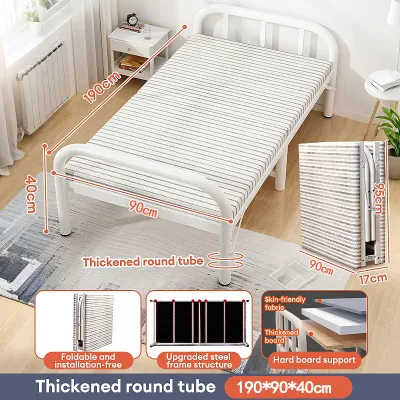

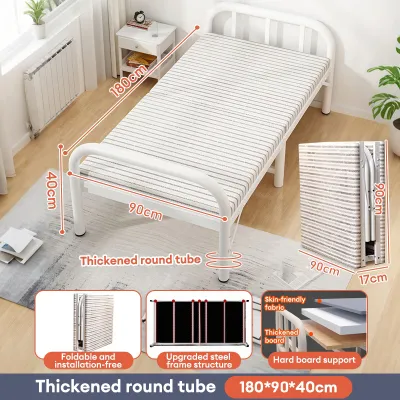
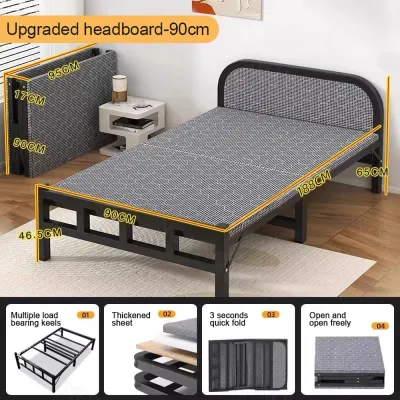
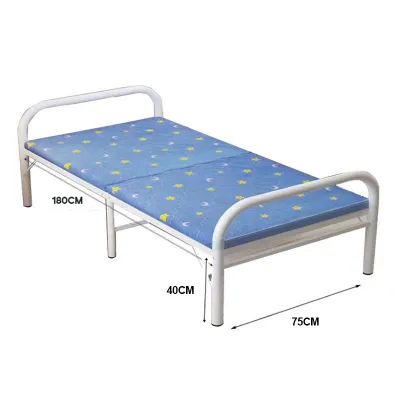
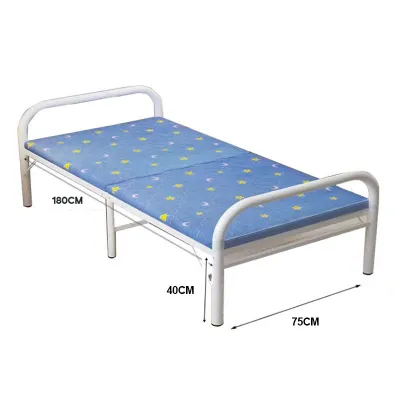
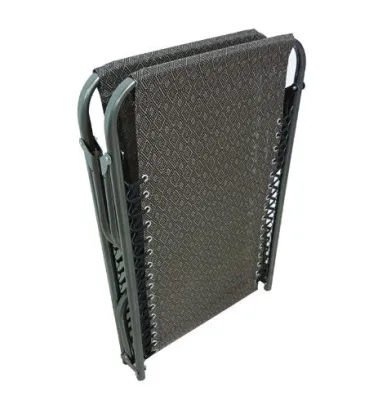
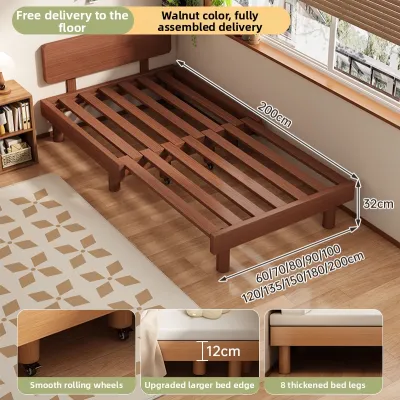
Prices are valid at publication and may change. Please refer to the product page for the latest price.
Key Selection Criteria for Small Condo Bedrooms
Selecting a foldable single bed frame for a tight condo layout requires evaluating several structural and practical features to ensure long-term usability and safety.
Mattress Compatibility The design of the folding frame directly dictates the type of mattress you can use, which ultimately determines your sleep quality. Low-profile bi-fold frames typically pair best with thin foam mattresses, which are highly flexible and easy to fold but offer limited pressure relief. Rollaway beds and cabinet beds can often accommodate slightly thicker foam or specialized pocket spring mattresses designed to bend without damaging the internal coils. Always check the manufacturer’s specifications regarding the maximum allowable mattress thickness and flexibility to prevent damage to both the mattress and the folding hinges.
Frame Material and Weight The choice of frame material affects the bed’s durability, weight, and ease of daily handling. Steel frames offer excellent structural integrity and weight capacity, but they can be heavy to lift and maneuver, especially for daily transitions. Aluminum frames provide a lighter alternative that is easier to fold and store, though they may feel less rigid under heavy loads. Engineered wood is commonly used in cabinet or wall-mounted beds to blend with existing furniture, but you must check the quality of the finish and joints to ensure they can withstand the high humidity levels typical of the Philippine climate.
Folding Mechanism and Effort The physical effort required to deploy and store the bed frame is a critical factor for daily usability. Look for frames equipped with smooth, heavy-duty hinges, secure locking pins, or gas-assisted pistons that minimize the lifting force required. A mechanism that is difficult to operate or prone to sticking will quickly become a hassle, discouraging you from folding the bed away. Additionally, inspect the design for safety features such as pinch guards to protect your fingers during operation.
Clearance and Footprint You must differentiate between the bed’s sleeping footprint when fully deployed and its storage footprint when folded. A single bed frame typically requires a clear floor area of approximately 90 centimeters by 190 centimeters when open. However, you must also account for the swing radius and clearance needed to unfold the bed safely without striking nearby walls, wardrobes, or electrical outlets. Measure the surrounding space carefully to ensure you can walk around the bed comfortably when it is fully extended.
Types of Foldable Single Bed Frames Based on Space Needs
Matching the design of a foldable bed frame to your room’s primary function is essential for maximizing your condo’s layout. Whether you need to transform a daytime home office into a cozy bedroom at night or simply want an extra sleeping surface for visiting relatives, understanding the distinct categories of foldable frames will help you make an informed decision.

Rollaway Beds with Wheels for Flexible Layouts
Rollaway folding beds are a classic solution for temporary sleeping arrangements, featuring a central hinge that allows the frame to fold in half vertically.
These frames are highly suitable for hosting occasional guests, as they can be easily rolled out of sight into a utility closet, laundry area, or a quiet corner of the room when not in use. The integrated wheels make transportation effortless across flat surfaces, eliminating the need for heavy lifting.
However, rollaway beds have distinct limitations, including a relatively large folded footprint that requires dedicated closet space. They also typically feature thinner, built-in mattresses with lower weight capacities compared to standard stationary bed frames.
When evaluating a rollaway bed, verify that the wheel casters feature reliable locks to prevent the bed from shifting during the night, and measure your closet height to ensure the folded frame fits comfortably inside.
Foldable Platform or Bi-Fold Beds for Occasional Guests
Foldable platform or bi-fold frames consist of two or more hinged panels that fold flat, often sitting low to the ground without a headboard or footboard.
These low-profile frames are suitable for minimalist condo spaces where under-bed storage is not a priority and a clean, modern aesthetic is preferred. Because they fold completely flat, they can often be slid under a main bed, placed behind a wardrobe, or stood upright against a wall behind a decorative screen.
The primary limitation of bi-fold platform beds is their low height, which requires you to bend down close to the floor to lie down and get up. They also lack built-in support structures like headboards, which can cause pillows to slide off the top of the bed during sleep.
Before purchasing, ensure the folding joints operate smoothly without catching, and keep your condo floors clean to prevent dust and grit from scratching the frame’s contact points.
Cabinet or Wall-Mounted Foldable Beds for Maximum Floor Space
Cabinet beds and wall-mounted Murphy beds are integrated furniture pieces that completely clear the floor area when stored, folding upright into a wooden cabinet or directly against the wall.
This style is highly suitable for studio condos or multi-purpose rooms where you need the entire floor space free during the day for work, exercise, or entertaining. When closed, the bed resembles a stylish wardrobe or sideboard, seamlessly blending into your living space.
The main trade-offs are the high installation requirements and the lack of portability. Wall-mounted beds require secure anchoring into solid concrete walls or heavy-duty studs, making them permanent fixtures that cannot be easily moved if you rearrange your room or relocate to a new condo.
Always confirm your condo association’s rules regarding drilling into structural walls before purchasing a wall-mounted frame, and verify the stability of freestanding cabinet designs to ensure they will not tip forward during deployment.
Pre-Purchase Checklist: Measuring and Verifying Your Space
To avoid delivery headaches and ensure your new foldable bed functions perfectly in your condo, follow this practical measurement and verification checklist before finalizing your purchase.
Doorway and Elevator Transit High-rise condominium buildings in the Philippines often feature narrow corridors, tight stairwells, and compact service elevators. Measure the height, width, and diagonal clearance of your building’s elevator doors, lobby entryways, and your unit’s front door. Ensure the packaged box or the folded frame can navigate these tight spaces and sharp hallway turns without scraping the walls or damaging the product.
Deployment Swing Radius Do not just measure the final sleeping footprint of the bed; map out the entire path the frame takes as it transitions from folded to unfolded. Use painter’s tape on the floor to mark the path of the bed’s outer edges during deployment. Verify that this swing radius clears nearby furniture, such as study desks, wardrobes, and nightstands, and does not block access to bathroom doors, balcony entryways, or emergency exit paths.
Storage Dimensions If you plan to store the folded bed inside a closet, under an existing bed, or in a utility niche, measure the storage space’s exact depth, height, and width. Compare these measurements against the manufacturer’s folded specifications, leaving at least a two-centimeter buffer on all sides to allow you to slide the frame in and out easily without scraping your hands or the storage walls.
Floor Surface Compatibility and Pricing Check the contact points of the bed frame—whether they are rubber feet, plastic caps, or metal wheels—to ensure they are compatible with your condo’s flooring material. Soft vinyl planks, laminate flooring, and engineered wood can scratch or dent easily under concentrated weight, so look for non-marking rubber casters or protective felt pads. Finally, compare current prices in ₱ across reputable e-commerce platforms and local furniture retailers, making sure to factor in delivery fees, assembly charges, and high-rise handling fees that may apply to bulky items.
Maintenance and Safety Tips for Foldable Mechanisms
Proper maintenance is essential to ensure the safety, stability, and longevity of your foldable single bed frame, especially if it undergoes frequent transitions.
Routine Inspection Establish a habit of inspecting your bed frame every few months. Check all structural hinges, locking pins, brackets, and wheel casters to ensure no screws have loosened due to the vibrations of folding and unfolding. Misaligned joints can put uneven stress on the frame, leading to structural bending or sudden failure during use.
Lubrication and Cleaning Dust, lint, and pet hair can accumulate in the moving joints and tracks of folding beds, causing friction and grinding noises. Vacuum the hinges and tracks regularly to keep them clear of debris. Refer to the manufacturer’s instruction manual to identify approved lubricants, such as silicone spray or light machine oil, to keep the metal joints operating smoothly and prevent rust in humid tropical environments.
Weight Limits and Usage Strictly adhere to the manufacturer’s stated weight capacity, which typically includes the combined weight of the sleeper and the mattress. Avoid jumping on the bed, sitting heavily on the outer edges of folding joints, or placing concentrated loads on the head or foot sections, as these actions can warp the metal or damage the locking mechanisms.
When to Stop and Consult If you notice that the folding mechanism has become difficult to operate, makes grinding or scraping noises, or fails to lock securely into the open or closed position, stop using the bed immediately. Do not attempt to force a jammed mechanism, as this can cause sudden snapping or structural damage. Consult the manufacturer’s customer service or hire a qualified furniture technician to inspect and repair the frame safely.
Frequently Asked Questions (FAQ)
Can I use a standard thick mattress on any foldable single bed frame?
No, most foldable single bed frames are designed to accommodate specific mattress thicknesses and flexibility levels. Standard thick spring mattresses are generally too rigid to fold and can damage the frame’s hinges or ruin the internal coils of the mattress itself. Always check the manufacturer’s maximum recommended mattress height and material guidelines before purchasing a separate mattress for your folding frame.
Are foldable bed frames safe for daily, long-term use?
Yes, but safety and durability depend heavily on the frame’s design and build quality. Heavy-duty cabinet beds and wall-mounted frames are specifically engineered with robust mechanisms to withstand daily transitions and provide stable support for long-term use. In contrast, lightweight rollaway beds and basic bi-fold frames are intended for temporary guest use, and daily folding will accelerate wear on their moving parts, requiring more frequent inspections and maintenance.
Do I need to secure a freestanding foldable cabinet bed to the wall?
While some cabinet beds are marketed as freestanding, anchoring them to the wall is highly recommended to prevent tipping hazards. When the bed is pulled down, the shifting center of gravity can cause a tall, unanchored cabinet to tip forward, posing a safety risk. Always check your condominium’s lease agreement or building guidelines regarding wall drilling and anchors before installing any tall or wall-mounted folding bed system.

Community discussion
Share your experience or ask a question. Comments are reviewed before publication.