
Finding a functional study table for student use in a cramped dormitory or shared bedroom requires balancing workspace utility with physical footprint. The ideal choice is not a universal model, but rather a design that matches your specific room layout, study habits, and housing rules. In high-density student housing, where every square inch of floor space is shared, a foldable desk offers the flexibility to transition a room from a dedicated study area to a comfortable living space. Selecting the right model involves evaluating how the desk folds, where it will be stored when not in use, and how well its materials withstand daily wear and local environmental factors like tropical humidity.
Assess Your Space and Workflow Needs
To find a practical study table for student needs, begin by analyzing your daily academic routine and the physical limits of your room. If your coursework is entirely digital, a compact surface that accommodates a laptop and a mouse is often sufficient. However, if your studies require open textbooks, physical notebooks, reference materials, or an external monitor, you will need a deeper and wider tabletop to avoid constant clutter. Attempting to study on a surface that is too small can lead to poor posture and decreased productivity, so estimating your minimum required workspace is a critical first step.
Once you know your workflow requirements, measure the designated area in your room with a physical tape measure rather than guessing. Note the dimensions of the floor space or wall area where the desk will stand, keeping in mind the height of nearby electrical outlets and window sills. It is essential to map out the walking paths around the desk to ensure that when it is fully deployed, you can still move freely without bumping into other furniture.
Products mentioned in this guide
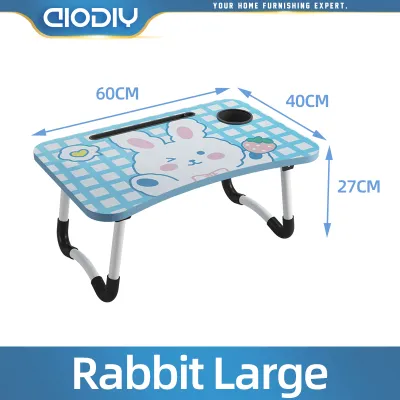
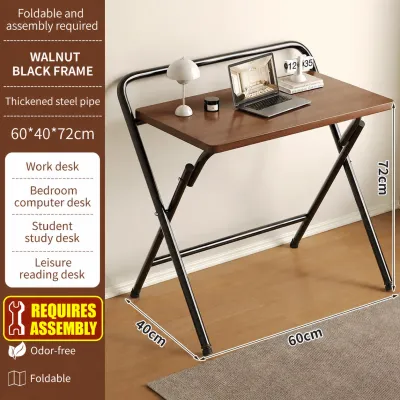
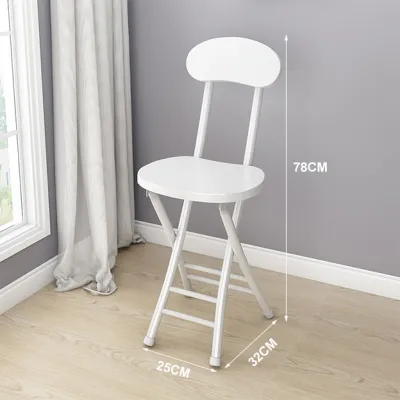
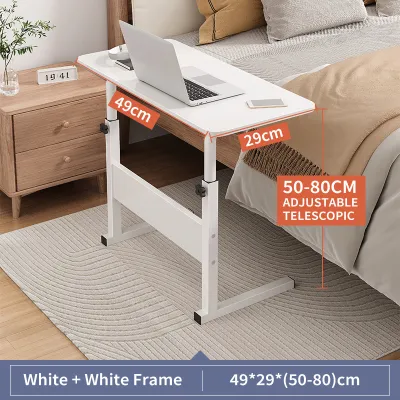
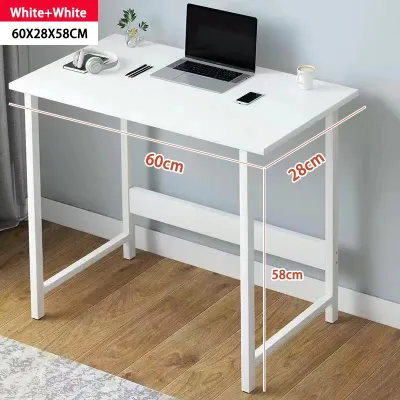
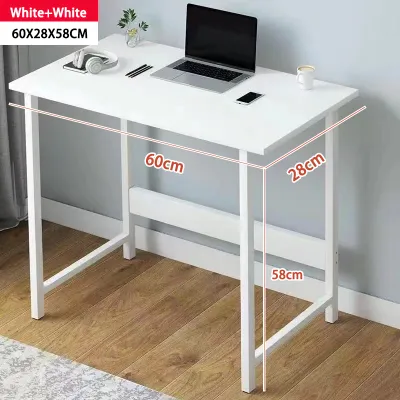
Prices are valid at publication and may change. Please refer to the product page for the latest price.
In shared bedrooms or dorms, your desk setup directly impacts your roommates. A desk that blocks access to a shared wardrobe, a bathroom door, or a common pathway can quickly cause friction. Discuss your plans with your roommates and look for a folding desk that can be tucked away easily during non-study hours, preserving the shared living space for everyone.
Compare Foldable Desk Types for Tight Spaces
Different room layouts and storage options call for distinct folding mechanisms. Understanding the primary categories of space-saving desks helps you choose a design that integrates seamlessly into your daily routine without causing physical strain or clutter.

Freestanding Folding Desks
Freestanding folding desks are highly versatile because they require no permanent installation and can be moved around the room as needed. When shopping for this type of study table for student use, always check the manufacturer’s specifications for the folded thickness. A desk that folds down to a slim profile can easily slide under a standard bed frame or fit inside a narrow closet when you need to clear the floor. Additionally, inspect the leg locking mechanisms and frame design in the product descriptions. Look for models with secure locking pins or latching braces that keep the legs firmly in place, as these features prevent the frame from shifting or folding unexpectedly while you are writing or typing.
Wall-Mounted Drop-Leaf Desks
Wall-mounted drop-leaf desks are excellent for preserving floor space because they mount directly to the wall and fold flat against it when closed. Before choosing this option, review your rental agreement or dormitory guidelines, as many student accommodations strictly prohibit drilling holes into walls. If drilling is permitted, you must verify the wall construction material; solid concrete walls provide excellent support for heavy-duty anchors, whereas thin partition walls require locating studs or using specialized hollow-wall anchors. Always check the manufacturer’s specifications for the bracket weight limits and hinge durability to ensure the desk can safely support your study materials without pulling away from the wall.
Over-Bed or Lap Desks
For students living in ultra-compact bedspaces where floor space is virtually non-existent, over-bed or lap desks provide a practical alternative. These compact surfaces allow you to study comfortably from your bed or a low floor cushion. When evaluating these models, look for adjustable height and tilt features that help you maintain an ergonomic posture, reducing neck and shoulder strain during long study sessions. It is also crucial to check the base width and leg clearance of the desk. Ensure the legs can span the width of your lap or fit securely over your mattress without tipping over on soft, uneven bedding.
Verify Stability, Weight Capacity, and Build Quality
A folding desk must be sturdy enough to support your essential study tools without shaking or flexing. Before making a purchase, calculate the total weight of your laptop, textbooks, desk lamp, and any external accessories you plan to use. Cross-reference this total with the manufacturer’s stated weight capacity to ensure a safe margin of safety. Keep in mind that dynamic forces, such as leaning your forearms on the desk while typing, add temporary weight that the structure must be able to handle.
To minimize distracting wobbles while typing, look for specific structural reinforcements in the desk’s design. Desks with built-in steel crossbars, triangular bracing, or wide base feet generally offer superior stability compared to models with simple vertical legs. If you are setting up the desk on tiled or uneven floors, look for models equipped with adjustable leveling feet, which allow you to compensate for minor floor imperfections.
In tropical climates with high humidity, material selection is critical for long-term durability. Many budget-friendly desks use engineered wood, such as medium-density fiberboard (MDF) or particleboard. If you select an engineered wood desk, inspect the product specifications to ensure it features high-quality edge banding and a moisture-resistant laminate or melamine finish. Unprotected edges can absorb moisture from the humid air or accidental spills, causing the wood fibers to swell, warp, and weaken over time.
Plan for Clearance and Daily Operation
A foldable desk is only useful if it is easy to deploy and pack away on a daily basis. Before deciding on a model, calculate the swing radius or unfolding footprint of the desk to ensure it does not collide with your bed, wardrobe doors, or entryways during setup. If the unfolding process requires you to rearrange other furniture every single day, the desk may become more of a hassle than a convenience.
You must also account for the clearance required for your study chair. Measure the distance between the underside of the desk frame and the floor to ensure your chair’s armrests and your knees can slide underneath comfortably. When the desk is fully expanded, there should still be enough space behind your chair for you to stand up and push the chair back without hitting a wall or another piece of furniture.
Finally, consider the physical effort and steps required to operate the folding mechanism. Heavy freestanding desks or complex wall-mounted models may require significant lifting or two-person assembly, which can be exhausting to manage twice a day. Opt for intuitive, lightweight mechanisms that allow you to set up and collapse your workspace in under a minute with minimal physical strain.
Frequently Asked Questions (FAQ)
Can I install a wall-mounted foldable desk in a rented dorm?
You must always consult your lease agreement or dormitory administrator before installing any wall-mounted furniture in the Philippines. Many student housing facilities have strict policies against drilling or driving screws into walls, and violating these rules can lead to a loss of your security deposit. If drilling is allowed, ensure you identify the wall type before installation. Solid concrete or hollow block walls require masonry drill bits and expansion anchors to hold the brackets securely, while drywall or partition walls require mounting directly into wooden or metal studs to prevent the desk from collapsing under load.
How do I prevent a freestanding folding desk from wobbling while typing?
To improve the stability of a freestanding folding desk, first check if the legs are equipped with adjustable leveling glides or threaded rubber feet, which can be turned to compensate for uneven floor tiles. If your desk lacks adjustable feet, placing a thin, non-slip rug or a firm rubber mat underneath the legs can absorb vibrations and level out the surface. Additionally, make it a habit to inspect the folding joints and hinge screws every few weeks. Regular use can cause these fasteners to loosen slightly, so tightening them with a screwdriver will quickly restore the desk’s structural rigidity.

Community discussion
Share your experience or ask a question. Comments are reviewed before publication.