
To survive the intense humidity, heavy downpours, and sudden temperature shifts of the Philippine rainy season, an outdoor folded table must be constructed from materials specifically engineered to resist moisture and oxidation. Selecting a table made of powder-coated aluminum, high-density polyethylene (HDPE), or thoroughly galvanized steel is the most effective way to prevent premature structural failure.
However, material choice is only the first step. To ensure your furniture lasts through years of wet weather, you must also evaluate the quality of the protective coatings, the design of the joints, and the durability of the folding hardware.
Quick Guide to Weather-Resistant Folded Tables
When shopping for a folded table that will spend time outdoors during the wet months, your first task is to inspect the manufacturer’s product specifications for explicit outdoor ratings. Look for labels indicating weather resistance, UV protection, and rust-inhibitive treatments.
Products mentioned in this guide
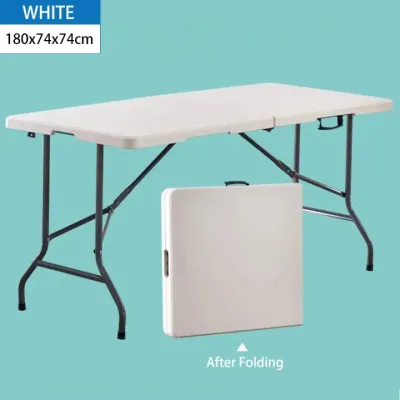
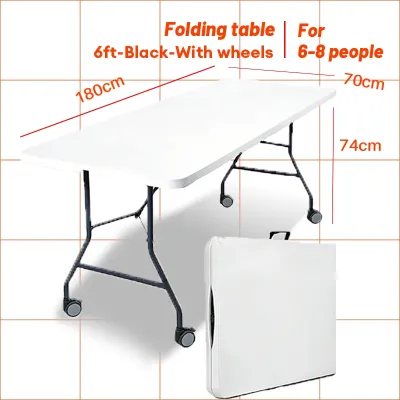
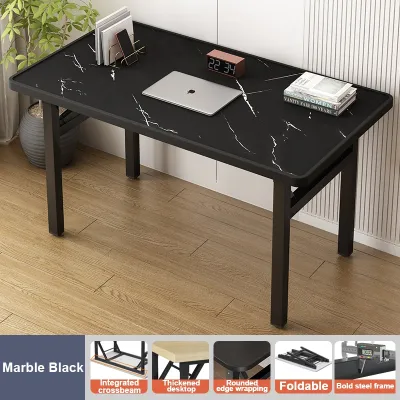
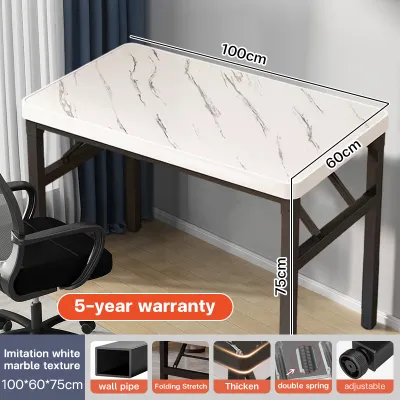
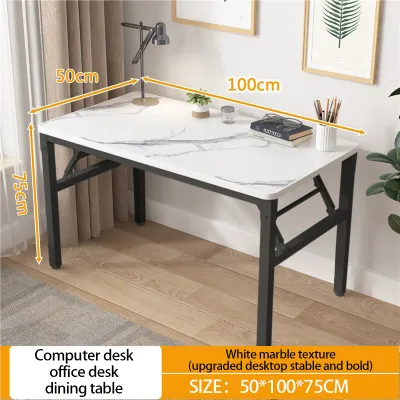
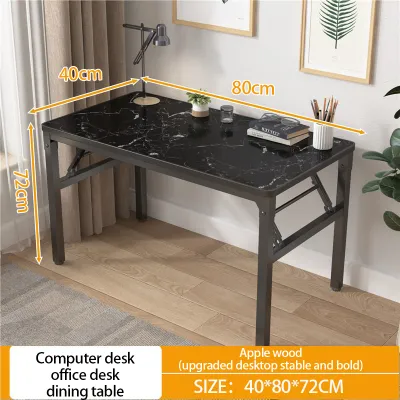
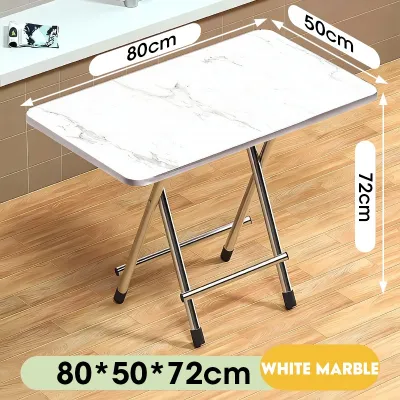
Prices are valid at publication and may change. Please refer to the product page for the latest price.
The most reliable material categories for wet environments include anodized or powder-coated metals and dense, non-porous plastics. These materials do not absorb water, which significantly reduces the risk of warping, rotting, or deep structural rust.
Keep in mind that no outdoor furniture is completely maintenance-free when exposed to prolonged tropical rains. Regular inspections, prompt cleaning, and proper storage remain essential to extending the lifespan of your table, regardless of its base materials.
How High Humidity and Rain Affect Outdoor Furniture
The combination of high relative humidity and frequent rainfall creates a harsh environment for outdoor furniture. When moisture sits on a surface for extended periods, it initiates chemical and biological processes that can quickly degrade low-quality materials.

For metals, constant exposure to water and oxygen leads to oxidation, commonly known as rust. This process does not just ruin the appearance of the table; it eats away at the structural integrity of the frame, eventually causing joints to snap or collapse under weight.
For organic or porous materials, trapped moisture creates a breeding ground for mold, mildew, and fungal rot. These organisms can stain surfaces permanently and weaken the internal fibers of wood or low-grade composites.
It is crucial to understand the distinction between water-resistant and waterproof claims on product packaging. Water-resistant tables can withstand occasional splashes or light drizzles but will eventually absorb moisture if left in standing water, whereas waterproof items are designed to completely block water penetration under specified conditions.
Always check the manufacturer’s documentation to verify the recommended operating environment. Some warranties are voided if the furniture is left uncovered in heavy rain or subjected to constant high-humidity conditions without regular maintenance.
Evaluating Common Materials for Wet Conditions
Choosing the right material requires looking beyond the surface aesthetics. You need to understand how different materials behave when wet and what specific manufacturing treatments are required to keep moisture out.
Aluminum and Coated Metal Frames
Aluminum is naturally resistant to red rust because it does not contain iron, making it an excellent choice for a humid climate. However, bare aluminum can still undergo surface oxidation and pitting when exposed to acidic rain or salty coastal air.
To ensure long-term durability, look for metal frames that feature a powder-coated or anodized finish. Powder coating applies a dry protective powder that is cured under heat to create a hard, continuous barrier against moisture, while anodizing thickens the natural oxide layer on the metal surface.
When inspecting a metal folded table, pay close attention to the welds and joints. Ensure that all connections are fully sealed and smooth, as tiny gaps or rough welds can trap water internally, leading to hidden corrosion that weakens the frame from the inside out.
Be aware of the risks associated with galvanic corrosion, which occurs when two dissimilar metals—such as steel screws in an aluminum frame—come into contact in the presence of moisture. Check that the manufacturer has used compatible hardware or non-conductive washers to isolate different metals at the pivot points.
High-Density Plastics and Resin Tabletops
High-density polyethylene (HDPE) and high-grade polypropylene are highly practical materials for outdoor tabletops because they are completely non-porous and impervious to water damage. They will not rot, swell, or harbor mold within their structure.
When evaluating plastic tables, verify that the material is labeled as UV-stabilized. Without UV inhibitors, prolonged exposure to intense tropical sunlight between rainstorms can cause the plastic to become brittle, crack, and lose its structural strength.
Examine the edges of the tabletop to ensure they are either completely seamless or sealed with a high-quality, watertight gasket. Poorly sealed edges allow rainwater to seep into the hollow core of the tabletop, creating a damp environment where mold can thrive undetected.
Additionally, look under the table to inspect the structural ribbing. A quality plastic folded table relies on a dense network of molded ribs on the underside to distribute weight evenly and prevent the tabletop from sagging or warping under the heat and weight of daily use.
Treated Steel and Wood-Alternative Composites
While steel is exceptionally strong and heavy enough to resist tipping in windy conditions, it is highly susceptible to rust if left unprotected. If you choose a steel-framed table, verify that it has undergone a hot-dip galvanization process or has been treated with a multi-layer rust-inhibitive primer before the final color coat is applied.
Wood-plastic composites (WPC) offer the warm appearance of wood without the high maintenance, but their performance in wet weather depends heavily on their composition. Look for composites with high plastic-to-wood ratios and robust edge banding that prevents moisture from reaching the organic wood fibers inside.
Always cross-reference the manufacturer’s care instructions to determine if the composite material can withstand standing water. Some lower-grade composites may swell or delaminate if water is allowed to pool on the surface for several days.
Critical Hardware and Structural Checks
The frame and tabletop may survive the rain, but a folded table is only as durable as its moving parts. The hinges, locking slides, and rivets are the most vulnerable components because they feature crevices where water easily accumulates.
Before purchasing, inspect these hardware pieces to confirm they are made from stainless steel or have been treated with a robust anti-corrosion coating. Brass, zinc-plated steel, or marine-grade stainless steel are preferred choices for hardware that must operate smoothly in wet conditions.
Check the design of the table feet and leg caps. The bottom of the legs should be sealed with durable rubber or plastic caps that prevent water from wicking up into the hollow metal tubes when the table is standing on wet grass, patio tiles, or damp ground.
Finally, test the folding mechanism yourself. The hinges should operate smoothly without grinding, and the locking rings or pins should engage securely. If the hardware feels stiff or shows signs of binding even when dry, it is highly likely to seize up once exposed to seasonal humidity.
Maintenance and Storage Practices for the Rainy Season
Even a highly weather-resistant folded table requires active care to survive consecutive months of heavy rain. Establishing a simple maintenance routine will protect your investment and keep the table looking clean.
Clean the table regularly using a soft cloth, mild dish soap, and clean water. Avoid using abrasive scrubbing pads, steel wool, or harsh chemical cleaners, as these can scratch or strip away the protective powder coating and UV-resistant finishes.
After a heavy downpour, or before folding the table for storage, make sure to dry it completely. Use a dry towel to wipe down the tabletop, frame, and especially the hinges and joints where water tends to pool and linger.
When the table is not in use, store it in a dry, elevated, and well-ventilated area, such as a covered patio, garage, or storage shed. If you must leave it outside, use a breathable furniture cover designed to let moisture escape; wrapping the table tightly in a sealed plastic tarp can trap humid air underneath, creating a greenhouse effect that accelerates rust and mold growth.
Frequently Asked Questions (FAQ)
Can I leave my folded table outside during a heavy typhoon?
No, you should not leave any folded table outside during a typhoon. Even if the materials are completely waterproof, extreme winds can easily lift, tip, or throw the table, causing severe structural damage to the frame or turning it into a dangerous projectile. Flying debris can also chip the protective powder coating on metal frames, exposing the underlying material to rapid rust. Always fold the table and secure it safely indoors or inside a sturdy storage area whenever local authorities issue severe weather or typhoon warnings.
How do I remove early signs of surface rust from metal hinges?
If you notice small spots of surface rust forming on the hinges or rivets, act quickly to prevent the oxidation from spreading deeper into the metal. Gently scrub the affected area using a soft-bristled brush or an old toothbrush dipped in a mild mixture of water and gentle soap. Avoid using harsh steel wire brushes, which can scratch the surrounding protective finish and make the metal more vulnerable to future rust. Once the spot is clean, dry the area thoroughly with a clean cloth, and consult the manufacturer’s care guide to see if applying a light, water-displacing lubricant is recommended for your specific model.
Is a folded table with a fabric top suitable for the rainy season?
Folded tables with fabric or canvas tops are generally not ideal for prolonged outdoor use during the rainy season. While many outdoor fabrics are treated with water-repellent coatings, constant exposure to heavy rain will eventually saturate the material, leading to sagging, water pooling, and rapid mildew growth. If you do use a fabric-topped table, you must dry it thoroughly after every wet spell and store it indoors when not in use. Always check the manufacturer’s instructions to see how often you need to reapply water-proofing sprays to maintain the fabric’s water resistance.

Community discussion
Share your experience or ask a question. Comments are reviewed before publication.