
To truly enjoy lounging outdoors, whether on a sunny lanai, beside a pool, or in a pocket garden, your setup requires a reliable surface within arm’s reach. A folding low table serves as an excellent companion to an outdoor lounger, providing a stable spot for a cold glass of calamansi juice, a book, or your phone. However, choosing the right one is not just about finding an attractive design; it requires a careful look at how the table’s height, material, folding mechanism, and surface area align with your specific lounging habits and local climate.
In tropical environments where high humidity, intense sunlight, and sudden downpours are common, a poorly matched table can quickly warp, rust, or become a hassle to move. By focusing on key physical dimensions, material specifications, and structural stability, you can select a table that enhances your relaxation space. This guide outlines the practical steps to evaluate these factors before making a purchase from an online marketplace or local furniture retailer.
How to Match Table Height and Reach to Your Lounger
To achieve maximum comfort, the height of your folding low table must correspond directly with the height of your lounger’s seating surface or armrest. If the table is too high, you will find yourself reaching upward awkwardly from a reclined position, which disrupts your relaxation. Conversely, if the table is too low, you may have to strain your back or lean uncomfortably far forward just to pick up a drink.
Products mentioned in this guide
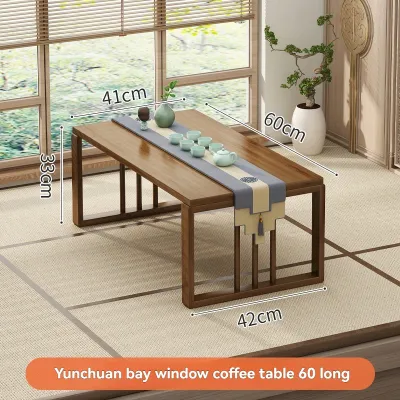
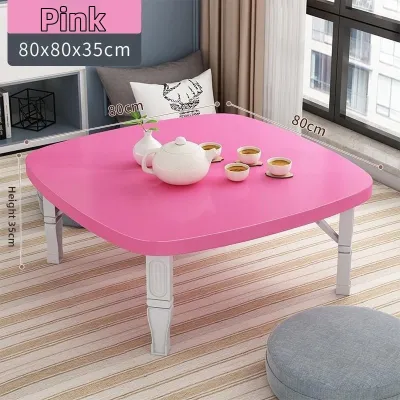
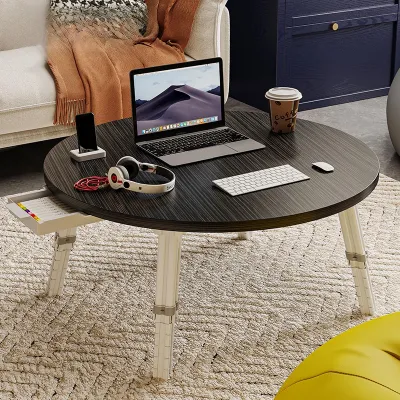
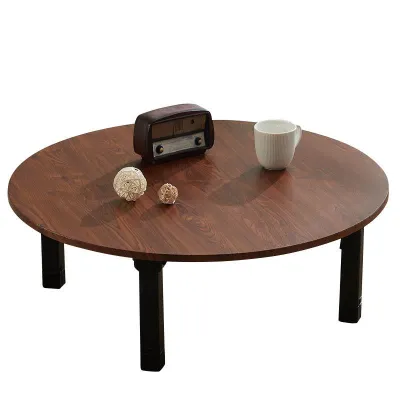
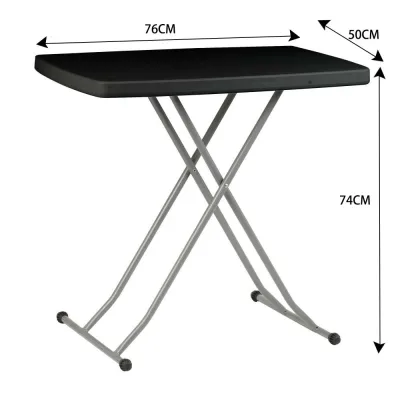
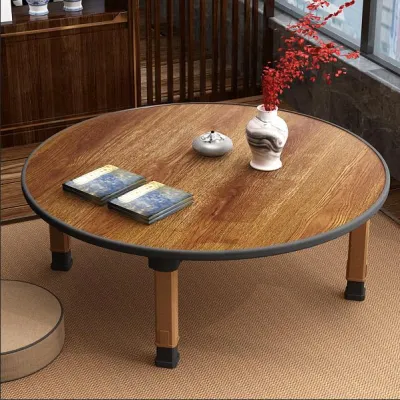
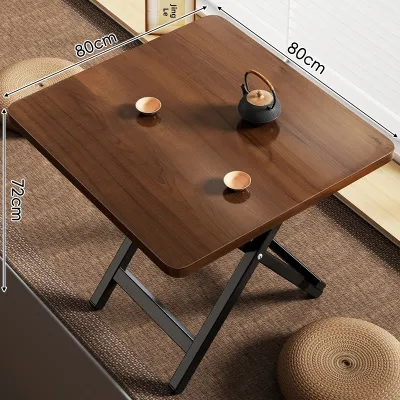
Prices are valid at publication and may change. Please refer to the product page for the latest price.
Begin by measuring your lounger while it is set to your preferred reclining angle. Use a tape measure to find the vertical distance from the ground to the top of the seat cushion, or to the top of the armrest if your lounger has one. Ideally, the tabletop should sit within five centimeters of this height. This alignment allows your arm to sweep naturally to the side to retrieve items without requiring you to sit up or shift your weight.
The style of the table also dictates how closely you can position it to your lounger. A standard freestanding low table sits entirely to the side, requiring sufficient clearance on the patio floor. If your outdoor space is narrow, such as a condominium balcony, a C-shaped table design might be more practical. These tables feature an offset base that slides underneath the frame of the lounger, bringing the tabletop directly over your lap or right next to your side without taking up extra floor width. Before choosing a C-style table, measure the clearance beneath your lounger to ensure the table’s base can slide under without scraping the frame.
Stability is another critical factor that is closely tied to table height. Low-profile tables naturally possess a lower center of gravity, making them highly stable compared to taller side tables. This stability is particularly beneficial if you plan to place the table on uneven outdoor surfaces such as grass, gravel, or slightly sloped garden soil. A lower table is less likely to tip over when bumped or when subjected to sudden gusts of wind, keeping your belongings safe.
How to Assess Materials and Weather Resistance
Outdoor furniture in tropical climates must withstand demanding environmental conditions, including intense UV exposure and heavy seasonal rainfall. Rather than assuming a table is weatherproof based solely on its material name, you must verify the manufacturer’s specific treatments and finishes. Look closely at product labels, online specifications, and care manuals for explicit terms such as “UV-stabilized,” “powder-coated,” or “rust-resistant.”

If you prefer the natural look of wood, look for dense hardwoods like teak or eucalyptus, which naturally contain protective oils. However, even these woods require regular maintenance to retain their color and structural integrity in high-humidity areas. Check if the manufacturer recommends periodic applications of outdoor wood oil or sealant. For synthetic options, high-density polyethylene (HDPE) or resin tables offer excellent moisture resistance and do not require staining, but you should verify that the material is UV-treated to prevent fading and cracking under intense sunlight.
Metal frames, such as aluminum or steel, are popular for folding designs due to their strength and lightweight properties. Aluminum is naturally resistant to rust, making it an excellent choice for coastal areas or humid poolside environments. Steel frames must be treated with a durable powder coating to prevent moisture from reaching the underlying metal. When inspecting a metal table, examine the joints, hinges, and screw holes, as these are the areas where protective coatings are most likely to chip or wear away, leaving the metal vulnerable to rust.
Surface finishes and hardware quality are just as important as the primary frame material. Look for stainless steel or brass hardware, which resists corrosion far better than standard plated steel. Inspect product images or physical floor models to ensure there are no deep recesses or flat joints where rainwater can pool. Poorly designed joints that trap water will accelerate material degradation, regardless of how weather-resistant the rest of the table is.
Evaluating Folding Mechanisms for Easy Storage
The primary benefit of a folding low table is its portability and ease of storage, but the folding mechanism itself must be both robust and safe to operate. A high-quality mechanism should glide smoothly without sticking, yet lock securely into place once the table is fully opened. Look for tables that feature integrated locking pins, sliding rings, or safety latches that prevent the legs from accidentally collapsing if the table is bumped or moved.
When evaluating the folding design, pay close attention to the hinges and pivot points. Poorly designed hinges can create pinch points that pose a safety hazard to your fingers during setup or teardown. High-quality manufacturers often design their folding joints with recessed hardware or protective guards to minimize this risk. Reading user feedback on online marketplaces can provide valuable insights into whether a specific folding mechanism is prone to jamming or loosening over time.
Storage convenience depends heavily on the table’s folded dimensions and weight. Measure your designated storage area—whether it is a garden shed, a garage shelf, a closet, or even the narrow space underneath your lounger—and compare these measurements to the product’s folded specifications. A table that folds completely flat is much easier to slide into tight spaces. Additionally, consider the weight of the table; a model that weighs between two and four kilograms is generally easy to carry without sacrificing structural stability.
If you plan to move your lounging setup frequently around your yard or take it on trips to the beach, look for practical portability features. Some folding low tables include built-in carrying handles, integrated shoulder straps, or dedicated storage bags. These features make transporting the table much more comfortable and protect the surface from scratches and dings during transport.
Sizing the Surface for Your Lounging Essentials
A folding table’s surface area must be large enough to hold your essential items without becoming cluttered, yet compact enough not to obstruct your movement around the lounger. To determine the ideal size, make a mental list of what you typically keep nearby while relaxing. A standard setup might include a large insulated tumbler, a smartphone, a pair of sunglasses, and a book or tablet.
For these basic items, a tabletop measuring approximately 40 by 40 centimeters is usually sufficient. If you plan to share the table with a partner or use it to hold larger items like a serving platter, a full pitcher of water, or a laptop, you will need a larger surface, such as 50 by 50 centimeters or a rectangular design. Be careful not to choose a table so large that it dominates your outdoor space or makes it difficult to get in and out of your lounger.
Equally important is the manufacturer’s stated weight capacity. While a side table is not meant to support heavy loads, it must be strong enough to handle the weight of your items without bowing or wobbling. A safe weight capacity for a small folding low table is typically between 10 and 15 kilograms. Verifying this specification ensures the table can support a heavy ceramic mug or a full pitcher without structural failure.
Finally, consider the design of the tabletop surface. A completely smooth, glossy surface can be slippery, especially when wet from condensation or rain. Tables with textured surfaces, slatted tops that allow water to drain, or raised outer edges are highly practical for outdoor use. A raised lip or rim is particularly useful for preventing round items, like pens or cups, from rolling off the edge if the table is positioned on a slight incline.
A Pre-Purchase Checklist for Your Folding Low Table
Before finalizing your purchase from an online marketplace or local home improvement store, take a few minutes to run through this practical checklist. This step ensures that the table you choose will fit your space, withstand your local climate, and provide a stable surface for your outdoor lounging needs.
- Measure the Heights: Confirm that the table's unfolded height is within five centimeters of your lounger's seat or armrest height for comfortable, strain-free reaching.
- Check the Clearance: If choosing a C-table design, measure the vertical clearance under your lounger to ensure the table's base can slide underneath smoothly.
- Verify Folded Dimensions: Compare the table's folded measurements against your available storage space in your shed, garage, or closet.
- Review Material Specifications: Look for explicit manufacturer claims regarding UV resistance, rust-proofing, and water tolerance, especially for metal and synthetic materials.
- Confirm Weight Capacity: Ensure the table's rated weight limit accommodates your typical lounging items, aiming for a capacity of at least 10 kilograms.
- Inspect the Hardware: Verify that the hinges, screws, and locking mechanisms are made of corrosion-resistant materials like stainless steel or brass.
- Read the Return Policy: Check the retailer's return and exchange policies, as well as the manufacturer's warranty terms, in case the table does not meet your stability expectations on your specific outdoor flooring.
Frequently Asked Questions (FAQ)
Can I leave a folding low table outside all year round?
Whether you can leave a folding low table outside continuously depends entirely on the specific materials used and the manufacturer’s explicit weather-rating guidelines. Even high-quality outdoor materials can degrade over time when subjected to constant tropical sun, high humidity, and heavy seasonal rains. To maximize the lifespan of your table, it is highly recommended to fold and store it in a dry, sheltered place like a shed or garage when it is not in use for extended periods. If storage space is limited, investing in a heavy-duty, waterproof furniture cover can help protect the table’s surface and hardware from premature wear and rust.
How do I prevent a low folding table from tipping on grass?
To improve the stability of a folding low table on uneven surfaces like grass or gravel, look for designs that feature a wider leg stance, cross-bracing, or individually adjustable foot caps. If the ground is particularly soft or sloped, placing a solid, flat barrier underneath the table legs can prevent them from sinking or wobbling. A simple patio paver, a flat deck board, or a heavy-duty outdoor rug can provide a stable foundation. Avoid making any permanent DIY modifications to the table’s legs or frame, such as cutting or drilling, as this can compromise the structural integrity of the folding mechanism and will void the manufacturer’s warranty.

Community discussion
Share your experience or ask a question. Comments are reviewed before publication.