
A well-organized home office or study room relies on efficient storage that keeps essential items within reach without cluttering the desk. Installing a hanging shelf for wall mounting is a practical way to store books, documents, and daily supplies while maximizing vertical space. In the Philippines, where residential spaces range from compact condominiums to traditional concrete homes, utilizing vertical wall space is crucial for maintaining an orderly and productive work environment. Choosing the right shelving solution requires balancing structural integrity, material durability under tropical conditions, and ergonomic placement.
Before purchasing any wall shelf, it is essential to evaluate your specific storage needs, your wall structure, and the layout of your workspace. This guide outlines the critical selection criteria, installation requirements, and layout strategies to help you choose and set up the right shelving solution for your workspace.
Key Selection Criteria for Home Office Hanging Shelves
Selecting a hanging shelf for wall installation requires a clear understanding of what you intend to store. Home office items vary significantly in weight and size, meaning a shelf designed for light decorative items will quickly fail if loaded with heavy reference books or binders. You must evaluate the physical dimensions, material composition, and safety features of any shelf before making a purchase.
Products mentioned in this guide
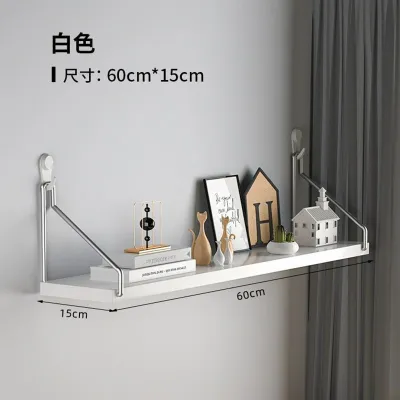
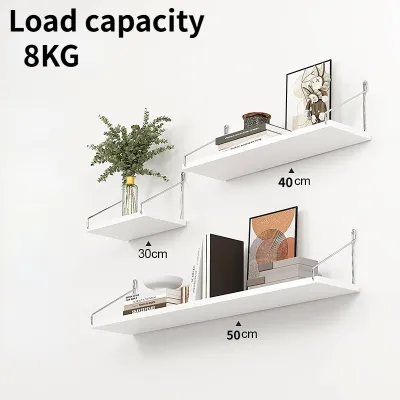
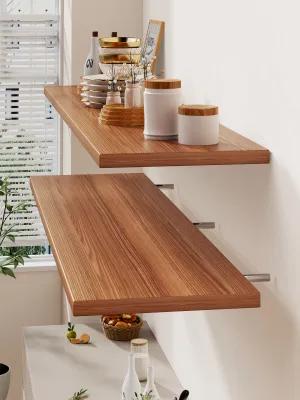
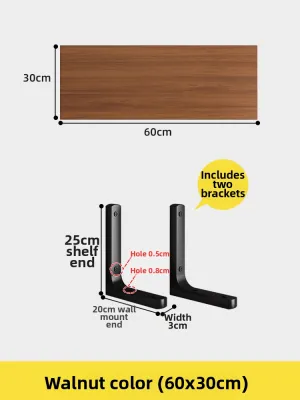
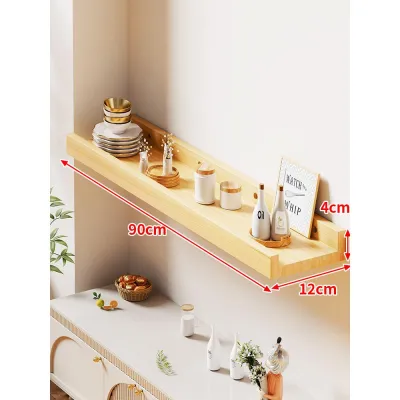
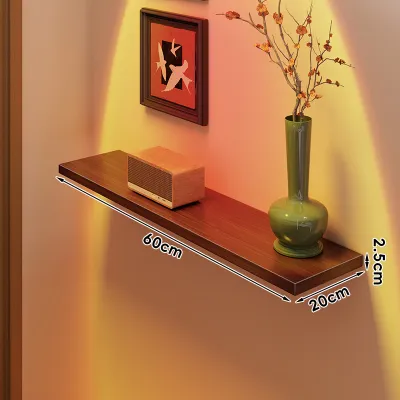
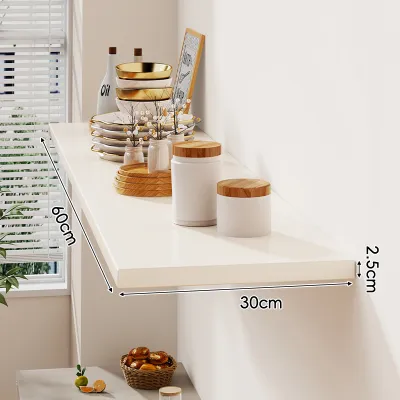
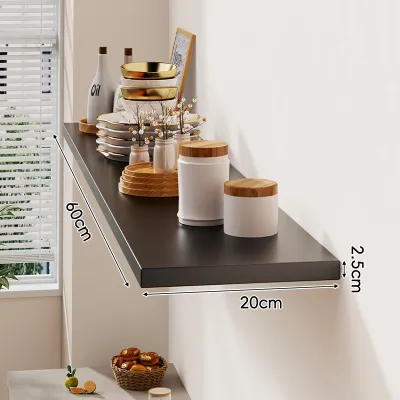
Prices are valid at publication and may change. Please refer to the product page for the latest price.
First, consider the depth and horizontal dimensions of the shelf. Standard novels and small notebooks typically require a shelf depth of at least 20 centimeters, while larger office binders, textbooks, and storage boxes need a depth of 30 centimeters or more. Ensure you measure the items you plan to store and compare them against the product specifications. Choosing a shelf that is too narrow will cause items to overhang precariously, while a shelf that is too deep can create excessive leverage, putting unnecessary strain on the wall anchors and brackets.
Material selection is another critical factor, particularly in the humid tropical climate of the Philippines. Wood and engineered wood are popular choices, but they require specific checks. If you select medium-density fiberboard (MDF) or particle board, verify that the surface is fully sealed with a high-quality laminate or melamine veneer. Unsealed engineered wood can absorb moisture from the air, leading to swelling, warping, and structural degradation over time. For solid wood shelves, look for protective polyurethane or varnish finishes that seal the wood grain against humidity and spills. Metal shelves should feature powder-coated or rust-resistant finishes to prevent corrosion in humid environments.
Finally, pay close attention to safety features such as edge profiles and raised borders. Shelves with a raised front lip, side panels, or a three-sided border are highly beneficial in a study environment. These design elements prevent round stationery items, such as pens, markers, and rolls of tape, from rolling off the edge. They also secure loose documents and folders that might otherwise slip off when you are reaching for adjacent items. If you plan to place the shelf directly above your desk or seating area, these protective borders provide peace of mind by keeping your workspace safe from falling objects.
Evaluating Wall Compatibility and Installation Requirements
No matter how durable a shelf is, its safety and weight capacity ultimately depend on the wall it is mounted to and the hardware used to secure it. Before buying a hanging shelf for wall mounting, you must identify your wall type and ensure you have the correct tools and installation environment.

In the Philippines, residential walls are commonly constructed from solid concrete, hollow concrete blocks, or drywall partitions. Solid concrete and masonry walls offer excellent load-bearing capacity but require specialized installation. To mount a shelf on concrete, you must use a hammer drill, masonry drill bits, and plastic wall plugs or metal expansion shields. Drywall or gypsum board partitions, often found in newer condominium units and office renovations, have much lower load capacities. For drywall, you must locate the wooden or metal studs behind the wall using a stud finder and screw the brackets directly into them. If mounting between studs is unavoidable, you must use heavy-duty toggle bolts or hollow-wall anchors; standard plastic plugs will easily pull out of drywall under weight.
Before drilling any holes, it is vital to check for hidden utilities. Electrical conduits, internet cables, and water pipes are often embedded within residential walls. Drilling into an electrical wire can cause severe injury or power failure, while puncturing a water pipe can lead to costly water damage. Use a multi-scanner or stud finder with live wire and metal detection capabilities to scan the target area. If you are mounting a shelf on a wall shared with a bathroom or kitchen, exercise extreme caution, as plumbing lines are highly likely to run through these structures.
Always review the manufacturer’s product manual to verify the required tools, clearances, and assembly conditions. A standard installation typically requires a power drill, a bubble level to ensure the shelf is perfectly horizontal, a measuring tape, a pencil for marking drill points, and a screwdriver. Ensure you have sufficient physical clearance around the installation site to operate your tools safely. If the product manual specifies complex assembly or requires specialized mounting brackets that you are unfamiliar with, take the time to familiarize yourself with the steps before beginning.
Knowing when to stop and consult a professional is crucial for home safety. If you encounter unexpected resistance while drilling, such as hitting hard steel rebar within a concrete wall, do not force the drill. If the wall material crumbles excessively, feels soft, or shows signs of moisture damage and cracking, halt the installation immediately. These conditions indicate compromised wall integrity. In such cases, or if you are simply unsure of your wall type and stud locations, it is best to hire a qualified local carpenter or handyman to complete the installation securely.
Recommended Shelf Types for Study and Work Setups
Different shelf designs offer distinct structural advantages depending on your storage needs. Understanding the primary categories of hanging shelves allows you to match the right design to the specific items you need to organize in your home office.
Floating Shelves for Books and Documents
Floating shelves are characterized by their clean, minimalist appearance, as they use internal mounting brackets that are completely hidden inside the shelf body. This design is highly aesthetic and keeps your study room looking modern and uncluttered. However, because the support structure is concealed, floating shelves require precise installation and careful weight management.
When using floating shelves for heavy books, reference manuals, and document folders, you must verify the structural integrity of the internal bracket. Look for floating shelves that utilize a solid steel mounting bracket with multiple wall-fastening points. The steel rods that insert into the shelf must be thick and weld-secured to the mounting plate. Avoid cheap, lightweight floating shelves that rely on simple keyhole hangers on the back, as these are only suitable for light picture frames and cannot support the weight of books.
Vertical clearance is another important consideration. If you plan to store tall binders or box files, measure their height and ensure there is enough vertical space between the floating shelf and any structure above it. Additionally, check the visibility of the bracket from underneath. If the shelf is mounted high on the wall, a poorly designed bracket might be visible from your seated position, detracting from the clean look.
Keep in mind the physical limitations of floating shelves. Because they lack external diagonal support brackets, they are susceptible to sagging or bowing if overloaded. The risk of bowing increases with the length of the shelf. If you need to store a large volume of heavy books, it is wiser to choose shorter, individual floating shelves mounted in a staggered pattern, or opt for shelves supported by visible, heavy-duty L-brackets that distribute the weight more effectively.
Suspended Rope or Wire Shelves for Light Supplies
Suspended shelves, which hang from the wall or ceiling using ropes, leather straps, or metal wires, offer a rustic or industrial aesthetic. These shelves are excellent for adding character to a study room, but their unique construction means they are best suited for specific, lightweight storage applications.
Stability is the primary concern with suspended shelves. Because they hang from cords or wires, they are prone to swaying or tilting when you reach for items. To ensure safety, look for models that feature anti-sway mechanisms, such as rear wall-anchoring loops that pin the shelves flat against the wall surface. Avoid placing fragile items, open liquid containers, or heavy electronics on suspended shelves, as a sudden bump can cause the shelf to swing and spill its contents.
Many suspended shelves offer adjustability features, allowing you to customize the height of individual tiers by adjusting knots or metal clamps along the rope or wire. This flexibility is highly useful for organizing changing assortments of light office supplies, such as notebooks, stationery organizers, small potted plants, and decorative items.
Always adhere strictly to the manufacturer’s weight restrictions for suspended models. Because the entire load is concentrated on a few hanging points, overloading these shelves can cause the ropes to stretch, the knots to slip, or the wall hooks to pull out. Keep the contents limited to light, frequently accessed items that do not pose a hazard if the shelf experiences minor movement.
Space Planning and Layout Considerations
An effective home office layout prioritizes ergonomics and workflow efficiency. When planning where to mount your hanging shelf for wall use, you must carefully map out your wall space to ensure the shelves integrate seamlessly with your existing furniture and daily routines.
Start by measuring the vertical and horizontal clearance around your desk setup. If you work with a desktop computer or multiple monitors, ensure the lowest shelf is positioned high enough to clear the top of your screens, including any mounted webcams or screen light bars. You should also measure the clearance above your reading chair. If a shelf is mounted too low or projects too far outward in a high-traffic area, you run the risk of bumping your head when standing up or sitting down.
Next, identify potential environmental obstructions within the room. In Philippine homes, wall space is often shared with split-type air conditioners, window-type AC units, wall-mounted electric fans, and window treatments like curtains or blinds. Ensure your shelf placement does not block the airflow from your cooling units, as this can reduce their efficiency and cause dust to accumulate rapidly on your shelves. Keep shelves clear of the swing path of doors, wardrobe panels, and window frames. Additionally, avoid mounting shelves directly in front of or close to ceiling fans, as the constant air movement can rust metal components over time or blow loose papers off the shelves.
Ergonomic reach is a vital aspect of workspace design. Divide your storage into zones based on frequency of use. Items you use constantly throughout the workday—such as notebooks, reference guides, and daily stationery—should be placed within your “easy reach zone.” This zone is typically at shoulder height when standing, or within an easy arm’s reach while seated, eliminating the need to stretch, bend, or stand up repeatedly. Higher shelves, which require standing or using a step stool to access, should be reserved for archival documents, seasonal supplies, or decorative items that you do not need on a daily basis.
Maintenance and Load Management
Proper maintenance and load management are essential for extending the lifespan of your hanging shelves and ensuring the ongoing safety of your home office. Even a professionally installed shelf can fail over time if it is subjected to improper loading or neglected maintenance.
When loading your shelves, always practice smart weight distribution. Place your heaviest items, such as thick reference books, heavy binders, and storage boxes, closest to the wall brackets or anchors. This minimizes the leverage and bending force exerted on the shelf board and the wall fasteners. Distribute lighter items, such as stationery holders and small notebooks, toward the outer edges and the center of the shelf span. Never concentrate all the weight in a single spot, as this can cause localized bowing or crack the shelf material.
Establish a routine inspection schedule to check the structural integrity of your shelving. Every few months, take a moment to examine the connection points. Look closely for any gaps opening between the back of the shelf or bracket and the wall surface, which is a primary sign of wall anchor pull-out. Check for loose screws, wobbling brackets, or any visible sagging along the length of the shelf board. In humid tropical environments, inspect metal brackets for early signs of rust and wooden shelves for mold growth or soft spots. If you detect any structural compromise, unload the shelf immediately to prevent a sudden collapse.
Cleaning your shelves should be done in accordance with the manufacturer’s surface care instructions. For most laminated, veneered, or powder-coated shelves, a regular dusting with a dry microfiber cloth is sufficient. To remove stubborn dirt or coffee ring stains, use a slightly damp cloth with a mild, non-abrasive soap solution, and dry the surface immediately afterward with a clean towel. Avoid using harsh chemical cleaners, bleach, or abrasive scrubbing pads, as these can strip away protective varnishes, scratch laminates, and expose the underlying wood or metal to moisture and decay.
Frequently Asked Questions (FAQ)
How do I determine the maximum load capacity for my wall? (FAQ)
To find the true weight limit for your shelving setup, you must cross-reference the shelf manufacturer’s specifications with the load ratings provided on your wall anchor packaging. The safe load capacity is always dictated by the lowest weight rating among the components involved: the shelf itself, the brackets, the wall anchors, and the wall material. For example, if your floating shelf is rated to hold 15 kilograms, but your drywall anchors are only rated for 10 kilograms, your safe limit is 10 kilograms. Always err on the side of caution and keep your actual load well below this maximum limit to account for dynamic forces, such as the impact of placing a heavy book down quickly.
What should I do if the shelf starts to pull away from the wall? (FAQ)
If you notice a gap forming between the shelf bracket and the wall, or if the shelf begins to tilt downward, you must act immediately to prevent a complete collapse. First, carefully remove all items from the shelf to eliminate the load. Once cleared, inspect the wall anchors and the surrounding wall material. If the anchors have loosened or the concrete or drywall around them has cracked and crumbled, the installation is compromised. You must unscrew the brackets, patch the damaged wall section, and reinstall the shelf in a new location using fresh, appropriate hardware. If you are unsure how to repair the wall or secure the brackets properly, consult a qualified professional carpenter to reinstall the system.

Community discussion
Share your experience or ask a question. Comments are reviewed before publication.