
Selecting the right hanging wall shelf organizers for a Filipino sala (living room) involves finding units that match the structural capacity of your walls, withstand local humidity, and balance open display with practical storage. In many Filipino homes, the sala is a high-traffic, multi-functional space where families gather, display cherished memorabilia, and store everyday items. Choosing the right organizer requires looking beyond aesthetics to evaluate wall construction, material finishes, and mounting hardware.
High humidity levels in the Philippines can affect wood and metal components over time, making surface treatments and proper installation critical. By selecting the right shelf style—whether minimalist floating shelves, tiered ladder units, or modular cubbies—you can maximize vertical space, keep floor areas clear, and create an organized, welcoming environment for guests and family alike.
Assessing Your Sala Space and Wall Conditions
Before purchasing any hanging wall shelf organizer for sala use, precise measurements are essential. Use a reliable tape measure to map out the exact width and height of your target wall. Be sure to account for clearance around existing furniture like sofas, television consoles, and side tables. In Filipino homes, it is also crucial to consider the sweep of ceiling fans, the drape of window treatments, and the airflow from wall-mounted air conditioning units to prevent physical obstructions or constant dust accumulation.
Products mentioned in this guide
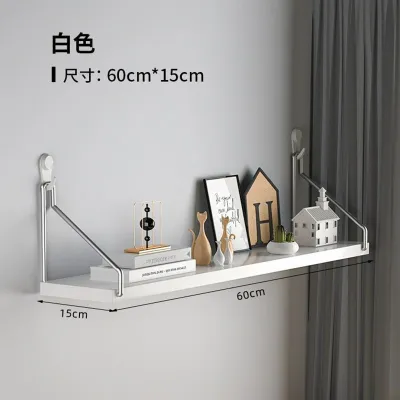
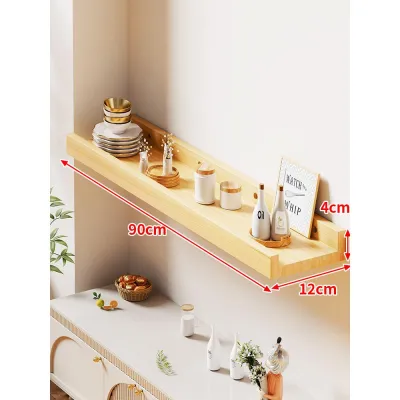
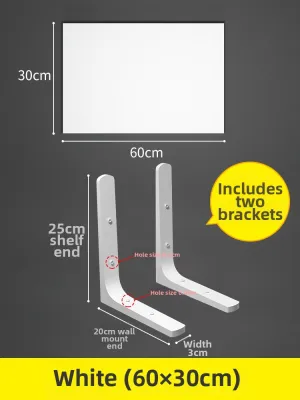
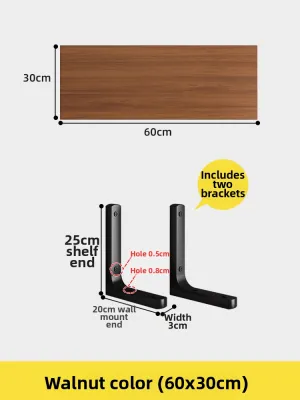
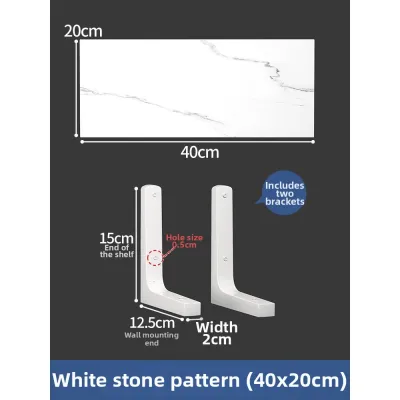
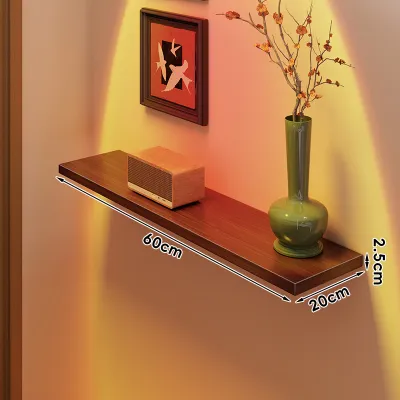
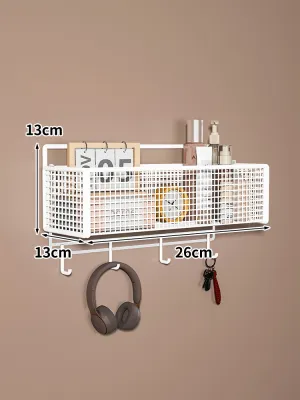
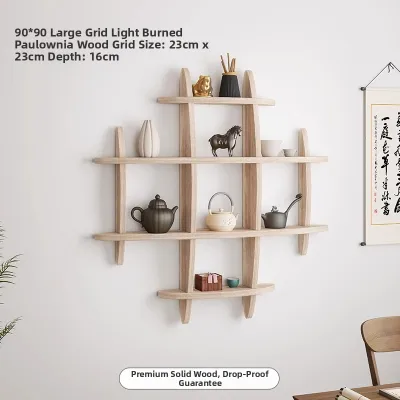
Prices are valid at publication and may change. Please refer to the product page for the latest price.
Next, determine the composition of your wall. Most residential walls in the Philippines are constructed from concrete hollow blocks finished with plaster, though some interior partitions use drywall or wood panels over studs. Knocking gently on the wall can help you identify hollow areas versus solid studs or masonry. Knowing your wall type is the only way to select the correct anchors and drill bits, as standard plastic plugs will not hold securely in hollow drywall or crumbling plaster.
Finally, perform a safety check for hidden utilities. Avoid drilling directly above or below light switches, electrical outlets, or near areas where plumbing pipes run, such as walls shared with a bathroom or kitchen. If you are unsure about what lies behind the plaster, using a handheld stud finder with live-wire detection can prevent costly and dangerous accidents during installation.
Shelf Styles That Fit Living Room Needs
Wall organizers come in several distinct configurations, each offering unique advantages for organizing a busy living room. The right choice depends on whether you want to showcase decorative items, store heavy books, or create a flexible system that can grow with your family’s needs. Matching the shelf style to your specific storage challenges ensures your sala remains both functional and visually uncluttered.

Floating Shelves for Minimalist Displays
Floating shelves offer a sleek, modern aesthetic by hiding all mounting brackets inside the shelf body itself. This design creates clean lines and leaves the wall space underneath completely unobstructed, which helps smaller salas feel more open and airy. They are excellent for displaying lightweight items like framed family photos, small potted plants, or travel souvenirs.
When selecting floating shelves, inspect how the internal brackets attach to the shelf unit. A loose fit can cause the shelf to tilt forward over time. Additionally, check the surface finish of the shelf; smooth, non-porous laminates or sealed wood veneers are much easier to wipe down during routine dusting, preventing tropical humidity from turning settled dust into stubborn grime.
Ladder and Tiered Shelves for Vertical Storage
Ladder and tiered hanging shelves utilize vertical space efficiently by stacking multiple platforms on a single frame. Many of these designs feature varying shelf depths, with deeper shelves at the bottom for heavier items like books or storage baskets, and shallower shelves at the top for delicate decor and trailing indoor plants. This staggered arrangement keeps the unit from looking bulky or overwhelming the room.
Because these units carry more weight and extend further from the wall, verifying their mounting points is critical. Ensure the top brackets are securely anchored to the wall to prevent any forward tipping. Check the manufacturer’s instructions regarding structural stability requirements, especially if you plan to place heavier items on the upper tiers.
Grid and Cubby Organizers for Mixed Items
Grid and cubby organizers provide structured compartments that are perfect for sorting a mix of media, books, and decorative storage boxes. Many modular systems allow you to rearrange or expand the cubes over time, giving you the flexibility to adapt your storage as your household needs evolve. This makes them highly practical for growing families who need to keep toys, school supplies, and living room essentials organized in one place.
Before purchasing a modular grid system, carefully examine the interlocking mechanisms that hold the cubes together. Weak joints can lead to structural failure under load. It is also important to plan your weight distribution, placing heavier items in the center or lower compartments of the grid to prevent the overall assembly from sagging or pulling away from the wall anchors.
Material and Hardware Checks for Safe Installation
Safe installation begins with verifying the physical limits of your chosen shelf. Never estimate weight capacity based on how thick a shelf looks or the material name alone. Instead, read the manufacturer’s label or product specifications for the exact maximum load limits. Remember that this weight limit is only achievable if the shelf is mounted correctly to a compatible wall structure.
Do not rely blindly on the generic plastic wall plugs included in the packaging. Match your hardware to your specific wall type. For concrete hollow block walls common in many Filipino homes, you may need to purchase specialized masonry anchors or heavy-duty toggle bolts. If you are mounting onto drywall, ensure you use high-quality drywall anchors or screw directly into the wooden studs behind the panels.
Given the tropical climate of the Philippines, humidity is a constant factor. Inspect the shelf’s surface treatment and edge sealing before installation. Unsealed particle board or poorly laminated edges can absorb moisture from the air, leading to swelling, warping, or mold growth. Opt for shelves with complete edge banding and moisture-resistant coatings that can withstand routine wiping with a damp cloth.
Finally, assess the condition of your wall before drilling. If you notice signs of crumbling plaster, peeling paint from rising dampness, or structural cracks, stop the installation immediately. Mounting heavy shelves on compromised walls poses a serious safety hazard. Consult a qualified local contractor or professional handyman to repair the wall structure before proceeding with any shelving installation.
Planning Your Shelf Layout and Arrangement
To achieve a balanced and functional look, plan your layout before making any permanent changes to your wall. A practical method is to map out the shelf dimensions on the wall using painter’s tape or newspaper cutouts. This allows you to step back and visualize the final arrangement, adjust the heights, and ensure everything is level before drilling any holes.
When arranging items on your shelves, aim to balance visual weight. Place larger, heavier items like thick books or storage bins on the lower shelves or toward the center of the unit. Leave plenty of open, negative space around smaller decorative pieces to keep the display looking clean and breathable rather than cluttered.
Additionally, check that your planned layout does not interfere with the daily flow of your home. Ensure the shelves do not block natural light from windows, obstruct the airflow from air conditioning vents, or protrude into main walkways where family members might bump into them. Keeping these clearances clear maintains both safety and comfort in your sala.
Frequently Asked Questions (FAQ)
Can I install hanging shelves on hollow block walls?
Yes, you can install hanging shelves on concrete hollow block walls, but you must use the correct hardware. Standard plastic wall plugs may slip or fail inside the hollow cavities of the blocks. Instead, use specialized masonry anchors, sleeve anchors, or heavy-duty toggle bolts designed to expand and grip the hollow core of the block. Always check the manufacturer’s installation guide to verify if the shelf brackets are compatible with masonry mounting, and consult a professional installer if you are unsure about your wall’s load-bearing capacity.
How much weight can a typical floating shelf hold?
The weight capacity of a floating shelf varies widely and depends on several factors, including the shelf material, the design of the internal bracket, and the type of wall anchors used. A shelf mounted into solid concrete or wooden studs will support significantly more weight than one mounted into hollow drywall. To ensure safety, do not make assumptions about load capacity; instead, strictly follow the maximum load rating printed on the product packaging or detailed in the manufacturer’s official specifications.

Community discussion
Share your experience or ask a question. Comments are reviewed before publication.