
Selecting the ideal heavy duty folding table size for a small condo balcony bar depends on your balcony’s layout, but for most compact spaces, a narrow rectangular table measuring 120 cm in length by 40 to 50 cm in depth, or a compact square table of 60×60 cm, offers the best balance. These dimensions provide enough surface area for drinks, glassware, and small plates while preserving crucial walkway clearance. Because condo balconies in the Philippines are often narrow and exposed to intense tropical elements, choosing a size that allows for easy folding and storage is just as important as the table’s open footprint. Finding the right fit prevents your outdoor escape from feeling cramped while ensuring your setup remains stable during sudden weather changes.
Assess Your Balcony Clearance and Entertaining Needs
Before browsing online marketplaces or local furniture showrooms, you must determine the exact physical boundaries of your balcony. Grab a steel measuring tape and map out the total usable floor area. Do not just measure wall-to-wall; you must subtract the space required for door swing radiuses, permanently installed air conditioning condenser units, drainage outlets, and existing potted plants. A common mistake is buying a table that fits the raw floor dimensions but blocks the sliding door track or forces you to squeeze awkwardly past your outdoor seating.
Next, evaluate the vertical and structural boundaries of your space. Measure the height of your balcony railing, which typically stands between 110 cm and 120 cm in modern high-rise developments. Take note of any overhead obstructions, such as low-hanging beams, ceiling-mounted clothes drying racks, or balcony light fixtures that could interfere with taller bar chairs or a high-top table. These structural elements will dictate whether you can comfortably accommodate a standing-height bar or if a lower, standard-height setup is more practical.
Products mentioned in this guide
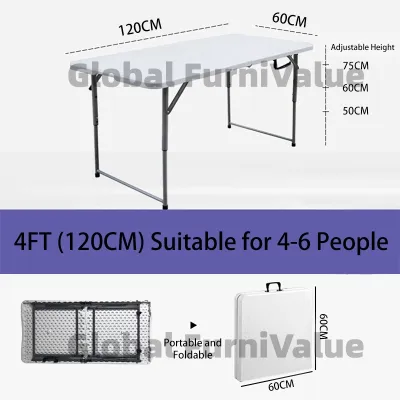
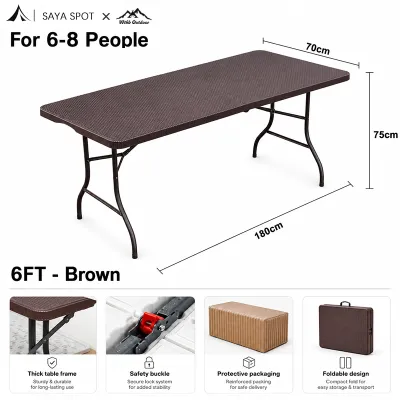
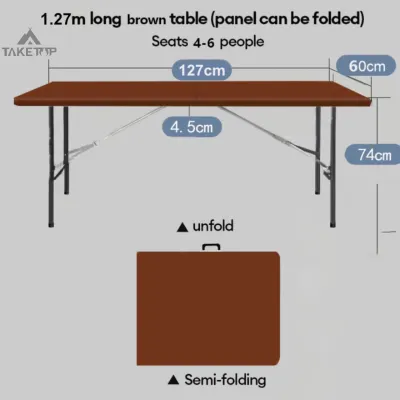
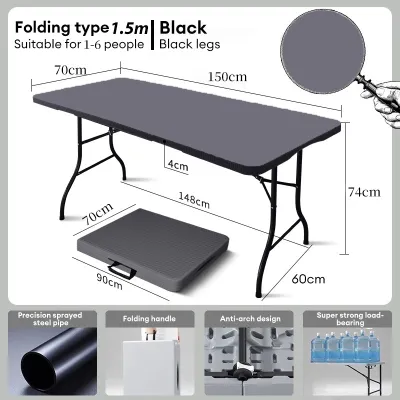
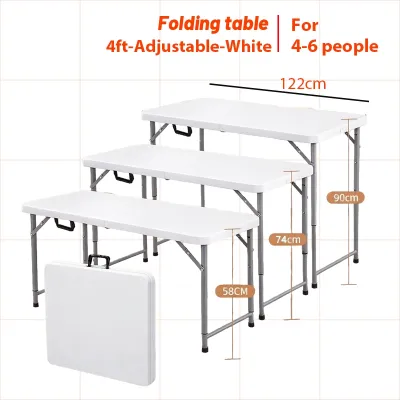
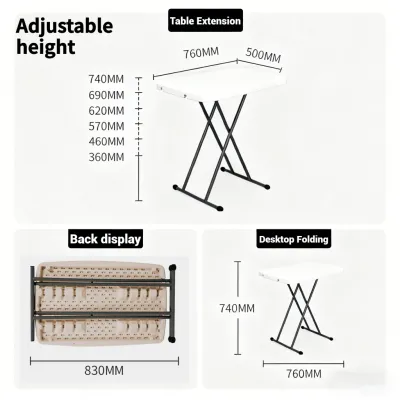
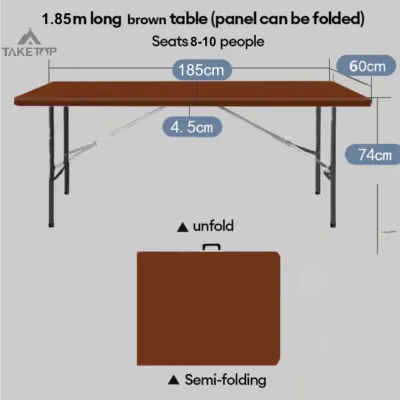
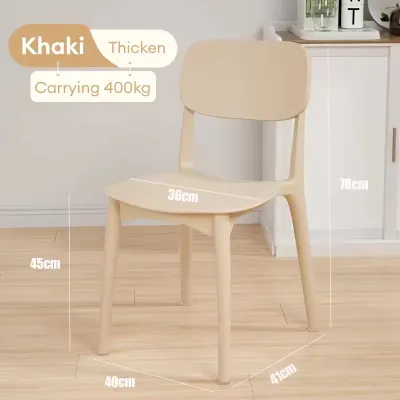
Prices are valid at publication and may change. Please refer to the product page for the latest price.
Your entertaining style also heavily influences the size of the table you need. If your primary goal is to host friends for sunset drinks where guests mostly stand, a narrow, high-top table that acts as a ledge is ideal. If you plan to use the table as a prep station for mixing cocktails or serving light meals, you will need a deeper surface to accommodate ice buckets, bottles, and serving platters. For intimate, seated dinners for two, a wider square or round table is necessary to provide enough legroom and space for place settings.
Finally, always consult your condominium’s Property Management Office (PMO) guidelines before finalizing your purchase. Many condo corporations in the Philippines enforce strict rules regarding balcony aesthetics, weight limits, and modifications. For instance, drilling into exterior walls to mount folding brackets is widely prohibited in high-rise buildings to protect the structural integrity and waterproofing of the facade. Understanding these limitations early will prevent costly compliance issues later.
Match Table Dimensions to Your Specific Balcony Layout
To create a functional and inviting balcony bar, you must match the table’s proportions to the physical shape of your outdoor space. A poorly sized table can make a small balcony feel claustrophobic, while a well-proportioned one enhances the indoor-outdoor flow of your condo.

Bar-Height vs. Standard-Height Configurations
Choosing between a bar-height table (typically 100 to 105 cm tall) and a standard-height table (around 75 cm tall) changes both the spatial dynamics and the visual appeal of your balcony. Bar-height tables are highly favored for small balconies because they align closely with the height of standard railings. This alignment allows you to look out over the city skyline or garden views without your line of sight being blocked by the metal or glass balustrade. Furthermore, high-top setups encourage a casual, standing-friendly lounge environment, which is perfect for hosting guests in tight quarters where bulky chairs are not practical.
Standard-height tables, on the other hand, are better suited for traditional, relaxed dining. They allow you to use low-profile outdoor chairs that can easily double as extra indoor seating when needed. However, standard seating requires a larger overall footprint because guests need more room to push back their chairs. When selecting your table, always check the manufacturer’s specification sheet for the exact height. If you plan to use stools, ensure there is a clear gap of 25 to 30 cm between the seat of the stool and the underside of the table to allow for comfortable leg clearance.
Length and Width Profiles for Narrow vs. Square Spaces
For long, narrow balconies—a common layout in many urban Philippine condos—a console-style rectangular table is the most efficient choice. A table with a length of 100 to 120 cm and a shallow depth of 40 to 45 cm can be pushed flush against the balcony railing or a blank wall. This narrow profile acts as a sleek bar ledge, leaving the central walkway completely clear for movement. It provides ample room for drinks and small plates without protruding into the limited floor space.
If your balcony is squarer or wider, a square folding table (such as 60×60 cm or 70×70 cm) or a small round table with a 60 cm diameter offers a more conversational layout. These shapes allow two to three people to sit facing each other, creating a cozy dining nook. Because these tables occupy more central floor space, they are best placed in a corner when not in use to keep the main pathway open.
To avoid costly purchasing mistakes, use painter’s tape or flat cardboard cutouts to mock up the table’s footprint on your balcony floor. Walk around the template, pull out imaginary chairs, and simulate opening your balcony doors. When reviewing product descriptions online, pay close attention to both the “open dimensions” and the “folded dimensions” to ensure the table is manageable in both states.
Compare Folding Mechanisms for Compact Storage
Because space is at a premium in a condo, how a table folds is just as important as how it stands. Different folding designs offer distinct advantages depending on your storage availability and how often you plan to put the table away.
- Center-Fold / Bi-Fold Tables: This is the most common design for utility tables. The tabletop folds in half, often featuring a built-in carrying handle. While highly portable and easy to set up, a folded bi-fold table remains a relatively thick, wide rectangle. You will need a dedicated closet space, a spot behind a wardrobe, or room under a bed to store it out of sight.
- Drop-Leaf / Gateleg Tables: These tables feature a fixed central section with one or two hinged panels (leaves) that fold down when not in use. This mechanism is incredibly versatile for balconies because you can raise only one leaf to create a ultra-narrow console against the wall for daily use, then raise both leaves when hosting guests. When using a single leaf, always check the stability of the support legs to ensure the table does not tip forward under weight.
- Wall-Mounted Folding Tables: For exceptionally small balconies, a wall-mounted drop-leaf table is the ultimate space-saver. It mounts directly to a solid wall and folds completely flat against the surface when closed, occupying zero floor space. However, this option requires a solid concrete wall for installation. Never attempt to mount these brackets to fragile glass panels, thin aluminum frames, or lightweight fiber-cement partition walls. Always verify the manufacturer's weight rating for both the brackets and the anchors.
Before purchasing, check the physical weight of the table listed in the product specifications. A truly robust, heavy-duty table can weigh anywhere from 8 to 15 kg. If you live alone or have limited lifting strength, a table that is too heavy will be difficult to fold and store regularly, defeating the purpose of its space-saving design.
Verify Heavy Duty Folding Table Stability and Weather Resistance
In the furniture market, the term “heavy duty” is frequently used as a generic marketing label. To ensure your heavy duty folding table can withstand both the physical demands of entertaining and the harsh Philippine climate, you must look closely at its structural specifications.
True heavy-duty stability comes from the engineering of the frame. Look for tables featuring powder-coated steel or thick-gauge aluminum frames rather than thin, hollow metal tubes. High-quality models will include cross-bracing between the legs, locking rings that slide over the hinge joints to prevent accidental folding, and non-slip rubber foot pads to keep the table from sliding on slick balcony tiles. A stable frame prevents the table from wobbling or tipping when guests lean against it or when heavy items are placed on one side.
Weight capacity is another critical indicator of structural integrity. A reliable balcony bar table should have a certified static weight capacity of at least 50 to 100 kg. This capacity ensures the table can easily support heavy glass bottles, ceramic platters, ice-filled coolers, and the accidental downward pressure of someone resting their elbows on the edge. Avoid products that do not specify a maximum load limit.
Furthermore, your table must be built to survive the tropical elements. Philippine balconies are subjected to intense UV exposure, high humidity, and heavy monsoon rains. If you choose a plastic tabletop, ensure it is made of UV-stabilized High-Density Polyethylene (HDPE), which resists cracking, fading, and warping under the sun. For metal components, look for multi-layer powder coating or rust-resistant treatments to prevent the humid air from corroding the joints. If you prefer wood, verify that it is an outdoor-rated hardwood like acacia or teak, pre-treated with protective oils. Avoid indoor folding tables made of untreated particleboard, MDF, or cheap laminates; these materials will swell, warp, and fall apart within weeks of exposure to outdoor humidity.
Avoid Common Sizing and Placement Mistakes
Setting up a balcony bar involves more than just finding a table that physically fits the space. Avoiding common layout and safety errors will keep your outdoor lounge safe, functional, and compliant with condo regulations.
- Blocking Emergency Egress: Never place your table or bar stools in a position that blocks the primary path to your balcony door or designated fire escape routes. In an emergency, you must be able to step onto and exit the balcony without navigating a maze of furniture.
- Ignoring Railing Clearances: Avoid pushing your table completely flush against glass railings or delicate metal balustrades. The constant physical contact, vibration from wind, or accidental bumps from guests can scratch the glass, chip the paint, or place dangerous lateral stress on the railing structure. Always leave a safety gap of at least 5 to 10 cm between the table frame and the railing.
- Overestimating Foldability: Do not buy a large, heavy table under the assumption that you will fold it up after every single use. If the folding process is too complex or the table is too heavy to lift comfortably, it will likely end up left open permanently, cluttering your small balcony and restricting your daily movement.
- Neglecting Wind Load: High-rise condo balconies are prone to strong wind tunnels, especially on upper floors during the monsoon season. Lightweight folding tables can easily slide or flip over, becoming dangerous projectiles. Always choose a table with a solid, heavy base, or ensure you have a designated indoor storage spot where you can safely stash the table before a storm arrives.
Frequently Asked Questions (FAQ)
How can I secure a folding table against strong winds on a high floor?
The safest practice is to fold the table and store it indoors or in a secure utility closet whenever high winds, heavy monsoons, or typhoons are forecasted. If the table must remain on the balcony, you can secure it by placing heavy, non-marring weights—such as specialized sandbags or rubber-coated canopy weights—directly over the lower cross-braces of the frame, ensuring you do not exceed the table’s weight limit. Never tie or chain your table directly to the balcony railings, as strong wind gusts can transfer excessive force to the balustrade, potentially damaging the building’s exterior or violating condo safety rules.
Do I need to treat a heavy duty folding table differently if my balcony is uncovered?
Yes, an uncovered balcony exposes your furniture to direct, intense sunlight and pooling rainwater, which significantly accelerates wear and tear. You should check the manufacturer’s care label for specific cleaning instructions and avoid using harsh chemical cleaners that can strip away protective UV or rust-resistant coatings. To prolong the lifespan of your table, wipe down the surface after every rain to prevent water from pooling on the joints, and invest in a high-quality, fitted, breathable outdoor furniture cover to protect the table when it is not in use.

Community discussion
Share your experience or ask a question. Comments are reviewed before publication.