
Finding the ideal heavy duty table for a small condo balcony requires balancing durability with spatial awareness. Since balcony dimensions and layouts vary widely, there is no single universal size that fits every space. Instead, determining the right dimensions involves measuring your usable footprint, accounting for seating clearance, and evaluating structural safety. This guide will help you calculate the ideal table size for a functional bar or lounge setup without overcrowding your outdoor area.
Measure Your Balcony and Calculate Usable Space
Before browsing online marketplaces for a heavy duty table, you must map out the physical boundaries of your balcony. Grab a tape measure and record the exact length and width of the floor space. Do not rely on the floor plan provided by your developer, as actual finished dimensions can vary slightly due to plastering, tiling, or structural pillars. Note any irregular angles, columns, or sloped floors designed for rainwater drainage, as these will affect how flat a heavy table sits.
Next, identify all fixed obstructions that project into the space. Air conditioning condenser units, thick concrete railings, and outdoor utility pipes can significantly reduce your usable area. Pay close attention to the swing path of your sliding glass door or screen doors. A table placed too close to these entryways can block access or lead to accidental collisions when stepping outside.
Products mentioned in this guide
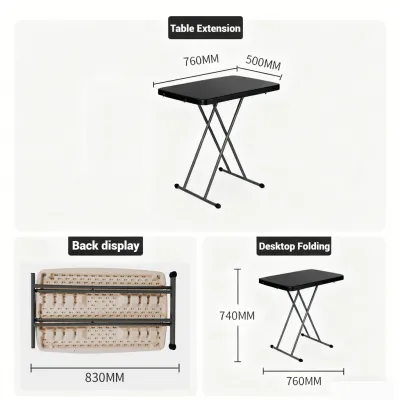
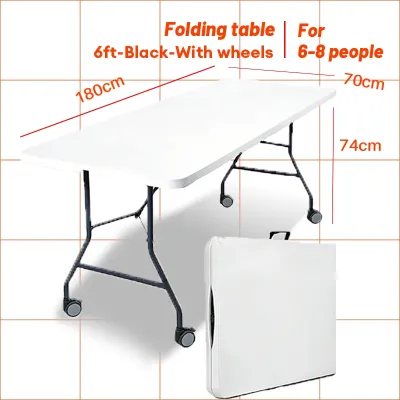
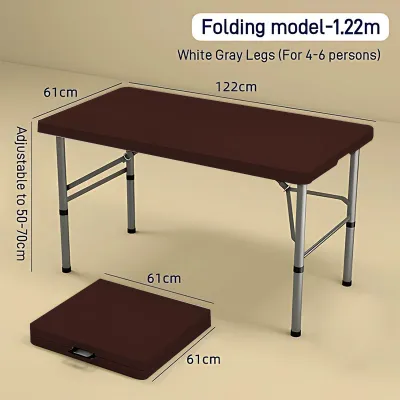
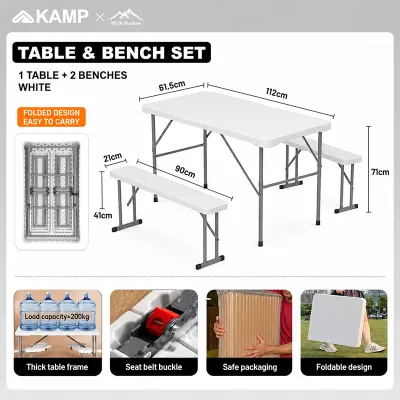
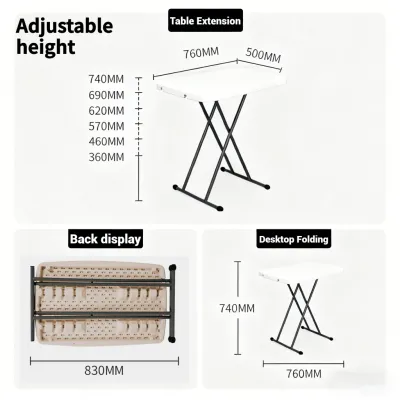
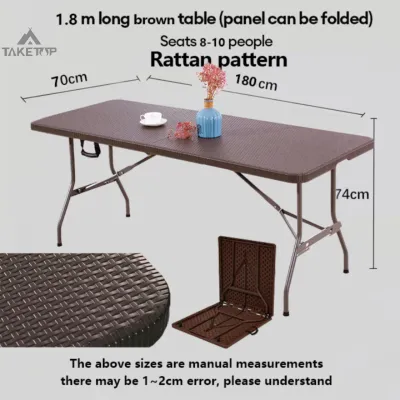
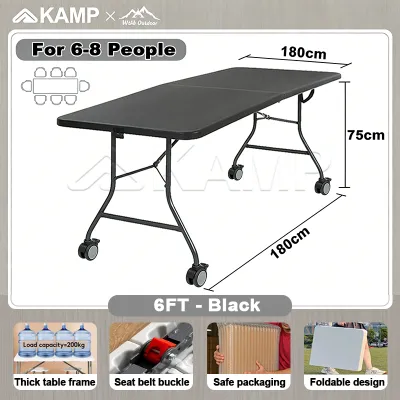
Prices are valid at publication and may change. Please refer to the product page for the latest price.
To find your true usable footprint, subtract a safety buffer from your total measurements. You need to maintain a clear pathway for walking and ensure that emergency exit routes remain completely unobstructed. In tropical climates like the Philippines, where sudden downpours are common, you should also consider how far rain blows onto the balcony to avoid placing your table in a constantly wet zone.
Determine the Ideal Heavy Duty Table Dimensions
Once you have your usable footprint, you can determine the physical dimensions of the table. A common mistake is choosing a table that fits the space but leaves no room for chairs or people. As a general rule, allow at least 60 to 75 centimeters of clearance behind the table for stools or chairs. This space ensures that guests can pull out their seats and sit comfortably without hitting the balcony railing or the condo wall.

The shape of your heavy duty table should match the proportions of your balcony. Narrow balconies benefit most from long, rectangular bar tables that sit flush against the railing or wall, maximizing the central walkway. Square tables work well in compact, symmetrical corners, providing a cozy dining setup for two. Round tables are excellent for wider balconies, as they eliminate sharp corners and make it easier to navigate tight pathways.
Table height is another critical factor for both comfort and safety. Standard dining tables sit around 75 centimeters high, which is ideal for relaxed meals but might block your view if you have a solid concrete railing. Bar-height tables, usually ranging from 100 to 110 centimeters, elevate your seating position so you can look over the railing. Ensure the table height aligns with your balcony railing height to maintain a secure barrier while optimizing your view.
Evaluate Weight Capacity and Structural Safety
Heavy duty tables made of solid wood, wrought iron, or thick metal are highly durable, but they also carry significant weight. Before purchasing, consult your condominium handbook or contact your property management office to verify the balcony’s load-bearing capacity. High-rise balconies have strict structural limits, and adding heavy furniture along with multiple guests can approach these safety thresholds.
Wind resistance is another crucial safety consideration for high-rise living. Strong winds can easily tip over lightweight furniture, but excessively top-heavy tables can also pose a hazard if they lack a wide, stable base. Look for tables with a low center of gravity or weighted bases that distribute weight evenly across the floor. Check that the feet of the table have adjustable levelers to compensate for sloped balcony tiles, ensuring the unit remains stable.
Positioning your table correctly prevents dangerous accidents. Avoid placing the table directly against low railings where items could easily slide off and fall to the ground below. If you plan to use a bar-height table, ensure it is heavy enough or securely anchored so that it cannot be pushed or blown against the glass or metal balustrade during severe weather.
Space-Saving Alternatives for Tight Layouts
If a standard heavy duty table takes up too much permanent floor space, several space-saving designs offer excellent durability without the bulk. Heavy duty folding tables or drop-leaf models allow you to expand the surface area when entertaining guests and fold it down when not in use. This flexibility keeps your balcony open and airy for daily activities while providing a sturdy surface when needed.
Another popular option is a railing-attached bar table or a wall-mounted drop-leaf desk. These designs eliminate table legs entirely, freeing up valuable floor space for your feet and chairs. Before choosing this route, review your condominium association rules. Many properties prohibit drilling into exterior walls or clamping heavy structures to the balcony railings due to structural integrity and aesthetic guidelines.
Multi-functional furniture can also help minimize clutter on a small balcony. Look for heavy duty storage benches that can double as seating and support a small side table, or tables with built-in shelving underneath. By reducing the total number of furniture pieces on your balcony, you can enjoy a more spacious and functional outdoor lounge.
Common Sizing Mistakes to Avoid
One of the most frequent errors when furnishing a small balcony is forgetting to measure the push-back space for chairs. A table might seem to fit perfectly on paper, but once you add bar stools, the space can become completely impassable. Always measure the footprint of the chairs both when tucked under the table and when in use to ensure you can still move around safely.
Another mistake is overlooking the visual weight of heavy duty materials. Dark, bulky wrought iron or thick, solid timber tables can make a small balcony feel cramped and dark, even if they physically fit the space. To maintain an open feel, look for heavy duty tables with slender but strong metal frames, or lighter-colored weather-resistant finishes that blend with the outdoor environment.
Finally, always measure your delivery pathway before finalizing your purchase. A large, fully assembled heavy duty table might fit your balcony but fail to fit inside the condo elevator, narrow hallways, or your front door. Check the package dimensions or assembly requirements to ensure you can safely transport the table from the delivery truck to your balcony.
Frequently Asked Questions (FAQ)
Can I use a heavy duty table on a balcony with a glass railing?
Yes, but you must take extra precautions to protect the glass. Avoid placing a heavy table directly against a glass railing, as any shifting or wind-induced movement could scratch or crack the panel. If you are using a railing-mounted table, verify that the mounting clamps are compatible with glass balustrades and feature thick rubber padding to distribute pressure evenly without putting stress on the glass.
How do I protect a heavy duty table from weather damage on an open balcony?
To maintain the durability of your table in a tropical climate, check the manufacturer’s care label for specific finish instructions. Use high-quality, waterproof furniture covers during the rainy season to shield the table from intense sun and heavy downpours. Clean the surface regularly with a soft cloth and mild soapy water, avoiding harsh chemical cleaners that can strip away protective outdoor coatings.

Community discussion
Share your experience or ask a question. Comments are reviewed before publication.