
Moving to a new home is a major undertaking that requires careful planning, especially when it comes to packing and transporting your belongings. While traditional cardboard boxes are the standard choice, they often fail to provide adequate protection against tropical humidity, sudden downpours, and the physical stress of transit. Utilizing durable, reusable IKEA organizers offers a highly efficient alternative that not only protects your items during the move but also transitions seamlessly into permanent storage in your new space.
The key to a successful move with IKEA organizers lies in matching the specific structural features of each product line to the unique requirements of your household goods. Rigid plastic bins with secure, latching lids are ideal for heavy, fragile, or moisture-sensitive items like kitchenware and electronics. Meanwhile, flexible fabric zippered cases and vacuum-sealed bags are perfect for maximizing space when packing clothing, bedding, and other soft goods. By selecting the right combination of materials, sizes, and designs, you can streamline your packing process, safeguard your possessions, and make unpacking in your new home incredibly organized.
How to Choose the Right IKEA Organizers for Moving
Selecting the right organizers requires looking beyond simple aesthetics to evaluate how well each piece will perform under the physical demands of transit. The first step is to assess the physical dimensions of the organizers. You must measure the cargo space of your moving vehicle—whether you are hiring a local lipat bahay truck, utilizing an L300 utility van, or packing the back of a personal SUV. Ensure the organizers can be stacked efficiently without leaving awkward, empty spaces that allow cargo to shift during transit. Additionally, check the dimensions of the shelving units, wardrobes, and closets in your new home to ensure the containers you buy for the move will fit perfectly as permanent storage later.
Products mentioned in this guide
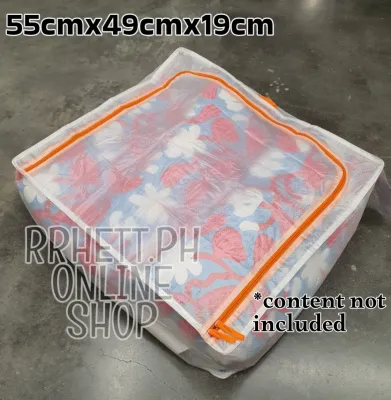

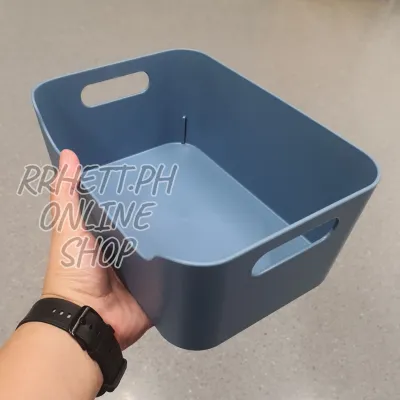
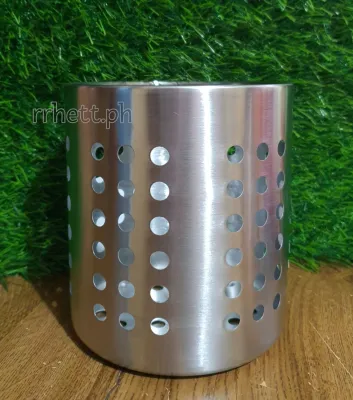
Prices are valid at publication and may change. Please refer to the product page for the latest price.
Material selection is another critical factor, particularly in warm, humid climates where moisture can quickly damage sensitive items. Rigid plastic organizers, typically made from durable polypropylene, offer excellent structural integrity and weather resistance. They protect contents from being crushed and keep out external moisture during sudden tropical rain showers. On the other hand, flexible fabric organizers made from polyester are lightweight, breathable, and highly compressible. While fabric options do not offer impact protection, they are excellent for space-saving transport of non-fragile items.
Stackability and lid security are vital for preventing spills and damage inside the moving vehicle. Look for plastic bins that feature recessed lids and interlocking bases, which allow multiple containers to stack securely without sliding. Avoid organizers with completely flat, slick lids if you plan to stack them high, as vehicle vibrations can cause them to shift. Furthermore, verify how securely the lids attach; some models rely on simple friction fits, while others feature heavy-duty locking latches or zippered closures that are far more reliable during a bumpy drive.
Finally, always verify the handle strength and maximum weight limits printed on the product labels or manufacturer specifications. Moving heavy items like books, tools, or kitchenware puts immense stress on container handles and bases. Molded, integrated plastic handles are generally much stronger than stitched fabric handles. Before packing any container, check its rated load capacity to prevent the handles from tearing or the bottom from sagging when you lift it.
Matching IKEA Organizer Types to Your Packing Needs
To pack efficiently, you should categorize your household items into distinct groups based on their weight, fragility, and susceptibility to environmental damage. Matching the material and structure of your IKEA organizers to these specific categories prevents structural failures and keeps your belongings safe. Using the wrong type of container—such as packing heavy kitchenware into a soft fabric box—can lead to broken items and ruined organizers.

Clothing, Linens, and Soft Goods
Bulky fabrics, bedding, and clothing require organizers that maximize space while protecting against dust, pests, and ambient humidity. Flexible fabric storage boxes and zippered cases are highly suited for this category. Zippered designs are particularly beneficial because they seal completely, preventing moisture from seeping into your linens during transit and storage. For exceptionally bulky items like pillows, winter wear, or thick comforters, vacuum-compatible storage bags are an excellent choice to compress the items and save valuable cargo space.
When selecting fabric organizers, check the product labels for dust-proof lids, reinforced zippers, or moisture-resistant coatings. These features ensure that your clothes remain clean and dry, even if the moving truck encounters dusty roads or humid weather. If you have delicate, wrinkle-prone garments like suits, dresses, or formal wear, consider using hanging organizers. These can be transferred directly from your current closet to a temporary hanging rod in the vehicle, and then straight into your new wardrobe, eliminating the need to iron everything after you unpack.
Kitchenware, Pantry, and Fragile Items
Kitchen items and fragile glassware require maximum physical protection to survive the vibrations and bumps of the road. For these goods, rigid plastic crates with secure, latching lids are the gold standard. The solid walls of a heavy-duty plastic bin absorb external impacts and prevent adjacent cargo from crushing delicate plates, bowls, and cups. Always wrap fragile items individually in packing paper or bubble wrap before placing them inside the rigid bins.
To keep smaller kitchen essentials organized, utilize compartmentalized inserts or smaller stackable bins inside your larger crates. This prevents items like cutlery, spices, and small cooking utensils from rattling around and causing damage during the drive. Additionally, verify that the plastic materials are easy to wipe clean in case of accidental pantry spills. If you are transporting opened food packages or pantry staples, check the product labels to ensure the plastic containers are rated as food-safe.
Documents, Cables, and Small Miscellaneous Items
Small electronics, chargers, cables, and important paperwork are easily lost or damaged if they are not packed systematically. Multi-compartment organizers and small parts cabinets are perfect for keeping cables separated and preventing them from tangling into a frustrating mess. Grouping chargers with their corresponding devices in small, dedicated containers saves immense time during the unpacking phase.
For important documents, land titles, contracts, and personal records, use stackable document boxes or sturdy cardboard magazine files. Keeping these papers flat and organized in a dedicated, clearly marked container ensures they do not get bent, torn, or misplaced amidst the chaos of the move. Implementing a clear labeling strategy is essential for these small, uniform-looking boxes. Use high-visibility tape or adhesive labels on multiple sides of each container, detailing the contents and the specific room they belong to in the new home.
Packing and Transport Strategies for IKEA Organizers
Even the highest-quality organizers can fail if they are packed incorrectly or loaded carelessly into a moving vehicle. To prevent structural damage and ensure a safe journey, always distribute weight evenly within each container. Place the heaviest items at the very bottom of the box to establish a stable base, and place lighter items on top. Strictly adhere to the manufacturer’s stated weight limits printed on the product packaging; overloading a bin can cause the handles to snap or the bottom to blow out when lifted.
While many IKEA organizers feature built-in locking mechanisms or snug lids, these are often designed for stationary home use rather than the rigorous movement of a transit vehicle. To prevent accidental spills, secure all lids with heavy-duty moving tape or stretch wrap. For larger plastic crates, wrapping the entire bin in stretch film not only keeps the lid firmly in place but also provides an extra layer of scratch protection.
When loading the moving vehicle, plan the stacking order carefully to maintain stability. Always place the heaviest, most rigid plastic crates on the floor of the truck or van to create a solid foundation. Stack lighter, semi-rigid boxes on top, and place flexible fabric bags or delicate items at the very top of the stack. To prevent the stacks from shifting or toppling over when the vehicle turns corners or travels over uneven roads, secure them tightly against the vehicle walls using bungee cords, ratchet straps, or moving blankets.
Repurposing Your IKEA Organizers in the New Home
One of the greatest financial and environmental advantages of using high-quality IKEA organizers for your move is their ability to transition into permanent storage solutions. Unlike single-use cardboard boxes that are discarded after a single journey, these durable containers can help you organize your new living spaces immediately. This long-term utility helps justify the initial investment, saving you thousands of ₱ on future storage purchases.
Before the move, measure the shelving units, wardrobes, and closets in your new home. Many IKEA organizers are designed to integrate perfectly with popular shelving systems, such as standard cube storage units or modular wardrobe frames. By planning ahead, you can use your moving containers as instant drawer inserts, shelf organizers, or closet dividers the moment you arrive, drastically reducing the time it takes to settle in.
Under-bed storage boxes are particularly easy to transition. Once they are unpacked, they can be slid directly under your new bed frame to store extra linens, out-of-season clothing, or shoes. Before placing any moving organizer into your clean new closets or bedrooms, take the time to clean and inspect them. Wipe down plastic bins with a damp cloth and vacuum fabric organizers to remove any road dust, dirt, or debris that may have accumulated during transit. Check for any structural damage, such as hairline cracks in plastic or loose stitching on fabric, to ensure they remain safe for long-term use.
Frequently Asked Questions (FAQ)
Can I use IKEA fabric storage boxes for heavy items like books?
No, fabric storage boxes are not suitable for heavy, dense items like books. Fabric organizers lack the structural rigidity required to support concentrated weight, which can cause the base to sag severely and the stitched handles to tear when lifted. Always check the product label or manufacturer specifications for the maximum weight capacity before packing. For heavy items like books, documents, or tools, always opt for rigid plastic crates or reinforced cardboard boxes specifically designed to handle heavy loads.
Do IKEA plastic crates stack securely in a moving truck?
Yes, many IKEA plastic crates are designed with recessed lids and interlocking bases that allow them to stack securely. However, the vibrations and sudden movements of a transit vehicle can still cause stacks to shift. To ensure safety, always place the heaviest, fully loaded crates at the bottom of the stack to prevent crushing the containers underneath. Additionally, use moving straps, bungee cords, or ratchet straps to anchor the stacked crates securely to the walls of the moving vehicle, preventing them from sliding or tipping over during the drive.

Community discussion
Share your experience or ask a question. Comments are reviewed before publication.