
Quick Guide to Maximizing Small Kitchen Storage
Finding the right kitchen door cabinet for a small kitchen in the Philippines requires balancing compact footprints with maximum internal volume. In many Filipino homes, particularly in urban condominiums and townhouse developments, kitchen space is at a premium. While open shelving has enjoyed temporary popularity, enclosed door cabinets remain the most practical choice for compact cooking areas. They effectively hide daily clutter, maintain a clean visual line, and protect your dinnerware, pantry items, and small appliances from the inevitable accumulation of airborne cooking grease and tropical dust.
To successfully optimize a limited kitchen layout, you must shift your focus from horizontal expansion to smart vertical storage. A well-chosen kitchen door cabinet acts as a dedicated storage hub, keeping countertops clear for food preparation. The core decision path for selecting the ideal unit involves three main phases: taking precise physical measurements of your space, choosing a cabinet configuration that addresses your specific storage deficits, and verifying that the materials and hardware can withstand local environmental conditions. By following this structured approach, you can transform a cramped cooking zone into an efficient, organized workspace.
Essential Space and Clearance Measurements
Before purchasing any kitchen door cabinet, taking accurate physical measurements of your kitchen layout is the most critical step to avoid costly installation errors. Begin by determining the available floor footprint. Use a reliable steel measuring tape to record the exact width and depth of the designated area. When measuring, do not assume your walls are perfectly square. Take measurements at multiple heights—near the floor, at countertop level, and near the ceiling. Be sure to account for the thickness of baseboards, wall tiles, or any uneven plastering, as even a discrepancy of a few millimeters can prevent a pre-assembled cabinet from fitting into its intended alcove.
Products mentioned in this guide
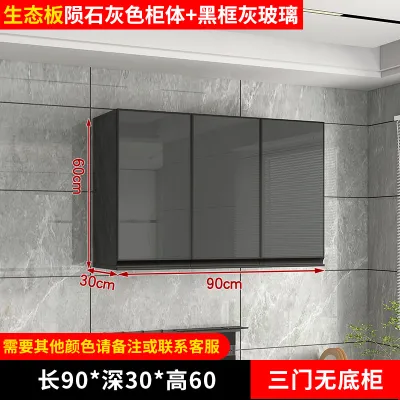
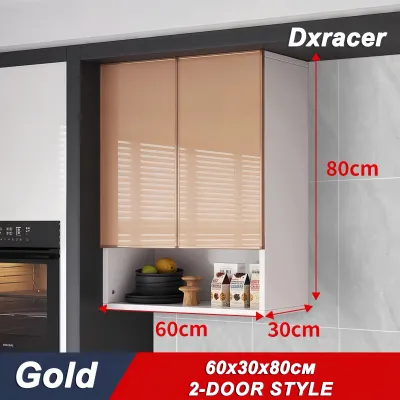
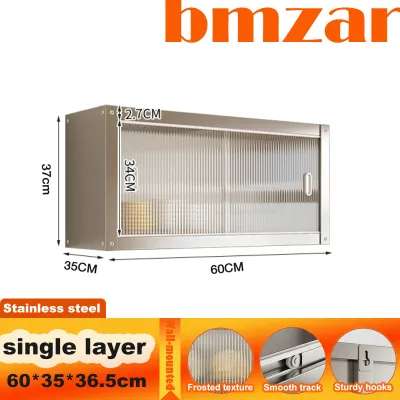
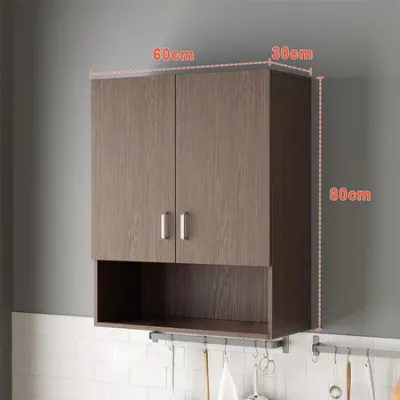
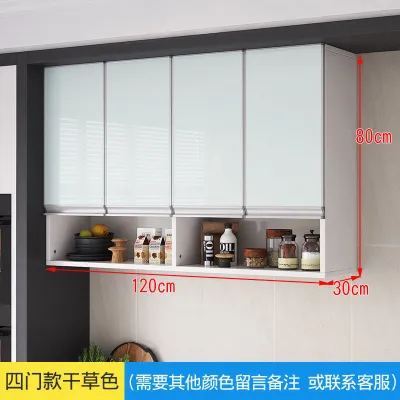
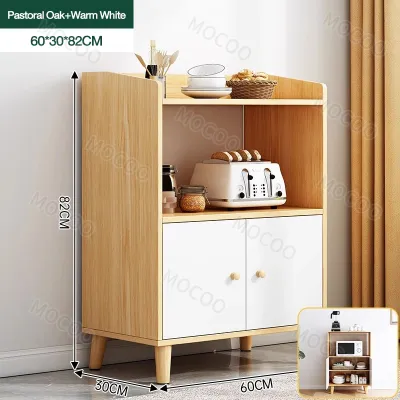
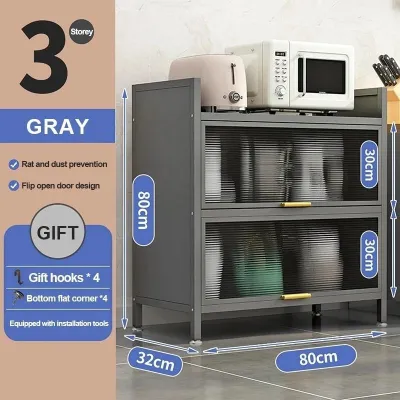
Prices are valid at publication and may change. Please refer to the product page for the latest price.

Next, assess the vertical clearance of your kitchen. Measure the distance from the floor to the ceiling, taking note of any overhead obstructions such as structural beams, exposed pipes, electrical conduits, or light fixtures. If you plan to install a cabinet near your cooking area, ensure there is adequate clearance from the range hood or cooktop to comply with local safety standards and prevent heat damage.
Equally important is evaluating the door swing and pathway clearance. A cabinet door must be able to open fully without obstructing major walkways or colliding with other household elements. Map out the swing radius of the cabinet doors and ensure they do not block the paths of adjacent appliances, such as the refrigerator, oven, or washing machine. If your kitchen is a narrow galley layout, verify that two people can still pass each other when the cabinet doors are open.
Finally, consider the access routes into your home. Many homeowners purchase beautiful, fully assembled cabinets only to find they cannot clear narrow doorways, tight stairwells, or condominium elevator doors. Measure the width and height of every entry point, hallway, and turn that the cabinet must pass through during delivery. If your access routes are highly restricted, prioritizing flat-pack units that can be assembled directly inside the kitchen is often the safest and most practical choice.
Space-Efficient Cabinet Configurations to Consider
Selecting the right kitchen door cabinet depends heavily on identifying your primary storage deficit. If your countertops are constantly cluttered with small appliances, your needs differ from someone who lacks pantry space for dry goods. Evaluating internal organization features, such as adjustable shelves and door-mounted racks, allows you to customize the cabinet to your specific lifestyle.
Tall Vertical Storage Units
Tall vertical cabinets are highly effective for maximizing storage in kitchens with limited floor space. By utilizing the vertical volume of your room, these units provide extensive storage capacity without consuming valuable floor area. They serve as excellent pantries for storing dry ingredients, canned goods, and bulk household supplies, or as dedicated utility closets for tall items like brooms and vacuum attachments.
Because tall cabinets have a high center of gravity, stability is a primary safety concern. You must verify that the unit can be securely anchored to the wall to prevent tipping, especially in households with active daily movement. When evaluating tall units, look for models that feature adjustable internal shelving. The ability to reposition shelves allows you to customize the interior layout, ensuring you can accommodate tall cereal boxes, small kitchen appliances, or stacked mixing bowls without wasting vertical space.
Multi-Tier Base Cabinets with Deep Storage
Base cabinets form the foundation of your kitchen storage and must be designed to utilize lower spaces efficiently. When choosing a base kitchen door cabinet, consider the trade-offs between standard swing doors and drawer configurations. Swing doors with internal pull-out organizers offer a classic look and allow you to view all contents at once, while deep drawers provide direct access to items stored at the very back without requiring you to bend down or reach into dark corners.
If your kitchen layout features an L-shape or U-shape, corner spaces often become dead zones that are difficult to access. To solve this, look for base cabinets equipped with specialized corner solutions, such as lazy Susans or blind corner pull-out trays, which bring hidden items forward with a simple pull. Additionally, always check the manufacturer’s specified weight capacity for shelves and drawers. Base cabinets often house heavy items like cast-iron cookware, rice dispensers, and small appliances, making structural integrity and load-bearing capacity paramount.
Wall-Mounted Overhead Cabinets
Wall-mounted overhead cabinets are indispensable for freeing up valuable counter space in small kitchens. Because these units sit at eye level, their depth must be carefully considered. Standard overhead cabinets are typically shallower than base cabinets, usually measuring around 30 to 35 centimeters deep. This shallow profile prevents you from bumping your head while prepping food on the countertop below while still providing ample space for plates, cups, and spices.
Installing overhead cabinets requires careful attention to mounting requirements. These units must be secured to solid wall studs or, in the case of concrete or masonry walls, installed using heavy-duty masonry anchors. Never rely on simple drywall or thin plaster partitions to support the weight of a fully loaded wall cabinet. Additionally, compare different door mechanisms; while standard side-hinged doors are common, lift-up or bi-fold doors are highly efficient for tight clearance areas, as they open upward and out of your workspace pathway.
Material and Hardware Checks for Local Conditions
The tropical climate of the Philippines presents unique challenges for kitchen furniture, primarily due to high humidity levels, ambient heat, and exposure to moisture. When selecting a kitchen door cabinet, do not rely solely on generic material names like wood or MDF. Instead, focus on the specific surface treatments and protective finishes applied to the cabinet components. Look for units featuring high-pressure laminates, melamine coatings, or robust edge banding. These protective layers act as a barrier against moisture penetration, preventing the underlying wood fibers from swelling, warping, or delaminating over time.
Hardware quality is another critical factor that dictates the lifespan of your cabinet. High humidity and exposure to salty coastal air or kitchen steam can quickly cause low-grade metal hinges and drawer slides to rust, bind, and fail. Inspect the hardware specifications and prioritize cabinets equipped with stainless steel or specially coated rust-resistant hinges. Soft-close hinges and full-extension drawer slides are also highly beneficial, as they reduce physical impact and wear on the cabinet structure during daily use.
To maintain the appearance and structural integrity of your cabinet, review the manufacturer’s care and maintenance instructions. Kitchen cabinets are regularly exposed to cooking grease, food splatters, and cleaning agents. Ensure the surfaces can be easily wiped clean with a damp cloth and mild soap without degrading the finish. Avoid using abrasive scrubbers or harsh chemical cleaners that can scratch the protective laminate or paint.
Finally, carefully verify the manufacturer’s warranty terms before making a purchase. A reliable warranty should explicitly cover structural defects, premature warping, and hardware failures under normal residential use. Understanding the duration of the warranty and the specific conditions required to make a claim provides peace of mind and serves as a strong indicator of the manufacturer’s confidence in their product’s durability.
Installation and Safety Verification
Proper installation is vital to ensure the safety, stability, and longevity of your kitchen door cabinet. Always adhere strictly to the manufacturer’s stated weight limits for both individual shelves and the overall cabinet structure. Overloading a cabinet can lead to sagging shelves, joint separation, or catastrophic structural failure, posing a serious safety hazard to your household. Distribute heavier items, such as canned goods and cast-iron pans, on the lowest shelves of base cabinets, keeping lighter items on upper shelves.
For tall vertical units and wall-mounted cabinets, implementing robust anti-tip measures is non-negotiable. Secure tall cabinets to the wall using heavy-duty L-brackets or safety straps anchored into solid wall structures. When mounting overhead units, ensure the mounting brackets are rated for the maximum expected load of the cabinet when fully stocked.
If you encounter any uncertainty during the installation process, stop and consult a qualified professional contractor. This is especially important if you are unsure of your wall’s internal structure, or if the installation area is close to existing plumbing lines, gas pipes, or electrical wiring. A professional installer can accurately locate wall studs, select the correct anchoring hardware for concrete or drywall, and ensure the cabinet is perfectly level.
Once the installation is complete, perform a thorough post-installation check. Open and close all cabinet doors and drawers repeatedly to test for smooth operation and proper alignment. Adjust the hinges if the doors hang unevenly or rub against the frame. Verifying that all components are level, secure, and operating smoothly ensures your kitchen door cabinet will remain safe and functional for years to come.
Frequently Asked Questions (FAQ)
Can I install wall cabinets on hollow block or drywall partitions?
Installing wall cabinets on hollow concrete blocks or drywall partitions requires careful structural consideration due to their limited direct load-bearing capacity. Standard drywall cannot support the weight of a fully loaded kitchen cabinet on its own; you must locate the wooden or metal studs behind the drywall and secure the cabinet directly to them. For hollow concrete blocks, standard screws will not hold securely. You must use specialized heavy-duty sleeve anchors, toggle bolts, or masonry plugs designed for hollow walls. If you plan to store heavy dinnerware or appliances, it is highly recommended to consult a professional contractor to reinforce the wall structure before mounting the cabinets.
Are sliding doors better than swing doors for very tight kitchens?
Sliding doors are highly advantageous in exceptionally narrow kitchens, such as galley layouts or small studio apartment kitchenettes, because they do not require any outward clearance to open. This allows you to access the cabinet contents without blocking the walkway or colliding with adjacent appliances. However, sliding doors come with specific trade-offs. They only allow you to access half of the cabinet interior at any given time, as one door must always slide behind the other. Additionally, sliding door tracks require regular cleaning and maintenance to prevent dust, crumbs, and debris from obstructing the rollers and causing the doors to stick.

Community discussion
Share your experience or ask a question. Comments are reviewed before publication.