
Moving to a new home is a major undertaking that requires careful planning, especially when it comes to packing your valued belongings. Standard cardboard boxes are often the default choice, but they can easily succumb to moisture, tear under heavy loads, or collapse when stacked high in a moving truck. Plastic storage boxes, such as those from Lifestow, offer a more robust and weather-resistant alternative for protecting your items during a lipat bahay.
To make the most of these durable containers, you must understand how to select, pack, and stack them effectively. Choosing the wrong size or overloading a box can lead to damaged goods, broken containers, or physical strain during lifting. By evaluating key structural features and matching the right box to the right household items, you can streamline your moving process and ensure your belongings arrive safely at your new destination.
This guide provides a practical framework for assessing storage boxes, organizing your packing strategy by item type, and planning your transport logistics. Whether you are moving across town or relocating to a different province, these actionable steps will help you maximize the utility of your plastic storage containers.
Products mentioned in this guide
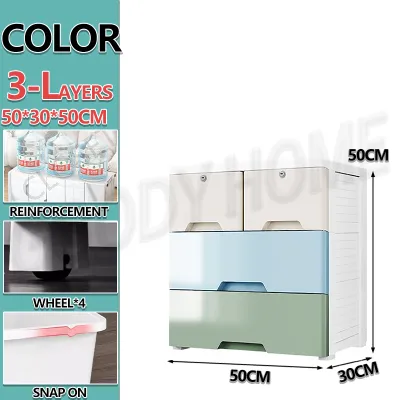
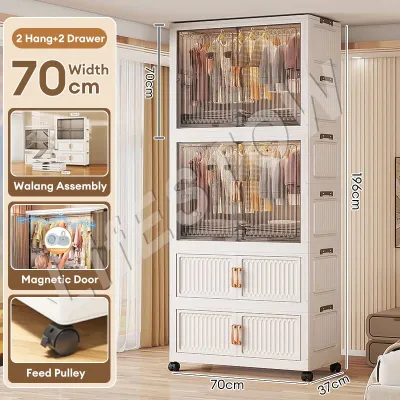
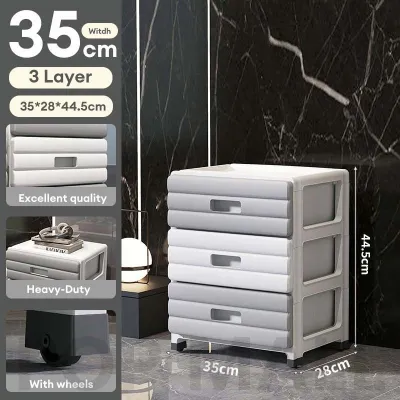
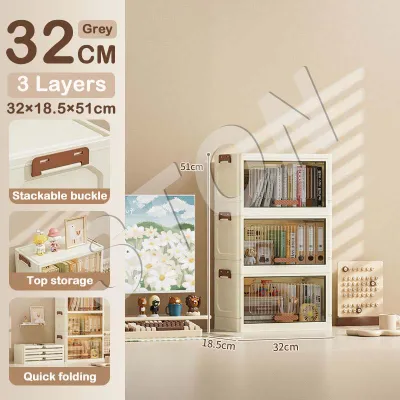
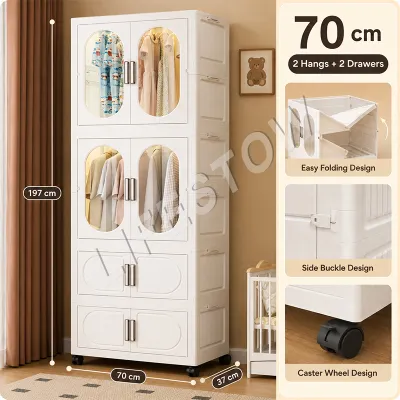
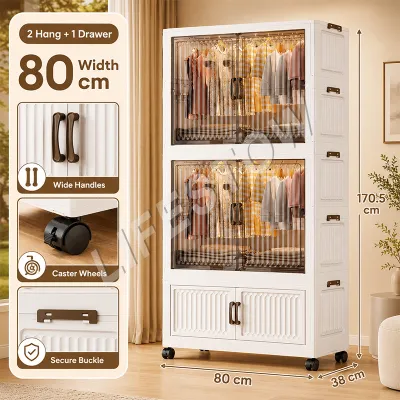
Prices are valid at publication and may change. Please refer to the product page for the latest price.
Key Features to Check Before Buying Lifestow Boxes for Moving
Before purchasing plastic storage boxes for a move, you must evaluate their structural design to ensure they can withstand the physical demands of transit. Not all plastic containers are built for the heavy lifting and stacking required during a household relocation.
First, examine the material and structural integrity of the box. Check the manufacturer’s product descriptions or labels for explicit weight limits to avoid overloading the plastic. Look closely at the design of the box, specifically searching for visible reinforced ribbing along the base, corners, and sides. This ribbing adds structural stiffness, preventing the plastic from bowing outward when filled or cracking under the weight of other stacked containers.
Second, assess the security of the lid. A loose lid can easily pop off when the moving vehicle encounters bumps, sudden stops, or rough road conditions. Look for boxes equipped with secure snap-lock latches or heavy-duty buckle mechanisms that firmly clamp the lid to the base. A secure latching system not only keeps your items contained but also prevents dust, dirt, and unexpected rain showers from entering the box during loading and unloading.
Third, evaluate the handling features of the container. Ergonomic handle cutouts or molded handles are essential for maintaining a secure grip while carrying heavy loads up and down stairs or through narrow hallways. If you are considering models with wheels, verify whether the wheels are detachable or lockable. While wheels make moving heavy boxes across flat surfaces easier, they can cause boxes to roll and shift dangerously inside a moving truck unless they can be locked or removed entirely.
Finally, check the stackability of the boxes. Look for interlocking lid and base designs, where the bottom of one box fits snugly into a recessed channel on the lid of the box below it. This interlocking feature prevents the boxes from sliding horizontally when stacked, allowing you to safely utilize the vertical space in your moving vehicle without risking a collapse.
Matching Lifestow Box Types to Your Household Items
A successful packing strategy relies on the fundamental principle of matching box volume to the weight and density of your belongings. Packing heavy items into large boxes makes them nearly impossible to lift and increases the risk of structural failure, while packing light items into small boxes wastes valuable space and increases the total number of containers you must transport.

Heavy and Fragile Items (Books, Kitchenware, Electronics)
When packing high-density and fragile goods, such as books, ceramic kitchenware, and small electronics, you should opt for smaller to medium-capacity boxes. These smaller volumes naturally limit the total weight of the packed box, keeping it within safe manual lifting limits and preventing the bottom of the container from sagging or cracking under extreme pressure.
Before placing items inside, verify the internal dimensions of the box to ensure there is adequate space for both the items and the necessary protective buffer materials. Fragile items must be wrapped individually in bubble wrap, packing paper, or foam sheets, and you need enough clearance around the edges of the box to pack these buffers tightly.
It is highly advisable to avoid using large or extra-large boxes for heavy items. Even if a large plastic box seems sturdy enough to hold dozens of heavy books, the cumulative weight can easily exceed safe lifting standards, leading to back strain for the movers or causing the plastic handles to shear off under the intense tension.
Bulky and Lightweight Items (Clothing, Bedding, Toys)
For high-volume, low-density household goods like clothing, bedding, pillows, and children’s toys, large-capacity boxes are the most efficient choice. These items take up a significant amount of physical space but add relatively little weight, allowing you to utilize larger containers without making them too heavy to carry.
When packing fabrics and soft goods, choose boxes with secure, dust-proof lids to protect them from transit dirt, pests, and the high humidity levels common in tropical environments. A tight seal ensures that your clean clothes and linens remain fresh and ready to use as soon as you unpack them at your new home.
Look for boxes with transparent or semi-transparent plastic bodies. This transparency allows you to easily identify the contents of each container at a glance without having to open the lid or break any security seals, which greatly speeds up the unpacking and organizing process in your new space.
Additionally, ensure the internal depth of the box can comfortably accommodate folded blankets, winter wear, or bulky pillows without requiring you to over-compress the items. Forcing a lid down over an overfilled box puts continuous upward pressure on the latches, which can cause the lid to warp, the latches to snap, or the plastic to crack over time.
Space and Transport Planning for Your Move
Efficient moving requires careful spatial planning long before the moving truck arrives. You must ensure that your selected storage boxes can navigate the physical pathways of both your old and new residences without causing damage to the walls or the boxes themselves.
Begin by measuring the doorways, narrow hallways, stairwells, and elevator dimensions of both locations. These measurements will help you establish a strict maximum external size limit for the boxes you purchase, ensuring that a fully loaded container can be carried smoothly through every turn and doorway without getting stuck or scraping against the doorframes.
Next, calculate the usable volume of the moving vehicle you plan to use, whether it is a personal utility vehicle, a hired van, or a large commercial truck. By comparing the external dimensions of your storage boxes with the cargo dimensions of the vehicle, you can determine the optimal stack height and estimate the total number of boxes that can fit safely inside the cargo area.
When planning the layout of the truck, pay close attention to the placement of wheeled boxes. If the wheels are not detachable, these boxes must be placed on the floor of the vehicle and secured with tie-down straps or wedged tightly between non-wheeled boxes to prevent them from rolling and shifting during transit. If the wheels are detachable, remove them before stacking the boxes to ensure a flat, stable base that will not slide when the vehicle is in motion.
Packing and Loading Best Practices for Storage Boxes
To prevent damage to your belongings and avoid physical injuries during your move, you must follow systematic packing and loading procedures. Proper weight distribution and lifting techniques are essential for a safe and efficient relocation.
When loading the moving vehicle, always distribute the weight evenly across the floor and place the heaviest, most rigid boxes at the bottom of each stack. This creates a low and stable center of gravity for the entire load, preventing the stacks from tipping over when the truck navigates sharp turns, sudden stops, or uneven road surfaces.
Inside each individual box, make sure to distribute the weight evenly rather than concentrating heavy items on one side. Fill any remaining empty spaces or gaps with soft items like towels, t-shirts, or crumpled packing paper to prevent the contents from shifting during transit, which can cause fragile items to collide and break.
Before lifting any container, inspect the handle stress points for any signs of plastic fatigue, such as white stress marks or hairline cracks. When lifting, always practice proper physical techniques: stand close to the box, bend at your knees rather than your waist, keep your back straight, and lift using the strength of your legs to avoid painful back strain or muscle injuries.
Once you have successfully unpacked your belongings at your new home, take the time to clean and maintain the boxes before storing them away. Wipe down the interior and exterior surfaces with a damp cloth to remove any dust or dirt accumulated during the move, and allow them to dry completely in a well-ventilated area to prevent any moisture from being trapped inside.
Frequently Asked Questions (FAQ)
Can Lifestow storage boxes be used for long-term storage after moving?
Yes, plastic storage boxes are highly suitable for long-term storage, provided you take steps to protect them from environmental hazards. In tropical climates, high humidity and heat can cause moisture to build up inside sealed plastic containers, potentially leading to mold or mildew on fabrics and papers. To prevent this, store the boxes in a well-ventilated or climate-controlled area, keep them out of direct sunlight to prevent the plastic from becoming brittle, and verify that the lid seals are tight to keep out dust, moisture, and pests.
How do I clean and maintain the boxes before storing them empty?
To clean your storage boxes before storing them empty, wash them with mild soap and warm water using a soft sponge or cloth. Avoid using harsh chemical solvents, bleach, or abrasive scrubbing pads, as these can degrade the plastic material and scratch the surface. After washing, it is critical to let the boxes air-dry completely in a shaded, well-ventilated space; stacking or nesting damp boxes can trap moisture, creating an environment where mold, mildew, and unpleasant odors can quickly develop.

Community discussion
Share your experience or ask a question. Comments are reviewed before publication.