
Selecting the right material for a portable folding table during the rainy season requires balancing moisture resistance, structural stability, and weight. High-Density Polyethylene (HDPE) and anodized aluminum are generally the most reliable choices for wet conditions because they do not naturally absorb water or rust. However, a material’s name alone does not guarantee performance; the durability of your table depends heavily on protective coatings, sealed joints, and rust-resistant hardware like stainless steel. In the tropical climate of the Philippines, where heavy downpours and high humidity are daily realities during the wet season, understanding how these materials behave under prolonged moisture exposure is key to making a lasting investment.
Understanding Wet Season Challenges for Outdoor Furniture
The rainy season brings a combination of high humidity, sudden heavy downpours, and rapid temperature shifts. These environmental factors create a harsh environment for outdoor furniture, especially portable items that are frequently moved and folded. To choose the right table, you must first understand the difference between water-resistant and waterproof materials. Water-resistant materials can repel water to some degree but will eventually absorb moisture if exposed to prolonged pooling or high humidity. Waterproof materials, on the other hand, are completely impervious to water penetration, making them far more suitable for outdoor use during severe weather.
High relative humidity accelerates the oxidation process in untreated metals, leading to rapid rust formation. For porous materials like wood or low-grade composites, constant moisture exposure promotes the growth of mold, mildew, and rot, which can compromise both the appearance and structural integrity of the table. Additionally, the physical act of folding and unfolding the table creates friction at the joints. Over time, this friction can wear away protective paint, powder coatings, or sealants, exposing the vulnerable raw material underneath to damp air and rainwater.
Products mentioned in this guide
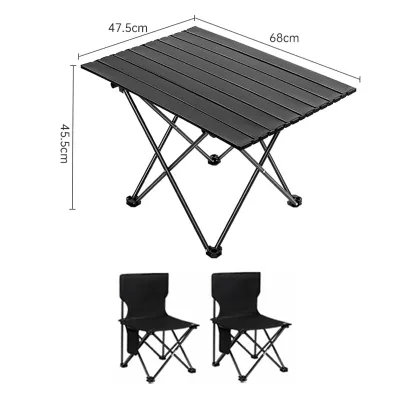
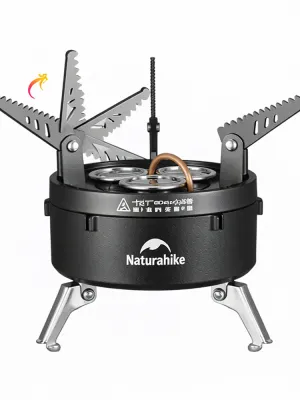
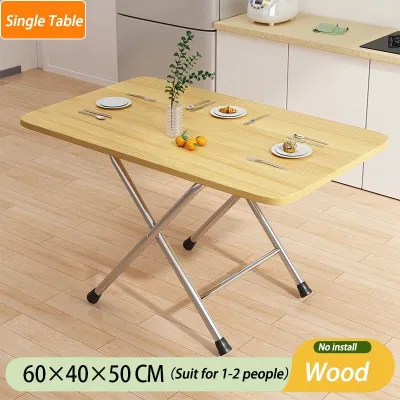
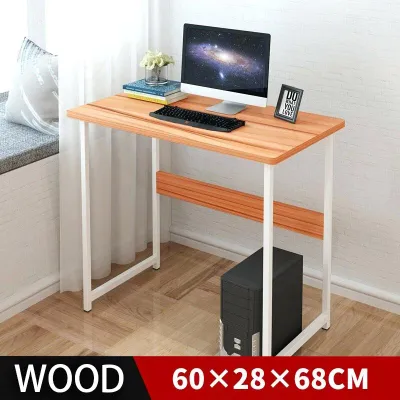
Prices are valid at publication and may change. Please refer to the product page for the latest price.
Evaluating Common Materials for Moisture and Rust Resistance
When shopping for a portable folding table, relying solely on broad material categories like “metal” or “wood” can be misleading. Manufacturers use various grades of materials and surface treatments that significantly alter how a product performs in wet conditions. A metal table might look sturdy, but without the proper rust-inhibiting finish, it can begin to corrode within weeks of exposure to tropical rains.

To make an informed decision, you must look beyond the marketing labels and evaluate the specific technical details provided by the manufacturer. Key specifications to check include the presence of UV inhibitors (which prevent plastics from degrading in the intense sun between rain showers), rust-proof or powder-coated finishes on metal components, and fully sealed edges on composite surfaces. Inspecting these details ensures that the table is engineered to withstand both water exposure and the mechanical stress of folding.
Aluminum and Powder-Coated Metals
Metal is a popular choice for portable folding tables due to its strength and stability, but its performance in the rainy season depends entirely on the type of metal and its surface treatment. Bare aluminum naturally forms a thin, protective oxide layer that resists corrosion, making it highly suitable for wet environments. Anodized aluminum undergoes an electrochemical process that thickens this protective layer, offering even greater resistance to wear and rust while maintaining a lightweight profile that is easy to carry.
Steel, while heavier and often more stable in windy conditions, is highly susceptible to rust unless it is treated. Powder coating is the standard protective method for steel frames. This process applies a dry powder that is cured under heat to create a hard, continuous barrier against moisture. When evaluating a powder-coated steel table, inspect the finish closely for any bubbles, thin spots, or uneven application, as these imperfections are where rust typically starts.
The most critical failure points on any metal folding table are the joints, hinges, and fasteners. Even if the main frame is made of rust-resistant aluminum, the table can fail if the screws and rivets are made of cheap, untreated steel. Look for product specifications that explicitly mention stainless steel or galvanized hardware. Additionally, keep in mind that frequent folding can scratch powder-coated surfaces; any deep scratch that penetrates to the base steel will require prompt touch-up maintenance to prevent rust from spreading beneath the coating.
High-Density Polyethylene (HDPE) and Resin
High-Density Polyethylene (HDPE) and other synthetic resins are inherently waterproof, making them excellent choices for wet-season outdoor use. Unlike wood or metal, these materials do not absorb water, swell, rot, or rust. They are also highly resistant to stains and are easy to clean after a heavy downpour.
However, not all plastic tables are created equal. When selecting an HDPE folding table, check the product specifications for UV stabilization. In tropical climates, intense sunlight often alternates with heavy rain; without UV inhibitors, plastic can become brittle, crack, and fade over time, allowing water to seep into the structural core.
You should also examine the physical construction of the plastic components. Check the wall thickness of the tabletop and the internal ribbing of hollow plastic legs. Solid ribbing provides the necessary structural support to prevent the table from buckling under weight, especially when wet. Ensure that any hollow components have adequate drainage holes or completely sealed seams. If water becomes trapped inside hollow legs or under the tabletop, it can lead to mold growth and unpleasant odors, and add unnecessary weight to a portable table.
Treated Wood and Wood-Composites
Natural wood offers a classic aesthetic, but using it outdoors during the rainy season requires careful selection and rigorous maintenance. Untreated wood absorbs moisture rapidly, leading to warping, splitting, and rot. If you prefer wood, look for tables treated with marine-grade varnishes, polyurethane sealants, or those rated for pressure treatment. Hardwoods like teak or eucalyptus have natural oils that offer some moisture resistance, but they still require periodic sealing to maintain their integrity in high-humidity environments.
Avoid standard Medium-Density Fiberboard (MDF) or untreated particleboard entirely. These engineered wood products are held together by adhesives that break down quickly when exposed to water. Once moisture penetrates the outer laminate of an MDF table, the fibers swell and disintegrate, rendering the table unusable. If you choose a wood-composite, ensure it is specifically rated for outdoor use and features fully sealed, waterproof edges.
When inspecting a wood folding table, pay close attention to how the legs interact with the ground. Look for models with capped feet or rubber glides that prevent the wood from directly touching wet surfaces. Without these caps, the wood will wick moisture up from the damp ground, leading to rot at the base of the legs. Additionally, verify that all fasteners are made of stainless steel to prevent rust stains from bleeding into the wood grain.
Structural Features and Folding Mechanisms to Verify
While the tabletop material is important, the structural design and moving parts of a portable folding table ultimately determine its lifespan in wet conditions. The folding mechanism is the most vulnerable part of the table because it contains multiple moving joints, pins, and locks that can easily trap water.
Before purchasing, inspect the folding hinges and locking pins. They should operate smoothly without any grinding or stiffness, which can indicate poor alignment or early signs of corrosion. Look for designs that use recessed hardware or seamless joints. Tables with fewer crevices and exposed screws are much easier to wipe dry and are less likely to harbor standing water that accelerates rust.
The design of the feet is another critical factor for stability and moisture protection. Capped rubber or plastic feet prevent water from entering the hollow ends of metal or plastic legs. If you plan to use the table on uneven outdoor surfaces like grass or gravel during the wet season, adjustable feet are highly beneficial. They allow you to level the table, preventing water from pooling on one side of the tabletop and ensuring the structure remains stable on soft, damp ground.
Maintenance and Storage Practices for the Rainy Season
Proper maintenance is essential to keep your portable folding table in good condition throughout the rainy season. After outdoor use, clean the table using a soft cloth, mild soap, and warm water. Avoid using harsh abrasive cleaners, stiff brushes, or steel scouring pads, as these can scratch protective powder coatings, strip varnishes, or damage plastic surfaces, leaving them vulnerable to moisture penetration.
The most critical step in wet-season maintenance is thorough drying. Before folding and storing the table, wipe down every surface with a dry towel. Pay special attention to the hinges, joints, locking mechanisms, and the undersides of the tabletop where water tends to collect. Storing a folding table while it is still damp traps moisture inside the folded joints, creating a perfect environment for rust and mold to develop.
Store the table in a dry, well-ventilated indoor area, such as a garage, utility room, or closet. If indoor storage space is limited and the table must remain on a balcony or patio, use a breathable, waterproof furniture cover. Avoid using tight plastic tarps that trap humidity underneath, as this can cause condensation to build up on the table’s surface.
Regularly inspect the table for signs of wear, such as loose screws, cracked plastic, or chipped paint. If you notice structural rust that compromises the folding locks, hinges, or leg stability, discontinue using the table immediately. Using a structurally compromised table poses a safety risk; in such cases, consult the manufacturer’s guidelines or a professional repair service to determine if the parts can be safely replaced.
Frequently Asked Questions (FAQ)
Can I leave my portable folding table outside overnight during heavy rain?
It is not recommended to leave a portable folding table outside overnight during heavy rain, even if it is made of weather-resistant materials. Continuous exposure to pooling water, high winds, and overnight humidity accelerates the degradation of protective coatings, weakens joints, and increases the risk of rust. To extend the lifespan of your table, fold it and store it under a solid roof, in a dry shed, or indoors when it is not in active use.
How do I treat early signs of rust on metal folding joints?
To treat early signs of surface rust, gently scrub the affected area with a soft-bristled brush or fine steel wool to remove the loose oxidation. Wipe the area clean with a damp cloth and dry it completely with a towel. Once dry, apply a thin coat of a manufacturer-approved rust inhibitor or touch-up paint to reseal the metal. If the rust has deeply pitted the metal, cracked the joints, or compromised the safety of the locking mechanism, stop using the table and consult a professional or the manufacturer for repair options.

Community discussion
Share your experience or ask a question. Comments are reviewed before publication.