
When preparing for outdoor adventures during the rainy season in the Philippines, selecting a foldable camp table that can withstand relentless downpours and high tropical humidity is essential. The combination of heavy precipitation and persistent moisture accelerates the degradation of metal components, turning a convenient piece of gear into a structural hazard. To prevent rust and ensure long-term durability, you must look for specific frame materials like anodized aluminum or powder-coated steel, paired with moisture-resistant tabletop designs. By carefully evaluating manufacturer specifications, inspecting connection hardware, and establishing a thorough post-rain maintenance routine, you can protect your investment from the destructive effects of wet weather.
Understanding Rust and Moisture Risks in Foldable Camp Tables
During the wet season, outdoor gear faces a constant barrage of moisture, which can quickly compromise its structural integrity. It is important to distinguish between surface oxidation and deep structural corrosion. Surface oxidation often appears as a thin, unsightly discoloration or powdery residue on the metal, which might not immediately threaten the table’s stability. In contrast, structural corrosion penetrates deep into the metal, weakening the material from within and eventually causing the frame to bend, crack, or collapse under load.
The folding mechanisms of a camp table are particularly vulnerable to moisture damage. Hinges, joints, and exposed cut edges where the protective coating may be thin or absent serve as primary collection points for water. When rainwater pools in these tight crevices, it creates a microenvironment where oxygen and moisture continuously react with the metal. Over time, this localized exposure leads to stiff joints, seized hinges, and localized rust that can render the entire folding mechanism useless.
Products mentioned in this guide
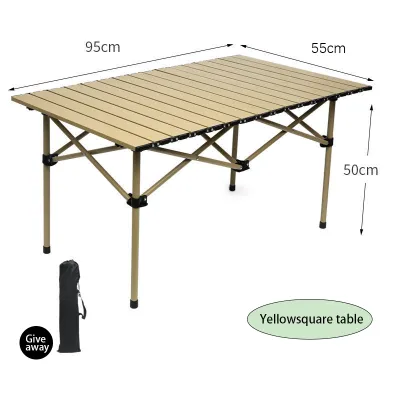
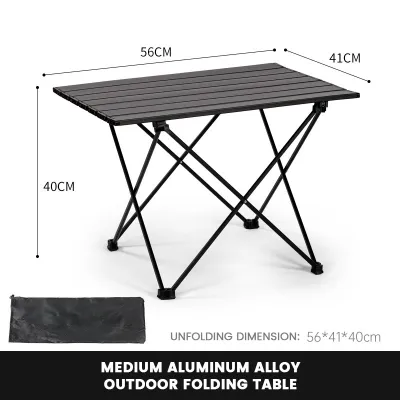
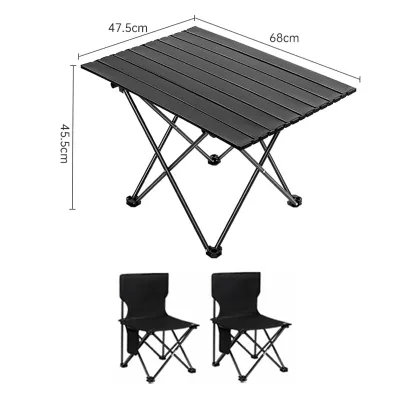
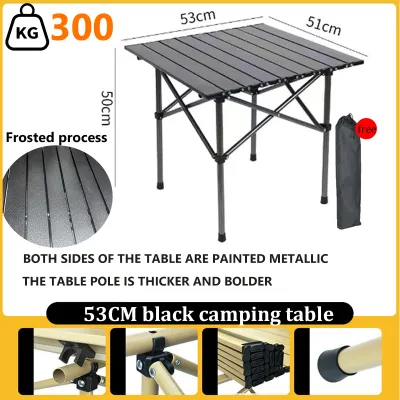
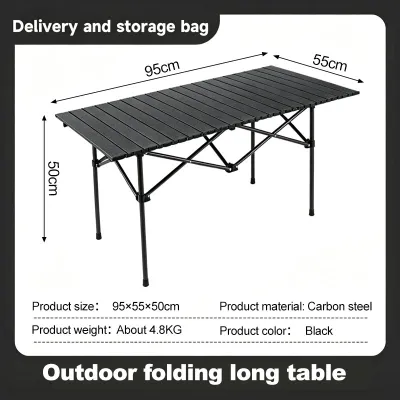
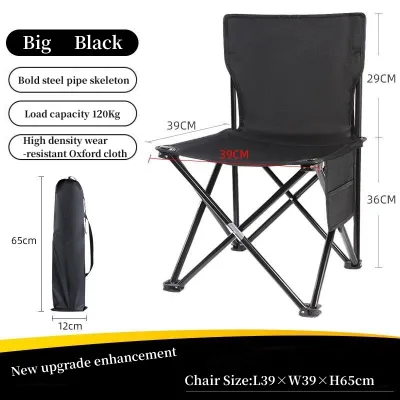
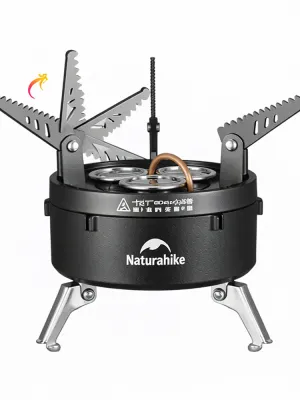
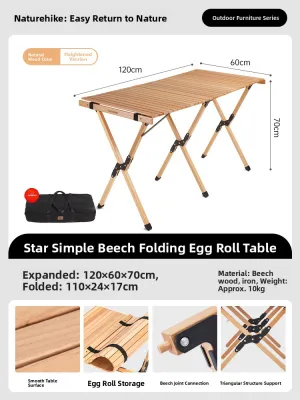
Prices are valid at publication and may change. Please refer to the product page for the latest price.
Environmental triggers during the rainy season significantly accelerate this degradation. High ambient humidity prevents residual water from evaporating quickly, keeping the metal in prolonged contact with moisture even after the rain has stopped. In coastal areas, salt-laden air further intensifies this chemical reaction, making material selection and protective coatings even more critical for anyone camping near the ocean.
Evaluating Frame Materials for Wet Conditions
When shopping for a foldable camp table, the frame material is your first line of defense against rust. You should always verify the material composition by checking the manufacturer’s product labels and specifications rather than relying on visual appearance alone. Aluminum is a popular choice for outdoor frames because it naturally forms a protective oxide layer that resists corrosion. However, for maximum protection in wet environments, look for specifications that explicitly list anodized aluminum, which features an electrolytically thickened protective layer.

Steel frames offer excellent stability and load capacity but require robust surface treatments to prevent rapid rusting in tropical climates. When reviewing product descriptions, check for terms like powder coating or hot-dip galvanization. Powder coating involves applying a dry powder that is cured under heat to form a hard, continuous protective barrier over the steel. Galvanization coats the steel with a layer of zinc, which acts as a sacrificial anode to protect the underlying metal from moisture.
To ensure the quality of these protective barriers, you should closely inspect the thickness and consistency of the coatings. Pay close attention to welded joints, sharp bends, and folding hinges, as these are the areas where factory coatings are most likely to be thin, uneven, or chipped. If purchasing online, zoom in on high-resolution product images to check for uniform color and texture, or perform a physical inspection at a local retailer to ensure there are no exposed metal edges.
Selecting Weather-Resistant Tabletop Materials
The tabletop surface must endure direct exposure to falling rain and standing water without warping, molding, or losing its structural strength. Before making a purchase, review the manufacturer’s care instructions and material tags to understand how the surface handles moisture. High-density polyethylene (HDPE) and other engineered plastics are highly resistant to water absorption, making them excellent low-maintenance options for wet-weather camping.
If you prefer natural materials like wood or bamboo, you must verify that they have been treated with specialized weather-resistant finishes. Look for product specifications indicating the application of marine-grade sealants, polyurethane coatings, or UV-resistant finishes that prevent water from penetrating the wood fibers. Untreated or poorly sealed natural materials can quickly absorb moisture in the humid climate, leading to warping, splitting, and the growth of mold or mildew.
Additionally, the physical design of the tabletop plays a crucial role in water management. Slatted surfaces and roll-up designs allow rainwater to drain freely through the gaps, preventing water from pooling on the surface. Solid tabletops, while providing a continuous flat surface, can trap water if the table is not perfectly level, increasing the risk of moisture seeping into the edges or joints over extended periods.
Inspecting Hardware, Hinges, and Connection Points
While a table’s main frame and tabletop might be highly rust-resistant, the overall durability often depends on the smallest components. Screws, rivets, bolts, and hinge pins are frequently made from different metal grades than the primary frame, making them potential weak points. When evaluating a foldable camp table, check the product specifications for the exact material grade of these connection points, looking for stainless steel or brass hardware.
Manufacturers of high-quality outdoor furniture often incorporate additional protective measures at mechanical joints. Look for product details that mention the inclusion of rust-inhibiting lubricants applied during assembly, or the presence of protective plastic or rubber caps over exposed bolt heads and cut metal edges. These simple additions help shield the most vulnerable parts of the folding mechanism from direct contact with rainwater.
Before taking your table out into the field, establish a physical or visual inspection checklist to evaluate these moving parts. Check that all rivets are tightly secured without gaps where water can collect, and verify that the folding joints move smoothly without grinding. Any friction or resistance during setup can indicate that the protective coating inside the hinge has worn away, exposing raw metal to the damp air.
Rainy Season Care, Drying, and Storage Routines
Even the most weather-resistant foldable camp table requires proper maintenance to survive consecutive rainy seasons. After returning from a wet camping trip, make it a habit to wipe down the entire table with a clean, dry microfiber cloth. Pay special attention to the folding crevices, hinge joints, and the undersides of the tabletop where water droplets tend to cling long after the rain has cleared. Allow the table to fully air-dry in a well-ventilated indoor area before folding it up for long-term storage.
For cleaning, use only safe, manufacturer-approved cleaning agents, such as mild dish soap dissolved in warm water. Avoid harsh chemical solvents or abrasive scrubbing pads, which can scratch or degrade protective powder coatings and anodized finishes. If the manufacturer’s care guide permits, you can apply a thin layer of specialized rust-prevention spray or silicone lubricant to the moving joints to provide an extra barrier against moisture.
Proper storage is critical during the off-season or between camping trips. Never store a damp table inside a sealed plastic bag or a humid, unventilated storage shed, as this creates a greenhouse effect that accelerates rust and mold growth. Store the table in a cool, dry, and well-ventilated space, keeping it elevated off damp concrete floors by placing it on a shelf or wooden pallet to prevent moisture from wicking up through the legs.
Frequently Asked Questions (FAQ)
Can I apply aftermarket rust-proofing sprays to my foldable camp table?
You should always consult the manufacturer’s warranty and care guide before applying any aftermarket chemical treatments or rust-proofing sprays. Some chemical formulations can react negatively with factory-applied powder coatings, anodized layers, or plastic joints, leading to premature degradation or voiding your product warranty. If the manufacturer approves aftermarket treatments, ensure the table is thoroughly cleaned and completely dry before application, and apply the spray in a well-ventilated area, focusing primarily on exposed metal hinges and connection points.
Is a rolled-up aluminum table better than a solid folding table for rainy weather?
A rolled-up aluminum table offers distinct advantages for wet-weather camping because the slatted design allows rainwater to drain immediately, preventing pooling on the surface. This open structure also promotes faster air circulation, which helps the table dry more quickly after a downpour. However, you must check the product label to verify the material used for the connecting cords, elastic bands, or fabric tracks that hold the slats together. Ensure these connecting elements are made from mold-resistant synthetic materials like nylon or polyester, as natural fibers can trap moisture and rot over time.

Community discussion
Share your experience or ask a question. Comments are reviewed before publication.