
Preparing for a lipat bahay in the Philippines requires packing solutions that can withstand high humidity, sudden tropical downpours, and rough transit conditions. Mega storage boxes—typically plastic containers with capacities ranging from 80 to 150 liters or more—offer a robust alternative to traditional cardboard boxes. Choosing the right ones involves evaluating material thickness, lid security, and load-bearing capacity to ensure your household goods arrive intact. By focusing on structural integrity and practical handling features, you can streamline your moving process and protect your belongings from the unique environmental challenges of a tropical move.
Core Criteria for Selecting Large-Capacity Moving Boxes
When planning a household move, defining what qualifies as a “mega” storage box is the first step toward an organized packing strategy. In the context of residential relocation, mega boxes are high-capacity containers designed to consolidate large volumes of goods, typically starting at 80 liters and extending up to 150 liters or more. These containers are particularly useful for reducing the total number of individual packages your movers need to handle, which can significantly speed up loading and unloading times during your lipat bahay.
However, large capacity comes with the risk of overloading. The primary decision factors when selecting these boxes must center on weight capacity limits, structural rigidity, and handle ergonomics. A box with a massive volume is only as useful as its ability to hold weight without buckling. Structural rigidity, often achieved through reinforced plastic formulations and molded outer ribs, ensures that the box maintains its shape under pressure.
Products mentioned in this guide
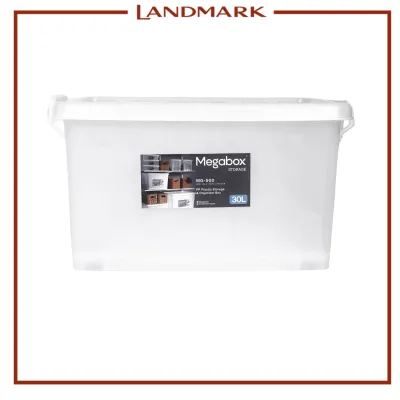
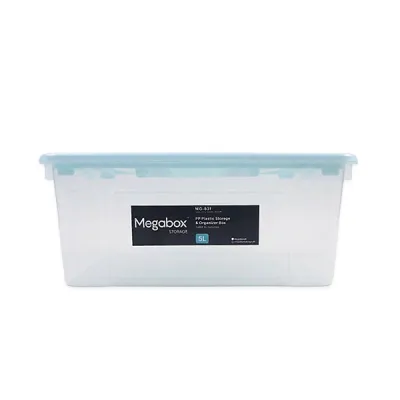
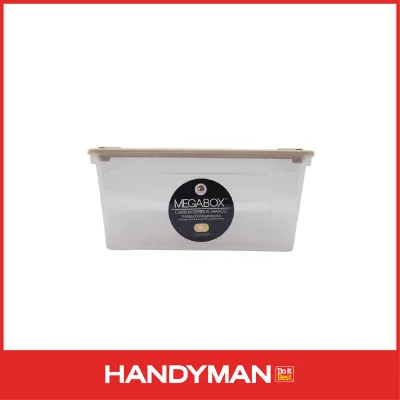
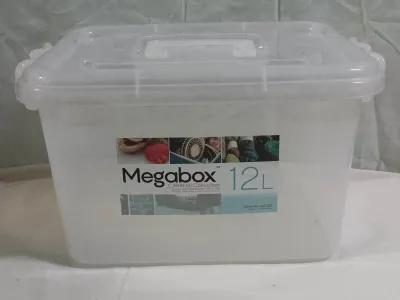
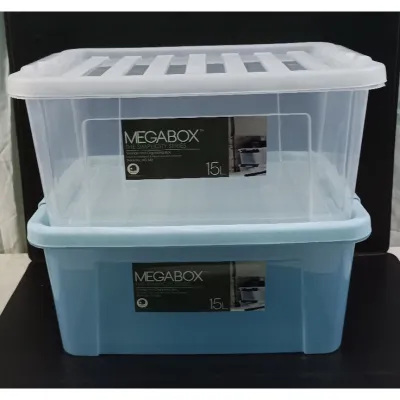
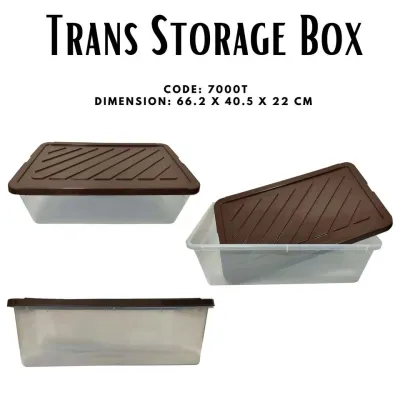
Prices are valid at publication and may change. Please refer to the product page for the latest price.
Handle ergonomics are equally critical because lifting a fully loaded mega box requires a secure, comfortable grip. Look for integrated, molded-in handles rather than thin, clip-on plastic latches that can easily snap under heavy loads. Molded handles distribute the weight more evenly across your hands and reduce the risk of accidental drops during transit.
To determine how many mega boxes you actually need, you must estimate both the total volume and the weight of your household items. Begin by taking a room-by-room inventory, categorizing items by density. For instance, bulky but lightweight items like pillows, blankets, and plastic toys can be grouped into the largest available boxes. Conversely, dense items like books, kitchenware, and tools must be allocated to smaller containers to keep individual box weights manageable.
Essential Features to Verify Before Purchase
Before investing in a large set of plastic storage boxes, conducting a thorough quality check is essential to avoid mid-move failures. Start by evaluating the material and construction of the boxes. High-quality moving containers are typically made from thick, high-impact polypropylene plastic. When inspecting a box, press firmly against the sides and bottom; there should be minimal flexing, and the plastic should not feel brittle or paper-thin.

Pay close attention to the corners and the base of the container. The corners bear the brunt of the impact during loading and stacking, so they should be visibly reinforced with extra plastic thickness or structural ribbing. The base of the box should feature a cross-hatched or ribbed pattern, which prevents the bottom from sagging when the box is lifted.
Lid locking mechanisms are another critical point of failure. A secure lid prevents dust, pests, and moisture from entering your box during transit. Look for heavy-duty latching systems, such as snap-lock buckles that clamp the lid tightly to the box frame. Avoid simple slide-on lids that can easily pop off if the box is slightly deformed by its contents or compressed during stacking.
Ergonomics and handling features can make or break your moving day experience. If you select mega boxes equipped with wheels, verify that the wheels are recessed and sturdy. While wheels make moving heavy boxes across smooth tiled or concrete floors easier, they can cause instability inside a moving truck if they do not nest securely into the lids of the boxes beneath them.
Stackability and space efficiency are vital for maximizing the vertical space inside your moving vehicle. High-quality mega boxes feature interlocking lid designs with deep grooves that match the footprint of the box base. This design prevents stacked boxes from sliding around when the moving truck encounters bumpy roads or sharp turns. Additionally, verify that empty boxes can nest deeply inside one another to save space in your home before the packing process begins.
Finally, consider weather and moisture resistance, which are particularly important in the tropical climate of the Philippines. Sudden downpours during a lipat bahay can ruin cardboard boxes and damage their contents. Plastic mega boxes offer excellent water resistance, but you must check that the lid design sheds water away from the opening rather than allowing it to pool on top and seep through the edges.
Matching Box Specifications to Your Household Items
Not all household items belong in the same type of mega box. To ensure a safe move, you must match the specifications of your containers to the specific categories of items you are packing. This conditional framework prevents damage to both your belongings and the boxes themselves.
For heavy and dense items, such as books, tools, and heavy kitchen appliances, prioritize smaller footprint boxes with high weight limits. Packing these items into a 120-liter mega box will make the container dangerously heavy, leading to bottom failure or physical injury when lifting. Instead, opt for heavy-duty utility crates or smaller plastic bins with reinforced bottoms, keeping the total weight of each container within a safe lifting limit.
Bulky and light items are the ideal candidates for maximum-volume mega boxes. Bedding, winter coats, pillows, comforters, and stuffed toys take up a lot of space but add very little weight. Utilizing 120-liter to 150-liter boxes for these items allows you to consolidate large volumes efficiently. Ensure the lids are securely latched to compress these fluffy items and keep the box profile flat for easy stacking.
Fragile and awkwardly shaped items require a different approach. When packing delicate glassware, electronics, or decorative pieces, check for boxes with smooth interior walls to prevent scratching. Avoid containers with sharp internal structural ribs that could press against and damage wrapped items. Use ample cushioning material, such as bubble wrap or packing paper, and choose boxes with highly secure sealing options to prevent any shifting during transit.
Wardrobe and hanging clothes can be challenging to pack without causing deep creases. For these items, evaluate tall, specialized mega boxes designed specifically for clothing. Some high-capacity plastic wardrobe boxes feature integrated hanging rods or structural supports that allow you to transfer clothes directly from your closet on their hangers. This saves significant unpacking time and keeps your garments clean and ready to wear.
Purchasing Channels and Delivery Verification
Sourcing your moving boxes from reliable channels ensures you receive genuine, durable products that can withstand the rigors of a move. You have several options when purchasing mega storage boxes in the Philippines, each with its own advantages and trade-offs.
General e-commerce platforms and online marketplaces offer convenience and a wide variety of sizes, often at competitive prices. They are excellent for comparing different brands and reading customer feedback. However, local hardware stores and home improvement centers allow you to physically inspect the plastic quality, thickness, and latch security before spending your money. For large-scale moves, specialized packaging suppliers are often the most cost-effective option, as they frequently offer bulk purchase discounts on industrial-grade crates.
When shopping online, always check seller ratings, return policies, and shipping fees. Large plastic boxes are bulky, and shipping costs can add up quickly. Look for sellers that offer reasonable bulk shipping rates or local pickup options to keep your overall moving budget in check.
Once your order arrives, perform a thorough delivery inspection before accepting the items or signing the delivery receipt. Check every box for hairline cracks along the corners and base, as these weak points will quickly split under the weight of your belongings. Verify that the lids are not warped, that all locking latches snap shut securely, and that any included wheels spin freely and are free of defects.
Understanding warranty limitations and return conditions is crucial for moving supplies. Many retailers treat plastic storage boxes as consumable items once they are used for a move. Ensure you report any transit damage or manufacturing defects to the seller immediately upon delivery to secure a replacement or refund before your scheduled moving day.
Safe Packing and Stacking Practices for Mega Boxes
Proper packing and stacking techniques are essential to prevent box deformation, item damage, and physical injury during your lipat bahay. Even the most durable mega box can fail if it is packed incorrectly or stacked unsafely.
Begin with proper weight distribution inside each box. Always place the heaviest items at the bottom of the container to establish a low center of gravity. This prevents the box from tipping over during transit and reduces the stress on the handles when lifted. Fill any remaining empty spaces at the top with lightweight items or crumpled packing paper to prevent the contents from shifting and causing uneven pressure on the box walls.
When stacking mega boxes inside the moving truck, adhere to safe stacking limits. Place the heaviest, most rigid boxes on the floor of the vehicle, and stack lighter boxes on top. Never stack plastic boxes higher than three to four units, even if they feature interlocking lids. Excessive vertical weight can cause the bottom boxes to deform, potentially cracking the plastic or causing the entire stack to collapse during a sudden stop. Ensure the floor surface of the truck is flat and stable before building your stacks.
Clear labeling is another key safety practice. Use waterproof markers or high-visibility adhesive labels to mark the contents and weight status of each mega box. Write “HEAVY” in bold letters on multiple sides of any box that requires two people to lift. This warns your movers and prevents unsafe lifting practices that could lead to back injuries or dropped containers.
Finally, know when to stop stacking and consult professional movers. If you have exceptionally heavy, oversized, or highly valuable items that do not fit safely into standard mega boxes, do not attempt to force them. Professional lipat bahay services have the specialized equipment, strapping systems, and expertise needed to transport these challenging loads safely without risking damage to your home or your belongings.
Frequently Asked Questions (FAQ)
Can I use standard plastic storage bins instead of specialized moving boxes?
Standard plastic storage bins designed for home organization are often made of thinner, more flexible plastic that may not withstand the dynamic stresses of transit. Specialized moving boxes and heavy-duty utility crates feature reinforced corners, thicker walls, and secure latching lids designed to handle stacking and movement inside a truck. Using standard bins for heavy items increases the risk of the plastic cracking or the lids popping off during a bumpy ride.
How do I prevent large plastic boxes from cracking in hot weather during transit?
To prevent plastic boxes from becoming brittle and cracking in the tropical heat of the Philippines, avoid exposing them to direct sunlight for extended periods, especially when loaded. If you are using an open-air truck or pickup for your lipat bahay, cover the stacked boxes with a light-colored tarp to reflect heat. Additionally, avoid over-tightening ratchet straps directly against the plastic corners, as the heat-softened plastic can deform and crack under excessive localized pressure.

Community discussion
Share your experience or ask a question. Comments are reviewed before publication.