
Selecting the right Orican plastic cabinet for a small bedroom requires balancing your specific storage needs with the physical limits of your floor plan. Because bedrooms in tropical climates like the Philippines often face high humidity and limited square footage, a durable plastic cabinet offers a practical, moisture-resistant alternative to traditional wood. Finding the most suitable model depends on matching your clothing inventory—whether you have more folded items or hanging garments—to the cabinet’s internal configuration while verifying its physical footprint and structural stability.
Plastic wardrobes have become a staple in modern households due to their versatility, ease of assembly, and resistance to pests like termites. Unlike heavy wooden closets, these units can be easily rearranged as your room layout changes. However, because space is at a premium in a small bedroom, making an impulse purchase without a clear plan can lead to a cluttered room or a cabinet that does not fully accommodate your wardrobe.
To make an informed decision, you must evaluate your room’s physical constraints, analyze your clothing types, and inspect the build quality of the cabinet. By taking a systematic approach to your purchase, you can find a storage solution that keeps your clothes organized, accessible, and well-preserved without overwhelming your limited living space.
Products mentioned in this guide



Prices are valid at publication and may change. Please refer to the product page for the latest price.
Measure Your Space and Categorize Your Wardrobe
Before browsing online marketplaces or local home improvement stores, grab a tape measure to assess your bedroom’s layout. Measure the exact floor area where you plan to place the cabinet, keeping in mind that every centimeter counts in a compact room. You must account not just for the static width and depth of the unit, but also for the operational clearance. Ensure there is enough space in front of the cabinet for drawers to slide out completely or for swing doors to open fully without hitting your bed frame, desk, or doorway.
Do not forget to measure your vertical space. Checking your ceiling height is especially important if you are considering a tall, multi-tier model that maximizes vertical storage. Additionally, map out the delivery path from your home’s entrance to the bedroom. Measure the narrowest points of your hallways, stairwells, and bedroom door frames. Even though many plastic cabinets are delivered flat-packed for home assembly, verifying these clearances ensures you can easily transport the packaged panels into your room without damaging your walls.
Once you have your physical measurements, turn your attention to your wardrobe. Empty your current storage and sort your clothes into distinct categories: items that must be hung (such as uniforms, collared shirts, and dresses), items that can be folded (like t-shirts, shorts, and activewear), and bulky items (such as bed linens, towels, or heavy denim). This inventory gives you a clear picture of the storage features you need. If your wardrobe consists mostly of folded casual wear, a model dominated by deep drawers is ideal. If you have many formal or work garments, prioritize a model with an integrated hanging rod.
When comparing models, remember that prices in the Philippines can range from ₱1,500 to over ₱5,000 depending on the size and features, so matching the cabinet to your actual storage needs ensures you get excellent value. Taking the time to align your physical space with your clothing inventory prevents the frustration of buying a cabinet that is either too large for your room or too small for your clothes.
Match Orican Cabinet Configurations to Your Clothing Types
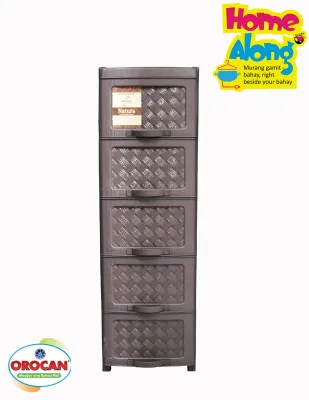
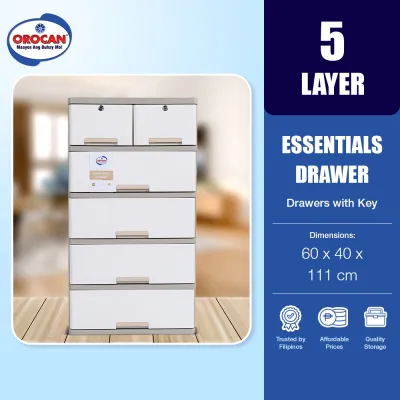
Orican offers various configurations, ranging from multi-tier drawer units to hybrid wardrobes featuring both hanging rods and lower drawers. For everyday casual wear, drawer-heavy units are highly efficient. Drawers allow you to utilize the full depth of the cabinet, and using organization methods like vertical folding lets you see all your clothes at a glance. This setup is particularly useful in compact bedrooms where swing doors would block foot traffic.

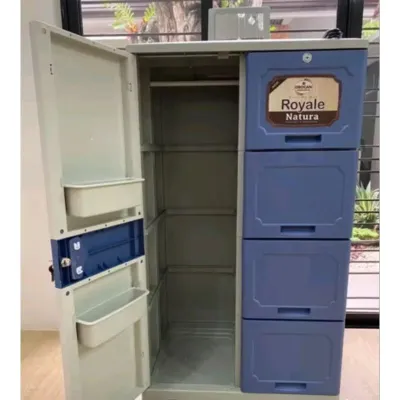
Conversely, if your daily routine requires wrinkle-free attire, look for hybrid models that feature a dedicated hanging compartment. These units typically combine a top hanging section with bottom drawers or shelves. While hanging sections take up more horizontal and vertical space per garment than drawers, they save you time on ironing—a major benefit in warm, humid climates where lightweight fabrics wrinkle easily.
If your bedroom has an extremely tight footprint, utilizing vertical space is highly effective. Look for modular or stackable designs that allow you to build upward rather than outward. A tall, narrow cabinet utilizes unused vertical space up to your ceiling, leaving more open floor area for movement. When choosing these models, always cross-reference the internal compartment dimensions listed in the product specifications with your actual storage accessories. Measure your folded clothes or any fabric storage bins you plan to insert to ensure they fit comfortably inside the shelves or drawers without being squeezed.
Ultimately, the right configuration is one that matches your daily habits. If you prefer a quick, low-maintenance routine, a combination of open shelves and easy-glide drawers will serve you better than a complex system of hanging rods and small compartments. Take a close look at how you naturally handle your laundry and choose a cabinet layout that supports, rather than complicates, your routine.
Verify Build Quality and Weight Capacity
While plastic cabinets are valued for their lightweight and moisture-resistant properties, build quality varies significantly. When evaluating different models, pay close attention to the structural details. Look for units with thick, double-walled panels and reinforced corners, which provide better resistance to bowing under weight. Examine the drawer glide mechanisms; high-quality models feature smooth, integrated tracks or rollers that prevent drawers from sticking or derailing when fully loaded.
Weight capacity is a critical safety and durability factor. Always check the manufacturer’s official specifications for the maximum load limit of each shelf and drawer. Plastic can warp or sag over time if subjected to constant, excessive weight. If you plan to store heavy items like denim jeans, thick jackets, or bed sheets, distribute these items carefully and ensure their combined weight remains well below the recommended limits.
The stability of a freestanding cabinet depends heavily on its base footprint and height. Tall, narrow cabinets have a higher center of gravity, making them more susceptible to tipping, especially when multiple drawers are pulled out or if a child attempts to climb them. Assess the stability of the unit’s base. For any model that stands taller than chest height, plan to use anti-tip anchoring hardware to secure the cabinet frame directly to your bedroom wall. This simple step prevents accidental tipping and ensures a safe living environment.
Investing in a model with robust construction pays off in the long run. A sturdy plastic cabinet will maintain its shape and functionality for years, resisting the wear and tear of daily use. Before finalizing your purchase, read user reviews regarding the long-term durability of the specific model’s joints and hinges, as these are the areas most prone to wear.
Organize and Maintain Your Clothes Inside the Cabinet
Maximizing the utility of a small cabinet requires smart internal organization. Use lightweight internal dividers or small fabric bins inside drawers to keep socks, undergarments, and accessories separated and tidy. For items you do not use daily, such as extra bedding or seasonal clothing, consider using vacuum-seal storage bags. These bags compress bulky fabrics, allowing you to stack them neatly on the top shelves or at the very bottom of the cabinet, freeing up prime storage space.
To streamline your morning routine, arrange your wardrobe by frequency of use. Position your daily essentials—such as work uniforms, casual t-shirts, and everyday undergarments—at eye and hand level where they are easiest to reach. Less frequently worn items, like formal wear or specialized gear, can go on the highest shelves or the deepest parts of the drawers. This layout minimizes the time spent rummaging through the cabinet, keeping your organization system intact.
Because plastic is non-porous, it does not breathe the way wood does. In humid tropical environments, trapped moisture can lead to musty odors or mildew on your clothes. To prevent this, ensure your clothes are completely dry before storing them. Leave a small gap between the cabinet and the wall to promote external airflow, and periodically open the cabinet doors or drawers during dry days to let the interior ventilate. Placing moisture-absorbing sachets or silica gel packs inside the compartments is also an effective way to keep your garments fresh and dry.
Regular maintenance of the cabinet itself is also essential. Wipe down the interior shelves and drawers with a damp cloth and mild soap every few months to remove dust and prevent any buildup of grime. Ensuring the cabinet remains clean and dry not only protects your clothes but also extends the lifespan of the plastic material.
Frequently Asked Questions (FAQ)
Can a plastic cabinet support heavy winter clothes or denim?
Yes, a plastic cabinet can accommodate heavier garments like denim or thick jackets, provided you follow the manufacturer’s load-bearing guidelines. Always verify the weight limits specified for individual shelves and drawers before loading them. To maintain structural integrity and safety, place your heaviest items in the bottom drawers or on the lowest shelves. This keeps the cabinet’s center of gravity low, reducing the risk of the unit tipping forward or the shelves sagging over time.
Additionally, avoid stacking heavy items too high on a single shelf. Distributing the weight evenly across the entire surface of the shelf, rather than concentrating it in the center, helps prevent the plastic from bowing. If you have a large collection of heavy garments, consider dividing them between multiple drawers or using a separate storage chest to avoid overloading a single plastic unit.
How do I prevent a tall plastic cabinet from tipping over?
Preventing a tall plastic cabinet from tipping requires proper physical anchoring and mindful usage. Install an anti-tip safety kit, which typically involves securing a strap or bracket from the back of the cabinet directly into a wall stud or solid wall anchor. This is especially important for lightweight plastic furniture, which can easily lose balance when drawers are extended.
Additionally, practice safe loading habits: place lighter items on the upper shelves, avoid overloading the top sections, and never open multiple drawers at the same time, as the shifting weight can pull the entire unit forward. Educate everyone in the household, especially children, never to climb or lean heavily on the cabinet doors or drawers.

Community discussion
Share your experience or ask a question. Comments are reviewed before publication.