
When preparing for a house move in the Philippines, selecting the right plastic box storage container is the foundation of a damage-free transition. Unlike standard cardboard boxes that can degrade under high tropical humidity or collapse when stacked in a moving truck, heavy-duty plastic containers offer structural integrity and moisture protection. The ideal moving container must balance wall thickness, secure latching mechanisms, and stackable designs to withstand the physical demands of transit and the local climate. Investing in the correct storage solutions ensures that your household goods arrive at your new home in the same condition they left.
Key Structural Features to Evaluate for Moving Durability
The structural integrity of a plastic storage container determines whether it can survive the rigors of a lipat bahay journey. When containers are stacked inside a moving truck, the bottom boxes bear the cumulative weight of everything piled on top of them. To prevent buckling, look for containers with thick, heavy-duty walls made from high-density polyethylene (HDPE) or impact-resistant polypropylene. These materials are less prone to cracking under sudden impacts or temperature fluctuations common in tropical climates.
Ribbed reinforcements along the corners and sides of the container are critical for load-bearing capacity. These molded vertical and horizontal ribs distribute weight evenly down to the base, preventing the walls from bowing outward under pressure. A container with smooth, thin walls may look sleek, but it is highly susceptible to collapsing when subjected to the shifting forces of a moving vehicle. Prioritize designs that feature visible external ribbing, especially around the upper rim and the corners where structural stress is highest.
Products mentioned in this guide
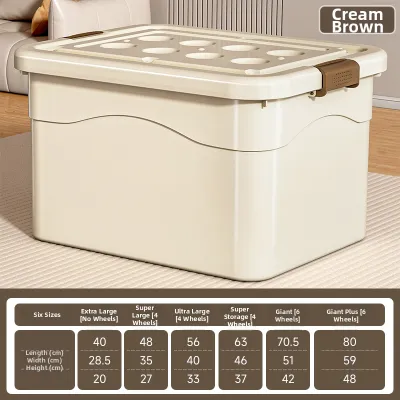
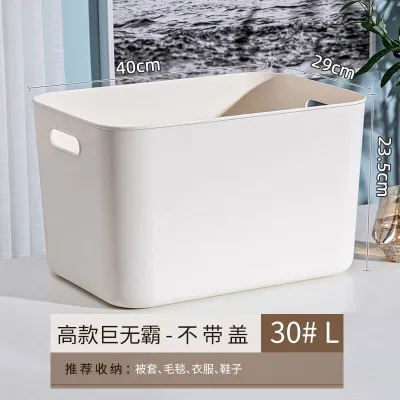
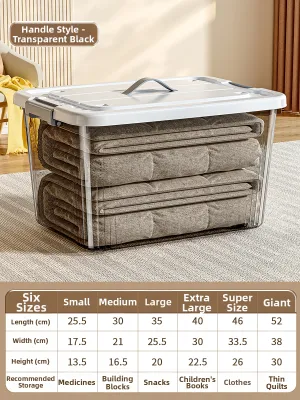
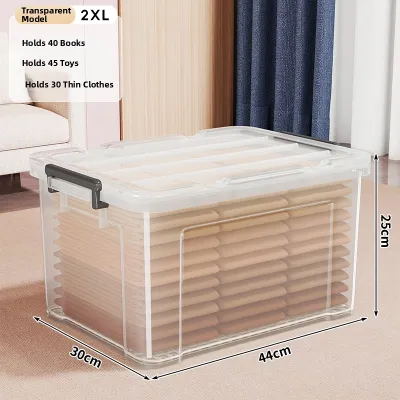
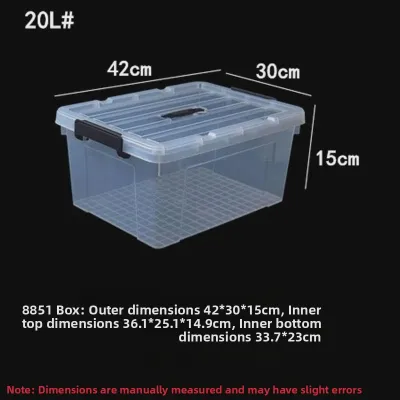
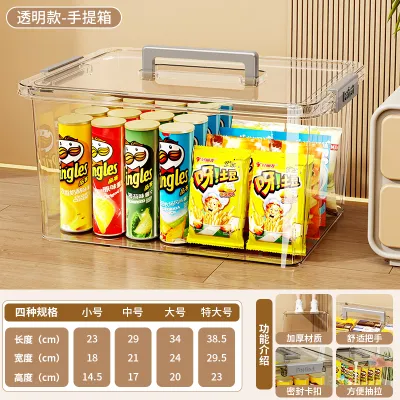
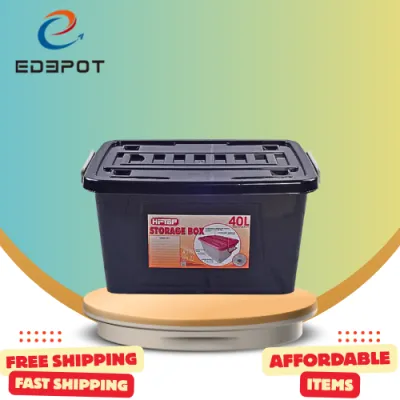
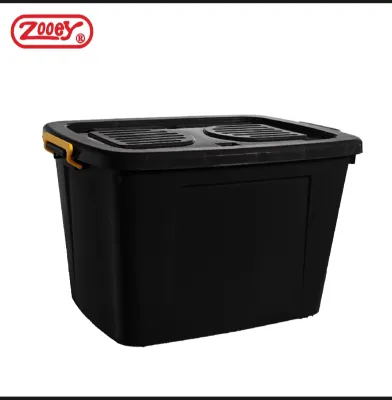
Prices are valid at publication and may change. Please refer to the product page for the latest price.
Lid mechanisms play an equally vital role in maintaining the container’s shape and protecting its contents. Snap-on lids are common for light household storage but often fail during a move because they can easily pop off if the container flexes. Latching lids, which feature heavy-duty plastic or metal clamps that lock onto the rim, provide a far more secure closure. These latches keep the lid firmly attached even if the container is tilted, dropped, or subjected to heavy vibrations on uneven roads.
Handle ergonomics and weight distribution are essential for safe lifting and carrying. Look for integrated, molded-in handles that are part of the container’s main body rather than separate pieces clipped on afterward. These handles should be deep enough to accommodate gloved hands and rounded to prevent cutting into your fingers when carrying heavy loads. Avoid containers with sharp or thin handle edges, as they can cause hand fatigue and increase the risk of dropping the container during transit.
Finally, evaluate the stackability and interlocking base design of the containers. High-quality moving bins feature lids with recessed channels that perfectly match the footprint of the container’s base. This interlocking design prevents stacked bins from sliding forward, backward, or sideways when the moving truck accelerates, brakes, or turns. When containers lock together securely, they form a stable column that maximizes the vertical space of the transport vehicle without risking a dangerous tip-over.
Matching Container Styles to Your Specific Belongings
Not all household items require the same type of protection, meaning a single container style may not suit your entire inventory. Choosing between opaque and clear plastic bins is the first decision to make based on the nature of the items. Clear bins are highly practical for general household goods because they allow you to identify the contents instantly without opening the lid. This visibility speeds up the unpacking process significantly, helping you locate essential items on your first night in the new home.

Opaque containers, on the other hand, are indispensable for items requiring privacy or protection from light. High-value electronics, personal documents, and valuable collectibles should be packed in solid-colored bins to keep them out of sight during the moving process. Additionally, opaque bins protect light-sensitive items, such as photographs or certain plastics, from UV degradation if they are temporarily stored in sunny areas.
The choice between top-opening and front-opening containers depends on how you plan to access your belongings during the transition. Top-opening lids are the standard for moving because they offer maximum structural strength and allow you to pack items tightly from the bottom up. Front-opening or drawer-style containers are convenient for items you might need to access frequently during a prolonged moving process, but they lack the vertical load capacity required for deep stacking in a truck.
Ventilated plastic crates are another option to consider, though they must be used selectively. While solid, sealed containers protect against dust and external moisture, they can trap humidity inside if items are packed damp. Ventilated crates, which feature open grid patterns on the sides, are excellent for transporting non-delicate items like plastic kitchenware, garden tools, or outdoor gear. However, they should be avoided for fabrics, books, and electronics, which are highly vulnerable to dust and tropical rain during transit.
Heavy, Fragile, and High-Value Items
Packing dense or delicate items like books, kitchenware, ceramics, and electronics requires containers with specialized protective features. The base of the container is the most critical point of failure for heavy loads; standard bins often bow downward, which can damage the items inside or cause the container to slip off a stack. Look for bins with reinforced, cross-hatched bases that remain perfectly flat even when loaded to their maximum weight capacity.
The interior walls of the container should be completely smooth, even if the exterior features heavy ribbing. Internal ridges or sharp plastic seams can snag bubble wrap, scratch delicate wooden frames, or chip fragile ceramic edges during transit. A smooth interior allows you to line the container with protective foam or packing paper easily, ensuring a snug and safe fit for fragile belongings.
Secure latching systems are non-negotiable for high-value and heavy items. If a container holding heavy books or fragile glassware is dropped or tilted, the force of the contents shifting can easily burst open a weak lid. Heavy-duty latches that snap shut with a distinct click provide the necessary resistance to keep the lid locked under pressure. For added security, choose containers that feature pre-drilled holes in the lid and rim, allowing you to secure them with zip ties or padlocks during the move.
Clothing, Linens, and Bulky Soft Goods
Soft goods such as clothing, bedding, pillows, and towels present a different packing challenge: they are lightweight but occupy a massive amount of volume. For these items, larger capacity containers are ideal because they allow you to consolidate bulky goods and reduce the total number of individual boxes to manage. However, because these items are susceptible to environmental damage, the container must offer excellent sealing capabilities.
In the Philippines, high relative humidity and sudden tropical downpours can easily ruin fabrics if they are not protected. Look for plastic containers equipped with weather-resistant foam or silicone gaskets embedded in the lid. When the latches are closed, these gaskets compress to form an airtight and water-resistant seal, keeping out moisture, dust, and common household pests like insects or rodents.
To maximize space inside these large containers, consider pairing them with vacuum storage bags. Packing your clothes or linens into vacuum bags first, removing the air, and then stacking the compressed bags inside the plastic container allows you to fit up to three times as much gear in a single bin. This combination not only saves valuable space in the moving truck but also provides a double layer of defense against moisture and odors.
Sizing, Capacity, and Space Planning for Transit
Efficient space planning is the key to a smooth and cost-effective move, and this starts with choosing the right container dimensions. Standard plastic storage bins typically range from small 15-liter organizers to massive 120-liter totes. For moving purposes, medium-sized containers (around 50 to 70 liters) are generally the most versatile. They offer ample space for a wide variety of items while remaining light enough for a single person to lift and carry safely when fully loaded.
When planning your purchase, it is highly beneficial to buy uniform container sizes rather than a mismatched assortment of different brands and dimensions. Uniform containers stack together like building blocks, eliminating wasted space in the moving truck and creating a much more stable load. Mismatched bins leave irregular gaps that can cause the load to shift during transit, potentially leading to damaged items or tipped stacks. If you must use different sizes, ensure they belong to the same product line so they are designed to stack compatibly.
Before committing to a specific container size, measure the cargo dimensions of the vehicle you plan to use, whether it is a personal pickup truck, a rented L300 van, or a larger closed moving truck. Compare these measurements with the exterior dimensions of the containers to calculate how many bins can fit side-by-side and how high they can be stacked. This calculation helps you determine the exact number of containers you need and prevents you from buying bins that are too wide or too tall to fit efficiently.
Do not forget to measure the physical pathways of both your current home and your new residence. Check the widths of doorways, the clearance of tight stairwells, and the interior dimensions of residential elevators. A massive 100-liter container might fit perfectly in the back of a moving truck, but it will cause significant frustration if it cannot clear a narrow apartment hallway or a winding staircase. Ensuring your containers can navigate these tight spaces safely protects both your belongings and the walls of your homes from unsightly scuffs and dents.
Pre-Purchase Inspection and Quality Checks
Buying plastic containers in bulk for a move is a significant investment, making a thorough pre-purchase inspection essential to avoid defective products. If you are shopping at a physical home improvement store, inspect each container individually before heading to the checkout. Look closely for molding defects, such as thin spots in the plastic where light shines through more brightly, as these areas are highly prone to cracking under pressure. Check the corners and the base for hairline fractures or stress marks, which appear as white discoloration in the plastic.
Test the lid seals and latch mechanisms on several units to ensure they function correctly. The latches should snap shut tightly and require a deliberate effort to open, but they should not be so stiff that they feel like they might snap off. If the container features a rubber gasket, check that it is seated evenly in its groove and does not have any tears or gaps. A loose or damaged gasket will fail to provide the moisture barrier needed to protect your items.
Always verify the actual interior dimensions of the container against the advertised exterior dimensions. Manufacturers typically list the maximum exterior measurements, which include protruding handles, lid lips, and wheels. The actual usable space inside the container can be significantly smaller, especially if the walls taper inward toward the base. Bring a tape measure with you to ensure your largest items will actually fit inside the bins you plan to buy.
If you are ordering containers in bulk from an online marketplace or home improvement retailer, review the seller’s return and replacement policies carefully before placing your order. Large plastic items are frequently damaged during shipping if they are not packaged correctly. Ensure the retailer offers a straightforward return process for damaged goods, and inspect your delivery immediately upon arrival so you can report any cracked bins or missing lids before your moving day arrives.
Frequently Asked Questions (FAQ)
Can I use standard household storage bins for moving?
Standard household storage bins are designed for static storage in closets or under beds, meaning they often lack the structural strength required for a physical move. These bins typically feature thin walls and simple snap-on lids that can easily crack or pop open under the weight of stacked items or the vibrations of a moving truck. While they are acceptable for transporting lightweight, non-fragile items like plush toys, pillows, or winter clothing, they should not be used for heavy books, kitchenware, or delicate electronics. For these demanding items, always opt for heavy-duty, reinforced moving totes with secure latching lids.
How do I prevent moisture buildup inside sealed plastic containers?
Preventing moisture buildup is crucial when packing items in a tropical climate like the Philippines, where high humidity can lead to mold and mildew inside sealed bins. First, ensure that every item you pack is completely dry; even a tiny amount of moisture on a freshly washed shirt or a damp kitchen plate can ruin an entire container of goods. Avoid packing your containers outdoors or in high-humidity areas like bathrooms or laundry rooms. To provide extra protection, place several silica gel packets or a hanging moisture absorber inside each container before sealing the lid, which will actively absorb any trapped humidity during transit and storage.

Community discussion
Share your experience or ask a question. Comments are reviewed before publication.