
Selecting reliable plastic storage boxes for moving in the Philippines requires choosing heavy-duty, stackable containers made of impact-resistant polypropylene with secure latching lids. Unlike traditional cardboard boxes, which can soften in high humidity or fail under heavy loads, high-quality plastic boxes protect your belongings from moisture, dust, and pests during transit and storage. To choose the right ones, you must match the box’s structural design to the weight of your items, verify the interlocking lid mechanisms for safe stacking, and ensure the dimensions fit your transport vehicle and new home’s storage spaces.
Relocating in a tropical climate presents unique challenges, particularly when sudden downpours during a lipat-bahay (moving day) can ruin cardboard boxes instantly. Investing in durable plastic storage boxes ensures that your clothes, documents, and electronics remain completely dry and secure. Furthermore, these containers can be reused for years as long-term home organization solutions, making them a highly practical and sustainable investment for your household.
Assessing Your Moving Needs and Space Constraints
Before purchasing any storage containers, take precise measurements of your new home’s storage areas. Measure the height, width, and depth of closets, cabinets, and under-bed clearances where you plan to keep the boxes after the move. This prevents the frustration of buying large containers that ultimately do not fit into your designated storage zones.
Products mentioned in this guide
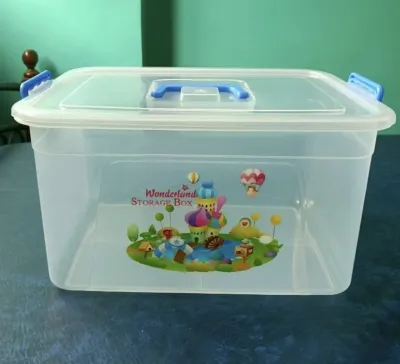
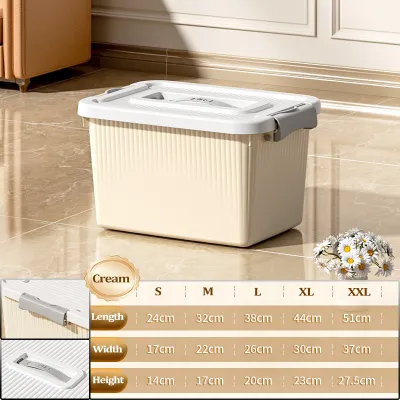
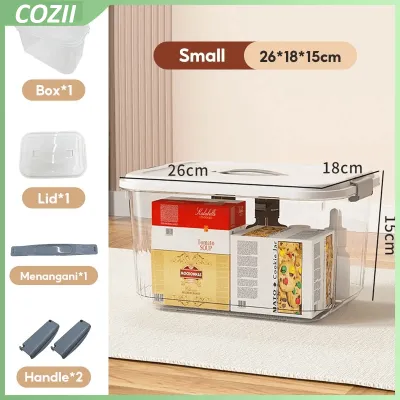
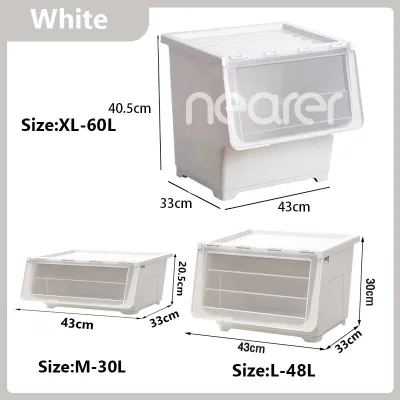
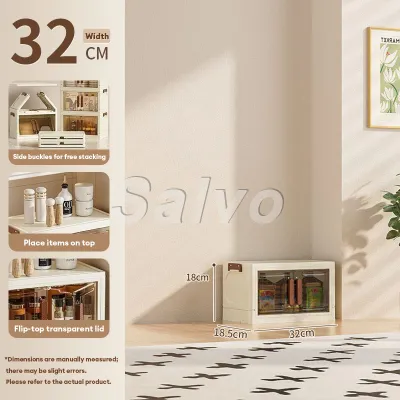
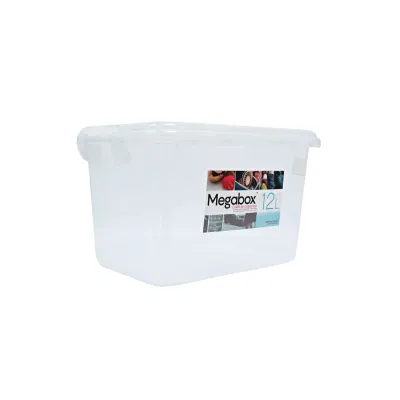
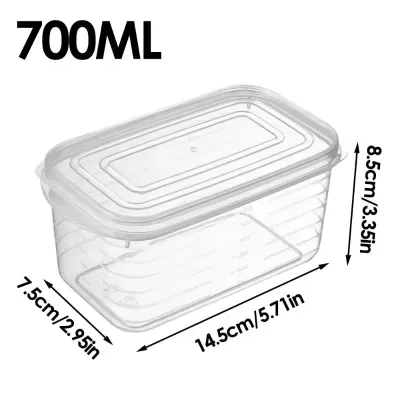
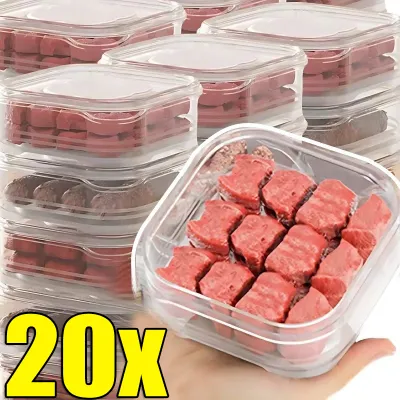
Prices are valid at publication and may change. Please refer to the product page for the latest price.
Next, categorize your belongings by weight and fragility. Grouping items like heavy books, delicate kitchenware, and lightweight bedding separately allows you to estimate how many boxes of each structural type you will need. Overloading a single large box with heavy items makes it difficult to lift and increases the risk of the plastic cracking.
Consider your transport method, whether you are hiring a local moving truck, using a personal vehicle, or navigating tight stairwells in a condominium. Measure the doorways, narrow hallways, and elevator dimensions of both your current and future residences. Ensuring your selected box sizes can easily pass through these bottlenecks prevents moving-day delays and physical strain.
Additionally, estimate the total volume of your belongings to avoid over-purchasing or under-purchasing containers. A helpful approach is to inventory one room at a time, calculating the approximate volume based on standard room sizes and the density of your furniture. Having a clear count of your items helps you purchase the exact number of boxes required, reducing unnecessary expenses and clutter in your current home.
Matching Box Types to Specific Household Items
Selecting the right plastic storage box requires matching the container’s structural reinforcement and dimensions to the density of the items you plan to pack. Dense, heavy items require smaller, more rigid containers, while voluminous, lightweight goods are well-suited for larger, high-capacity boxes.

Using a single, uniform box size for every item in your household often leads to packing inefficiencies and potential damage. Large boxes filled with heavy items become dangerously heavy and prone to structural failure, while small boxes filled with light items waste valuable space in the moving truck. A strategic mix of sizes ensures optimal space utilization and safer handling.
Polypropylene is the preferred material for moving boxes in tropical climates due to its excellent resistance to moisture, chemicals, and physical impact. When selecting boxes, look for the recycling symbol with the number 5, which indicates polypropylene construction. This material maintains its structural integrity even in high-humidity environments, ensuring your boxes will not warp or degrade during the relocation process.
Heavy and Fragile Belongings
For dense or fragile items such as books, ceramic plates, kitchenware, and small household appliances, prioritize small to medium-sized plastic boxes. These smaller dimensions naturally limit the total weight of the packed container, making it manageable for one person to lift safely without straining.
Look for boxes featuring reinforced bases and ribbed exterior walls. Ribbed patterns add structural integrity, preventing the plastic from bowing outward or sagging under heavy loads. This reinforcement is crucial for protecting delicate items from being crushed when boxes are stacked during transit.
Secure, snap-locking lids or heavy-duty latches are essential for these containers. The lids must lock firmly onto the base to prevent them from popping off or shifting when the box is lifted or subjected to vibrations in a moving truck.
Always check the manufacturer’s weight limits printed on the product label or specification sheet before packing. Adhering to these limits ensures the plastic material operates within its safe load capacity, reducing the risk of sudden cracks or structural failure during the move.
To further protect fragile items inside these boxes, use cardboard dividers or bubble wrap to prevent internal collisions. Wrapping each ceramic plate or glass individually and placing them vertically in the box distributes the pressure more evenly, reducing the likelihood of breakage during sudden stops or bumpy road conditions.
Bulky and Lightweight Goods
Voluminous but lightweight items, such as pillows, thick blankets, bedsheets, and seasonal clothing, are ideal candidates for large-capacity or extra-wide plastic storage boxes. These items require maximum volume rather than heavy structural reinforcement, allowing you to pack large quantities without exceeding safe lifting weights.
For these larger containers, consider models equipped with built-in, lockable wheels. Wheels allow you to roll heavy or bulky boxes across flat surfaces in your home, minimizing the need for heavy lifting during the packing and unpacking phases. Ensure the wheels can be locked or nested securely so the box does not roll around inside the moving vehicle.
Ensure the lids of these large boxes provide a dust-proof or highly secure seal. If you plan to store these bulky items in a garage, attic, or closet for an extended period after your move, a tight seal is necessary to protect fabrics from dust, moisture, and common household pests.
To maximize the space inside large boxes, consider using vacuum-sealed storage bags for your bedding and clothing before placing them in the container. Vacuum sealing reduces the volume of soft goods by up to eighty percent, allowing you to fit significantly more items into a single large box while keeping them completely protected from external moisture.
Everyday Essentials and Miscellaneous Items
Everyday essentials, toiletries, cables, and miscellaneous household goods require quick access during the first few days in your new home. For these items, clear or semi-transparent plastic boxes are highly recommended, as they allow you to identify the contents instantly without having to open every container.
Select stackable designs that feature interlocking lids. These lids have recessed channels that match the footprint of the box base, allowing multiple containers to stack securely on top of one another, which saves valuable floor space in temporary staging areas.
Avoid using overly deep boxes for small, miscellaneous items. Deep containers encourage clutter and force you to dig through layers of items to find what you need, which often leads to disorganization and misplaced essentials during the unpacking process.
Implementing a simple color-coding or labeling system on your clear boxes can further streamline the unpacking process. Use colored tape or waterproof labels to designate which room each box belongs to, allowing your moving team to place the containers directly in their respective rooms upon arrival at your new home.
Essential Features to Verify Before Purchasing
Before investing in a set of plastic storage boxes, it is crucial to inspect several key structural features to ensure they can withstand the rigors of a move. First, examine the interlocking mechanism between the lid and the base. A high-quality stackable box should have a lid with deep grooves or ridges that securely hold the base of the box stacked above it, preventing any sliding or shifting when tilted slightly.
Next, evaluate the design of the handles. Recessed handles, which are molded directly into the body of the box, are highly space-efficient because they do not protrude, allowing boxes to be packed tightly against walls or other containers in a moving truck. Protruding handles or clip-on latches can sometimes catch on other objects or break off under pressure, though they often provide a more comfortable grip for carrying.
Assess the thickness and flexibility of the plastic material. High-quality storage boxes are typically made from impact-resistant polypropylene, which offers a balance of rigidity and slight flexibility. Avoid boxes made from thin, brittle plastics that feel stiff and make a sharp, metallic sound when tapped; these are highly susceptible to cracking under impact or when exposed to temperature changes.
Additionally, inspect the quality of the latches and hinges. Heavy-duty latches should snap shut with a distinct, firm click, indicating a secure lock. If possible, perform a quick manual flex test in the store by gently pressing on the sides of the box; a durable container should yield slightly to pressure without showing signs of stress marks or permanent deformation.
Finally, verify if the boxes are designed to nest inside each other when empty. Nesting capability is a vital space-saving feature, allowing you to stack empty boxes compactly before the move or store them efficiently in your new home once they have been unpacked.
Safe Stacking and Transport Practices
Proper packing and stacking techniques are essential to prevent container failure and protect your belongings during transit. Always distribute weight evenly within each box, placing the heaviest items at the bottom of the container to establish a low center of gravity. When loading the moving vehicle, place the heaviest and most rigid boxes at the bottom of the stack, with lighter containers on top.
Fill any empty spaces inside the boxes with soft packing materials, such as bubble wrap, packing paper, or clean towels. This prevents items from shifting during transport, which can cause sudden weight transfers that stress the plastic walls and lead to cracks or tipping.
Limit the stacking height of your plastic boxes according to the manufacturer’s guidelines and the stability of the interlocking lids. Even high-quality plastic has limits, and stacking boxes too high can create an unstable column that is prone to tipping over when the moving vehicle makes sharp turns or sudden stops.
When securing the stacks inside the moving truck, use ratchet straps or ropes to tie down the containers. Avoid stacking plastic boxes directly against sharp metal edges or heavy furniture that could puncture the plastic during transit. Ensuring the stacks are tightly secured prevents shifting and minimizes the risk of damage.
Regularly inspect your stacked boxes during the loading process. If you notice any signs of bowing, lid deformation, or hairline cracks forming in the plastic, stop stacking immediately. Rearrange the load to reduce the weight on the affected containers, and consult the manufacturer’s instructions regarding maximum load capacities to ensure a safe transport environment.
Frequently Asked Questions (FAQ)
Can I use standard storage boxes for long-term storage after moving?
Standard plastic storage boxes can be used for long-term storage, but you must consider the environmental conditions of your storage space. In the humid tropical climate of the Philippines, standard boxes without airtight seals may allow moisture and pests to enter over time. For prolonged storage in non-air-conditioned spaces like garages or attics, look for specialized containers equipped with rubber gaskets or airtight seals to protect your belongings from humidity and insects. Additionally, check the manufacturer’s guidelines regarding prolonged exposure to temperature fluctuations and direct sunlight, as UV rays can degrade certain plastics over time. Placing a few silica gel desiccant packs inside each box before sealing can also help absorb any residual moisture and protect sensitive items like electronics or documents.
How do I clean and maintain plastic boxes before packing?
To ensure your belongings remain clean and free from dust, it is important to clean your plastic storage boxes before packing. Wipe the interiors and exteriors with a soft, damp cloth and a mild dish soap solution. Avoid using harsh chemical cleaners, abrasive pads, or solvents, as these can degrade the plastic surface, make it brittle, or leave behind strong chemical odors that transfer to your clothes or linens. Always allow the boxes to dry completely in a well-ventilated area before packing, as any trapped moisture can lead to mold and mildew growth on your stored items.

Community discussion
Share your experience or ask a question. Comments are reviewed before publication.