
Living in a modern condominium in the Philippines often requires a masterclass in spatial efficiency. With studio and one-bedroom units dominating the urban landscape in major metropolitan hubs, every square meter of floor space must be carefully curated. When family members visit from the provinces or friends stay over for the weekend, providing a comfortable sleeping arrangement without permanently sacrificing your daily living area becomes a primary challenge. A permanent guest bed is rarely a viable option in a compact layout, as it locks up valuable space that could otherwise serve as a home office, a dining area, or a personal workout spot. This is where a high-quality portable foldable bed becomes an essential investment for condo dwellers.
The ideal temporary bed must strike a delicate balance between sleeping comfort and storage convenience. It needs to deploy quickly when duty calls and disappear just as fast when the morning routine begins. However, choosing the right model involves more than simply picking the first option you see on an online marketplace. You must consider how the bed’s folded dimensions align with your available storage, how its materials withstand the local tropical climate, and how its design supports the physical needs of your guests. By understanding the key specifications, structural designs, and spatial requirements of these versatile furniture pieces, you can maximize your condo’s utility while ensuring your guests enjoy a restful night’s sleep.
Why Portability and Storage Matter in Condo Bedrooms
In a compact condominium, floor space is dynamic. During the day, your bedroom or living area might need to function as a workspace, a play area, or a clear path for daily chores. Introducing a traditional, non-folding guest bed permanently robs you of this flexibility, making the room feel cramped and restrictive. A portable foldable bed preserves the multi-functional nature of your home. It allows you to transform any corner into a temporary guest room in a matter of minutes, and then reclaim that exact same floor space once your guests depart. This adaptability is crucial for maintaining a sense of openness and order in homes where space is at a premium.
Products mentioned in this guide
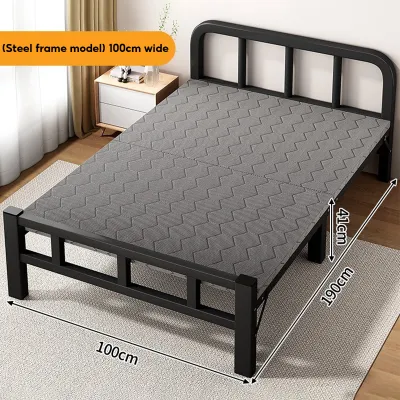
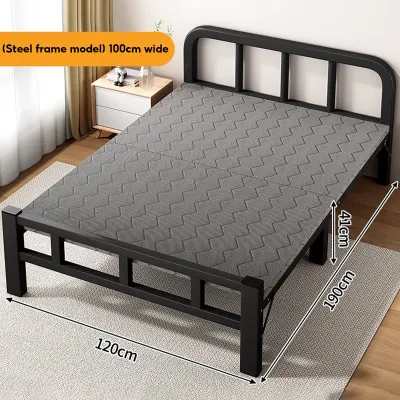
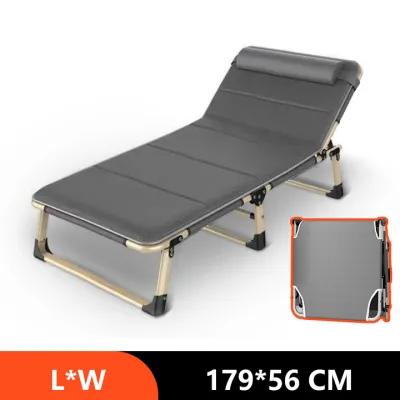
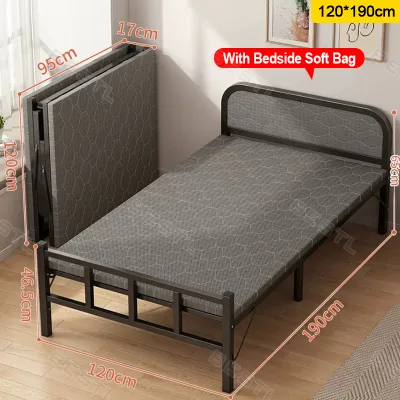
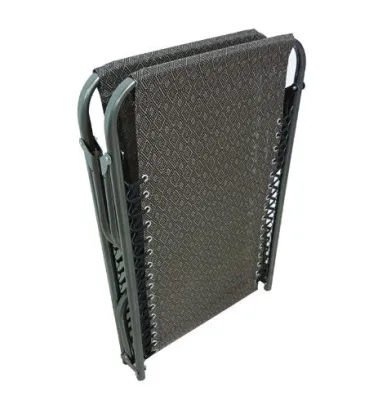
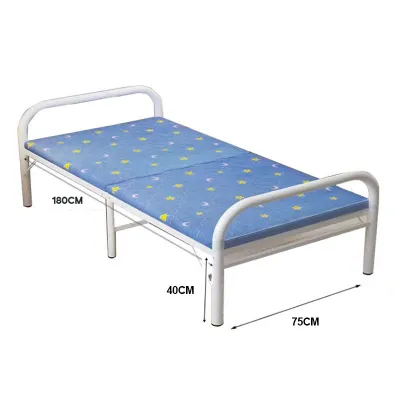
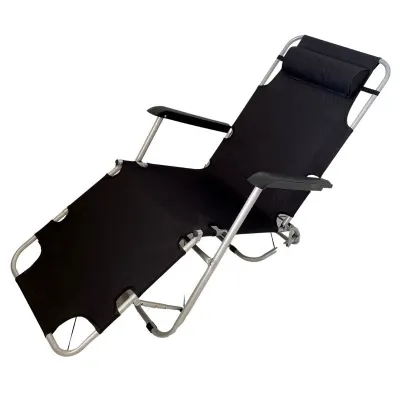
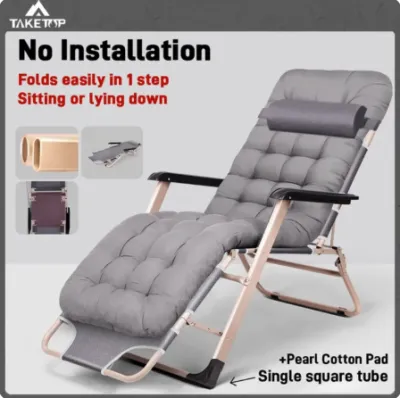
Prices are valid at publication and may change. Please refer to the product page for the latest price.
Furthermore, the ease of setup and teardown directly impacts how often and how comfortably you can host visitors. If a temporary bed requires complex assembly, heavy lifting, or tools, the process becomes a chore that discourages hospitality. Modern foldable designs prioritize user-friendly mechanisms, allowing a single person to unfold and secure the frame without physical strain. This quick transition is especially valuable during busy holiday seasons or unexpected family visits, where setting up a sleeping space needs to be seamless and stress-free.
However, the quest for portability must not come at the expense of sleep quality. A bed that folds down to an incredibly small size might use a mattress that is too thin, leading to a restless night where the sleeper can feel the hard floor or the metal support bars underneath. Conversely, a luxurious, thick mattress might be comfortable to sleep on but nearly impossible to store in a standard condo closet. Achieving the perfect balance means evaluating how the folded footprint of the bed fits into your daily storage solutions while still offering a supportive, high-density sleeping surface that keeps your guests comfortable.
Key Features to Evaluate Before Buying
Before committing to a purchase, it is essential to evaluate several critical features to ensure the bed meets your spatial constraints and comfort expectations.

Folded Dimensions and Weight The most critical factor when selecting a portable foldable bed is its folded footprint. You must verify the exact height, width, and depth of the unit when it is fully closed. Compare these measurements against your intended storage areas, such as standard condo closets, the gap behind a wardrobe, or the clearance space under your main bed frame. Weight is equally important; a bed that is too heavy will be difficult to maneuver down narrow condo hallways or lift into overhead storage compartments. Look for lightweight yet structurally sound designs that you can comfortably handle without assistance.
Mattress Thickness and Support The quality of the mattress determines how well your guests will sleep. For foldable beds, mattresses typically range from thin foam pads to thicker, multi-layered cushioning systems. Evaluate the density of the foam; high-density polyurethane foam offers excellent support and retains its shape over time, whereas low-density foam may sag quickly under weight. If you opt for a model with a spring system, ensure the springs are well-insulated by thick padding so they do not poke through the fabric. A mattress thickness of at least two to four inches is generally recommended to provide adequate cushioning from the underlying frame or floor.
Frame Material and Stability A sturdy frame is the foundation of a safe and comfortable foldable bed. Look for frames constructed from powder-coated steel or reinforced metal tubing, which offer excellent weight capacity and resistance to bending. Pay close attention to the joints, hinges, and rivets; these moving parts are the most common failure points. High-quality frames feature reinforced connections that prevent the bed from squeaking, wobbling, or sagging when the sleeper shifts weight. Additionally, check that the legs are equipped with protective rubber caps or non-slip pads to prevent them from scratching or denting your condo’s vinyl, laminate, or ceramic tile flooring.
Wheel and Locking Mechanisms If you choose a rollaway style bed, the quality of the wheels, or casters, is paramount. The wheels should roll smoothly across various floor surfaces without leaving scuff marks. Look for heavy-duty casters that can swivel 360 degrees, making it easy to navigate tight corners and narrow doorways. More importantly, the bed must feature reliable locking mechanisms on at least two of the wheels. These locks prevent the bed from rolling or sliding unexpectedly when a guest climbs in or out, ensuring a stable and secure sleeping experience throughout the night.
Types of Foldable Beds Suited for Small Spaces
When exploring the market for portable sleeping solutions, you will find two primary categories that are exceptionally well-suited for compact condominium layouts. While specific brand names and models vary across local furniture stores and online marketplaces, understanding these core designs allows you to match the right bed type to your specific space constraints, budget, and guest requirements.
Rollaway Beds with Integrated Mattresses
Rollaway beds are a classic choice for those who want to provide a sleeping experience that closely mimics a traditional bed. These units consist of a metal frame that folds in half vertically, with the mattress nested inside the folded structure. They are typically equipped with wheels at the center hinge, allowing you to roll the entire assembly from the storage closet to the sleeping area with minimal effort.
This style is best suited for condos that have closets with adequate depth or a dedicated utility room where the upright frame can be tucked away. Because the bed is elevated off the ground, it is much easier for guests—especially older adults or individuals with joint sensitivity—to get in and out of bed. The raised frame also provides a familiar, comfortable sleeping height that feels less like a temporary setup and more like a permanent guest room.
However, rollaway beds do have a larger folded footprint compared to other options. You must carefully check the folded depth and width to ensure the unit can clear your standard condo doorways, sliding closet tracks, and narrow hallway corners. Keep in mind that while a thicker, more luxurious mattress will significantly improve comfort, it will also increase the overall thickness of the bed when folded, requiring more storage space.
Bi-Fold or Tri-Fold Foam Floor Beds
For extremely tight spaces where a metal frame is impractical, bi-fold or tri-fold foam floor beds offer an incredibly versatile and space-saving alternative. These beds consist of high-density foam blocks encased in a durable fabric cover, split into two or three hinged segments. They fold flat into a compact, rectangular block that can easily slide under an existing bed frame, stand upright in a shallow closet, or fit neatly into a corner nook.
One of the greatest advantages of a tri-fold mattress is its multi-functional design. When not in use as a bed, many models can be folded into a low-profile floor sofa, a comfortable lounge chair, or a play mat for children. This dual-purpose capability is highly valuable in studio condos, where furniture must often perform multiple roles to justify its presence. They are also lightweight and highly portable, making them easy to transport if you move to a new unit.
The primary trade-off with a floor bed is its low sleeping profile. Because the mattress sits directly on the floor, it may not be suitable for guests who have difficulty bending down or rising from a low position. Additionally, using a mattress directly on the floor requires extra care in the humid Philippine climate. You must verify that the floor surface is completely clean, dry, and free of dust before laying the mattress down. Placing a barrier, such as a clean mat or sheet, underneath the foam can help prevent moisture buildup, dust accumulation, and potential mold growth.
Measuring Your Condo for a Proper Fit
To avoid the frustration of purchasing a portable bed that is too large to store or too cumbersome to deploy, you must conduct a thorough physical verification of your condo’s dimensions before making a final decision. Relying on visual estimates often leads to layout conflicts, so grab a tape measure and follow these essential steps.
First, measure your designated storage area with precision. If you plan to store a rollaway bed in a closet, measure the interior height, width, and usable depth, taking into account any sliding door tracks or shelving units that might obstruct the bed. If you intend to slide a tri-fold mattress under your main bed, measure the vertical clearance from the floor to the lowest point of the bed frame, as well as the horizontal space between the bed legs. Ensure there is at least a two-centimeter buffer on all sides so you can slide the bed in and out without scraping the walls or damaging the furniture.
Second, map out the path of travel from your storage area to the deployment zone. Measure the width of all bedroom doors, hallway passages, and corner turns. If you live in a high-rise condominium, do not forget to measure the dimensions of the building’s elevator doors and interior cabin. A portable bed that cannot fit inside the elevator or navigate a tight stairwell turn will be incredibly difficult to bring up to your unit. Checking these transit clearances beforehand ensures a smooth delivery and hassle-free movement within your home.
Finally, visualize the fully expanded footprint of the bed in your living or sleeping area. Use masking tape or lay down newspapers on the floor to represent the exact length and width of the bed when fully opened. Walk around this temporary outline to confirm that there is still adequate walking clearance—ideally at least 50 to 60 centimeters—so you and your guests can move safely around the room. Ensure that the expanded bed does not block main pathways, bathroom doors, wardrobe panels, or the access path to your balcony.
Maintenance and Care for Longevity
A portable foldable bed is an investment in your home’s hospitality, and proper maintenance is key to ensuring it remains comfortable and functional for years to come.
Regularly inspect the structural components of the bed frame. If your bed features a metal frame, check the hinges, folding joints, wheels, and locking pins for any signs of wear, rust, or loose hardware. Tighten any loose screws or bolts with a screwdriver to prevent the frame from warping or developing annoying squeaks over time. Applying a small amount of silicone lubricant to the moving joints once a year can keep the folding mechanism operating smoothly and quietly.
Moisture control is another critical aspect of mattress care, particularly in the humid tropical climate of the Philippines. When stored in dark, enclosed closets, mattresses can easily trap ambient humidity and sweat, leading to musty odors or mold growth. To prevent this, air out the mattress periodically. After your guests depart, leave the mattress unfolded in a well-ventilated room with the windows open or a fan running for a few hours before packing it away. Avoid exposing the foam directly to harsh, midday sunlight, as extreme heat can degrade the structural integrity of polyurethane foam.
Lastly, maintain a clean sleeping surface by using removable, washable mattress protectors and covers. This extra layer shields the mattress from spills, sweat, and dust mites. Regularly vacuum the mattress surface using an upholstery attachment to keep it fresh and allergen-free. For the metal or wooden frame, a simple wipe-down with a dry or slightly damp microfiber cloth is sufficient to remove dust and prevent moisture from settling on the surfaces.
Frequently Asked Questions (FAQ)
Can I use a portable foldable bed every night?
While high-density foam mattresses and sturdy rollaway beds offer excellent support for short-term stays, they are generally designed and engineered for temporary guest use. Using a foldable bed as your primary, every-night sleeping surface is not recommended for long-term spinal health. Over time, the constant daily weight concentrated on the folding joints or the center of the foam can cause the mattress to sag prematurely, reducing its ability to provide proper spinal alignment. For daily use, a standard, non-folding mattress on a solid bed frame remains the best choice for physical support and durability. Keep your portable bed reserved for guests to extend its lifespan and maintain its comfort levels.
How do I prevent a foldable mattress from getting moldy in storage?
Preventing mold in a humid environment requires careful storage practices. Always ensure the mattress is completely dry before folding and storing it away; even slight dampness from sweat or humidity can trigger mold growth in a dark closet. Store the bed in a dry, well-ventilated area of your condo, and avoid placing it directly against cold exterior concrete walls, which are prone to condensation during heavy rains. To add an extra layer of protection, place moisture-absorbing sachets, silica gel packs, or hanging dehumidifier bags inside your storage closet. Wrapping the folded mattress in a breathable, zippered storage bag can also shield it from dust and ambient moisture while still allowing air to circulate.

Community discussion
Share your experience or ask a question. Comments are reviewed before publication.