
To find the right San Yang display cabinet for organizing books and decor in your home study, you must balance structural load capacity with visual appeal. In the Philippines, where tropical humidity can affect both paper documents and wooden furniture over time, selecting a cabinet requires looking closely at material finishes, shelf support systems, and spatial layouts. A successful setup keeps your frequently referenced books within arm’s reach while protecting delicate decorative items, certificates, and collectibles from dust and moisture. By focusing on verifiable product specifications, precise room measurements, and your daily workflow, you can select a durable piece of furniture that enhances your productivity and elevates the aesthetic of your workspace.
Choosing a cabinet is not just about finding a piece that fits an empty corner; it is about understanding how the unit will interact with your daily routine. Books are exceptionally heavy when packed together, meaning a standard decorative shelf might bow or sag under the weight of thick law books, medical journals, or engineering manuals. Conversely, a purely utilitarian bookcase might lack the glass doors or open display areas needed to showcase personal achievements, family photos, or curated art pieces. San Yang offers a variety of configurations, from fully open bookshelves to glass-fronted display cabinets and hybrid units with lower wooden doors. Finding the right balance involves assessing your specific inventory of items, checking the physical limits of the furniture, and planning for a safe, stable installation in your home.
Measure Your Study Space and Categorize Your Storage Needs
Before browsing online marketplaces or visiting a local showroom, you must establish the physical boundaries of your study. Begin by measuring the exact floor footprint where you plan to position the cabinet, taking note of baseboards which can prevent a unit from sitting completely flush against the wall. Measure the ceiling height carefully, especially if you are considering tall, multi-tier display cabinets that maximize vertical space. It is equally critical to measure the clearance of your doorways, hallways, and any stairwells leading to your study. Many delivery challenges in Philippine homes arise when a pre-assembled or flat-packed cabinet box cannot navigate tight corners or low-clearance staircases, turning an exciting purchase into a logistical headache.
Products mentioned in this guide
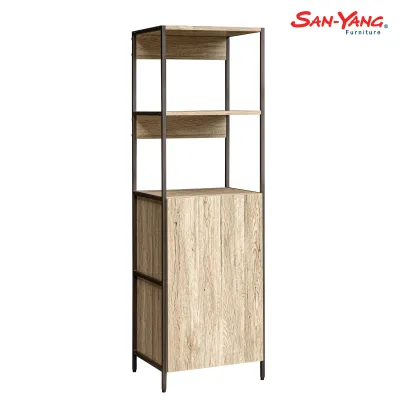
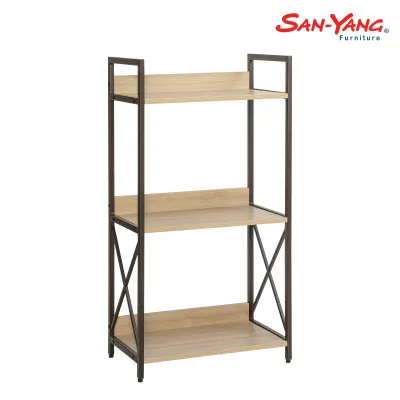
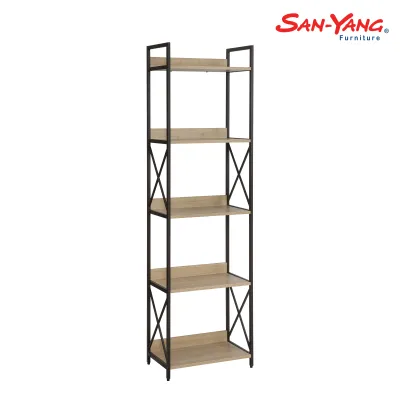
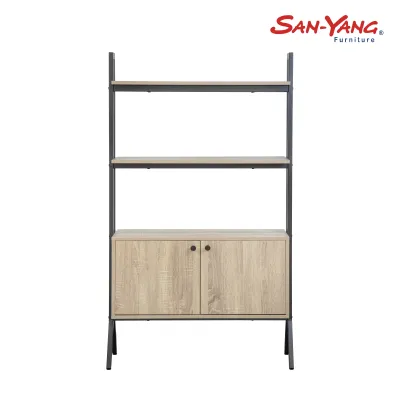
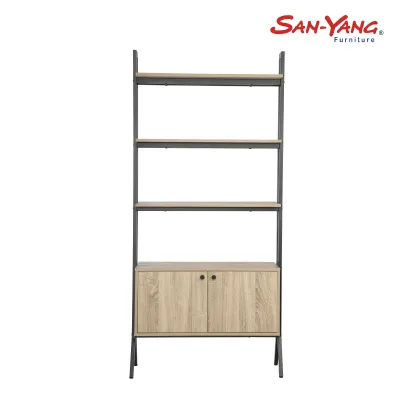
Prices are valid at publication and may change. Please refer to the product page for the latest price.
Once you have documented your spatial limits, turn your attention to the items you intend to store. Categorize your belongings into distinct groups based on their weight, size, and frequency of use. Heavy items, such as multi-volume encyclopedias, binders, and textbook collections, require robust support and should be grouped together so you can calculate the total weight load. Lightweight items, including framed certificates, travel souvenirs, small indoor plants, and decorative pottery, can be set aside for higher, more visible shelves. This categorization helps you estimate the total linear shelf space you need and prevents the common mistake of overloading delicate decorative shelves with heavy reference materials.
The layout of your study also dictates whether a freestanding cabinet or a wall-aligned unit is more appropriate. Consider the placement of windows, air conditioning units, and existing furniture like your desk and office chair. In a tropical climate, placing a wooden cabinet directly in the path of intense afternoon sunlight can cause finishes to fade, while positioning it too close to an air conditioner’s direct airflow might expose it to rapid temperature fluctuations. Ensure that the cabinet’s doors—whether sliding or hinged—have ample clearance to open fully without colliding with your desk chair or blocking natural light paths. Freestanding units offer flexibility for future room rearrangements, but they must still be positioned on a perfectly level floor to prevent wobbling or structural strain.
Evaluate Structural and Functional Features for Books and Decor
When evaluating a San Yang display cabinet, the structural integrity of the shelves is your primary defense against sagging and long-term damage. Examine the manufacturer’s product specifications for the maximum weight capacity per shelf, which is typically listed in kilograms. Pay close attention to the thickness of the boards; thicker engineered wood or medium-density fiberboard (MDF) with high-quality laminates generally offers better resistance to bending under load. Look for designs that incorporate center support bars, reinforced back panels, or thick horizontal frames that distribute weight more evenly across the span of the shelf.

Adjustability is another crucial feature to verify when matching a cabinet to a diverse collection of books and decor. Fixed shelves limit your storage options, forcing you to stack tall binders horizontally or leave empty, wasted space above smaller novels. Look for cabinets that feature adjustable shelf mechanisms with sturdy metal support pins rather than plastic ones. Check the spacing of the pre-drilled pin holes along the inner sides of the cabinet; closely spaced holes allow for micro-adjustments, enabling you to customize the height of each compartment to fit oversized art books or tall decorative vases perfectly. This flexibility ensures that every cubic inch of your cabinet is utilized efficiently without compromising the visual balance of your display.
The quality of the surface materials and hardware determines how well the cabinet will withstand daily wear and tear in a busy home office. In humid environments, high-quality edge banding is essential to protect the inner core of engineered wood from moisture absorption, which can cause swelling or peeling. Inspect the product details for scratch-resistant laminate finishes, such as melamine, which are easier to wipe clean and resist the scuffs caused by sliding heavy books in and out. Additionally, evaluate the hardware specifications, looking for soft-closing hinges on wooden doors and smooth-gliding tracks for sliding glass doors. High-quality hardware not only improves the tactile experience of using the cabinet daily but also prevents the jarring vibrations that could cause delicate glass or ceramic decor items to shift and fall.
Match the Cabinet Configuration to Your Daily Workflow
Your daily workflow and personal habits should guide the visual configuration of your display cabinet. If you frequently reference books throughout the day, an open-shelving design or a unit with easily accessible open compartments is highly practical, as it eliminates the extra step of opening doors every time you need a manual. However, open shelves expose your books and decor to dust, which can accumulate quickly in urban Philippine households. If you own delicate collectibles, rare book editions, or intricate decor pieces that require protection, a cabinet with glass doors is an excellent choice. Glass doors keep dust at bay while keeping your prized possessions fully visible, creating an inspiring backdrop for your virtual meetings and daily work.
A hybrid cabinet configuration offers the best of both worlds by balancing open display space with concealed storage. Units that feature a lower section with solid wooden doors or drawers and an upper section with open shelves or glass doors are highly functional for a home study. The lower closed compartments allow you to hide unsightly office clutter, such as printer paper, cables, charging docks, and loose files, keeping your workspace looking organized and professional. Meanwhile, the upper display area remains dedicated to your favorite books, awards, and decorative accents, keeping your sources of inspiration at eye level without overwhelming the room with visual clutter.
For studies with non-traditional layouts or limited square footage, specialized cabinet designs can maximize efficiency. Modular units allow you to start with a single cabinet and expand your storage horizontally or vertically as your collection grows, ensuring your furniture adapts to your changing needs. Corner display cabinets are ideal for utilizing underused corners, turning an awkward architectural feature into a functional focal point. Alternatively, a low-profile console-style cabinet can be placed behind your desk or beneath a window, providing a convenient surface for a printer or desk lamp while keeping your books easily accessible without blocking natural light or making a small room feel cramped.
Final Pre-Purchase Checks and Safe Assembly Planning
Before finalizing your purchase of a San Yang display cabinet from an online marketplace or an authorized retailer, conduct a thorough review of the product listing. Double-check the exact dimensions—width, depth, and height—against the measurements you took of your study space to confirm a perfect fit. Review the list of included hardware and verify the warranty terms, return policies, and customer support contact details provided by the seller. Reading verified customer reviews can also offer valuable insights into the actual color accuracy of the finish, the clarity of the assembly instructions, and the overall stability of the unit once fully constructed.
Safety must be a top priority, particularly when installing tall or heavy furniture in a home study. Tall display cabinets have a higher center of gravity, making them susceptible to tipping over if they are overloaded, unevenly loaded, or subjected to sudden impacts. Check the product manual or listing details to see if the cabinet includes wall-anchoring hardware, such as safety straps or L-brackets. In households with active pets or young children, anchoring the cabinet securely to a wall stud is an indispensable safety measure that prevents accidental tip-overs and ensures long-term peace of mind.
Proper preparation is key to a smooth and successful assembly process. Clear a spacious, clean area on your study floor, and lay down a soft blanket or the cardboard packaging material to protect the cabinet panels from scratches during assembly. Gather the necessary tools beforehand, such as a rubber mallet, a level, and a high-quality screwdriver, rather than relying solely on the basic tools included in the box. If you are assembling a large, heavy, or highly complex modular unit with multiple glass doors, consider inviting a family member to assist you or hiring a professional assembly service. Having an extra pair of hands ensures that heavy panels are aligned correctly, glass components are handled safely, and the entire structure is joined securely without damaging the materials.
Frequently Asked Questions (FAQ)
How do I prevent wooden shelves from sagging under heavy books?
To prevent wooden shelves from sagging, always check the manufacturer’s product manual for specific weight limits and structural guidelines. Distribute the weight of your books evenly across the entire length of each shelf rather than stacking them all in the center, which concentrates stress on the weakest point. Place your heaviest items, such as large reference manuals, binders, and encyclopedias, on the lowest shelves of the cabinet to maintain a low center of gravity and maximize overall stability. For long shelves, look for units that feature center support brackets or reinforced back panels, which help distribute the load and preserve the straight, clean lines of your furniture over years of use.
What is the best way to clean glass doors on a display cabinet without streaking?
To clean the glass doors of your display cabinet without leaving unsightly streaks, use a dedicated glass cleaner or a mild solution of water and vinegar paired with a clean, lint-free microfiber cloth. Avoid spraying the cleaning liquid directly onto the glass, as excess moisture can run down into the wooden or laminated frame, leading to swelling, warping, or damage to the edge banding over time. Instead, spray a small amount of cleaner directly onto the microfiber cloth and gently wipe the glass in a consistent Z-shaped pattern. Always refer to the manufacturer’s care instructions to verify if the glass has any special coatings, tints, or tempered treatments that require specific, non-abrasive cleaning methods.

Community discussion
Share your experience or ask a question. Comments are reviewed before publication.