
Finding the ideal shelf rack for your home study room requires balancing your storage volume, available floor space, and the weight of your materials. There is no single style that fits every home office; instead, the right choice depends on whether you need to store heavy academic textbooks, organize loose files, or display lightweight decorative items. Standard vertical bookcases offer the highest weight capacity for extensive libraries, modular cubby organizers provide excellent versatility for mixed supplies, and leaning ladder shelves maximize visual openness in compact rooms.
Assessing Your Study Room Space and Storage Needs
Before browsing online marketplaces or local furniture showrooms, establish the physical boundaries of your study room. Measure the exact floor area where the rack will stand, noting baseboards, light switches, and wall outlets. Also, measure the vertical clearance to the ceiling and the width of your doorways, hallways, and stairwells to ensure the flat-pack boxes or pre-assembled units can reach the room.
Next, inventory what you plan to store. Group items by weight and size: heavy reference volumes, standard A4 binders, softcover novels, and small stationery. If your inventory consists mostly of heavy paper documents, you need a structure designed for load-bearing stability. Conversely, a mix of small office supplies is better suited for a system accommodating storage bins.
Products mentioned in this guide
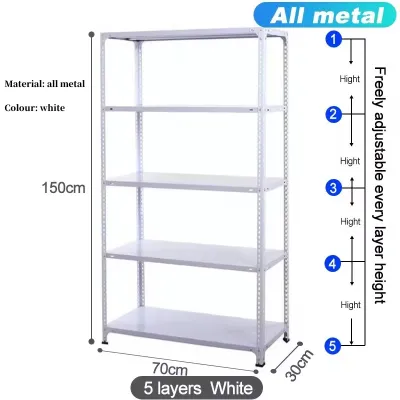
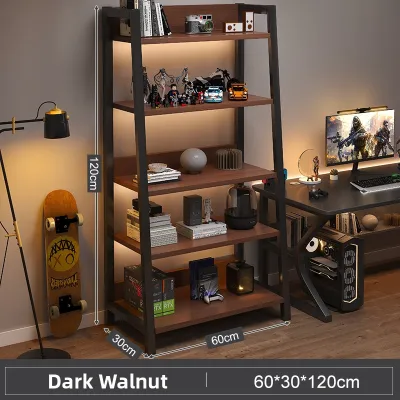
Prices are valid at publication and may change. Please refer to the product page for the latest price.
Finally, consider the local environment. In tropical climates like the Philippines, high humidity and dust can quickly degrade paper documents. Deciding between open shelving for quick access and enclosed cabinets with glass or solid doors is crucial. Enclosed units shield sensitive documents from dust and moisture, while open racks promote airflow, preventing musty odors in non-air-conditioned spaces.
Comparing Shelf Rack Styles for Study Environments
Selecting the right structural design ensures your furniture complements both your daily workflow and the room’s layout. Standard, modular, and leaning shelf racks each interact differently with traffic patterns and natural light. Choosing a style that matches your room’s architecture prevents the space from feeling cramped.

A bulky cabinet placed near a window can block natural light and cast deep shadows. Conversely, a low-profile modular unit keeps sightlines open, making a small study feel larger. Consider how you move through the room daily, ensuring that cabinet doors or deep shelves do not obstruct walkways when fully opened.
Standard Bookcases and Tall Cabinets
Traditional vertical bookcases and tall cabinets remain the standard choice for high-volume book storage. These units utilize vertical wall space efficiently, making them ideal for dedicated study rooms with large collections of textbooks or reference manuals. When evaluating standard bookcases, ensure adjustable shelves rest on sturdy metal pegs rather than thin plastic clips.
Always check the manufacturer’s load ratings to ensure the shelves can support heavy items without bending. While open bookcases offer immediate access, they expose your collection to dust. If you choose a tall cabinet with doors, you gain excellent protection, though you must allow extra clearance space in front for the doors to swing open.
The ideal scenario for a standard bookcase is a full, uninterrupted wall. Placing a tall, heavy unit against a solid wall anchors the room visually and provides a centralized library zone. This setup keeps your desk free from clutter and concentrates your heavy storage in one secure, highly accessible location.
Cubby Organizers and Modular Units
Cubby organizers and modular units feature a grid-like structure that excels at categorizing diverse study supplies. These racks are highly adaptable, allowing you to mix open book storage with fabric or plastic bins that slide directly into the individual compartments. This setup is perfect for hiding loose cables, stationery, and project files.
The modular nature of these units means you can expand your storage as your needs grow, either by stacking compatible blocks vertically or lining them up horizontally. However, you must respect the structural stability limits set by the manufacturer. Stacking modular units too high without proper interlocking hardware can compromise stability.
Modular racks are particularly useful in shared study spaces or multi-functional home offices. You can easily assign specific rows or columns to different family members or separate your professional work files from personal reading materials. This clear visual division helps maintain organization in a busy household.
Ladder and Leaning Shelves
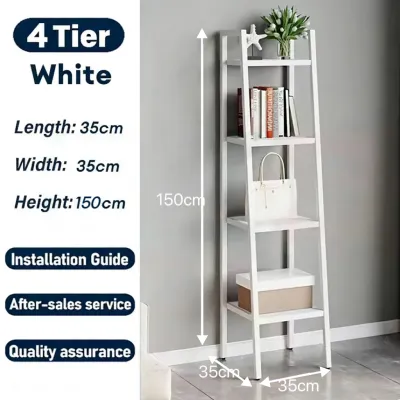
Ladder and leaning shelves offer a modern, minimalist aesthetic that works beautifully in compact study rooms. Because these shelves taper upward—with the deepest shelves at the bottom and shallower shelves at the top—they occupy a very small floor footprint. This angled profile creates visual openness, preventing a small room from feeling boxed in.
While stylish, leaning shelves have strict weight distribution limits. The angled design relies on a stable base and secure contact points against the wall, meaning they cannot support rows of heavy textbooks. You must place lighter items, such as decorative plants, small notebooks, or framed photos, on the upper shelves to maintain a safe center of gravity.
These racks are best suited for awkward corners, narrow walls, or as secondary storage next to a reading chair. They provide a convenient spot to keep current reading materials, a cup of tea, or a small desk lamp within arm’s reach without taking up the floor space required by a traditional cabinet.
Matching Rack Types to Specific Study Supplies
To prevent your shelf rack from sagging or failing, you must match its physical dimensions and material strength to the specific items you intend to store. Standard A4 folders, ring binders, and legal-sized documents require a shelf depth of at least 30 centimeters and a vertical clearance of 32 to 35 centimeters. Before purchasing, measure your tallest binders.
If you plan to store heavy office equipment like a laser printer, a desktop scanner, or an uninterruptible power supply (UPS), do not place them on standard upper shelves. Instead, dedicate a wide, reinforced lower shelf or a flat top surface of a low-profile cabinet for these machines. This keeps the heaviest weight close to the ground.
Pay close attention to the shelf span—the horizontal distance between vertical supports. A long shelf made of thin particleboard will inevitably bow under the weight of books over time. To prevent sagging, look for shelves with a thickness of at least 1.8 centimeters, or choose designs that feature a central support bracket or a solid back panel.
Safety, Stability, and Installation Checks
Safety must be your top priority when installing any tall furniture in a home study. Always locate the manufacturer’s assembly instructions to verify the maximum load capacity per shelf and for the entire unit. When loading the rack, distribute the weight uniformly across each shelf rather than stacking heavy items in the center.
Anti-tip wall anchoring is mandatory for all tall bookcases, modular stacks, and leaning shelves. This is especially critical in homes with active children or pets who might attempt to climb the shelves. Most reputable manufacturers include anti-tip hardware, such as straps or brackets, which must be secured directly into wall studs or solid masonry.
Before anchoring, verify your wall material to ensure you use the correct hardware; standard drywall anchors will not hold in concrete or hollow block walls common in local construction, which require masonry wall plugs. Additionally, use a spirit level to check your floor. Uneven floors can cause a tall rack to lean forward or wobble, straining the joints. Use adjustable leveling feet or shims to ensure the unit stands perfectly plumb.
Frequently Asked Questions (FAQ)
Can I use a floating shelf rack for heavy textbooks?
Floating shelves are generally not recommended for storing heavy textbooks. Because they lack vertical side supports, floating shelves rely entirely on hidden internal brackets and the holding power of the wall anchors. While they are excellent for displaying lightweight items, loading them with heavy academic volumes can easily exceed their weight capacity, leading to bracket failure or wall damage. If you must use them, verify the manufacturer’s exact weight limits and ensure the brackets are anchored securely into solid wall studs or concrete.
How do I prevent a tall shelf rack from bowing under book weight?
To prevent shelf bowing, check the material thickness and horizontal span before buying; shorter, thicker shelves resist sagging much better than long, thin ones. When organizing your study, always place your heaviest textbooks, binders, and equipment on the bottom shelves to keep the unit stable. Distribute books evenly across the middle shelves, and monitor them regularly for any slight downward curve. If you notice early signs of deflection, redistribute the weight immediately or add a central support bracket to reinforce the span.

Community discussion
Share your experience or ask a question. Comments are reviewed before publication.