
To properly fit a coffee machine in a small condo, your table should have a depth of 45 to 55 centimeters to accommodate the appliance footprint, a width of 60 to 100 centimeters to allow space for accessories, and a height of 85 to 90 centimeters for comfortable, ergonomic brewing. In a compact living space, the setup must also feature moisture-resistant surfaces to withstand high tropical humidity, built-in storage to reduce clutter, and a stable frame that remains steady during high-pressure extraction or grinding. Selecting the right furniture piece requires balancing these physical dimensions with functional features that maximize your limited floor area.
Measure Your Condo Space and Coffee Machine First
Before browsing online marketplaces or visiting furniture showrooms, you must establish the exact physical boundaries of your setup. Start by measuring your coffee machine’s precise footprint, including its width, depth, and height. Do not just measure the base; account for the space needed to open the top lid for water and bean refills, as well as the clearance required to lock and unlock the portafilter. If your machine has a removable water tank that slides out from the back or side, factor in this extra movement space to avoid having to drag the heavy appliance forward every time you brew.
Next, evaluate the available floor space in your condo. Use painter’s tape to outline potential table dimensions on the floor to visualize how the furniture will affect daily movement. Ensure the table does not obstruct main walkways, entryways, or the swing paths of nearby doors and refrigerator compartments. In compact studio or one-bedroom condo layouts, even a few centimeters of protrusion can turn a functional coffee station into a frustrating physical obstacle.
Products mentioned in this guide
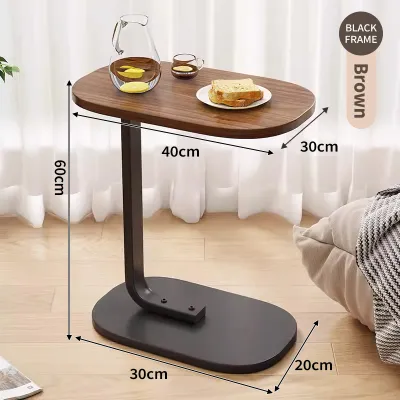
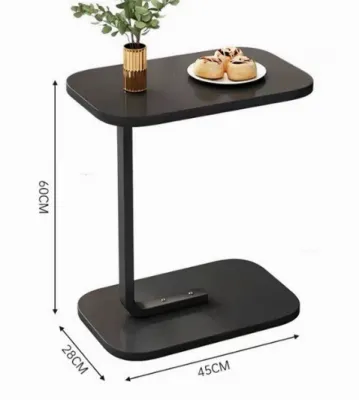
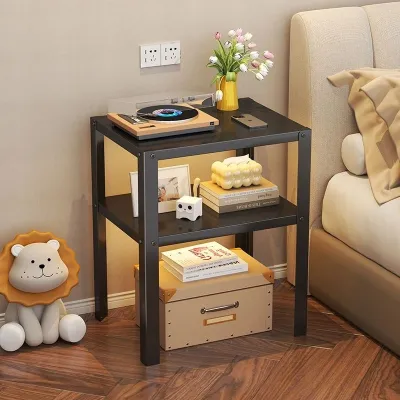
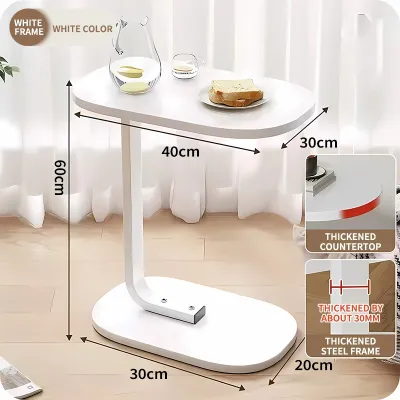
Prices are valid at publication and may change. Please refer to the product page for the latest price.
Finally, locate your electrical outlets and water sources. High-wattage appliances like espresso machines and electric kettles should plug directly into a wall outlet rather than a daisy-chained extension cord to prevent electrical hazards. Position your table close enough to an outlet so the power cord remains slack and dry, away from sink areas or potential water spills. Keeping the setup near your kitchen area also makes it much easier to dispose of wet coffee pucks and rinse the drip tray.
Determine the Ideal Dimensions for Your Setup
The ideal dimensions for your coffee machine table depend heavily on the type of brewer you own and how you plan to use the space. For compact pod machines or drip coffee makers, a shallow table depth of 30 to 40 centimeters is usually sufficient. However, if you own a semi-automatic espresso machine, you will need a deeper surface of 45 to 55 centimeters. This ensures the machine’s rubber feet sit securely on the tabletop with a safe margin of at least 5 centimeters at both the front and back to prevent accidental slips.

Table height is critical for ergonomics and vertical clearance. Standard kitchen counter height in the Philippines is typically 85 to 90 centimeters, which is a comfortable height for tamping coffee grounds, steaming milk, and watching the espresso extraction without straining your back. If you plan to place the table under existing wall cabinets or floating shelves, ensure there is at least 30 to 40 centimeters of open vertical space above the machine. This clearance is essential for pouring water into the reservoir and loading fresh coffee beans into the hopper.
Width is the final dimension to calculate, and it dictates how organized your coffee station will feel. While a bare-minimum width of 50 centimeters can hold a single machine, a functional setup requires extra room for accessories. If you use a separate coffee grinder, a knock box, a scale, and a cup stand, look for a table width of 80 to 100 centimeters. This extra space allows you to establish a clean workflow, separating the wet brewing zone from the dry preparation area.
Select Space-Saving Features for Small Condos
When floor space is limited, choosing a table with smart, space-saving features can dramatically improve your condo’s organization. Look for tables that incorporate vertical storage, such as lower shelves, built-in drawers, or cubbies. These compartments are perfect for tucking away coffee bags, extra mugs, cleaning brushes, and descaling solutions. Keeping these accessories off the main tabletop ensures your coffee station looks clean and uncluttered, which helps a small room feel more spacious.
Multi-functional designs are highly beneficial for tight condo layouts. Consider a drop-leaf table or an extendable console table that can serve as a coffee station by day and expand into a dining spot or prep counter when guests visit. Alternatively, a kitchen utility cart on lockable wheels offers excellent flexibility. You can roll the cart closer to the dining table during weekend gatherings to serve drinks, then easily tuck it back into a corner or alcove when you need to clear the walkway.
Do not overlook the importance of built-in cable management. A complete coffee setup often involves multiple power cords for the espresso machine, grinder, and electric kettle, which can quickly look messy and collect dust. Tables with pre-drilled grommet holes, under-table cable trays, or hollow legs allow you to route cords neatly out of sight. This not only improves the visual appeal of your living space but also keeps electrical cords dry and away from accidental liquid spills.
Verify Weight Capacity and Surface Durability
A reliable coffee machine table must be structurally sound and built to withstand the unique demands of coffee preparation. Espresso machines are surprisingly heavy, with many domestic models weighing between 10 to 20 kilograms. When you add a full water tank, a hopper filled with beans, a heavy grinder, and ceramic mugs, the total weight can easily exceed 25 kilograms. Always check the manufacturer’s rated weight capacity for the table to ensure it can support this concentrated load without sagging or bowing over time.
Surface durability is equally important, especially in the humid tropical climate of the Philippines. Coffee brewing involves steam, hot water splashes, and acidic coffee stains, which can quickly ruin low-quality furniture finishes. Avoid untreated wood or cheap particle-board laminates that can swell, warp, or peel when exposed to moisture. Instead, prioritize tables with water-resistant and heat-tolerant surfaces, such as sealed solid wood, powder-coated metal, tempered glass, or high-pressure laminates (HPL) that can be easily wiped clean.
Stability is the final structural factor to verify. Grinding coffee beans and running a high-pressure espresso pump create significant vibrations that can cause a flimsy table to wobble. A shaky table not only amplifies operational noise but can also cause cups, spoons, or glass carafes to slide off the edge. Choose a table with a wide, sturdy base, robust joints reinforced with metal hardware, and adjustable leveling feet to ensure the station remains perfectly stable on uneven condo tiling.
Avoid Common Sizing and Placement Mistakes
To ensure your coffee station remains safe and enjoyable to use, avoid several common placement and sizing pitfalls. The most frequent mistake is ignoring vertical and lateral clearance requirements. Placing a top-loading machine directly under a low shelf forces you to awkwardly slide the heavy appliance forward every time you need to add water. Similarly, failing to leave enough lateral space can make it incredibly difficult to slide out the drip tray or empty the knock box without hitting adjacent walls.
Another critical error is placing the coffee table in high-traffic zones or narrow walkways. A sudden bump from a family member or guest walking past can lead to spilled hot liquids, broken glassware, or even cause the machine to slide off the table. Keep your coffee station in a dedicated nook, corner, or at the end of a counter run where foot traffic is minimal and predictable.
Finally, do not overlook the heat dissipation requirements of your machine. Coffee makers, especially those with large boilers, generate substantial heat during operation. Placing your machine in a tightly enclosed cabinet or flush against a wall can trap heat, which may damage the machine’s internal electronics or warp the surrounding furniture. Always leave a gap of at least 5 to 10 centimeters around the sides and back of the machine to allow proper airflow and ventilation.
Frequently Asked Questions (FAQ)
Can I use a standard living room coffee table for an espresso machine?
Using a standard living room coffee table for an espresso machine is not recommended due to ergonomic and structural limitations. These tables are typically only 40 to 45 centimeters high, which requires you to constantly bend down to grind, tamp, and brew, leading to back strain. Furthermore, standard decorative coffee tables are rarely designed to handle the heavy weight and constant vibrations of a running espresso machine, which can cause the table to wobble, sag, or even tip over.
What is the best table height for a condo coffee station?
The recommended table height for a condo coffee station is between 85 and 95 centimeters, which matches standard kitchen counter height. This height allows you to comfortably operate your machine, steam milk, and prepare drinks at elbow level without bending over. When selecting a table, always measure the total height of your coffee machine with its top lids fully open to ensure it fits comfortably beneath any overhead condo cabinets or shelves.

Community discussion
Share your experience or ask a question. Comments are reviewed before publication.