
Choosing the right minimalist steel wardrobe for a small bedroom requires balancing physical constraints with your personal storage habits. In compact living spaces, every centimeter of floor area is highly valuable, making a streamlined steel wardrobe an excellent choice due to its thin yet sturdy profile. To find the perfect fit, you must evaluate your room’s exact dimensions, plan for adequate door and walking clearances, and customize the internal layout to match your clothing collection. By focusing on vertical height and a smart mix of hanging rails and shelves, you can maximize storage capacity without making your bedroom feel cramped or cluttered.
In tropical environments like the Philippines, where high humidity can affect household furniture, selecting a steel wardrobe with the right protective finish is particularly important. Unlike traditional wood, high-quality steel resists warping and pest infestations, but it requires careful planning regarding placement and ventilation. A successful selection process ensures that your wardrobe not only fits your current room layout but also remains functional, durable, and visually cohesive with a minimalist aesthetic.
Measuring Your Bedroom Space and Clearance
Before browsing online marketplaces or visiting local furniture showrooms, you must establish the absolute maximum physical footprint your bedroom can accommodate. Begin by measuring the available floor width, total ceiling height, and maximum allowable depth along the designated wall. Use a reliable metal measuring tape and take measurements at multiple points along the wall, as older homes or settling structures often have slightly uneven surfaces. Remember to subtract the thickness of baseboards, wall moldings, and any electrical outlets or light switches that must remain accessible.
Products mentioned in this guide
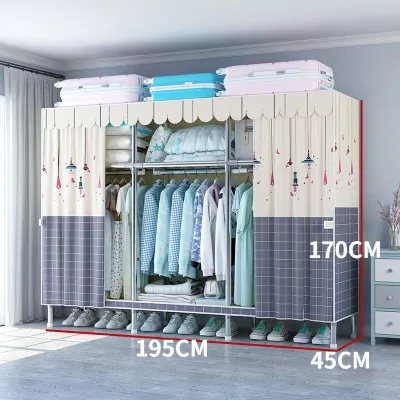
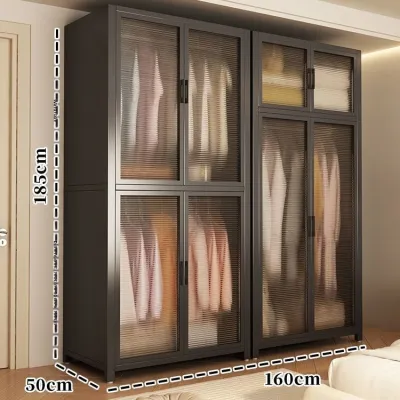
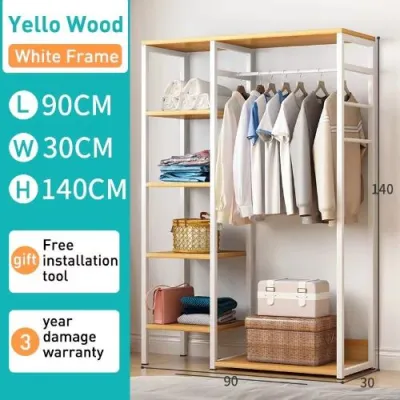
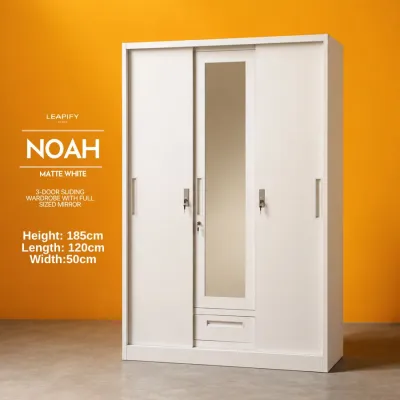
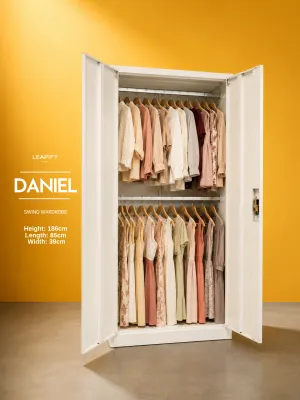

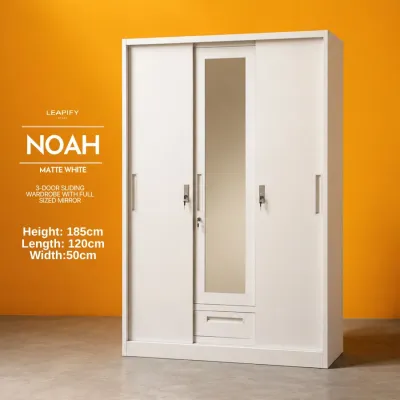
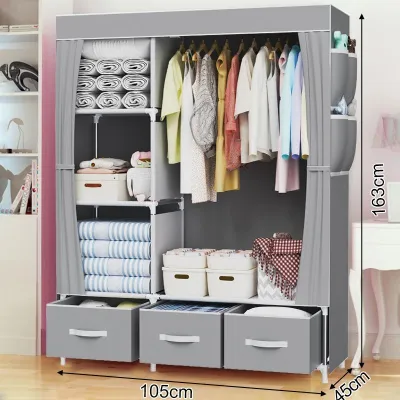
Prices are valid at publication and may change. Please refer to the product page for the latest price.
Next, evaluate the clearance required for daily movement and surrounding furniture. A wardrobe should never block natural light from windows or obstruct the swing path of bedroom and entryway doors. Measure the walking paths around the proposed wardrobe location to ensure you maintain a comfortable passage width, typically at least 60 centimeters of open space. If you plan to place the wardrobe near a bed, verify that you can comfortably stand and move between the two pieces of furniture when retrieving your clothes.
Finally, do not overlook the logistics of getting the wardrobe into your bedroom. Steel wardrobes often arrive as heavy, flat-packed panels or fully welded frames that cannot be bent or flexed around tight corners. Measure the height and width of your front door, interior door frames, stairwells, and elevator cabins to confirm the packaged components can safely pass through. Checking these delivery pathways beforehand prevents the frustration of purchasing a unit that physically fits your bedroom but cannot be transported into your home.
Selecting the External Dimensions for a Small Room
When dealing with a limited floor plan, selecting the correct external dimensions is a balancing act between storage volume and visual weight. Start by evaluating the width of your wardrobe in relation to the overall wall length. In a small bedroom, a wardrobe that spans the entire wall can sometimes feel overwhelming; leaving a small gap on either side can create a more open, minimalist feel. If your wall space is exceptionally tight, look for compact single-door or double-door configurations that utilize a smaller horizontal footprint.

To compensate for limited width, focus on utilizing your room’s vertical space. Taller steel wardrobes that extend close to the ceiling maximize your storage capacity without consuming any additional floor area. This upper zone is ideal for storing seasonal items, extra bedding, or travel bags that you do not need to access daily. However, ensure you leave at least 5 to 10 centimeters of clearance at the top to allow for comfortable assembly and to prevent damage to your ceiling during installation.
The depth of the wardrobe is another critical dimension that directly impacts both usability and room flow. Standard clothing hangers typically require an internal depth of at least 50 to 55 centimeters to allow shirts and jackets to hang straight without brushing against the doors. If you choose a wardrobe that is too shallow, your clothes may become compressed, leading to wrinkles and difficulty closing the doors. Conversely, an excessively deep wardrobe will protrude unnecessarily into your walking path, disrupting the clean, flush lines characteristic of minimalist design.
Configuring the Internal Layout: Hanging vs. Shelving
The efficiency of a minimalist steel wardrobe depends heavily on how well its internal layout aligns with your actual wardrobe inventory. Before finalizing your purchase, take an inventory of your clothing to determine the ideal ratio of hanging rails to shelves. If your wardrobe consists primarily of formal wear, dresses, long coats, or delicate fabrics that wrinkle easily, prioritize vertical hanging space. For casual wear, t-shirts, knitwear, and denim, adjustable shelving is far more space-efficient and helps maintain a tidy, organized appearance.
To optimize a small interior, look for modular steel wardrobes that offer adjustable shelving tracks. This flexibility allows you to alter the height of individual shelves as your storage needs change over time, preventing wasted vertical space between stacks of clothes. Consider incorporating modular additions such as pull-out wire baskets, shallow drawers, or hanging organizers for smaller accessories, undergarments, and socks. These additions keep small items contained and prevent the cluttered look that can easily disrupt a minimalist aesthetic.
Because steel is exceptionally strong, it is easy to assume that every shelf can support unlimited weight. However, you must always review the manufacturer’s specific load-bearing limits for both the shelves and the hanging rails. Overloading a steel shelf can cause it to bow or slip from its support brackets, potentially damaging the wardrobe frame or your belongings. When organizing your layout, place heavier items like winter coats, heavy blankets, or storage boxes on the bottom shelves to maintain a low center of gravity and enhance the overall stability of the unit.
Choosing Door Styles and Minimalist Steel Features
The door mechanism you select plays a major role in how much physical and visual space the wardrobe occupies in your bedroom. Sliding doors are highly recommended for tight spaces because they operate entirely within the wardrobe’s footprint, requiring zero clearance in front of the unit. This allows you to place the wardrobe closer to your bed or other furniture without restricting access. However, keep in mind that sliding door tracks add a few centimeters to the overall depth of the wardrobe, and you can only view one side of the interior at a time.
Hinged doors, on the other hand, allow you to open the wardrobe fully and view your entire clothing collection at once. The trade-off is that they require a clear swing radius in front of the wardrobe, which can severely limit your layout options in a small room. If you opt for hinged doors, ensure there is ample clearance to open them completely without hitting your bed, nightstands, or entry doors. Whichever style you choose, look for high-quality hinges or smooth-gliding track rollers to ensure quiet, effortless operation.
To achieve a truly minimalist look, pay close attention to the surface finish and hardware details of the steel wardrobe. Matte powder-coated finishes are excellent for small rooms because they do not reflect harsh light and help resist scratches, fingerprints, and daily wear. Look for clean, integrated hardware designs such as recessed finger grips, sleek edge-pull handles, or push-to-open magnetic latches. Eliminating bulky, protruding handles keeps the exterior lines of the wardrobe flush and seamless, reinforcing the uncluttered, modern aesthetic of your bedroom.
Common Sizing and Layout Mistakes to Avoid
One of the most frequent mistakes when choosing a steel wardrobe is failing to account for the physical space required by the door mechanisms. For sliding doors, buyers often forget to include the depth of the track system in their measurements, resulting in a wardrobe that sticks out further than expected. For hinged doors, ignoring the swing radius can lead to a frustrating setup where doors cannot open fully because they collide with the bed frame or adjacent walls. Always map out these operational clearances on your floor before purchasing.
Another common error is over-allocating hanging space at the expense of versatile shelving. While hanging clothes is convenient, a layout dominated by long hanging rails often leaves a large amount of empty, unused space at the bottom of the wardrobe. Utilizing a combination of double hanging rails for shorter items like shirts, alongside adjustable shelves for folded items, makes far better use of the limited internal volume.
Finally, never skip verifying the manufacturer’s assembly requirements and floor weight limits. Steel wardrobes are heavy, and some modular designs require assembly while lying flat on the floor before being raised upright. If your bedroom ceiling is too low, you may not have enough clearance to lift the assembled unit into place. Additionally, ensure your bedroom floor is level and capable of supporting the concentrated weight of a fully loaded steel wardrobe, especially if you live in an older building or a home with flexible wooden flooring.
Frequently Asked Questions (FAQ)
How do I prevent a steel wardrobe from rusting in a humid bedroom?
To protect your steel wardrobe from rust in humid tropical climates, ensure your bedroom has consistent air circulation by utilizing ceiling fans, open windows, or air conditioning. Avoid placing the wardrobe directly flush against external walls, as temperature differences can cause condensation to build up on the metal surface; leave a gap of at least 5 centimeters for airflow. Regularly inspect the powder-coated finish for any deep scratches or chips that expose the raw steel underneath, and touch up damaged areas promptly with a matching metal paint to seal out moisture. Additionally, placing reusable dehumidifier bags or silica gel packs inside the wardrobe helps absorb excess moisture and protects your clothing from dampness.
Can I relocate a modular steel wardrobe if I move to a new apartment?
Yes, modular steel wardrobes are highly durable and generally withstand relocation much better than traditional particleboard furniture, which often crumbles at the joint connections during disassembly. However, you must follow the manufacturer’s instructions carefully during disassembly to avoid stripping the screws or bending the steel panels. Keep all connection hardware, brackets, and small screws organized in labeled bags so you do not lose vital components during transit. Once you reassemble the wardrobe in your new bedroom, use a spirit level to check that the unit is perfectly balanced, and adjust the leveling feet if necessary to ensure structural stability and smooth door operation.

Community discussion
Share your experience or ask a question. Comments are reviewed before publication.