
Finding the perfect storage solution for a compact study room in a Philippine condominium or apartment often feels like a balancing act. You want to maximize your book and document storage without swallowing up the limited floor area or making your workspace feel cramped. A rotating cabinet is an incredibly efficient, 360-degree storage solution that utilizes vertical space while keeping all your items within arm’s reach. However, choosing the wrong size can quickly lead to blocked walkways, scraped walls, or a cabinet that cannot actually spin.
To choose the right size rotating cabinet for a small study room, you must look beyond the static width of the unit. While a typical small condo study comfortably accommodates a cabinet with a base diameter of 12 to 18 inches (30 to 46 cm) and a height of 40 to 60 inches (100 to 150 cm), the critical metric is the rotation clearance. Because these units spin, they require a dedicated circular footprint that is significantly wider than their static base. Understanding how these dimensions interact with your room’s layout is the key to a seamless, functional installation.
How Rotating Cabinet Dimensions Actually Work
When shopping for traditional bookcases, you only need to measure width, depth, and height. A rotating cabinet complicates this math because its footprint changes dynamically when in use. To avoid buying a unit that constantly bumps into your desk or walls, you must understand the difference between the physical base dimensions and the maximum rotation diameter.
Products mentioned in this guide
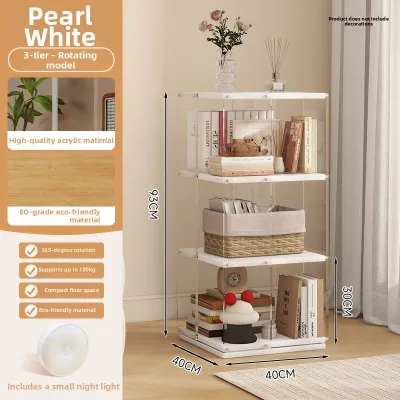
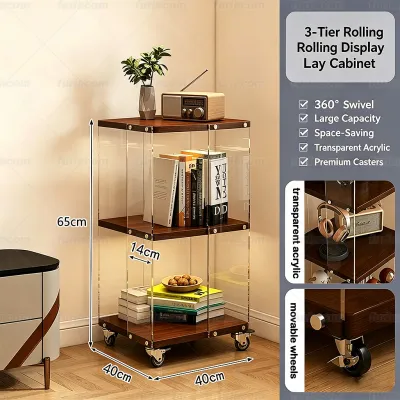
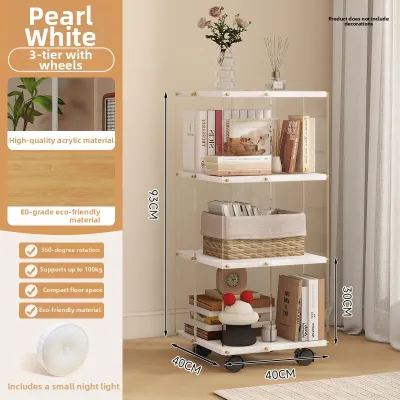
Prices are valid at publication and may change. Please refer to the product page for the latest price.
The physical base diameter refers to the static width of the cabinet’s bottom plate, which sits flat on your floor. The maximum rotation diameter, however, is the diagonal measurement of the cabinet’s shelves as they spin. For example, if you purchase a square-shaped rotating cabinet with a static width and depth of 15 inches (38 cm), its diagonal measurement is actually about 21.2 inches (54 cm). As you spin the unit, the outer corners sweep out a circle with a diameter of 21.2 inches. This larger circle is the actual “rotation clearance” you must preserve on your floor.
Beyond the external footprint, the internal mechanics of a rotating cabinet also dictate its usability. Most units feature a central metal pole or support column surrounded by a heavy-duty ball-bearing swivel plate at the base. This central axis provides the necessary stability to keep the tower upright while turning, but it also occupies a portion of the interior shelf space. When calculating your storage capacity, remember that the central pole reduces the usable depth of each shelf compartment, meaning oversized binders or wide textbooks might stick out and interfere with the rotation path. Always check the manufacturer’s specified interior shelf depth rather than relying solely on the exterior dimensions.
Recommended Size Ranges for Small Condo Study Rooms
For compact study rooms or multi-functional bedroom offices typical of urban apartments, rotating cabinets generally fall into two main size categories: slim mini-towers and standard small rotating bookcases. Choosing between them depends on your storage volume needs and the physical limits of your floor plan.

Slim or mini rotating towers are ideal for tight corners or spaces directly adjacent to a study desk. These units typically feature a base diameter of 12 to 14 inches (30 to 35 cm) and stand between 35 to 45 inches (89 to 114 cm) tall, usually consisting of three to four tiers. Because of their low height, they maintain open sightlines in a small room, preventing the space from feeling boxed in. They are perfect for daily-use notebooks, small novels, and lightweight desk accessories.
Standard small rotating bookcases offer a step up in storage, usually featuring four to five tiers with a base diameter of 16 to 18 inches (40 to 46 cm) and a height of 50 to 60 inches (127 to 152 cm). While these units hold a substantial book collection, they carry more visual weight. In a small condo, keeping the cabinet height under 60 inches is highly recommended. Anything taller can block natural light from windows, cast deep shadows across your desk, and make low-ceilinged rooms feel claustrophobic.
Before making a purchase, always verify the exact “required floor space” listed in the product specifications. In the Philippine market, entry-level engineered wood or plastic-composite units typically range from ₱2,500 to ₱5,000, while premium solid wood, bamboo, or steel-framed models can range from ₱6,000 to over ₱12,000. Ensure the price aligns with a build quality that can handle your specific load requirements.
How to Measure Your Study Room for the Perfect Fit
To ensure your rotating cabinet operates smoothly without damaging your walls or surrounding furniture, you must take precise measurements of your study room. Follow this step-by-step process to calculate the exact space required:
First, measure the raw floor space of your intended corner or wall area. Use a metal measuring tape to record the distance from the corner to the edge of your study desk, your office chair’s rolling zone, the bed frame, or the room’s entryway.
Second, calculate the required rotation zone using this simple formula:
Required Space = Maximum Rotation Diameter + 3 inches (7.6 cm) safety buffer
Adding a safety buffer of at least 2 to 3 inches on all sides is crucial. This buffer prevents your knuckles from getting pinched against the wall when you spin the cabinet and ensures the shelves do not catch on nearby curtains, baseboards, or furniture edges.
Third, account for your room’s baseboards. Many modern condominiums feature wooden or PVC baseboards that protrude from the wall by half an inch to an inch. Because the baseboard prevents the bottom plate of the cabinet from sitting completely flush against the wall, the center of rotation is pushed slightly forward into the room. If you do not account for this, your cabinet’s rotation path will extend further into your walkway than expected.
Finally, perform a physical clearance check. You can cut a piece of cardboard or newspaper to match the calculated required space diameter and place it on the floor. Sit in your desk chair and roll backward, open nearby closet doors, and walk past the zone to ensure the paper template does not interfere with your daily movements.
Additionally, consider delivery and assembly conditions. Before ordering, check the flat-pack box dimensions against your condo’s elevator door, stairwell clearance, and main entryway to ensure the package can be safely delivered to your unit.
Common Sizing and Placement Mistakes in Small Apartments
Fitting rotating furniture into tight spaces requires careful planning. Avoiding these common placement errors will save you from the hassle of costly returns or frustrating room rearrangements:
- Ignoring Overhead Obstacles: Buyers often focus solely on floor space and forget to look up. Placing a tall, 60-inch rotating cabinet directly beneath a split-type air conditioning unit, a low window sill, or a floating wall shelf can block vital airflow, obstruct natural light, or prevent you from accessing the top tier of the cabinet.
- Encroaching on High-Traffic Walkways: A corner might look empty on paper, but if it sits directly along the path between your desk and the room's doorway, a spinning cabinet becomes a major hazard. Protruding book corners or the spinning action itself can easily trip passersby or lead to painful elbow bumps.
- Blocking Essential Utilities: Condos often have limited electrical outlets, internet ports, and light switches. Placing a heavy, fully loaded rotating cabinet directly in front of these utilities makes simple tasks—like plugging in a laptop charger or resetting your Wi-Fi router—highly inconvenient.
- Overloading and Uneven Weight Distribution: Placing all your heavy law books, medical journals, or thick binders on one side of the cabinet while leaving the other sides empty creates an uneven center of gravity. This imbalance puts immense stress on the central rotating mechanism, causing the unit to wobble, grind, or become incredibly stiff and difficult to turn.
Space-Saving Alternatives When a Rotating Cabinet Won't Fit
If your measurements reveal that your study room cannot accommodate the necessary rotation clearance without blocking walkways, it is best to prioritize safety and functionality over the novelty of a rotating unit. Fortunately, several excellent space-saving alternatives can fulfill your storage needs:
Wall-mounted floating shelves are a premier alternative for ultra-small rooms. By utilizing the vertical wall space directly above your study desk, you keep your floor completely clear. This setup preserves precious legroom and maintains an open, airy feel in the room.
Slim, sliding-door cabinets are another practical option. Unlike traditional bookcases with hinged doors that swing outward into your room, or rotating cabinets that require a wide circular clearance, sliding doors require zero front-clearance to open. This allows you to place the cabinet in narrow passages or directly behind your desk chair.
For flexible, temporary storage, consider an under-desk rolling utility cart. These compact, multi-tiered carts can be tucked neatly under your workspace when you are studying and rolled out only when you need to access your files or reference materials. Alternatively, static 90-degree corner shelves fit tightly into unused corners, utilizing the exact footprint of the walls without requiring any extra clearance for movement.
Frequently Asked Questions (FAQ)
Do I need a protective mat for a rotating cabinet on hardwood or laminate floors?
Yes, using a protective barrier is highly recommended for hardwood, laminate, or vinyl plank flooring. Although many rotating cabinets feature smooth plastic bases or felt pads, the continuous spinning action under heavy loads can trap fine dust and grit underneath the unit. Over time, this trapped debris acts like sandpaper, grinding circular micro-scratches into your floor’s finish. Placing a thin, hard-surface plastic chair mat or a low-pile circular rug directly beneath the rotating base will protect your flooring and help muffle the spinning noise in a quiet study environment.
How do I prevent a tall, narrow rotating cabinet from tipping over?
To ensure maximum stability, always distribute weight evenly and place your heaviest items, such as textbooks, thick binders, or storage boxes, on the bottom tiers of the cabinet. This lowers the unit’s overall center of gravity and prevents wobbling during rotation. Reserve the upper shelves for lighter items like novels, notebooks, or small decorative pieces. Because the Philippines is prone to seismic activity, you should also check if the manufacturer includes or recommends a specialized anti-tip wall anchor. If you are anchoring a rotating unit, ensure the tether system allows enough play for the cabinet to rotate freely while still preventing it from falling forward, especially in homes with active pets or small children. Always read the manufacturer’s care and installation instructions before securing the unit.

Community discussion
Share your experience or ask a question. Comments are reviewed before publication.