
To achieve an authentic Japandi living room, your choice of accent furniture must balance low-profile simplicity, organic textures, and functional versatility. A sofa puff—often referred to as a pouf or small ottoman—serves as a bridge between the cozy warmth of Scandinavian hygge and the refined minimalism of Japanese wabi-sabi. In tropical climates like the Philippines, where high humidity and warm temperatures dictate home design, selecting the right materials and silhouettes is crucial for both aesthetic harmony and long-term durability.
Rather than acting as a loud statement piece, a well-chosen sofa puff blends seamlessly into the background while providing flexible seating, a comfortable footrest, or an occasional table surface. By focusing on clean lines, natural fibers, and understated earth tones, you can select a piece that enhances the serene, uncluttered atmosphere of your home. This guide breaks down the essential design principles, material characteristics, and practical considerations to help you make an informed purchase.
Core Japandi Principles to Guide Your Sofa Puff Choice
Before evaluating specific designs, it is helpful to understand the foundational rules of the Japandi aesthetic. This style is not merely a decorative trend; it is a design philosophy centered on intentionality, comfort, and a deep respect for natural elements. Every piece of furniture in a Japandi space must justify its presence through utility and quiet beauty.
Products mentioned in this guide
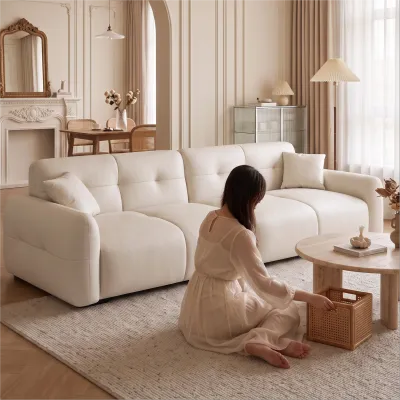
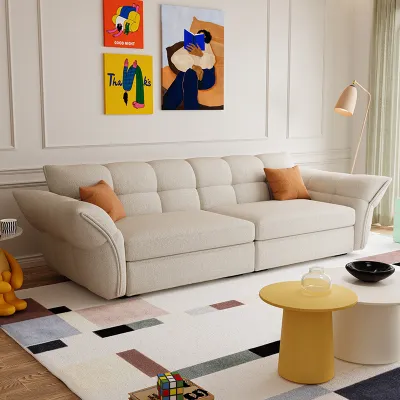
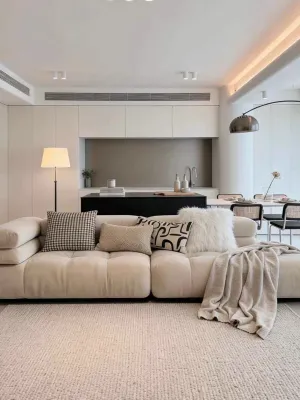
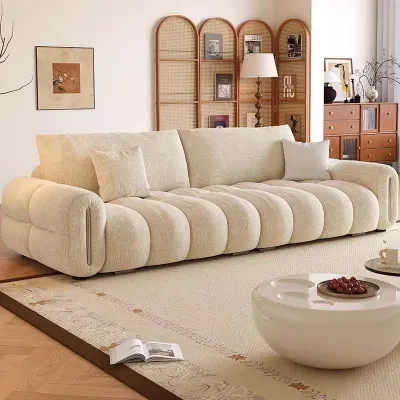
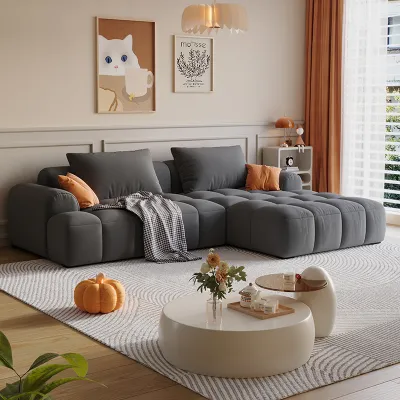
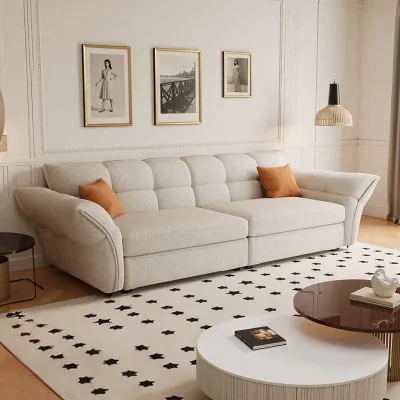
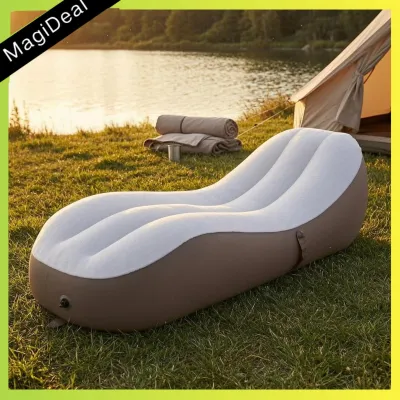
Prices are valid at publication and may change. Please refer to the product page for the latest price.
Minimalism and intentionality form the cornerstone of this style. In practice, this means avoiding clutter, ornate details, and unnecessary embellishments. When selecting a sofa puff, look for clean geometries and simple forms that do not compete for visual attention. The piece should feel integrated into the room’s layout, leaving plenty of open space around it to allow for comfortable movement and visual breathing room.
Connection to nature is another vital pillar, achieved by bringing organic elements and natural textures indoors. In a tropical setting, this connection feels particularly immediate. Utilizing materials that reflect the outdoor environment helps establish a calming, grounded atmosphere. The tactile quality of raw wood, woven fibers, and unrefined textiles invites touch and fosters a sense of peace.
This connection to nature is closely tied to the Japanese concept of wabi-sabi, which finds beauty in imperfection, simplicity, and the natural aging of materials. A leather puff that develops a rich patina, a wooden base with visible grain variations, or a linen cover with a slightly irregular weave all embody this philosophy. Embracing these subtle variations ensures your living space feels lived-in and authentic rather than sterile.
Finally, functional comfort ensures that your furniture serves a clear purpose without sacrificing ergonomics or spatial harmony. A Japandi sofa puff should be highly versatile, easily transitioning from a footrest to an extra seat for guests or a stable surface for a tray. It must be lightweight enough to move around easily, yet structurally sound enough to support daily use.
Ideal Material Categories for a Natural, Minimalist Look
Selecting the right material is the most critical decision when shopping for a sofa puff. The material dictates not only the visual warmth and tactile comfort of the piece but also how well it withstands daily wear and environmental factors. In humid climates, material selection requires extra care to prevent moisture retention and premature wear.

When browsing options, always evaluate materials based on their alignment with natural themes and their tactile appeal. It is highly recommended to check the manufacturer’s care labels and material specifications before purchasing, as natural fibers and raw woods require specific maintenance routines to preserve their appearance. Avoid synthetic blends with a high-gloss finish or overly processed plastics, as these materials disrupt the organic, muted aesthetic of a Japandi room.
Breathable Natural Textiles (Linen and Cotton)
For upholstered sofa puffs, breathable natural textiles like linen and cotton are excellent choices. These fabrics offer a soft, matte finish that feels comfortable against the skin, making them ideal for warm tropical days. Look for unbleached, slubbed, or lightly textured weaves that showcase the natural character of the fibers rather than perfectly uniform, synthetic alternatives.
When evaluating fabric options, check the manufacturer’s stated rub count (often measured via the Martindale or Wyzenbeek method) to ensure the material can handle high-traffic household use. Additionally, verify if the fabric has been treated for stain resistance, which is particularly useful if you have pets or young children. To simplify maintenance, prioritize designs with removable, machine-washable covers so you can easily clean off dust and sweat.
Woven and Organic Fibers (Rattan and Seagrass)
Structured poufs made from woven organic fibers like rattan, seagrass, or water hyacinth bring an earthy, artisanal quality to a Japandi living room. These materials add rich visual interest and depth to a neutral color palette without relying on bright colors or distracting patterns. The intricate patterns of the weave create subtle shadows that enhance the room’s organic feel.
Before buying a woven puff, inspect the tightness and consistency of the weave to ensure it will not unravel over time. Check the stability of the internal support frame, which should be robust enough to prevent the puff from collapsing under weight. It is also important to feel the surface of the woven fibers to ensure they have been sanded smooth, preventing the material from snagging on delicate clothing or scratching bare skin.
Light and Raw Wood Accents
Sofa puffs that feature light or raw wood accents—such as a solid wood base, exposed legs, or an entirely wooden structure—provide a strong sense of structural grounding. Preferred wood tones for a Japandi palette include light oak, ash, beech, and rubberwood. These woods should be treated with matte, low-sheen, or oil-rubbed surface finishes that protect the material while preserving its natural texture and grain.
When inspecting a wooden puff or a hybrid design, verify the quality of the joint construction. Look for sturdy joinery methods rather than simple glue-and-nail assembly, and check the manufacturer’s stated weight capacity limits to ensure safety. Additionally, check if the legs or base come with integrated floor protectors or felt pads; these are essential for preventing scratches on hardwood, laminate, or polished tile floors.
Ideal Sofa Puff Silhouettes for Low-Profile Seating
The silhouette of your sofa puff determines how it interacts with the rest of your furniture and how easily it can be integrated into your daily routines. To maintain a balanced layout, match the physical shape and structure of the puff to your primary spatial needs and usage habits.
Emphasize low-to-the-ground profiles, which are characteristic of traditional Japanese floor seating. Keeping the visual height of your furniture low creates an illusion of higher ceilings and a more spacious, airy room. When choosing a silhouette, consider its visual weight; a solid, block-like ottoman will feel much heavier in a room than a footed stool or a lightweight woven pouf.
Unstructured Floor Poufs and Cushions
Unstructured floor poufs and oversized cushions offer a casual, highly adaptable seating option. These pieces are perfect for informal lounging, meditation, or as flexible guest seating that can be easily tucked away under a console table or in a corner when not in use. Their soft, rounded shapes help soften the sharp, linear angles of modern sofas and shelving units.
When shopping for unstructured poufs, pay close attention to the filling materials. High-density foam, shredded memory foam, or natural buckwheat hulls are excellent for shape retention and firm support. Be aware of the limitations of unstructured designs: they offer no back support and require more physical effort to stand up from, which may not be comfortable for older adults or guests with limited mobility.
Clean-Line Upholstered Ottomans
For a more polished and defined look, clean-line upholstered ottomans provide structured elegance. These square, rectangular, or cylindrical pieces feature crisp edges and a tailored appearance that anchors the seating area. They work beautifully as primary footrests placed directly in front of your main sofa or as subtle accent pieces positioned to the side.
To maximize utility in a compact living room, look for dual-purpose designs that feature hidden storage compartments under a removable lid. This allows you to keep extra blankets, pillows, or remote controls out of sight, maintaining clean, uninterrupted exterior lines. Ensure that any exposed wooden legs or bases match the wood species and finishes of the other furniture in your room.
Structured Wooden Stools with Cushions
Structured wooden stools topped with a soft cushion represent a beautiful hybrid design, combining the warmth of natural timber with the comfort of upholstery. These multi-functional pieces are incredibly versatile; when the cushion is removed, the flat wooden frame can easily serve as a sturdy side table for books, plants, or decorative objects.
When evaluating these hybrid designs, check how the cushion is secured to the wooden frame. Look for secure ties, recessed slots, or integrated snaps that keep the cushion from sliding around during use, while still allowing for easy removal when cleaning is required. Finally, verify the overall height of the stool to ensure it aligns comfortably with the seat cushion of your main sofa, allowing for an ergonomic footrest experience.
Harmonizing Colors and Textures With Your Existing Decor
To create a cohesive Japandi environment, your sofa puff must harmonize with the existing color palette and textures of your living room. The goal is to create a space that feels visually continuous and peaceful, avoiding abrupt contrasts or jarring design elements.
Stick to a neutral, earthy color palette as your foundation. Warm whites, soft grays, muted olive greens, warm clay tones, and natural wood shades work beautifully together. These colors reflect natural light softly, making the room feel bright and inviting. When shopping, it is highly beneficial to request material swatches or fabric samples. This allows you to observe how the color and texture react to your room’s specific natural daylight and warm evening artificial lighting, as colors can shift dramatically depending on the light source.
Instead of relying on bold patterns or high-contrast color blocking to create visual interest, use rich textures to add depth. A ribbed fabric cover, a chunky knit wool pouf, or a highly visible linen weave can make a neutral-colored puff stand out in a subtle, sophisticated way. Avoid neon accents, glossy metallic finishes, or busy geometric prints, as these elements clash with the quiet, understated nature of Japandi design.
Pre-Purchase Checklist: Space, Scale, and Maintenance
Before finalizing your purchase, take the time to run through a practical checklist. This ensures that your chosen sofa puff fits your physical space, aligns with your lifestyle, and is easy to maintain over time.
- Measure Your Floor Space: Use painter's tape to outline the footprint of the sofa puff on your living room floor. Ensure there is at least 60 centimeters of clear, unobstructed walkway space around the puff, the main sofa, and the coffee table to allow for comfortable movement.
- Check Delivery Access: If the sofa puff arrives fully assembled, measure your doorways, hallways, stairwells, and elevator doors to ensure the delivery team can safely transport the piece into your home without damaging your walls or the furniture.
- Verify Weight Capacity: Check the manufacturer's specifications for the maximum weight capacity. If the puff will be used regularly as an extra seat for adults, ensure it is structurally rated to support that weight safely.
- Assess Maintenance Requirements: Be honest about your household's cleaning habits and available tools. If you live in a dusty or high-humidity area, a woven rattan puff may require regular vacuuming with a brush attachment, while a linen puff will benefit from a removable, washable cover.
- Review Policies and Warranties: Confirm the retailer's return policy, especially if you are buying online and cannot test the comfort or color in person. Check for warranty coverage regarding structural defects, joint stability, or fabric wear.
Frequently Asked Questions (FAQ)
Can a sofa puff be used as a coffee table in a Japandi room?
Yes, a sofa puff can serve as an excellent low-profile coffee table, provided it has a firm, flat top surface or a structured wooden frame. Unstructured, soft fabric poufs are generally not suitable on their own, as they lack the stability to hold cups, glasses, or decorative items safely, leading to spills. If you want to use a softer pouf as a table, simply place a rigid, flat wooden tray on top of it. This creates a stable, level surface for your drinks and books while preserving the cozy aesthetic of the upholstered piece.
How do I clean and maintain natural woven sofa puffs?
Natural woven materials like rattan, seagrass, and water hyacinth require gentle, regular maintenance to keep them looking their best. Use a vacuum cleaner with a soft brush attachment once a week to gently remove dust and debris from the crevices of the weave. If a spill occurs, immediately blot the area with a dry, clean cloth. Avoid using excessive water, harsh chemical cleaners, or abrasive scrubs, as moisture can warp the natural fibers and encourage mold growth, especially in humid tropical climates. Always refer to the manufacturer’s care label for specific cleaning instructions.

Community discussion
Share your experience or ask a question. Comments are reviewed before publication.