
Selecting the ideal Stante bookcase for your home study requires a systematic evaluation of your storage volume, spatial constraints, and the environmental conditions of your room. Rather than choosing a model based solely on aesthetics, you must match the unit’s physical dimensions, structural configuration, and material properties to your daily workflow. In tropical climates where high humidity can affect wood-based furniture, selecting the right finish and construction type is essential for long-term durability. By analyzing your specific organization goals and verifying product specifications, you can select a bookcase that enhances productivity while keeping your study clean and organized.
Assessing Your Study Room Storage and Workflow Needs
Before browsing specific Stante models, take a detailed inventory of the items you plan to store. Heavy textbooks, academic journals, and thick binders require robust support and deeper shelves compared to standard paperbacks or lightweight decorative items. Group your belongings by size, weight, and frequency of use to understand the physical demands you will place on the furniture. If you plan to store electronic peripherals, such as a printer or a charging station, note their dimensions and cable routing requirements.
Determining the ideal balance between open display shelving and concealed storage is the next step in planning your study layout. Open shelves offer immediate visual access to reference materials, making them excellent for active projects and frequently consulted books. However, an entirely open unit can easily look cluttered if it is filled with mismatched binders, loose papers, or office supplies. Incorporating closed cabinets or drawers allows you to hide visual clutter, protect sensitive documents from dust, and maintain a highly focused, distraction-free workspace.
Products mentioned in this guide
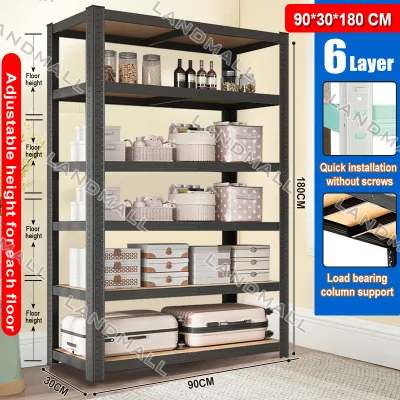
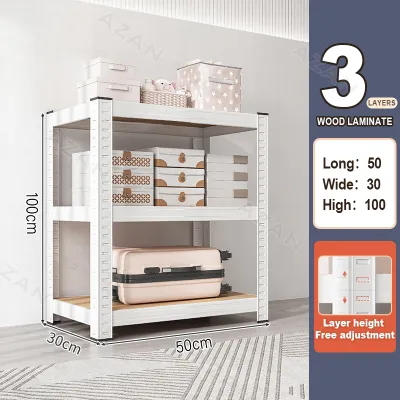
Prices are valid at publication and may change. Please refer to the product page for the latest price.
Your daily workflow should dictate where the bookcase is positioned relative to your desk and seating arrangement. Designate active zones within arm’s reach of your desk chair for items you use multiple times a day, such as current notebooks or reference guides. Archival zones, which can be located further away or on higher shelves, are ideal for older records, seasonal materials, or decorative objects. Ensuring that your primary seating path remains unobstructed prevents physical strain and maintains a smooth flow of movement throughout your workday.
Measuring Your Space and Verifying Stante Dimensions
Accurate spatial measurements are critical to preventing delivery headaches and ensuring the bookcase fits safely within your study. Begin by measuring the available floor width and depth, taking care to account for baseboards, electrical outlets, and light switches that might block the unit from sitting flush against the wall. Measure the ceiling height at multiple points, as older homes or concrete structures may have slight variations in floor-to-ceiling clearance. If you plan to place the bookcase near a window or door, verify that the unit will not obstruct natural light or impede the swing of the door.

Logistical planning is just as important as measuring the final resting spot of the furniture. If you live in a high-rise condominium or a multi-story home, measure the height, width, and depth of all doorways, hallways, stairwells, and elevator cabins. Packaged flat-pack furniture can be surprisingly long and heavy, requiring ample clearance to maneuver around tight corners. Confirming these dimensions beforehand ensures that the delivery team can safely transport the product to your designated study room without damaging your walls or the packaging.
Always verify the specific Stante model’s footprint, shelf depth, and overall height using the manufacturer’s official specifications rather than relying on visual estimates from online product photos. Photos can often distort scale, making a unit appear smaller or larger than it is in reality. Pay close attention to the depth of the shelves; standard novels require less depth, while large binders, art books, or storage baskets may overhang if the shelves are too shallow. Checking these specifications against your physical inventory prevents the frustration of owning a bookcase that cannot accommodate your largest items.
Matching Stante Configurations to Your Organization Goals
The structural layout of your bookcase should align directly with your study habits and organizational preferences. Open shelving units are highly versatile, promoting excellent air circulation around your books—a crucial factor in humid tropical environments where stagnant air can lead to mold growth and musty odors. These open configurations also allow you to use decorative bookends, small potted plants, or framed art to break up long rows of text, creating a visually appealing backdrop for video calls.
For a more balanced approach, hybrid models that combine open upper shelves with lower cabinets or drawers offer the best of both worlds. The lower closed sections provide a secure, dust-free environment for storing office supplies, cables, and sensitive paperwork that you prefer to keep out of sight. This configuration also lowers the visual center of gravity of the bookcase, making the room feel more grounded and less top-heavy. It is an ideal setup for multi-functional spaces where the study room also serves as a guest bedroom or a living area.
If you are working with a compact or awkwardly shaped study, corner bookcases or modular systems can maximize your usable square footage. Corner units utilize often-wasted space, turning tight angles into functional storage zones without encroaching on your main floor area. Modular systems, on the other hand, offer the flexibility to start with a single unit and expand horizontally or vertically as your book collection grows. This adaptability makes modular configurations an excellent long-term investment for growing families or evolving home businesses.
Inspecting Materials, Finishes, and Build Quality
Evaluating the materials and construction of a bookcase is essential to ensure it can withstand the weight of your collection and the local climate. Review the manufacturer’s specifications to determine the core board materials used, such as medium-density fiberboard (MDF), particleboard, or solid timber. High-quality edge banding is critical for engineered wood products, as it seals the raw edges against moisture ingress. In humid regions, unsealed edges can absorb moisture from the air, leading to swelling, warping, and structural degradation over time.
Surface finishes play a major role in both the durability and maintenance of your furniture. Melamine and high-pressure laminate finishes are highly resistant to daily wear, scratches, and minor moisture exposure, making them practical choices for busy workspaces. Wood veneers offer a natural aesthetic but require more careful maintenance and are more susceptible to scratching and sun fading. Always check the manufacturer’s care labels to ensure the finish is compatible with your cleaning routine and the environmental conditions of your home.
Before finalizing your choice, inspect the structural joints, hardware quality, and shelf support mechanisms. Look for robust joining hardware, such as cam locks, dowels, or metal brackets, which provide superior stability compared to simple wood screws. The shelf support pins should be made of sturdy metal rather than thin plastic, and the pre-drilled holes inside the cabinet should be clean and uniform. A well-constructed unit will remain stable under a full load of books, preventing sagging shelves and maintaining its structural integrity for years to come.
Assembly, Anchoring, and Long-Term Care
Proper assembly is the foundation of a safe and stable bookcase. When your Stante bookcase arrives, clear a spacious, flat area in your study and lay down a soft blanket or the cardboard packaging to protect the panels from scratches during assembly. Carefully follow the included manufacturer manual, identifying each piece of hardware and panel before beginning. Avoid using high-torque power drills, which can easily strip pre-drilled holes in engineered wood; instead, use manual screwdrivers to ensure a tight, secure fit without damaging the materials.
Wall anchoring is a safety step for tall bookcases, especially in regions prone to seismic activity or in households with children and pets. Most tall Stante units include wall-anchoring hardware designed to prevent accidental tip-overs. Assess your wall type—whether concrete, brick, or drywall—and use the appropriate wall plugs and screws to secure the unit firmly to the wall structure. Anchoring the bookcase not only protects your family but also ensures the unit remains perfectly upright and stable when fully loaded with heavy books.
Maintaining your bookcase involves simple, consistent care to protect the finish and structure from environmental wear. Dust the shelves regularly with a dry or slightly damp microfiber cloth to prevent dirt buildup, which can scratch the surface over time. In humid climates, ensure your study has adequate ventilation or use dehumidifiers to prevent mold from developing on the back panels or the books themselves. Periodically check the tightness of the assembly screws and shelf supports, gently tightening them if they loosen over time due to seasonal temperature and humidity shifts.
Frequently Asked Questions (FAQ)
How do I verify the weight capacity of a Stante shelf?
To find the exact weight capacity of your Stante bookcase, consult the product manual, manufacturer tags, or the official product listing. Avoid estimating the load limit based solely on the thickness of the shelf, as internal material density and support mechanisms vary. Distribute weight evenly across the shelf, placing the heaviest items, such as encyclopedias or binders, on the bottom shelves to maintain a low center of gravity.
Can I modify or add shelves to a Stante bookcase later?
Many Stante models feature pre-drilled, adjustable holes along the interior side panels, allowing you to change shelf heights to accommodate taller books. To add extra shelves, check if the manufacturer or authorized retailers sell compatible individual shelves or official extension kits designed specifically for your model. Avoid drilling custom holes or using third-party shelves unless the manufacturer explicitly states it is safe to do so.
What is the best way to clean and maintain the finish?
The safest way to clean your bookcase is to wipe it down with a dry or slightly damp microfiber cloth. For stubborn spots, use a mild soap solution, immediately wiping the area dry with a clean cloth to prevent moisture from seeping into the joints. Avoid using abrasive scrubbing pads, harsh chemical solvents, or wax-based polishes unless they are specifically recommended in the manufacturer’s care instructions.

Community discussion
Share your experience or ask a question. Comments are reviewed before publication.