
Finding the right storage box with chair for organizing gardening tools in the Philippines requires balancing space-saving utility with materials that can withstand a demanding tropical climate. In many local homes, outdoor space is at a premium, whether you are managing a compact balcony garden in a high-rise condominium or tending a lush backyard patch in a suburban subdivision. A dual-purpose storage seat provides a comfortable place to rest during long potting sessions while keeping hand trowels, pruning shears, fertilizers, and gardening gloves protected from sudden downpours and intense humidity. By selecting a unit designed to handle both structural weight and environmental exposure, you can maintain an orderly garden and ensure your tools remain free from premature rust and decay.
Key Features to Evaluate When Buying a Garden Storage Seat
When assessing a storage box with chair, structural integrity is the first element to verify. Because this furniture serves as both a seat and a protective container, it must support the weight of an adult without bowing or cracking. Look for units that feature reinforced lids, often constructed with internal ribbing, metal crossbeams, or thick double-walled panels. A lid that sags under weight will eventually warp, compromising the weather seal and allowing rainwater to seep into the storage compartment below.
Interior organization is equally critical for maintaining an efficient gardening workflow. A deep, undivided storage cavity often becomes a chaotic pile where small items like seed packets, plant labels, and pruning shears get lost beneath heavy soil bags or watering cans. To prevent this, prioritize designs that offer built-in compartments, removable trays, or hanging nets. If a product lacks integrated dividers, check if the interior dimensions allow you to insert modular plastic bins or weather-resistant baskets to keep your hand tools separated and easily accessible.
Products mentioned in this guide
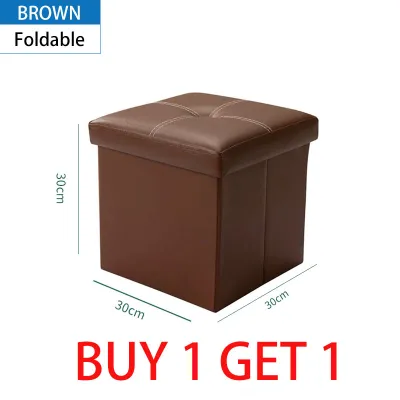
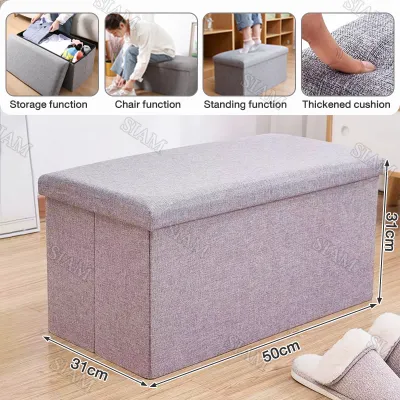
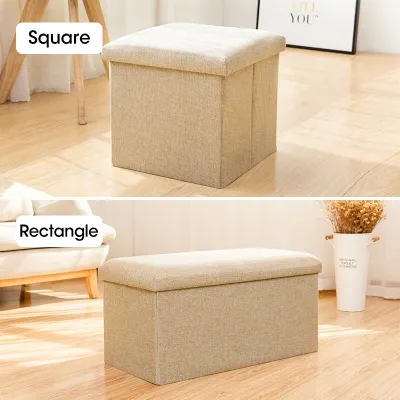
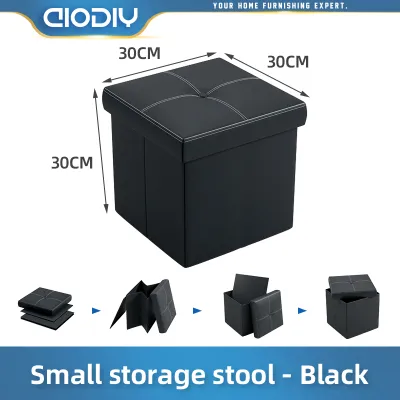
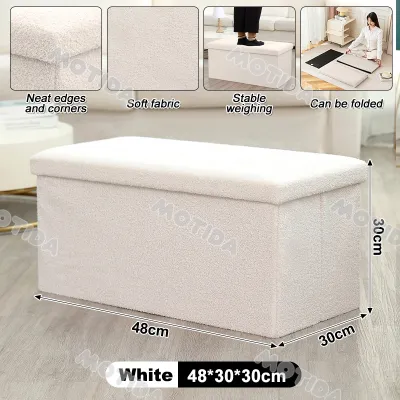
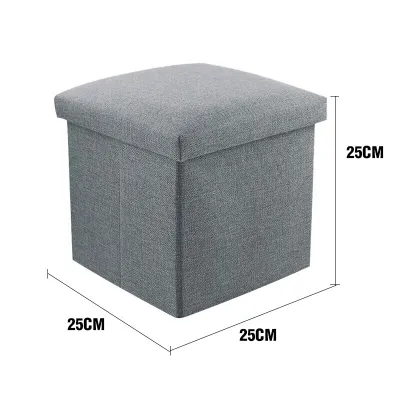
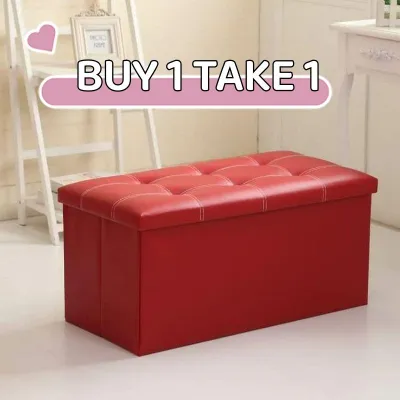
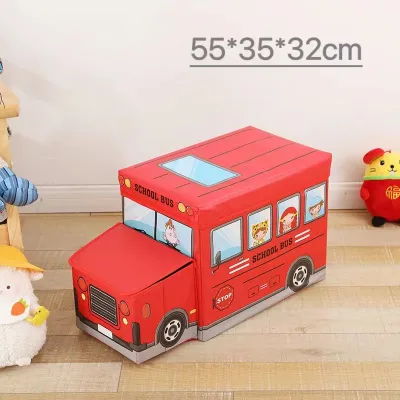
Prices are valid at publication and may change. Please refer to the product page for the latest price.
The design of the lid dictates both seating comfort and how easily you can retrieve your tools. Hinged lids are highly convenient because they remain attached to the frame, preventing them from falling into the dirt or blowing away in strong winds. However, they require you to stand up completely before you can access the contents. Removable lids offer a completely flat, unobstructed seating surface and can be set aside, but they require extra physical effort to lift and place on the ground. Flat lids are generally more comfortable for sitting and can easily accommodate outdoor cushions, whereas contoured or curved lids may shed rainwater more effectively but offer less stability for seating.
In the Philippines, weather resistance is non-negotiable due to the combination of heavy monsoon rains and high ambient humidity. A high-quality garden storage seat must feature sealed seams, overlapping lid lips, or rubber gaskets that prevent water from entering during driving rains. Additionally, any exposed hardware—such as hinges, screws, or latches—should be made of rust-proof materials like stainless steel, brass, or powder-coated aluminum. Without these protective features, salt air and persistent moisture will quickly corrode metal components, leading to stiff hinges and structural failure.
Matching Storage Box Designs to Your Gardening Routine
Selecting the ideal storage box with chair depends heavily on your physical space, mobility needs, and the volume of tools you use. For urban gardeners tending small balconies, pocket gardens, or narrow patios, a compact deck box with a flat, sturdy top is often the most practical choice. These units typically have a small footprint but offer enough vertical depth to store essential hand tools, a small watering can, and a few bags of potting mix. Because they double as a sleek side table or an extra seat for guests, they integrate seamlessly into limited outdoor living spaces without cluttering the area.

If you maintain a more active potting station or a larger collection of plants, a multi-tiered garden bench with hidden seat storage and open shelving may suit your routine better. These benches often feature a lift-up seat that conceals a deep dry-storage compartment, combined with lower open shelves or side racks for frequently used items like empty pots, soil scoops, and watering hoses. This design allows you to keep your most common tools within arm’s reach while keeping sensitive items, like organic fertilizers and seeds, safely tucked away under the dry, protected seat. However, these larger benches require a permanent, flat location and are less suited for frequent relocation.
For those who manage expansive garden beds, vegetable patches, or sprawling lawns, a rolling storage seat with an integrated kneeler function offers unmatched mobility. These low-profile carts feature heavy-duty wheels that glide over grass, soil, and gravel, allowing you to transport your tools across the yard without heavy lifting. The seat itself often sits lower to the ground, reducing strain on your back and knees while weeding or harvesting. Many models can be flipped over to serve as a padded kneeling pad with sturdy side handles to assist you in standing up.
Each of these designs carries distinct limitations that you must weigh against your gardening environment. Compact deck boxes, while space-efficient, cannot accommodate long-handled tools like rakes or shovels, forcing you to find alternative storage for larger equipment. Multi-tiered benches offer excellent organization but are heavy and difficult to move, making them vulnerable if your garden is prone to seasonal flooding or requires frequent rearrangement. Rolling storage seats, while highly mobile, typically have much lower weight capacities than stationary benches and may struggle to roll smoothly over soft, muddy soil or highly uneven terrain.
Pre-Purchase Checklist: Space, Weight, and Safety
Before finalizing your purchase, a systematic verification of your physical space and safety requirements will prevent installation headaches and product failure. Begin by measuring the exact footprint of the area where you plan to place the storage seat. Do not rely solely on the base dimensions; you must also account for the clearance required to fully open the lid or pull out storage drawers. If you place a hinged bench directly against a wall or a balcony railing, you may find that the lid cannot open fully without scraping the wall or tipping the unit forward.
Next, verify the manufacturer-stated weight limit of the seating surface. This is particularly important for lightweight plastic or resin models, which can bow or crack under heavy loads. Ensure the weight capacity comfortably exceeds the weight of the heaviest person who will use the seat, keeping in mind that you may also be holding heavy pots or tools while sitting. If the manufacturer does not explicitly state a seating weight limit, treat the product primarily as a storage box and avoid using it as a chair to prevent structural collapse and potential injury.
Assembly requirements and hardware quality demand close inspection, especially for flat-packed furniture ordered online. Check the product specifications to see if assembly requires specialized tools or if it utilizes a simple snap-together design. Snap-together plastic joints are easy to assemble but may offer less structural rigidity over time compared to units secured with heavy-duty screws and brackets. If the unit uses metal fasteners, ensure they are rated for outdoor use to prevent rust from weakening the joints and causing the bench to wobble or collapse.
Finally, evaluate how the design manages moisture and airflow. In tropical climates, trapped moisture leads to rapid mold growth and rusted tools. Look for storage seats that feature raised feet, which keep the base of the box off damp ground and prevent water from pooling underneath. Built-in ventilation slats or small, shielded gaps under the lid lip are essential for encouraging airflow without allowing rainwater to enter. If you plan to place the unit in an uncovered area exposed to direct rain, prioritize models with sloped lids that encourage water runoff rather than allowing water to pool on the seating surface.
Material and Design Trade-offs at a Glance
To make an informed decision, it is helpful to compare how different materials perform under the demanding environmental conditions of the Philippines. Each material option presents a unique balance of durability, maintenance, and aesthetic appeal.
| Material Type | Weather Resistance | Seating Comfort | Maintenance Level | Relative Cost |
|---|---|---|---|---|
| Resin / Plastic | High (waterproof, rust-proof) | Moderate (requires cushions for long sitting) | Low (occasional wipe down) | ₱ |
| Treated Wood | Moderate (susceptible to rot if unfinished) | High (solid, naturally warm surface) | High (periodic sealing or oiling) | ₱₱ – ₱₱₱ |
| Powder-Coated Metal | Moderate (rust-resistant but can corrode if chipped) | Low to Moderate (can get very hot in direct sun) | Moderate (inspect for paint chips) | ₱₱ |
Resin and plastic storage boxes are highly popular due to their lightweight mobility and complete resistance to water damage, rot, and insect infestation. However, they lack the structural rigidity of wood or metal and can become brittle over years of exposure to intense tropical sunlight. Wood offers a classic, sturdy aesthetic and excellent structural strength, but it requires regular maintenance—such as applying protective oils or sealants—to prevent warping, cracking, and termite damage in humid environments. Powder-coated metal frames provide exceptional strength and a modern look, but they must be kept out of direct sunlight to prevent the seating surface from becoming painfully hot, and any scratches in the protective coating must be repaired quickly to prevent rust.
Frequently Asked Questions (FAQ)
How do I prevent mold and rust inside an outdoor storage seat?
To prevent mold and rust, always ensure your gardening tools, gloves, and pots are completely dry before placing them inside the storage compartment. Wipe off any wet soil or moisture from hand trowels and shears, and let fabric gloves air-dry in the sun. You can place moisture-absorbing sachets or silica gel packs inside the box to help control humidity levels. Regularly open the lid on dry, sunny days to allow fresh air to circulate through the compartment, and check that any built-in ventilation gaps remain free of dirt, leaves, or spiderwebs.
Can a plastic storage box with a flat lid safely support an adult's weight?
A plastic storage box can only support an adult’s weight safely if the manufacturer has specifically rated it for seating and reinforced the lid. Do not assume that thick-looking plastic is inherently strong; look for internal structural ribbing, double-walled construction, or metal reinforcement bars molded into the underside of the lid. Over time, exposure to ultraviolet (UV) rays from the sun can degrade plastic, making it brittle and significantly reducing its weight-bearing capacity. Always locate the manufacturer’s maximum load specifications in the product manual or on the packaging label before sitting on the unit.
What is the best way to clean and maintain a wooden garden storage bench?
Maintaining a wooden garden storage bench requires regular visual inspections for splinters, loose joints, and signs of water penetration or wood rot. Clean the surface using a soft brush or a damp cloth with mild, diluted soapy water, avoiding harsh chemical cleaners or high-pressure washers that can strip away protective factory finishes. Before applying any wood oils, stains, or water-resistant sealants, consult the manufacturer’s product manual to ensure compatibility with the original wood treatment. Keeping the bench slightly elevated on rubber pads or placing it under a semi-outdoor patio roof will also extend its lifespan significantly.

Community discussion
Share your experience or ask a question. Comments are reviewed before publication.