
The best storage box with cover for moving depends entirely on what you are packing, as no single material suits every household item. For a successful move in the Philippines, you must balance the rigidity of plastic, the breathability of fabric, and the cost-effectiveness of cardboard against the weight, fragility, and moisture sensitivity of your belongings. Choosing the wrong container can lead to crushed valuables, torn seams, or mold growth caused by tropical humidity.
To ensure your items arrive intact, you need a systematic approach to matching your goods with the right lidded containers. This guide breaks down how to evaluate these boxes, match them to specific household categories, and verify their structural integrity before loading them onto the moving truck.
Comparing Plastic, Fabric, and Cardboard Storage Boxes
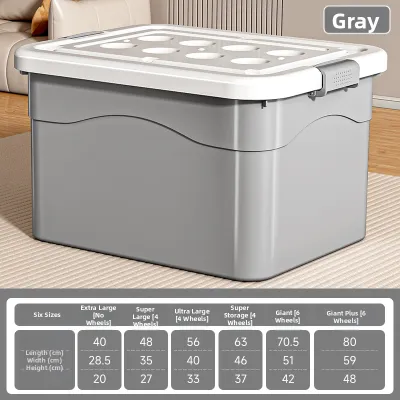
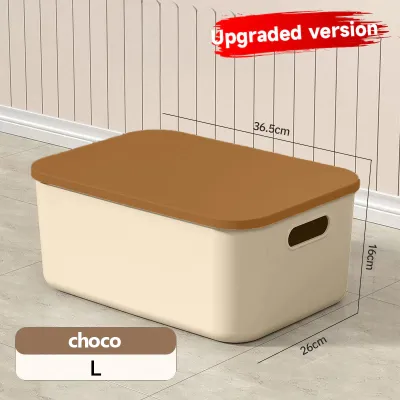
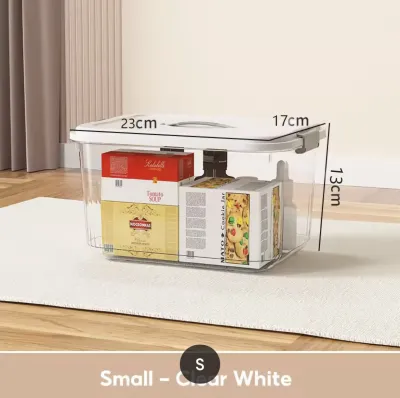
Evaluating the baseline capabilities of different lidded boxes requires looking closely at their structural traits, weight limits, and environmental resistance. Plastic storage boxes with covers offer the highest level of rigidity and moisture resistance. Their solid walls allow them to be stacked several units high without buckling, making them excellent for protecting contents from external pressure and tropical rain during transit. However, you must check the manufacturer’s specifications for weight limits, as low-grade plastics can crack under heavy loads.
Products mentioned in this guide
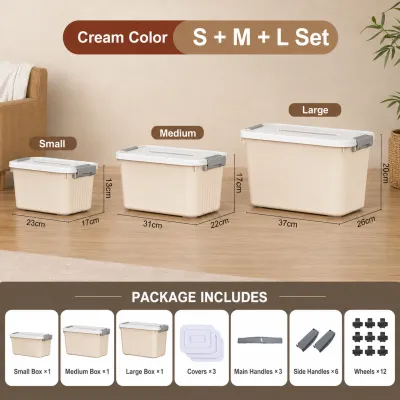
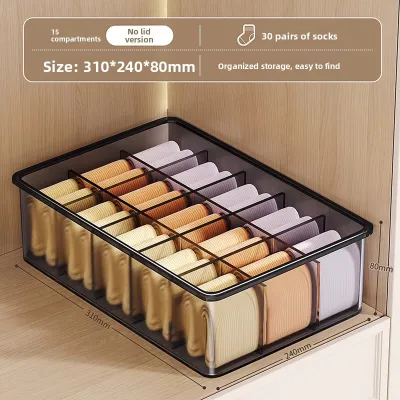
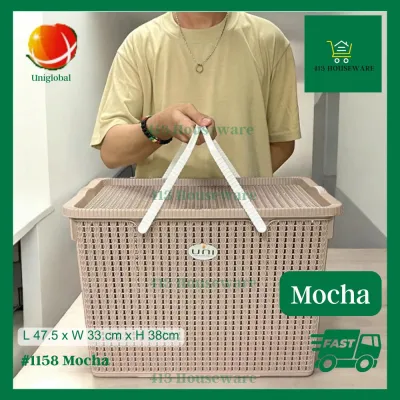
Prices are valid at publication and may change. Please refer to the product page for the latest price.
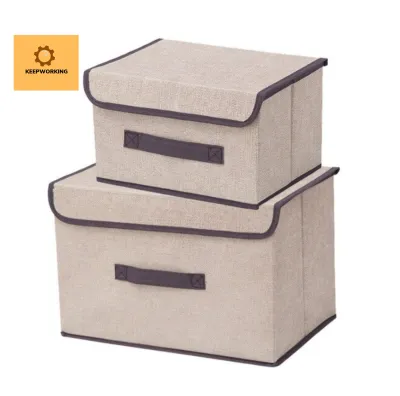
Fabric storage boxes provide a lightweight, collapsible alternative, but they lack structural rigidity. They are highly breathable, which can be beneficial for certain textiles, but they offer virtually no protection against crushing or heavy impacts. Their lids typically secure with zippers or hook-and-loop fasteners, which are convenient but can fail if the box is overstuffed.
Cardboard boxes remain the traditional choice for moving due to their affordability and lightweight nature. Double-walled cardboard offers surprising strength and decent stackability when properly taped, but it is highly vulnerable to moisture and humidity. A humid environment can quickly soften cardboard, drastically reducing its load capacity.
The security of your items during transit also depends heavily on the lid attachment mechanism. Snap-lock lids on plastic bins provide a firm, mechanical seal that resists popping open, while cardboard requires high-quality packing tape across all seams. Fabric zippers offer a neat closure but are prone to teeth separation under tension. Remember that material names alone do not guarantee durability; always inspect the seam construction, wall thickness, and manufacturer weight ratings before purchasing.
Matching Box Types to Your Belongings
A successful packing strategy requires categorizing your household items by weight, fragility, and volume before selecting a container. Relying on a single type of box for your entire home risks structural failure, damaged valuables, or inefficient truck loading. By matching the specific physical needs of your belongings to the strengths of each box material, you can create a secure packing system. The primary decision matrix balances item weight against box rigidity, and moisture sensitivity against the container’s material properties.

Fragile and Kitchen Items
Breakable items like glassware, ceramics, and kitchen appliances require maximum crush resistance and minimal internal movement. Rigid plastic storage boxes with secure covers or heavy-duty, double-walled cardboard boxes are the most suitable candidates for these delicate goods. Before packing, verify the manufacturer’s weight ratings and ensure the box’s internal dimensions allow ample room for protective padding like bubble wrap or packing paper.
Avoid using fabric boxes for fragile items under any circumstances. Because fabric containers lack a rigid frame, any external pressure from stacked items or shifting cargo will transfer directly to the breakables inside, leading to inevitable damage. Always line the bottom of your chosen rigid box with cushioning, pack items tightly to prevent shifting, and fill any remaining empty spaces with crumpled paper before securing the lid.
Clothing, Bedding, and Soft Goods
Textiles and soft goods are highly compressible and lightweight, making them ideal for fabric storage boxes with zippered covers. These containers allow you to maximize space efficiency in the moving truck because they can flex slightly to fit into tight spaces. The zippered lids keep dust out while allowing the fabrics to breathe during short transits.
For long-term storage or moves during the rainy season, plastic bins with covers are a safer choice to protect clothing and bedding from water damage. If you use plastic, ensure both the box interior and the fabrics are completely dry before sealing the lid to prevent trapping moisture. Regardless of the material, avoid overstuffing soft boxes, as excessive pressure can easily split zippers or tear stitched seams.
Books, Documents, and Heavy Items
Dense, heavy items like books, files, and hand tools present a high risk of bottom blowouts and handle failures during a move. To transport these safely, utilize small to medium-sized rigid plastic bins or specialized heavy-duty cardboard boxes with reinforced bottoms. Keeping the box size small prevents the total weight from exceeding safe lifting limits and protects the container’s structural integrity.
Filling a large box with books is a common mistake that often results in the bottom falling out or the handles tearing off when lifted. Before loading, physically test the handle attachments and base seams of each box by lifting it slightly off the ground. If you notice any bowing, stretching, or stress marks, immediately distribute the weight into smaller containers.
General Household and Everyday Items
Miscellaneous items such as toys, non-fragile decor, and plastic utensils can be packed efficiently in standard plastic bins with snap-lock lids. These medium-weight items do not require extreme reinforcement, but they benefit from the organized stackability that uniform plastic containers provide.
For items that you plan to unpack immediately upon arrival, standard cardboard boxes are a practical and eco-friendly choice. Once emptied, these boxes can be folded flat and recycled easily, saving storage space in your new home. Because stacked boxes hide their contents, always write detailed labels on the sides of cardboard boxes or use clear plastic bins so you can identify everyday essentials without opening every lid.
Essential Features to Verify Before Use
Before packing your belongings, you must inspect the physical condition and design features of your storage boxes to ensure they can withstand the physical stress of transport. Start by checking the lid security. For plastic bins, ensure the snap-locks or latches engage fully and do not pop open when light pressure is applied to the sides. For cardboard, verify that the surface is clean and dry so that packing tape can adhere properly to the flaps.
Next, inspect the handles carefully. Look for handles that are molded directly into the plastic body of the bin, as these are far less likely to fail than clip-on handles. For fabric boxes, verify that the handles are securely stitched with reinforced cross-stitching rather than merely glued or lightly threaded.
Assess the stackability of your containers by checking for interlocking lid-and-base designs. High-quality plastic storage boxes often feature recessed lids that allow the base of another box to sit securely inside, preventing shifting and toppling in the moving truck. Finally, evaluate weather resistance; if your items will be exposed to rain during loading or unloading, prioritize water-resistant plastics and treat cardboard as highly vulnerable.
Safe Packing and Stacking Practices
Applying correct loading techniques is essential to protect both the storage boxes and the items inside during transit. Always distribute weight evenly within each box, placing the heaviest items at the bottom and lighter items on top. When loading the moving vehicle, place the heaviest, most rigid boxes at the bottom of the stack to establish a stable base, and place lighter fabric or cardboard boxes on top.
Avoid stacking boxes higher than the manufacturer’s recommended limit or beyond the safe clearance of your moving vehicle. To prevent the container walls from collapsing inward under pressure, fill all empty spaces inside each box with soft packing materials like clean towels, crumpled paper, or air pillows. This prevents items from shifting and breaking the box from the inside. If you observe any visible bowing, cracking, or seam separation while stacking, stop immediately and repack the contents into stronger or smaller containers.
Frequently Asked Questions (FAQ)
Can I use fabric storage boxes for moving heavy items?
No, fabric storage boxes are not suitable for heavy items. They lack the rigid frame and structural strength required to support heavy loads or protect contents from being crushed when stacked. Restrict fabric containers to lightweight, soft goods like clothing, pillows, and plush toys, and always check the manufacturer’s maximum weight capacity before use.
How do I prevent mold in plastic storage boxes during a move?
To prevent mold, ensure that both the interior of the plastic box and all packed items are completely dry before sealing the lid. This is especially critical in humid tropical climates. You can also place silica gel desiccant packets inside the box to absorb residual moisture, and avoid packing damp textiles or washing items immediately before placing them in airtight containers.
Is it better to buy new boxes or reuse old ones for moving?
It is generally better to buy new boxes for heavy, valuable, or highly fragile items where structural failure would cause significant damage. If you choose to reuse old boxes, thoroughly inspect them for micro-cracks, weakened seams, water damage, or degraded plastic. Reused boxes are excellent for lightweight, non-breakable items, but new containers offer predictable strength and reliable lid closures.

Community discussion
Share your experience or ask a question. Comments are reviewed before publication.