
Selecting the ideal storage cabinet organizer for a buffet or display cabinet depends on matching the internal dimensions of your furniture with the specific items you need to store. Rather than relying on a one-size-fits-all solution, evaluating your space and categorizing your belongings will help you choose the most functional organizer style, ensuring your dining and display areas remain accessible, secure, and visually appealing.
In tropical climates like the Philippines, where high humidity can affect wooden furniture and dust can settle quickly, selecting the right organizer style also helps maintain airflow and simplifies routine cleaning. Proper organization prevents items from crowding, which reduces the risk of mold growth in dark corners. By taking the time to plan your layout, you can transform a cluttered cabinet into a highly functional and beautiful focal point in your dining area.
Assessing Your Buffet and Display Cabinet Space
Before purchasing any storage cabinet organizer, a precise physical assessment of your cabinet interior is essential. Start by measuring the clear internal width, depth, and height of each compartment. It is a common mistake to measure only the outer frame; instead, place your measuring tape inside the cabinet, running it from one interior wall to the other. Be sure to account for any obstructions such as protruding door hinges, shelf support pins, magnetic catches, or decorative back panels that might reduce the usable space by a few centimeters.
Products mentioned in this guide
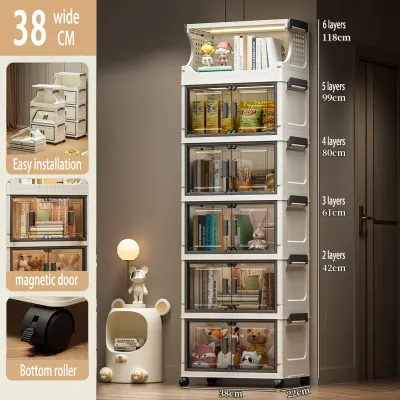
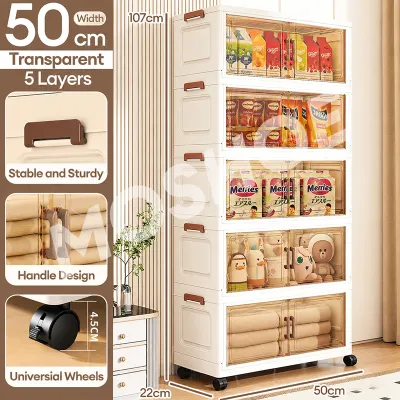
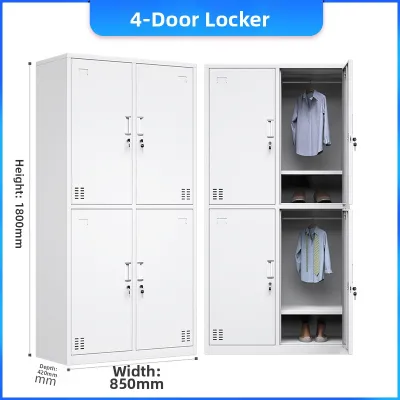
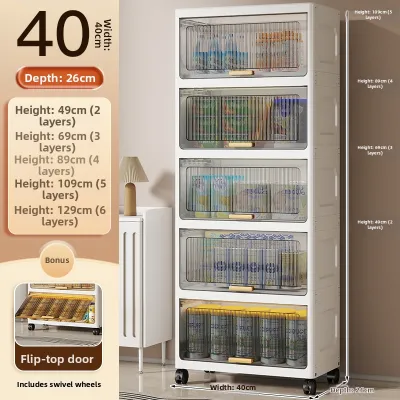
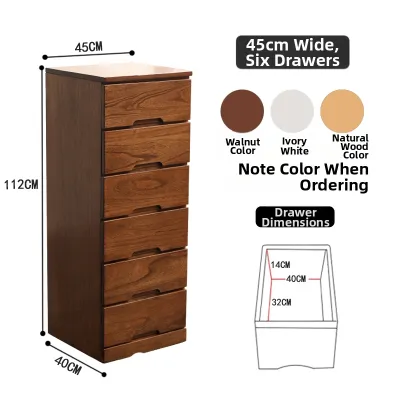
Prices are valid at publication and may change. Please refer to the product page for the latest price.
Door clearance is another critical factor that dictates which organizers will function properly. Open the cabinet doors completely and measure the actual width of the opening. Some doors do not swing back a full 180 degrees, meaning the door frame or the door itself might partially block the entryway. If you plan to install pull-out drawers or sliding baskets, they must be narrow enough to clear these open doors and their hinges without scraping the wood or snagging on hardware.
Next, categorize the items you intend to store by their weight, fragility, and how often you use them. Heavy ceramic serving platters, stone dinnerware, and cast-iron pots require sturdy, low-level storage with high load capacities. Fragile items like delicate glassware, heirloom porcelain, or crystal wine glasses need stable, vibration-free platforms that prevent them from clinking together. Frequently used items, such as daily dinnerware or tea sets, should occupy the most accessible middle shelves, while seasonal items can be placed higher or deeper within the cabinet.
Matching Organizer Styles to Your Storage Needs
Different zones within a buffet or display cabinet serve distinct purposes, meaning a single organizer style rarely suffices for the entire piece of furniture. By dividing your cabinet into functional zones—such as deep lower compartments, eye-level glass display shelves, and shallow drawers—you can pair each area with the specific organizer style designed to optimize its unique dimensions. This targeted approach ensures that every plate, glass, and utensil has a designated, secure home.

Pull-Out Shelves and Sliding Baskets
Deep lower compartments in buffet cabinets are notorious for becoming dark, inaccessible zones where heavy items are forgotten. Pull-out shelves and sliding baskets solve this issue by bringing the contents of the cabinet directly out into the light. This style is highly suitable for storing heavy dinnerware sets, small kitchen appliances, or large serving bowls that are difficult to lift from a bent-over position. By sliding the shelf forward, you eliminate the need to reach deep into the cabinet, reducing the risk of dropping heavy or expensive items.
Before purchasing a pull-out organizer, it is crucial to verify the manufacturer’s specified weight capacity and the installation requirements. Heavy-duty metal slides are necessary for supporting stacks of ceramic plates or heavy glassware, and these slides must be securely anchored to either the cabinet floor or sturdy, fixed shelves. Check whether the tracks require bottom-mounting or side-mounting, and ensure your cabinet walls or base can support the screws without splitting or warping, especially if the furniture is made of engineered wood or thin plywood.
Furthermore, you must ensure there is adequate side clearance for the sliding mechanism to operate smoothly. Measure the distance between the outer edges of the slide tracks and the inner faces of the cabinet doors when open. Even a minor misalignment can cause the metal tracks or the basket edges to scrape against the polished interior finish of your cabinet doors. If your cabinet has decorative molding or face frames, you may need to install spacer blocks behind the slide tracks to ensure the drawer clears the frame entirely.
Stackable Bins and Shelf Risers
Display cabinets with glass doors rely heavily on visual order, making vertical space utilization a priority. Shelf risers and stackable bins are excellent tools for maximizing this vertical space, particularly for lightweight or fragile items like glassware, coffee mugs, or decorative tea tins. Instead of stacking cups directly on top of one another—which risks chipping the rims—a shelf riser creates an intermediate platform, effectively doubling the storage capacity of a single shelf while keeping each item independently accessible.
When selecting materials for these organizers, consider how they affect both visibility and structural stability. Clear acrylic risers are highly favored for display cabinets because they allow light to pass through, keeping the focus on your beautiful glassware while maintaining a clean, modern aesthetic. Bamboo risers offer a warm, natural look that complements traditional wooden buffets, while vinyl-coated wire risers provide a lightweight, cost-effective option with excellent airflow, which is beneficial for preventing moisture buildup in humid environments.
Regardless of the material, always verify the safety features of the risers before loading them with fragile items. Look for models equipped with non-slip rubber feet or silicone grips to prevent the riser from sliding around on polished wooden or glass shelves. Check the manufacturer’s recommended weight limits to ensure the riser will not bow or sag under the weight of your items. Additionally, inspect the edges of the organizer; smooth, rounded, or polished finishes are essential to prevent scratching the delicate surfaces of your cabinet shelves or the bases of your glassware.
Drawer Dividers and Inserts
The shallow drawers of a buffet cabinet are the natural home for flatware, serving utensils, table linens, and small dining accessories. Without proper organization, however, these drawers quickly descend into a cluttered mess where sharp knives and delicate silver spoons slide around and scratch each other. Installing dedicated drawer dividers or modular inserts keeps these small items neatly separated, making it easy to find exactly what you need during meal preparation or table setting.
You can choose between adjustable, spring-loaded dividers and custom-fit modular inserts depending on your drawer dimensions and organizational preferences. Spring-loaded wooden or plastic dividers are highly versatile because they can be compressed to fit the exact length or depth of your drawer, creating rigid barriers that you can adjust as your collection changes. Modular inserts, such as individual plastic or bamboo trays, allow you to mix and match different sizes to create a tailored layout for unique items like cake servers, wine openers, or fabric napkins.
Before finalizing your choice, measure the internal depth of your drawers carefully. Some decorative buffet drawers are surprisingly shallow, and dividers that are too tall will prevent the drawer from closing smoothly or may scrape against the underside of the cabinet frame. Ensure that the height of your inserts or dividers leaves at least a few millimeters of clearance below the top edge of the drawer side walls to guarantee seamless, snag-free operation.
Lazy Susans and Turntables
Deep corners and hard-to-reach middle shelves can make accessing small items a daily frustration. Lazy Susans and rotating turntables solve this accessibility issue by utilizing a 360-degree rotating platform, bringing items from the back of the cabinet to the front with a simple spin. This style is particularly effective for organizing small jars, condiments, tea bags, coffee pods, or small dessert plates that might otherwise get pushed to the back and forgotten.
To ensure a rotating turntable functions properly without wasting valuable space, you must match its diameter carefully to both the cabinet depth and the door opening width. A turntable that is too large will hit the cabinet door or the back wall, preventing it from spinning, while one that is too small will leave excessive unused space in the corners. Measure the clear depth of your shelf and subtract at least two to three centimeters to find the ideal turntable diameter, ensuring it has enough room to rotate freely without rubbing against any surface.
When evaluating different turntables, pay close attention to the quality of the bearing mechanism and the design of the platform. A high-quality ball-bearing system ensures smooth, quiet rotation even when the turntable is fully loaded with heavy glass jars. Additionally, look for models with a raised outer edge or a non-slip silicone lining on the rotating surface. These features prevent tall, slender items from tipping over or sliding off the edge due to centrifugal force when the turntable is spun.
Key Measurements and Installation Checks
Successfully integrating storage cabinet organizers into your buffet or display cabinet requires careful attention to installation details and structural safety. Before committing to any permanent installation, double-check the clearance around door hinges, center stiles, and existing shelf support pins. These structural elements often protrude further than expected, and failing to account for them can result in organizers that do not fit or doors that cannot close properly.
Depending on your cabinet’s material and whether you rent or own your home, you must choose the appropriate installation method. Adhesive-backed organizers and tension-mounted dividers are ideal for temporary setups or delicate antique cabinets where drilling holes is highly undesirable. For heavy-duty applications, such as pull-out wire baskets, screw-in installations provide the necessary stability and safety. However, if your cabinet is made of solid hardwood or delicate veneers, always pre-drill pilot holes to prevent the wood from splitting, and use screws of the correct length to avoid puncturing the exterior panels.
Weight distribution is another critical factor in maintaining the structural integrity of your furniture. Avoid overloading individual shelves or drawers beyond their intended capacity, as excessive weight can cause wooden shelves to sag permanently, glass shelves to shatter, or drawer slides to derail. Distribute heavier items evenly across the lowest shelves of the cabinet to maintain a low center of gravity, which helps prevent the entire unit from tipping forward when drawers are pulled out.
Finally, always prioritize safety and warranty protection when planning modifications. If installing an organizer requires drilling into the cabinet frame or making structural alterations that conflict with the manufacturer’s warranty terms, stop the installation immediately. In such cases, consult the furniture manufacturer or a qualified professional carpenter to find a safe, non-destructive alternative that preserves both the beauty and the structural warranty of your buffet or display cabinet.
Frequently Asked Questions (FAQ)
Can I install pull-out shelves in a cabinet with a center stile?
Yes, you can install pull-out shelves in cabinets with a vertical center stile, but it requires careful planning. You must measure the clear opening width of each individual door opening rather than the total interior width of the cabinet. To work around the center stile, select narrower, independent pull-out units or sliding baskets designed to fit through these restricted openings, ensuring they slide out smoothly without hitting the central support.
How do I prevent shelf risers from scratching my glassware?
To protect fragile glassware from scratches, choose shelf risers equipped with soft felt pads, rubber feet, or smooth, polished edges. Additionally, placing a high-quality, non-slip shelf liner underneath the riser provides an extra layer of cushioning, dampens vibrations when opening and closing cabinet doors, and enhances the overall stability of the organizer setup.

Community discussion
Share your experience or ask a question. Comments are reviewed before publication.