
Moving your household items to a new home requires careful planning, but specialty items like your tea collection deserve extra attention. To keep your tea safe during a move, the best tea box organizer is one that balances structural rigidity, secure latching, and moisture protection. While a beautiful wooden chest looks excellent on a kitchen counter, transit demands a container that can withstand vibration, sudden drops, and the high humidity typical of tropical climates. Choosing the right organizer involves evaluating how well its material and internal layout shield your delicate tea bags or loose-leaf tins from physical and environmental damage.
Before packing a single item, you must assess the specific vulnerabilities of your collection. Teas are highly sensitive to their surroundings, and the mechanical stresses of a move can quickly degrade their quality. By understanding these risks, you can select an organizer that acts as a protective shield rather than just a temporary holder.
Identifying Transit Risks for Your Tea Collection
Physical impacts are the most immediate threat to your tea collection during a move. When a moving truck travels over uneven roads, the constant vibration can cause loose tea leaves to break down into fine dust, altering their brewing characteristics. Sudden stops or accidental drops of packing boxes can crush delicate paper tea envelopes, crack plastic containers, or dent metal tins. If your tea box organizer lacks structural integrity, the pressure from adjacent boxes in the truck can compress the organizer itself, damaging the contents inside.
Products mentioned in this guide
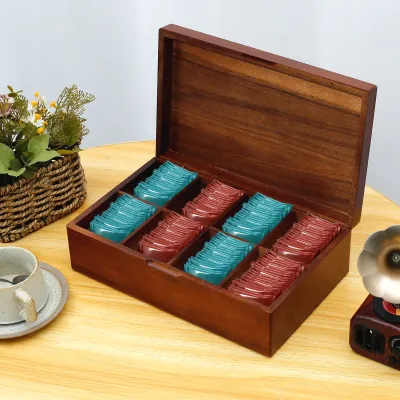
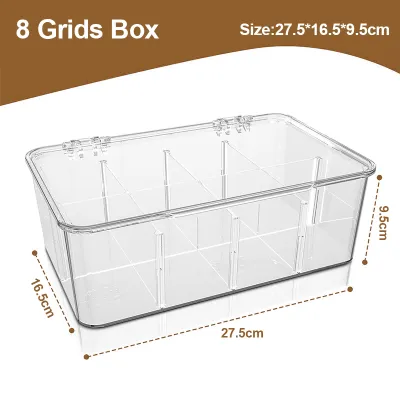
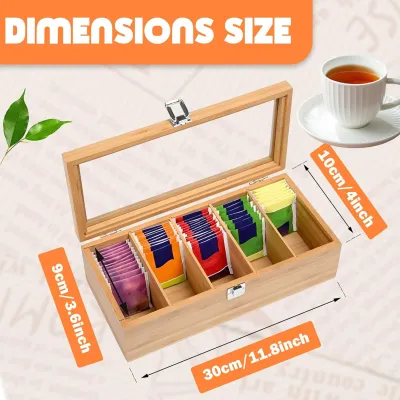
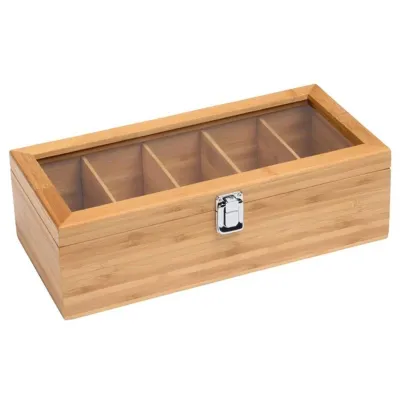
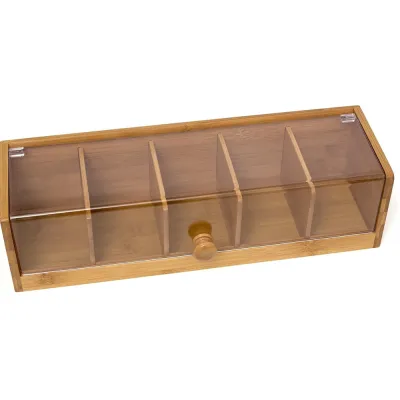
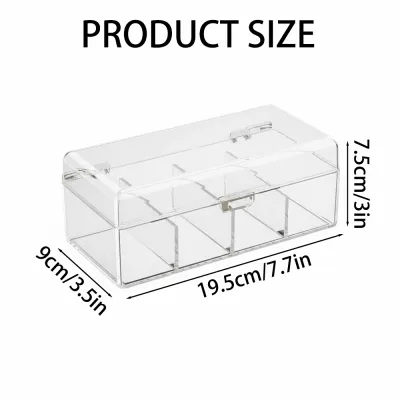
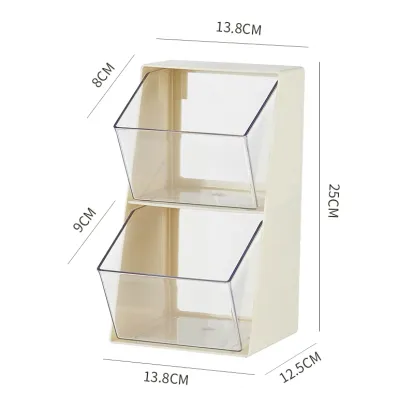
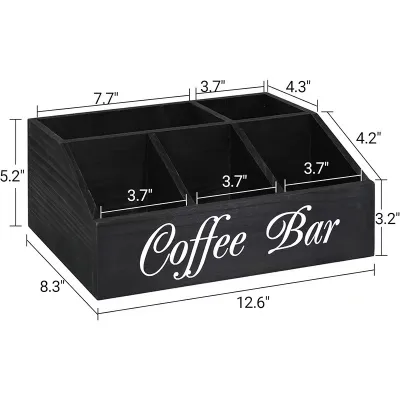
Prices are valid at publication and may change. Please refer to the product page for the latest price.
Environmental factors pose an equally serious risk, especially in warm, humid climates. High humidity can seep into poorly sealed organizers, causing paper tea bags to damp, clump, or develop mold. Temperature fluctuations inside a closed moving van can cause condensation to form inside sealed plastic bags or tins, ruining premium loose-leaf selections. Furthermore, prolonged exposure to light can degrade the essential oils in tea leaves, stripping away their flavor and aroma before they even reach your new kitchen.
Weight distribution within your moving boxes also affects how well your tea survives the journey. Tea collections can become surprisingly heavy, particularly when you store multiple metal tins or ceramic canisters together. If this weight is concentrated on one side of an organizer, it can cause the container to tilt, warp, or slip from a mover’s hands. Ensuring that your organizer distributes weight evenly prevents structural stress on the box joints and makes the entire package much safer and more comfortable to carry.
Comparing Tea Box Organizer Materials for Moving
Wooden and bamboo organizers are popular for their classic aesthetic and natural sturdiness, but they require careful evaluation before a move. While solid wood offers excellent crush resistance against stacking pressure, it also adds significant weight to your moving load. You must inspect the corners of wooden boxes, as these joints are highly vulnerable to splitting if dropped. Additionally, unfinished wood can absorb moisture from the air, so you should check that the organizer has a protective, water-resistant sealant to guard against tropical humidity.

Metal organizers, such as those made of tin or aluminum, provide exceptional protection against crushing and punctures. They are lightweight yet rigid, making them highly durable during transport. However, metal is highly conductive to heat, meaning temperature spikes inside a moving truck will quickly transfer to the tea inside. Metal containers are also prone to denting under heavy impact, which can compromise their lids and prevent a tight seal from maintaining freshness.
Plastics and acrylics offer a lightweight, moisture-resistant alternative that is highly practical for moving. High-quality, flexible plastics can absorb shocks and vibrations without cracking, making them highly resilient during transit. Acrylic organizers provide excellent visibility so you can check your collection at a glance, but they are more brittle and can shatter under heavy pressure. When using plastic, you should also check for static buildup, which can attract dust and loose tea particles to the container walls.
Cardboard and paperboard organizers are the most lightweight and budget-friendly options, but they have severe limitations during a move. They offer very little resistance to crushing, meaning they cannot support heavy loads or withstand stacking pressure inside a moving truck. Exposure to moisture or high humidity can quickly soften paperboard, causing the organizer to collapse and expose your tea to damage. If you must use cardboard, limit it to lightweight, individually wrapped tea bags and avoid stacking anything on top of it.
Evaluating Internal Structures and Compartment Designs
The internal layout of your tea box organizer determines how well your collection stays in place during transit. Fixed dividers provide excellent structural support to the overall box, preventing the outer walls from bowing inward under pressure. However, adjustable inserts offer the flexibility needed to accommodate various packaging shapes, from flat tea bags to tall tins. If you choose adjustable dividers, ensure they lock securely into their slots so they do not slide out of place when the box is tilted.
Lid security is another critical feature to examine before trusting an organizer with your collection. A simple magnetic closure or gravity-fit lid may suffice for a stationary kitchen counter, but it can easily pop open during a bumpy truck ride. Look for organizers with physical latches, clasps, or buckle straps that mechanically lock the lid in place. A secure closure ensures that even if the organizer is tipped upside down, your tea bags and tins remain safely contained inside.
Cushioning and lining inside the compartments can make a significant difference in protecting fragile tea packaging. Hard wooden or plastic dividers can scratch metal tins or tear delicate paper tea envelopes when subjected to constant road vibrations. Organizers with soft felt linings, foam inserts, or fabric-covered dividers help absorb shock and prevent friction damage. If your preferred organizer lacks built-in cushioning, you can easily add small pieces of bubble wrap or clean packing paper to fill any gaps.
Packing Your Tea Box Organizer for the Move
Once you have selected the right tea box organizer, proper packing techniques are essential to ensure it arrives safely at your new home. Begin by wrapping the entire organizer in several layers of clean moving paper or bubble wrap. Pay special attention to the corners, hinges, and latches, as these are the areas most prone to impact damage. Secure the wrapping tightly with packing tape, taking care not to let the adhesive touch the actual surface of the organizer to avoid ruining its finish.
Next, select a sturdy, double-walled corrugated cardboard box that is slightly larger than your wrapped organizer. Avoid using oversized boxes, as they encourage shifting, and do not place the organizer at the very bottom of a box filled with heavy kitchen appliances. Instead, place it in a dedicated box for fragile kitchenware or pantry items. Position the organizer upright to maintain its structural integrity and prevent the internal contents from shifting excessively.
Finally, fill all remaining empty spaces inside the moving box with void-fill materials to prevent any movement during transit. Crumpled packing paper, air pillows, or even clean kitchen towels work perfectly to absorb shocks and keep the organizer stable. Gently shake the box after packing; if you hear or feel anything shifting inside, add more packing material until the contents are completely stationary. Seal the box securely with heavy-duty packing tape and clearly label it as “Fragile” and “This Side Up.”
Frequently Asked Questions (FAQ)
Can I use my daily wooden tea box for moving, or do I need a dedicated travel case?
You can certainly use your daily wooden tea box for moving, provided you take a few extra precautions to reinforce it. First, inspect the structural integrity of the box, checking that the hinges are secure and the wood joints are not loose. Since daily-use boxes often lack heavy-duty locking latches, you must wrap the entire box tightly in plastic stretch wrap or bubble wrap to keep the lid firmly closed. This prevents the lid from swinging open and protects the polished wood finish from scratches and dents during the move.
How should I handle loose-leaf tea tins inside an organizer during a move?
Loose-leaf tea tins require extra care because their lids can easily pop off due to air pressure changes or road vibrations, leading to messy spills. To prevent this, secure the lid of each tin with a rubber band or a small piece of painter’s tape before placing it in the organizer. Ensure the tins fit snugly within their compartments so they do not slide around and dent each other. If there is any extra space inside a compartment, tuck a small piece of clean packing paper around the tin to create a tight, cushioned fit.

Community discussion
Share your experience or ask a question. Comments are reviewed before publication.