
Finding the ideal wall mount rack for a home study requires looking beyond aesthetics to evaluate how a shelving system interacts with your specific room conditions, wall types, and the physical weight of your study materials. There is no single style that serves as a universal solution for every study space. Instead, a successful setup relies on a careful balance between the weight of your books, the volume of your stationery supplies, and the structural integrity of your walls. Before purchasing any shelving unit, it is essential to systematically measure your space and categorize your items to ensure the rack can safely support your daily workflow.
Begin by measuring the available wall width and height in your study area. When planning the placement, you must account for desk clearance, chair movement, and the overall visual balance of the room. For instance, a rack mounted too low can obstruct your monitor or limit your physical movement, while one mounted too high makes daily-use reference books difficult to reach. Ensure there is at least 50 to 60 centimeters of clear vertical space above your desktop if you plan to mount shelves directly over your workspace. This clearance prevents the shelving from casting deep shadows over your writing area and ensures you do not accidentally bump your head when leaning forward.
Next, categorize your study items by weight and frequency of use. Heavy items like thick textbooks, legal binders, and reference manuals require deep shelves with robust structural support, whereas lightweight items like notebooks, pens, and decorative plants can sit on shallower, more flexible organizers. Grouping your items this way helps you determine the necessary depth of the shelves—typically 20 to 30 centimeters for standard books—and allows you to plan a balanced load distribution, placing the heaviest items on the lowest, most secure levels.
Products mentioned in this guide

Prices are valid at publication and may change. Please refer to the product page for the latest price.
Finally, establish a realistic budget in Philippine Pesos (₱) that accounts for the entire installation. A basic single-shelf unit might cost around ₱500 to ₱1,200, but a complete modular system or heavy-duty multi-tier rack can range from ₱2,500 to over ₱8,000. When calculating your budget, remember to include the cost of high-quality mounting hardware, specialized wall anchors, and any tools you might need to purchase, such as a spirit level or masonry drill bits. Investing in reliable hardware upfront prevents costly wall damage and ensures your valuable books and electronics remain secure.
Comparing Wall Mount Rack Styles for Books and Supplies
Selecting the right configuration of a wall mount rack involves matching your storage habits with the physical characteristics of different shelving designs. Home study spaces typically require a mix of heavy book storage and accessible organization for smaller office supplies. By understanding the structural trade-offs between open display shelves, modular board systems, and enclosed cabinets, you can design a highly functional workspace that minimizes clutter while keeping your essential tools within arm’s reach.
Floating Shelves and Ledge Racks
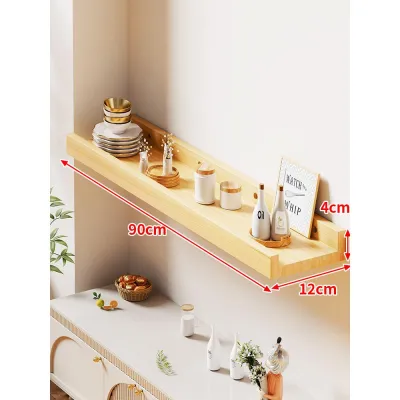
Floating shelves and ledge racks are popular choices for modern study spaces because they offer a clean, minimalist aesthetic that makes small rooms feel more open. When selecting floating shelves for book storage, always check the shelf depth to ensure it fully accommodates standard book sizes without any dangerous overhang. A shelf that is too narrow will cause books to lean precariously, increasing the risk of them falling.
Additionally, you should evaluate the visibility of the mounting brackets and the ease of cleaning the open surfaces. In tropical environments where dust accumulates quickly, open shelves require regular maintenance to keep your books pristine. If you choose a floating design with hidden internal brackets, verify that the bracket rods are long and thick enough to prevent the shelf from sagging forward under the weight of your reading materials.
Grid Panels and Pegboards
Grid panels and pegboards offer excellent modular flexibility, making them ideal for organizing lightweight stationery, notes, cables, and small tools that otherwise clutter your desktop. When evaluating these systems, look closely at the grid spacing and the availability of compatible accessories such as hooks, clips, hanging cups, or small wire baskets. These components allow you to customize your storage layout as your study needs change over time.
However, it is crucial to recognize the physical limitations of these modular board systems. While they excel at keeping daily-use tools visible and organized, they are not designed to support heavy textbooks, thick binders, or heavy reference materials directly. Attempting to load a pegboard with heavy books can warp the panel or pull the mounting screws out of the wall, so these systems should always be paired with dedicated heavy-duty shelving for your primary library.
Wall-Mounted Cabinets and Cubbies
Wall-mounted cabinets and cubbies are highly effective when you need to conceal visual clutter, organize loose documents, or protect sensitive papers from dust and ambient humidity. Before purchasing an enclosed unit, verify the internal dimensions to ensure your binders and folders will fit comfortably inside. You must also measure the door clearance and the swing radius of any hinged components to ensure they do not collide with nearby light fixtures, monitors, or your desk chair.
Keep in mind that closed cabinets have a much heavier visual weight than open shelves. In a compact home study, a large, dark-colored wall cabinet can make the room feel cramped and dark. To maintain a balanced and airy atmosphere, consider choosing cabinets with glass-front doors, or mix enclosed cubbies with open shelving to break up the solid mass on your wall.
Evaluating Material, Structure, and Weight Capacity
To ensure your wall mount rack remains safe and stable over years of daily use, you must carefully evaluate its material quality, structural design, and rated weight capacity. Never rely solely on generic material names like “solid wood,” “metal,” or “engineered wood” as proof of durability or strength. A poorly constructed solid wood shelf with weak joints can fail much faster than a well-engineered steel bracket system. Always read the manufacturer’s specifications to find the exact weight capacity per shelf and for the entire unit under even load distribution.

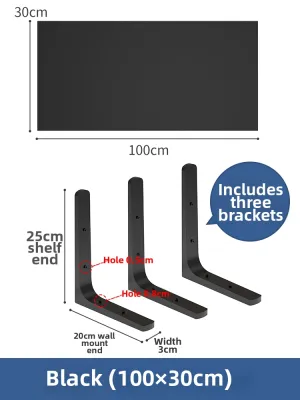
Inspect the bracket design and material thickness closely before making a decision. For heavy book storage, look for brackets made of thick, powder-coated steel that feature a supportive diagonal brace or a gusset. The quality of the included mounting hardware is equally critical; many budget racks come with low-grade screws and plastic wall plugs that are prone to stripping or breaking during installation. If the included hardware feels flimsy, do not hesitate to purchase high-quality, brand-name screws and anchors separately to secure the rack.
In humid tropical climates, surface treatments and edge finishing play a vital role in protecting both the furniture and your books. Unsealed wood or poorly laminated particle board can absorb moisture from the air, leading to swelling, warping, mold growth, and peeling edges. Check that all wooden surfaces are sealed with a moisture-resistant polyurethane varnish or a high-quality laminate. Furthermore, ensure that the edges of the shelves are smooth and free of sharp burrs or rough spots that could tear book covers, scratch your hands, or damage delicate paper documents during daily use.
Installation Requirements and Wall Compatibility
The safety and longevity of your wall mount rack depend heavily on proper installation and wall compatibility. Before drilling any holes or purchasing mounting hardware, you must identify the specific type of wall in your home study. In many residential structures, walls are made of solid concrete, hollow concrete blocks, drywall, or plaster. Each of these materials requires a completely different mounting strategy, drill bit, and anchor type to ensure the rack does not pull away from the wall under a heavy load.
For solid concrete or masonry walls, which are highly common in local homes, you will need a hammer drill, a masonry drill bit, and expansion anchors or concrete screws. These walls offer exceptional load-bearing capacity when paired with the correct hardware. If your study has drywall partitions, you must locate the wooden or metal structural studs behind the drywall using a stud finder. Mounting a heavy book rack directly into drywall without securing it to the studs is highly dangerous, as drywall alone cannot support the downward pulling force of heavy books. If a stud is not positioned where you need to mount the rack, you must use specialized heavy-duty toggle bolts, ensuring they are rated for the specific weight of your loaded shelves.
Always prioritize safety and follow the manufacturer’s installation manual step-by-step. If you encounter an unknown wall material, if you suspect there are electrical wires or water pipes behind the drilling zone, or if the manufacturer’s instructions conflict with your wall type, stop immediately. In these situations, it is best to consult a qualified local carpenter or professional handyman to complete the installation safely, protecting your home from structural damage and preventing potential falling hazards.
Frequently Asked Questions (FAQ)
Can I install a wall mount rack on drywall for heavy books?
Standard plastic wall plugs or expansion anchors are entirely insufficient for supporting heavy books on drywall, as the material will crumble under tension. To safely store books on a drywall surface, you must locate the structural wood or metal studs behind the wall and drive your mounting screws directly into them. If the layout of your study prevents you from aligning the rack brackets with the studs, you must use specialized heavy-duty toggle bolts or hollow-wall anchors. Always consult the rack’s installation manual to verify the maximum weight limits and recommended anchoring methods for drywall installations.
How do I prevent books from sliding off floating shelves?
To keep your books secure on open floating shelves, look for designs that feature built-in lip edges, raised side borders, or integrated bookends. If your existing shelves are completely flat, you can use heavy, free-standing bookends made of metal, stone, or wood to keep the volumes upright. Another practical solution is to place a non-slip shelf liner beneath the books to increase friction, or to arrange a portion of your books horizontally in neat, stable stacks, which can then act as natural bookends for the remaining vertical volumes.

Community discussion
Share your experience or ask a question. Comments are reviewed before publication.