
Finding the right organizer storage rack shelf for wall installation in your home study room is a balancing act between structural safety and daily convenience. The ideal setup depends on the weight of your materials, the construction of your walls, and how you interact with your workspace. By matching your specific storage needs to the correct shelf design, you can transform a cluttered desk into an efficient, organized study environment.
Identify Your Study Room Storage Requirements
Before purchasing any wall-mounted shelf, you must categorize the items you plan to store. Heavy items like thick academic textbooks, reference binders, and professional journals require deep shelves with high load capacities and robust mounting brackets. Placing these heavy objects on weak shelves can lead to sagging or sudden structural failure.
Conversely, lightweight items such as stationery, sticky notes, charging cables, and small decorative gadgets are better suited for shallow shelves or modular pegboard systems. These items do not require heavy-duty support, allowing you more flexibility in choosing minimalist designs that do not overwhelm the room visually.
Products mentioned in this guide
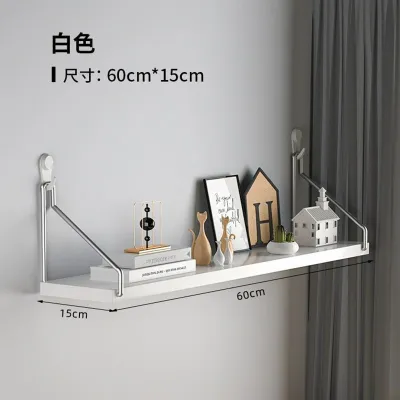
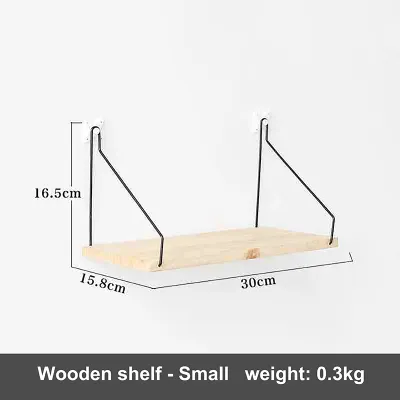
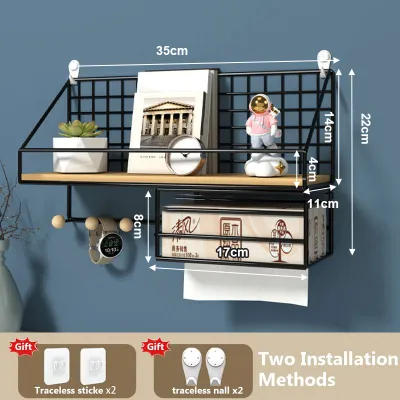
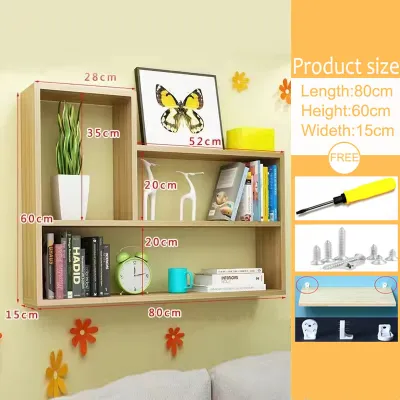
Prices are valid at publication and may change. Please refer to the product page for the latest price.
You must also balance open display and concealed storage. Open shelves are excellent for items you grab frequently throughout the day, keeping your workflow smooth and uninterrupted. However, too many exposed items can create visual clutter, which can be distracting during long study sessions. Integrating small storage boxes, baskets, or choosing shelves with built-in drawers helps hide miscellaneous items while keeping them within arm’s reach.
Accurate physical measurements are critical before making a purchase. Measure the available wall space, the clearance above your desk, and the pathway of nearby doors to ensure the shelf will not obstruct movement. In tropical climates like the Philippines, high humidity can encourage mold growth on paper and wood. When planning your layout, leave a small gap between the shelf and the wall to promote air circulation, and avoid placing shelves directly under air conditioning units where condensation might drip.
Additionally, consider how the shelf will enter your home. Verify the finished dimensions of the shelf packaging against your doorways, hallways, and stairwells to ensure a smooth delivery and assembly process.
Match Shelf Types to Your Specific Organization Goals
Floating shelves offer a clean, minimalist aesthetic that makes small study rooms feel more open. These shelves rely on hidden internal brackets that slide into the shelf body. Because the support structure is concealed, you must carefully verify the manufacturer’s stated load limits before placing heavy textbooks on them. They are generally best for displaying a few curated books, framed certificates, or lightweight decorative items.

Cubby racks and modular cubes provide structured, compartmentalized storage. These systems are highly effective for sorting documents, folders, and storage bins into distinct categories. When selecting cubby racks, check the overall unit dimensions to ensure they fit your allocated wall space without overcrowding your desk area. Ensure the joints of the cubbies are securely fastened, as loose joints can compromise the stability of the entire unit over time.
Pegboards and slatwalls are highly versatile options for managing smaller office supplies. They allow you to hang stationery, scissors, headphones, and cables, keeping your desk surface completely clear for writing or typing. Before purchasing, verify the mounting board’s rigidity and ensure the hooks, shelves, and baskets you plan to use are fully compatible with the board’s hole spacing and thickness.
Ladder shelves and corner shelves are excellent for maximizing awkward or underutilized spaces in your study room. Corner shelves utilize the natural structural strength of intersecting walls, making them highly stable when properly anchored. Ladder shelves, which lean against the wall and rest on the floor, provide tiered storage depths. For both types, you must ensure that the base and wall contact points are perfectly level and securely anchored to prevent tipping.
Verify Wall Conditions and Installation Safety
The safety of your wall-mounted shelf depends heavily on the material of your wall. In many homes in the Philippines, walls are constructed from solid concrete or concrete hollow blocks, which offer excellent load-bearing capacity when paired with the correct masonry anchors and screws. However, some modern homes and partition walls use drywall or fiber cement boards, which require specialized hollow-wall anchors or toggle bolts to distribute weight safely.
Always match your wall material with the specific mounting hardware recommended by the shelf manufacturer. Standard plastic wall plugs designed for concrete will not hold securely in drywall and can pull out under light loads. Before drilling, use a stud finder to locate wooden or metal studs behind drywall partitions, as anchoring directly into studs provides the highest level of stability.
Verify the manufacturer’s stated weight capacity per shelf and per bracket before loading your books. Remember to subtract the weight of the shelf itself from this total limit to find the actual usable weight capacity. If a shelf weighs 3 kilograms and has a total capacity of 10 kilograms, you can only safely place 7 kilograms of books on it.
If you are unsure of your wall type, notice signs of moisture damage or crumbling plaster, or feel uncomfortable using power tools, stop immediately. Consult a qualified local carpenter, professional installer, or your property manager to assess the wall’s structural integrity and complete the installation safely.
Plan Shelf Layout for Ergonomics and Workflow
An ergonomic shelf layout keeps your study room comfortable and efficient. Position your most frequently used items, such as daily planners, reference manuals, and active notebooks, within your primary reach zone. This zone is generally between your shoulder and eye level when seated, allowing you to grab items easily without straining your back or neck.
Maintain adequate clearance between the bottom of the lowest shelf and your desk surface, computer monitor, and chair. A shelf placed too low can cause painful head bumps when you lean forward, or it can cast distracting shadows across your workspace. Ensure that overhead shelves do not block light fixtures or create glare on your computer screen.
Group your items by task or frequency of use rather than focusing solely on visual symmetry. For example, keep all your writing tools and paper refills together in one section, and place archived tax documents or old textbooks on higher, less accessible shelves. This functional grouping streamlines your daily routines and makes it much easier to maintain your organization system over time.
Frequently Asked Questions (FAQ)
Can I install heavy-duty shelves on drywall without studs?
Standard plastic drywall anchors are not designed to support heavy-duty loads like rows of textbooks. If you must install a shelf on drywall without direct access to studs, you must use specialized heavy-duty toggle bolts or steel hollow-wall anchors. Always check the manufacturer’s instructions for weight limits when using these alternative anchors, and avoid overloading the shelf to prevent the drywall from tearing or collapsing.
How deep should a wall shelf be for standard books?
To prevent books from overhanging and becoming unstable, check the shelf depth against the physical dimensions of your reading materials. Standard paperbacks typically require a shelf depth of 15 to 20 centimeters. Larger textbooks, reference binders, and academic journals usually require a depth of 25 to 30 centimeters. Ensure the shelf is deep enough so that the center of gravity of your heaviest books remains well within the shelf surface.

Community discussion
Share your experience or ask a question. Comments are reviewed before publication.