
Selecting the perfect wall-mounted wooden cabinet for your dining area is a balancing act between aesthetic elegance and structural engineering. A well-chosen cabinet not only showcases your cherished dinnerware, heirloom ceramics, and glassware but also maximizes floor space in cozy dining rooms. However, because dishes are heavy and wooden furniture carries its own substantial weight, making the wrong choice can lead to sagging shelves, damaged walls, or even safety hazards. By evaluating your wall structure, understanding wood characteristics, and selecting the right mounting hardware, you can create a beautiful, secure display that elevates your dining experience.
To make an informed investment, you must look beyond surface-level aesthetics. The ideal cabinet must harmonize with your existing dining furniture, withstand local environmental factors like tropical humidity, and feature a mounting system robust enough to carry a full load of heavy stoneware. Taking a systematic approach to your space, materials, and installation requirements ensures your display remains both a stunning focal point and a safe addition to your home.
Assess Your Dining Space and Wall Load Capacity
Before browsing designs or wood finishes, you must determine the physical and structural limits of your dining room wall. Begin by measuring the available wall width and ceiling height to establish the maximum dimensions of the cabinet. It is crucial to maintain comfortable clearances; leave at least 60 to 90 centimeters of open space between the bottom of the cabinet and any dining tables or buffet consoles below it. This clearance prevents the dining area from feeling cramped and ensures you can place serving platters or decorative items on the surfaces below without obstruction.
Products mentioned in this guide
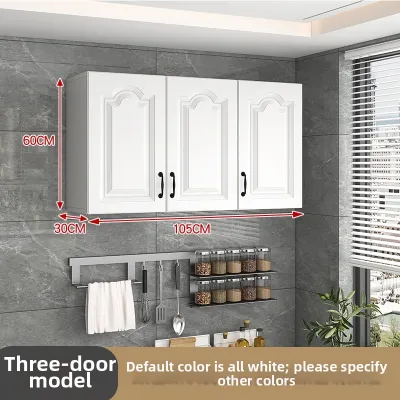
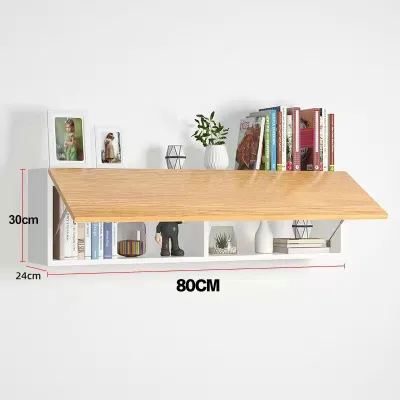
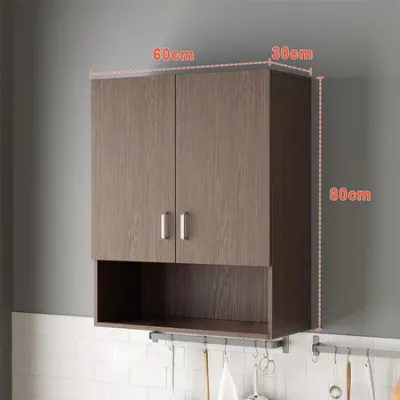
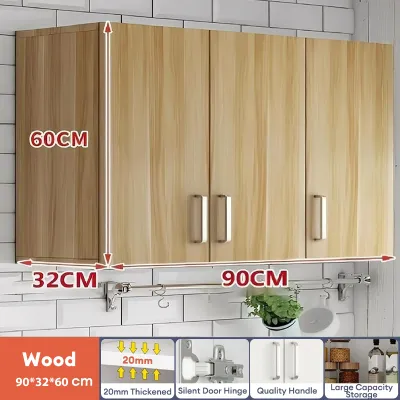
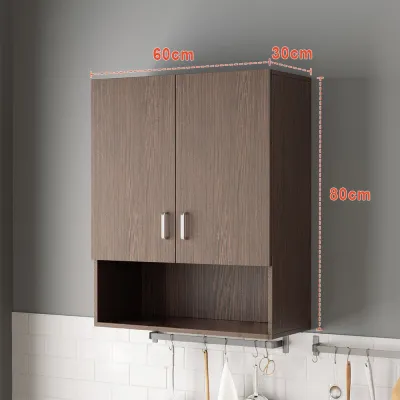
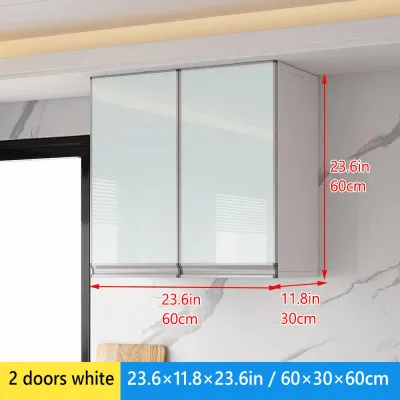
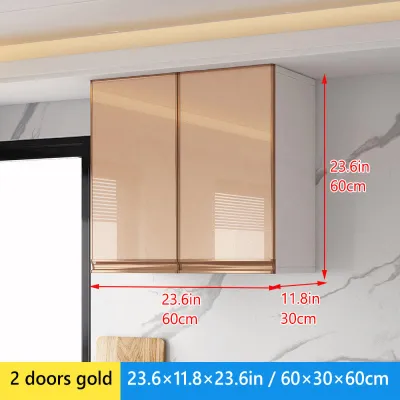
Prices are valid at publication and may change. Please refer to the product page for the latest price.
Next, consider the flow of foot traffic through the room. A wall-mounted cabinet that protrudes too far can become a hazard in busy walkways. For displaying dishes, a cabinet depth of 30 to 35 centimeters is generally ideal, as it provides ample room for large dinner plates while keeping the profile slim and unobtrusive. Ensure that when the cabinet doors are fully opened, they do not block walkways or interfere with dining chairs when family members sit down or stand up.
Evaluating your wall composition is the most critical safety step in this process. In many homes, walls are constructed from solid concrete or concrete hollow blocks, which offer excellent load-bearing capacity when paired with the correct anchors. However, if your dining area features drywall partitions or plasterboard over metal or wooden studs, you must locate the studs using a reliable stud finder. Heavy wooden cabinets should never be anchored solely into drywall, as the material cannot support the concentrated weight of wood and ceramics over time.
To understand the structural demands of your installation, calculate the estimated total weight of your display. A single ceramic dinner plate can weigh anywhere from 600 to 900 grams, meaning a stack of twelve plates easily exceeds 8 kilograms. When you add bowls, serving platters, glassware, and the weight of the empty wooden cabinet itself—which can range from 15 to 30 kilograms—the total load on your wall can quickly surpass 50 kilograms. Knowing this number allows you to select mounting hardware rated for your specific load requirements.
Evaluate Wood Options and Shelf Durability
The choice of wood determines not only the cabinet’s appearance but also its longevity and structural integrity under heavy loads. Solid hardwoods, such as mahogany, acacia, or tanguile, are highly prized for their natural grain patterns, rich colors, and exceptional strength. While solid wood cabinets are heavier and require more robust wall anchoring, they offer unmatched durability and can be sanded and refinished over the years to match changing decor styles.

Engineered wood options, such as high-quality marine plywood or medium-density fiberboard (MDF) finished with natural wood veneers, offer a lighter and highly stable alternative. In tropical climates where humidity levels fluctuate significantly, engineered wood resists warping, cracking, and splitting better than solid wood. Marine plywood is particularly well-suited for dining areas adjacent to kitchens, as it features moisture-resistant adhesives that prevent delamination when exposed to steam and ambient humidity.
Regardless of the wood type you choose, pay close attention to the surface treatment and protective finishes. A high-quality polyurethane, lacquer, or specialized wood oil seals the pores of the wood, protecting it from accidental spills, grease from nearby cooking, and moisture. A well-sealed surface allows you to easily wipe away dust and fingerprints with a damp microfiber cloth, keeping your display looking pristine without damaging the underlying wood fibers.
Shelf durability is another critical factor, as sagging shelves can ruin the look of your display and risk breaking your dishes. Look for shelves that are at least 18 to 25 millimeters thick, especially if the cabinet span exceeds 60 centimeters. If you plan to stack heavy ceramic plates, opt for cabinets with fixed central dividers or reinforced shelf supports. Avoid thin, unsupported particleboard shelves, which are prone to bowing under continuous weight, and ensure any adjustable shelf pins are made of heavy-duty metal rather than plastic.
Compare Display Styles and Door Configurations
The design of your cabinet doors dictates how well your dishes are showcased and how much maintenance the unit will require. Glass-front doors are the classic choice for display cabinets, offering excellent visibility while protecting your dishes from dust, pet hair, and cooking grease. Clear glass provides an unobstructed view of your collection, making it perfect for showcasing colorful stoneware or fine glassware. If you prefer a softer, more subtle look that partially conceals mismatched items, consider frosted, fluted, or textured glass doors.
For a traditional or rustic dining room aesthetic, cabinets featuring mullion grids—wooden windowpane-style overlays on the glass—add architectural interest and visual depth. However, if you want a clean, minimalist look, frameless glass doors or simple wooden frames with large glass panes are excellent options. Keep in mind that glass doors require regular cleaning with a mild glass cleaner to remove smudges and maintain a sparkling presentation.
An open-shelving design offers quick, convenient access to everyday dishes and creates a casual, airy feel in the dining room. The trade-off is that open shelves expose your dishware to dust and airborne grease, requiring more frequent washing of unused items. A hybrid design that combines open shelves for frequently used mugs and bowls with closed wooden doors or drawers at the bottom allows you to hide less attractive dining essentials, such as table linens, serving utensils, or extra storage containers.
To truly elevate your display, consider integrated lighting options. Low-voltage LED strip lights or recessed puck lights installed under the top panel or beneath individual shelves can transform your cabinet into a dramatic focal point during evening meals. If you plan to use lighting, look for cabinets with pre-drilled wire channels or a hollow back panel to keep power cords neatly hidden. Ensure any lighting fixtures used are cool-to-the-touch LEDs to prevent heat buildup near the wooden frame.
Verify Installation Hardware and Safety Requirements
Securing a heavy wooden cabinet to your wall requires specialized hardware; standard plastic wall plugs and basic screws are insufficient. For concrete or masonry walls, use heavy-duty sleeve anchors or concrete screws that expand inside the drilled hole to create a mechanical lock. For drywall installations, you must secure the cabinet’s mounting bracket directly into the wooden or metal studs using structural wood screws. If stud alignment does not match your desired cabinet placement, heavy-duty metal toggle bolts can be used, but only if the total weight remains well within the anchor’s rated capacity.
One of the most reliable and user-friendly mounting systems is the French cleat. This system utilizes two interlocking wooden or metal brackets cut at matching 45-degree angles. One bracket is secured horizontally to the wall studs, while the matching bracket is fixed to the back of the cabinet. When you hang the cabinet, the two cleats interlock, distributing the weight evenly across the entire width of the unit and making it incredibly easy to level during installation.
Safety features should never be overlooked, especially in households with active children or pets. Check that the cabinet design includes robust corner brackets, reinforced back panels, and secure door latches to prevent doors from swinging open unexpectedly. If you live in an area prone to seismic activity, consider installing subtle plate rails or raised front lips on open shelves to prevent dishes from sliding forward and falling.
While many homeowners enjoy tackling home improvement projects, you must recognize when to stop and call a professional. If you encounter crumbling plaster, uneven wall surfaces, or suspect that electrical wiring or plumbing pipes are hidden behind the drilling zone, do not proceed. Hiring a qualified carpenter or contractor ensures that the cabinet is mounted perfectly level and structurally secure, giving you peace of mind that your valuable dishware is safe.
Build Your Custom Cabinet Selection Shortlist
With a clear understanding of your space, material preferences, and installation requirements, you can now build a personalized decision matrix to filter your options. Start by listing your non-negotiable criteria, such as the maximum depth allowed by your walkway, the minimum shelf thickness required for your heaviest plates, and the specific wall mounting system compatible with your wall type. This initial filter will help you quickly eliminate unsuitable products and focus on viable candidates.
Next, establish a realistic budget for your purchase. High-quality engineered wood cabinets with durable veneers typically range from ₱8,000 to ₱15,000, while custom-built solid hardwood cabinets crafted by local artisans can range from ₱18,000 to ₱35,000 or more, depending on the wood species and complexity of the design. If you choose to work with a local furniture maker, you can customize the dimensions, shelf spacing, and finish to perfectly match your dining room’s existing furniture.
Before making your final purchase, use a comprehensive checklist to verify all product specifications. Confirm whether the cabinet is delivered fully assembled or requires home assembly, as fully assembled solid wood units are much heavier to maneuver during installation. Review the retailer’s return policy and warranty coverage, particularly regarding structural defects or transit damage. By systematically verifying these details, you can confidently select a wall-mounted wooden cabinet that beautifully showcases your dishes while ensuring long-term safety and durability.
Frequently Asked Questions (FAQ)
How much weight can a typical wall-mounted wooden cabinet hold?
The weight capacity of a wall-mounted cabinet depends primarily on the strength of your wall structure, stud alignment, and the quality of the mounting hardware rather than the wood itself. A medium-sized cabinet properly mounted into solid concrete or directly into wooden wall studs using a French cleat system can safely hold between 30 to 50 kilograms. However, if the cabinet is mounted to drywall using standard hollow-wall anchors without stud support, the safe load capacity drops drastically, often making it unsafe for heavy ceramic dishware.
Is solid wood too heavy for wall mounting in a dining room?
Solid wood is not too heavy for wall mounting, provided you use the correct anchoring methods and structural supports. While solid hardwood units are heavier than their engineered wood counterparts, they offer superior joint strength and screw-holding capacity, which are vital for long-term wall suspension. If you are concerned about the weight on a partition wall, choosing a cabinet made of high-quality marine plywood with a natural wood veneer offers a lighter alternative that retains the beautiful appearance of real wood while reducing the structural load.

Community discussion
Share your experience or ask a question. Comments are reviewed before publication.