
The most suitable wall shelves for a home office or study room depend on the weight of your materials, the structure of your walls, and your daily workflow. Heavy textbooks and binders require sturdy bracket-supported shelves anchored into solid walls, while lightweight stationery and decorative items can sit on minimalist floating shelves. By matching the shelf style to your specific storage needs, you can create an organized, clutter-free workspace that boosts productivity.
Assessing Your Storage Needs and Space
Before purchasing any shelving system, you must evaluate exactly what you plan to store. Take a close look at your books, documents, and office supplies. Categorize these items by weight and size. Heavy reference manuals, thick law or medical textbooks, and fully packed ring binders require deep, robust shelving. On the other hand, lightweight items like notebooks, pen holders, small desk plants, and framed photos can easily sit on shallower, lighter structures.
Accurate measurements are critical to avoiding installation headaches. Use a tape measure to determine the available wall width, height, and depth. Ensure you account for desk clearance, especially if you have a standing desk that rises and lowers. Check how far your office chair reclines or moves, and make sure the shelves will not obstruct door swings or window openings.
Products mentioned in this guide
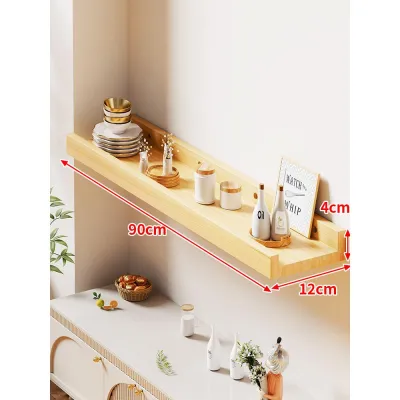
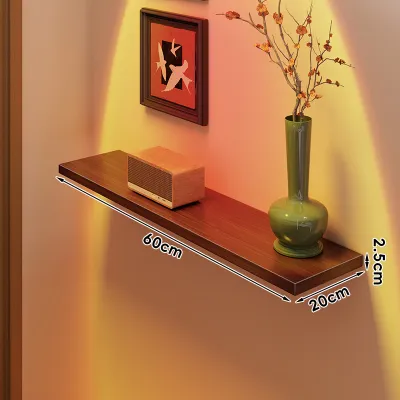
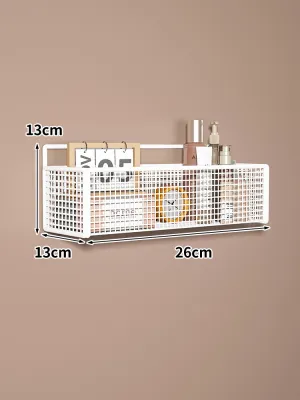
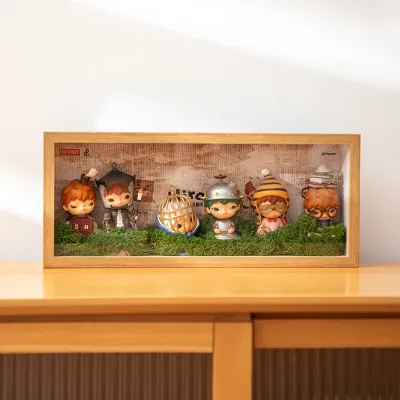
Prices are valid at publication and may change. Please refer to the product page for the latest price.
Physical obstructions can quickly ruin a well-planned layout. Look for power outlets, light switches, internet ports, and wall-mounted air conditioning units. You must maintain easy access to these utilities. Additionally, consider how the tropical humidity in the Philippines might affect items stored close to windows, where sudden rain showers or direct sunlight could damage sensitive paper documents and electronics.
Matching Shelf Styles to Office Tasks
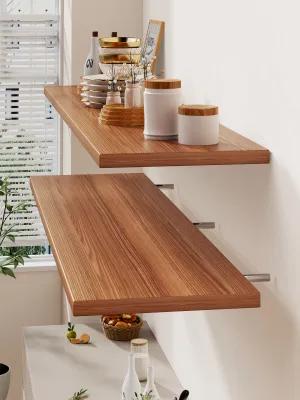
Different office tasks require different shelving configurations to keep your workflow smooth. Floating shelves offer a clean, minimalist aesthetic that works beautifully for modern home offices. Because they have hidden mounting hardware, they are ideal for displaying motivational items, small speakers, or frequently accessed lightweight notebooks. However, they generally support less weight than bracketed alternatives, so they should not be overloaded with dense book collections.

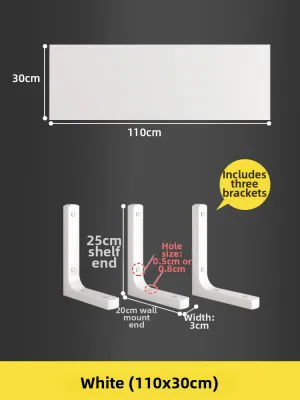
For heavy-duty storage, bracket-supported shelves are the standard choice. These systems use visible metal or wooden brackets secured directly to the wall, providing the structural integrity needed to hold rows of heavy binders, printers, or storage boxes. If you have a large collection of professional journals or reference books, prioritizing sturdy brackets will prevent the shelves from bowing or pulling away from the wall over time.
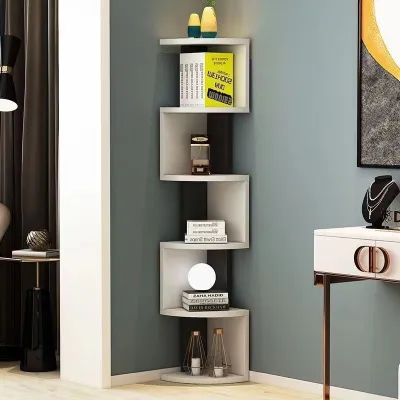
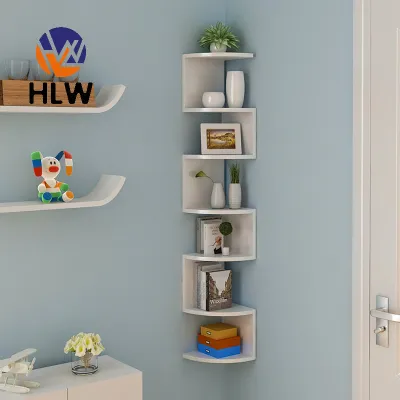
If wall space is limited or awkwardly shaped, corner shelves or ladder shelves offer excellent alternative solutions. Corner shelves utilize underused areas of the room, keeping walkways clear while still providing valuable storage. Ladder shelves, which lean against the wall and secure at the top, offer a graduated depth that allows you to store larger items at the bottom and smaller items at eye level without blocking natural light.
Cubby systems and modular wall units are highly effective for sorting mixed media and small office accessories. These units allow you to combine open shelving with fabric bins, small drawers, or document organizers. This versatility makes it easy to hide visual clutter like charging cables, loose paper clips, and miscellaneous stationery, keeping your study room looking professional and tidy during video calls.
Checking Weight Capacity and Wall Compatibility
Safety is the most critical factor when installing wall shelves. You must always check the manufacturer’s specified weight limit per shelf and per bracket before making a purchase. Never assume a shelf can hold heavy items just because it looks solid. Overloading a shelf can lead to sudden structural failure, potentially damaging your equipment, books, or the wall itself.
The type of wall in your home office determines the installation method and hardware you must use. In many Philippine homes, walls are constructed from solid concrete, hollow concrete blocks, or brick. Installing shelves on these surfaces requires a masonry drill bit, sturdy plastic or metal wall plugs, and matching screws. If your study room has drywall or gypsum board partitions, you must locate the wooden or metal studs behind the wall to secure the brackets, or use specialized heavy-duty toggle bolts if mounting between studs.
Proper weight distribution is essential for maintaining long-term stability. Always place your heaviest items, such as thick textbooks, filing boxes, or heavy office equipment, on the lowest shelves. This keeps the center of gravity low and reduces the leverage force exerted on the wall anchors. Lighter items should be placed on the higher shelves to prevent the wooden or composite boards from sagging over time.
If you notice any signs of wall damage, such as cracking plaster, crumbling concrete, or soft spots in drywall, stop the installation immediately. Do not attempt to mount shelves on compromised structures. If you are unsure about your wall type, the location of electrical wiring, or how to use a hammer drill safely, consult a qualified local carpenter or handyman to ensure a secure installation.
Planning the Layout for Workflow and Ergonomics
An ergonomic shelf layout ensures that your most important tools are always within arm’s reach without causing physical strain. Position your most frequently used reference materials, planners, and daily tools on shelves that you can easily reach while seated at your desk. This minimizes the need to constantly stand up, stretch, or twist your body, allowing you to maintain focus throughout your workday.
Headroom and safety must be prioritized when planning the vertical placement of your shelves. Avoid mounting deep or heavy shelves directly above your primary seating area or where you stand up from your chair. If a shelf must go above your desk, ensure there is ample clearance so you do not accidentally bump your head when leaning forward. Never place heavy, sharp, or fragile objects on high shelves where they could fall and cause injury.
Visual balance plays a significant role in creating a calm, productive working environment. Avoid packing every shelf to its absolute capacity, as a solid wall of clutter can make a small study room feel cramped and oppressive. Leave some open space, or “visual breathing room,” between books and organizers. This open layout allows light to bounce around the room, making your home office feel more spacious, airy, and inviting.
Frequently Asked Questions (FAQ)
Can I install wall shelves in a rented apartment?
Before drilling any holes, you must carefully review your lease agreement or consult your landlord. Many rental contracts in the Philippines strictly prohibit drilling into concrete or drywall, or require you to restore the walls to their original condition upon moving out. If drilling is allowed, plan to purchase matching wall putty or plaster filler and touch-up paint so you can properly patch and paint over the holes before you vacate the property to secure your security deposit.
If drilling is strictly forbidden, you can explore non-damaging storage alternatives. Tension-mounted shelving units that wedge securely between the floor and ceiling provide vertical storage without requiring wall anchors. Over-the-door organizers and freestanding ladder shelves that secure with removable adhesive straps are also excellent options for organizing lightweight office supplies without risking your deposit.
How do I prevent books from sliding off floating shelves?
Floating shelves typically lack side panels, which can cause books to tip over and slide off the edges. To prevent this, use heavy, non-slip bookends on both sides of your book stacks. Look for bookends with rubberized or padded bases that grip the shelf surface securely without scratching the finish. Alternatively, you can stack books horizontally in neat piles, which naturally prevents them from sliding and creates a stable base for smaller decorative items.
For lightweight objects, small supply containers, or pen cups, you can apply clear non-slip silicone liners to the shelf surface. Another option is using a small amount of removable museum wax or mounting putty on the bottom of containers to keep them firmly in place. If you live in an area prone to vibrations or minor tremors, choosing shelves with a built-in raised front lip or a shallow tray design will provide extra security for loose items.

Community discussion
Share your experience or ask a question. Comments are reviewed before publication.