
Setting up a home study in the Philippines requires balancing productivity with a comfortable, inspiring environment. A wooden cabinet for display serves as a focal point, organizing reference books, professional achievements, and personal collectibles. However, choosing the right piece involves more than just selecting an appealing design. The tropical climate, characterized by high humidity and temperature fluctuations, demands careful consideration of materials, construction, and placement. By understanding how different woods behave and how to plan your space, you can select a display cabinet that remains both beautiful and structurally sound for years to come.
Investing in quality furniture for your home office or study is a long-term decision. A well-chosen display cabinet not only enhances the room’s visual appeal but also provides essential organization, keeping your workspace clutter-free and conducive to focus. To make an informed choice, you must evaluate the physical properties of the wood, the structural design of the shelving, the spatial requirements of your room, and the maintenance routines necessary to preserve the furniture’s finish in a tropical environment.
Evaluating Wood Materials and Structural Dimensions
When selecting a wooden cabinet for display, the choice of material is the most critical factor determining its longevity, weight, and resistance to environmental wear. Solid wood and engineered wood are the two primary construction options, each offering distinct characteristics. Solid wood, such as kiln-dried mahogany, acacia, or teak, is highly prized for its natural beauty, unique grain patterns, and exceptional durability. These dense hardwoods provide excellent structural integrity and can support substantial weight without bending. However, solid wood is a natural, hygroscopic material that expands and contracts in response to atmospheric moisture. In the Philippines, where relative humidity can fluctuate significantly between the wet and dry seasons, poorly seasoned solid wood may warp, swell, or split. To mitigate this, ensure any solid wood cabinet you consider has been properly kiln-dried to stabilize the moisture content before manufacturing.
Products mentioned in this guide
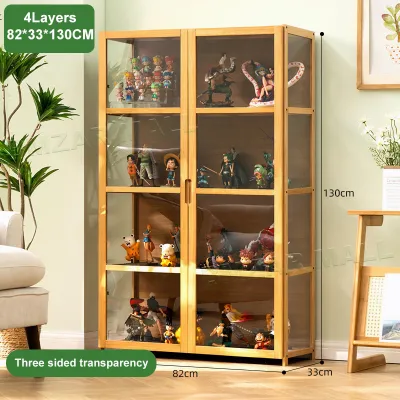
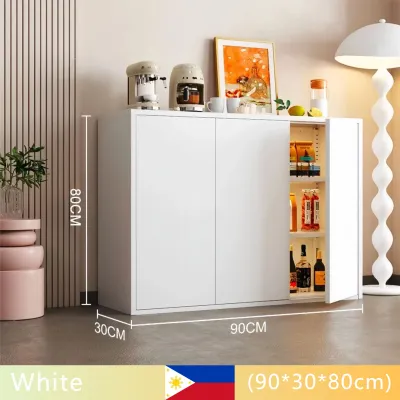
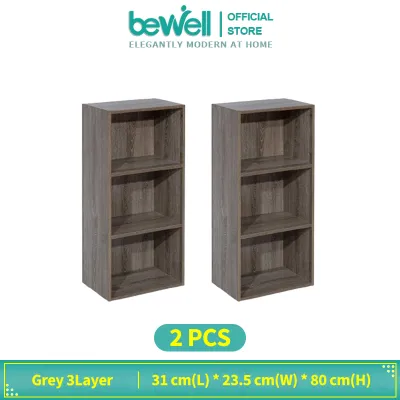
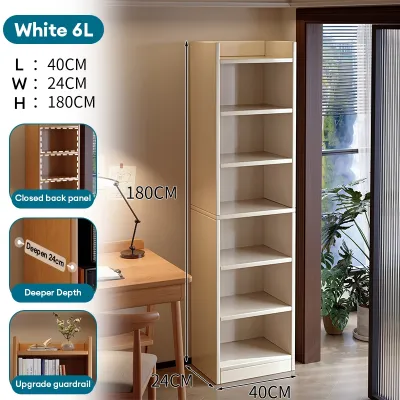
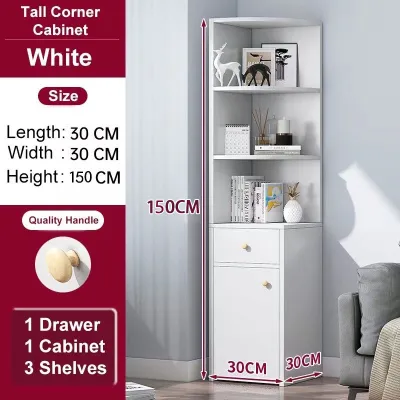
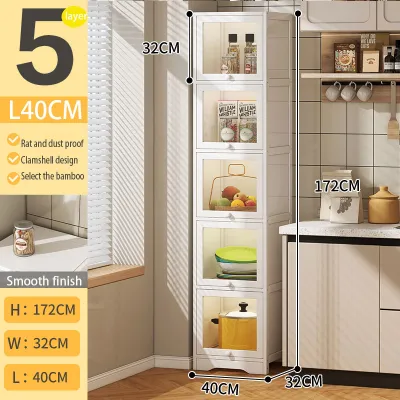
Prices are valid at publication and may change. Please refer to the product page for the latest price.
Engineered wood, which includes high-quality plywood, medium-density fiberboard (MDF), and particle board, offers a highly stable alternative. Because engineered wood is constructed from wood fibers, particles, or veneers bonded together with adhesives under high pressure, it does not expand or contract as dramatically as solid wood. This makes it highly resistant to warping in humid conditions. High-grade plywood, particularly marine plywood, is exceptionally strong and moisture-resistant, making it an excellent choice for tropical climates. MDF and particle board are more budget-friendly and provide perfectly flat surfaces for paint or wood veneers. However, they are more susceptible to moisture damage if the protective finish is compromised. When choosing engineered wood, inspect the edges carefully to ensure they are sealed with thick, high-quality edge banding to prevent humidity from penetrating the core.
Load-bearing capacity is another vital consideration, especially if you plan to display heavy items such as law books, medical journals, or dense ceramic sculptures. Check the manufacturer’s specifications for the maximum weight limit per shelf. Shelves made of solid wood or high-grade plywood with a thickness of at least 18 to 25 millimeters are less likely to sag under heavy loads. Particle board shelves, unless reinforced with a solid wood front cleat or metal support bars, may bow over time if subjected to continuous heavy weight. Additionally, examine the cabinet’s joinery. High-quality wooden cabinets utilize robust joinery techniques such as mortise-and-tenon joints, dovetails, or dowels, which provide superior stability compared to simple butt joints held together only by screws or glue.
Finally, verify the exact exterior dimensions of the cabinet before making a purchase. Measure your available wall space, taking into account baseboards, electrical outlets, light switches, and window frames that might be blocked. Compare the cabinet’s height with your ceiling height, leaving at least a few centimeters of clearance at the top to allow for air circulation and easier installation. A cabinet that is too large can overwhelm a small study, while one that is too small may fail to provide adequate storage and look disproportionate in a spacious room.
Designing Your Display: Open Shelves vs. Enclosed Storage
The design configuration of your display cabinet determines how you balance visual appeal with practical organization and dust protection. Open shelving offers a modern, airy aesthetic and provides immediate access to books and frequently used reference materials. It allows you to arrange items dynamically, creating an inviting visual flow. However, in many Philippine cities, dust accumulation is a constant challenge. Open shelves require frequent dusting to keep your display looking pristine, and items stored on them are more exposed to ambient humidity and light.

Enclosed storage, particularly with glass-paneled doors, provides an elegant solution that protects your valued possessions from dust, pests, and ambient moisture. Tempered glass doors allow you to showcase delicate collectibles, awards, and rare books without exposing them to constant environmental wear. For a balanced look, consider a cabinet that combines both styles: glass-fronted upper shelves for display and solid wooden doors or drawers at the bottom to conceal clutter, office supplies, and sensitive documents. This hybrid design keeps your study looking organized while keeping essential but less attractive items out of sight.
Adjustable shelf mechanisms are highly desirable for a versatile display. Fixed shelves limit your options, forcing you to store tall volumes horizontally or leave awkward empty spaces above smaller items. Look for cabinets featuring metal support pins with multiple pre-drilled holes, allowing you to customize the vertical clearance of each shelf. This flexibility is essential as your collection of books and decorative objects evolves over time. Ensure the shelf pins fit snugly into their holes to prevent the shelves from wobbling or slipping under weight.
Lighting plays a transformative role in display design, turning a simple cabinet into a dramatic focal point. Integrated LED strip lighting can highlight the textures of the wood and the details of your displayed items, creating a warm, sophisticated ambiance in your study. If the cabinet does not come with built-in lighting, check if it has pre-routed channels or cable management holes that allow you to add lighting later. Alternatively, plan to install external, non-damaging lighting solutions that do not require drilling into the wood. When planning lighting, opt for low-heat LED fixtures to prevent localized temperature increases that could dry out the wood or damage sensitive collectibles.
Space Planning, Clearance, and Safety Anchoring
A display cabinet must fit harmoniously within the layout of your home study without obstructing movement. Measure the footprint of the cabinet—its width and depth—and map it out on your floor using painter’s tape. Ensure there is adequate clearance for door swings and drawer extensions. If the cabinet features outward-swinging glass doors, you need enough space to open them fully without colliding with your desk, chair, or other furniture. For tight spaces, consider cabinets with sliding glass doors, which require zero forward clearance to open.
Maintain a comfortable walking path around the cabinet. A minimum clearance of 60 centimeters is recommended for general passage, while 90 centimeters is ideal if the cabinet is located near the entrance or in a high-traffic area of the room. This prevents accidental bumps that could rattle delicate items on display. Additionally, consider the placement of the cabinet relative to your desk. It should be easily accessible from your workspace but positioned so that it does not cast distracting shadows over your primary writing or computer area.
Safety anchoring is non-negotiable, particularly for tall, narrow, or top-heavy display cabinets. The Philippines is located in an active seismic zone, making earthquake safety a primary consideration for home furniture. Tall cabinets should always be secured to the wall using heavy-duty anti-tip straps or brackets. When anchoring, identify the wall type: concrete or hollow block walls require masonry anchors and screws, while drywall or plaster walls require locating the wooden or metal studs for secure fastening. Never rely solely on plastic drywall anchors for heavy furniture. Properly anchoring your cabinet prevents catastrophic tip-overs during tremors or accidental impacts.
Consider the delivery and assembly process before finalizing your purchase. Measure the width of your doorways, hallways, stairwells, and elevator cabins to ensure the cabinet can be safely transported into your home study. If the cabinet arrives fully assembled, these measurements are critical. For flat-pack furniture, verify that you have a level floor space for assembly and check if the unit includes adjustable leveling feet. Leveling feet are essential for stabilizing the cabinet on slightly uneven tile or wood floors, preventing structural twisting and ensuring doors align perfectly.
Preserving Wood Finishes and Managing Room Environment
To maintain the luster and longevity of your wooden display cabinet, establish a gentle cleaning routine. Dust the surfaces regularly using a clean, dry microfiber cloth or a static duster. Avoid using feather dusters, which can scratch delicate finishes, or abrasive scrubbing pads. When deeper cleaning is necessary, use a slightly damp cloth with a mild, pH-neutral soap solution, immediately followed by a dry microfiber cloth to remove any residual moisture. Never use harsh chemical cleaners, ammonia-based sprays, or silicone-heavy polishes. These substances can degrade the protective topcoat, leaving a sticky residue that attracts dust and dulls the wood’s natural beauty over time.
Managing the indoor environment is crucial for wood preservation. Direct sunlight is one of the primary causes of finish degradation, causing wood to fade, discolor, or develop fine cracks (known as checking). Position your cabinet away from windows, or use UV-filtering window films, blinds, or curtains to shield the wood from intense tropical sunlight. Additionally, be mindful of pest control. In tropical climates, wood-boring insects such as termites and powderpost beetles (locally known as bukbok) can pose a threat to wooden furniture. Regular inspection of the cabinet’s back panel, underside, and joints for fine wood dust or tiny holes is essential. Choosing treated wood or applying a protective finish can help deter these pests.
Monitor your cabinet regularly for early signs of wear or structural changes. Check for loose hinges, misaligned doors, or sagging shelves, and tighten hardware as needed. If you notice significant finish cracking, deep scratches, or wood warping, consult the manufacturer’s care guidelines or contact a professional furniture restorer to address the issue before it worsens. Taking proactive care of your cabinet ensures it remains a functional and beautiful asset to your home study for decades.
Frequently Asked Questions (FAQ)
How do I protect wooden cabinets from humidity changes?
To protect your wooden display cabinet from the high humidity levels typical of the Philippines, it is essential to maintain a stable indoor environment. Using a dehumidifier or running an air conditioner in your home study helps extract excess moisture from the air, preventing the wood from swelling, warping, or developing mold. Aim to keep the indoor relative humidity within a stable range.
Additionally, avoid placing your cabinet directly in the path of air conditioning vents, as the direct blast of cold, dry air can cause rapid localized drying, leading to wood shrinkage and cracking. Keep the cabinet away from external walls that tend to collect dampness during the rainy season, and leave a small gap of about 2 to 5 centimeters between the back of the cabinet and the wall to promote healthy air circulation.
Can I add lighting to a wooden display cabinet after purchase?
Yes, you can easily add display lighting to your wooden cabinet after purchase without causing permanent damage to the structure. Battery-operated or plug-in LED puck lights and thin LED light strips are excellent aftermarket options. Choose lights that utilize damage-free adhesive mounts, which allow you to secure the fixtures to the underside of shelves without drilling holes or stripping the wood finish.
Opt for low-heat LED lights to prevent localized temperature increases that could dry out the wood or damage sensitive collectibles. Before attempting any modifications, such as drilling cable routing holes or routing channels into the wood panels, carefully review the manufacturer’s guidelines and warranty terms, as unauthorized alterations may void your warranty.

Community discussion
Share your experience or ask a question. Comments are reviewed before publication.