
Selecting the right transparent plastic storage boxes for a house move (lipat bahay) in the Philippines requires looking beyond simple aesthetics. The ideal moving box must withstand high humidity, rough handling during transit, and the pressure of being stacked inside a moving truck. Transparent boxes offer the distinct advantage of immediate visibility, allowing you to identify contents without peeling off tape or opening sealed lids. To ensure your belongings arrive intact, you must evaluate structural reinforcements, lid security, and material quality before purchasing.
Key Features to Check Before Buying
When preparing for a move, the structural integrity of your storage containers determines whether your items survive the journey. Standard utility boxes designed for light closet storage often fail under the physical stress of vehicle transit. You must inspect several critical design elements to ensure the boxes can handle the weight and movement.
First, examine the lid locking mechanisms. Snap-lock lids, which feature heavy-duty latches that clamp over the rim of the box, provide a more secure closure than simple slide-on or press-fit lids. During transit, boxes are subjected to vibrations and sudden stops that can easily dislodge loose lids, spilling contents onto the truck bed. Latches should snap shut with a distinct, firm click, indicating they will remain locked even if the box is tilted or bumped.
Products mentioned in this guide
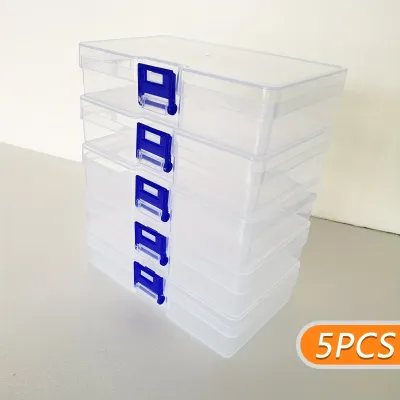
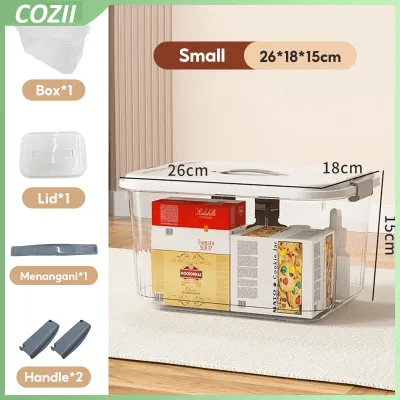
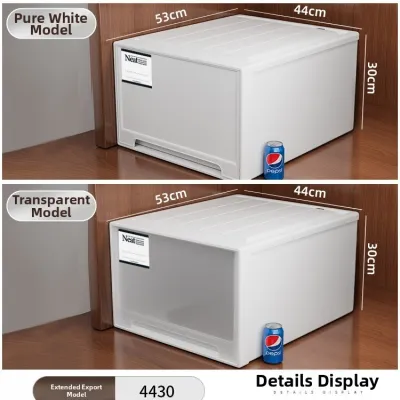
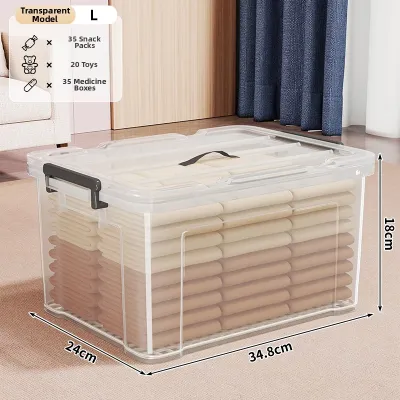
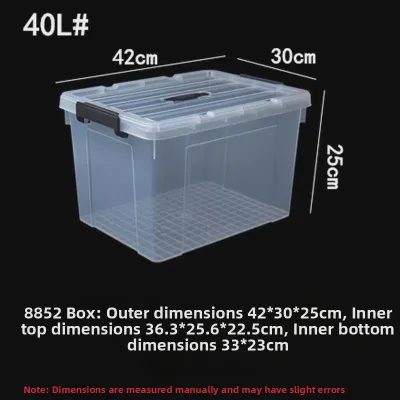
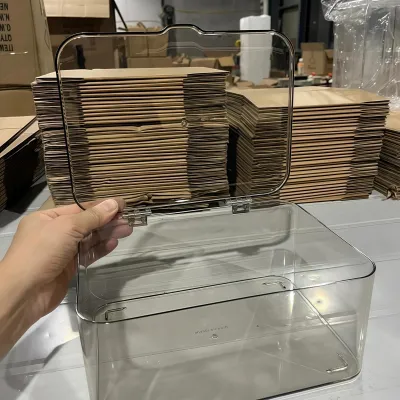
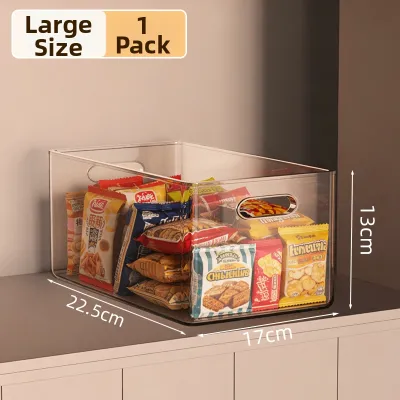
Prices are valid at publication and may change. Please refer to the product page for the latest price.
Second, look closely at the base of the box. A flat, unreinforced plastic bottom will bow downward when filled with heavy items, putting immense stress on the corners and potentially cracking the plastic. High-quality moving boxes feature molded ribbing or a grid pattern on the underside of the base. This structural reinforcement distributes weight evenly across the bottom panel, preventing sagging and ensuring the box sits flat when stacked.
Third, evaluate the handles. Ergonomic handle placements are essential for safe lifting, especially when carrying boxes up and down stairs or loading them into a vehicle. Look for recessed handles with smooth, rounded edges that do not pinch your fingers under load. Avoid boxes with sharp, thin plastic edges around the handle cutouts, as these can cause discomfort or cut into your hands during a long day of moving.
Finally, check the material identification marks molded into the plastic, usually found on the bottom of the box. Most durable transparent storage boxes are made from polypropylene (PP), indicated by the recycling number 5. Polypropylene offers an excellent balance of flexibility and impact resistance, making it less prone to shattering compared to more brittle plastics like polystyrene. Avoid boxes that lack clear material labels or feel excessively rigid and glassy, as these are highly susceptible to cracking under impact.
Matching Box Sizes to Household Items
A common mistake during lipat bahay is using oversized boxes for heavy items, leading to containers that are too heavy to lift or prone to structural failure. Matching the size and capacity of your transparent boxes to the specific weight and volume of your belongings is crucial for a safe move.

Small to medium-sized transparent boxes are best suited for dense, heavy items. Books, hand tools, kitchenware, and canned goods should always be packed in smaller containers. Even with a reinforced base, a large plastic box filled entirely with books will exceed safe lifting limits and put extreme stress on the plastic handles and corners. Keeping heavy items in smaller volumes ensures the boxes remain manageable and reduces the risk of the plastic cracking during transport.
Large transparent boxes should be reserved exclusively for bulky, lightweight items. Linens, pillows, blankets, stuffed toys, and out-of-season clothing are ideal candidates for larger capacities. These items fill the volume of the box without adding significant weight, allowing you to maximize truck space without overloading the container’s structural capacity.
When selecting boxes, always compare the internal dimensions against the external dimensions. Transparent boxes often taper slightly toward the bottom to allow for nesting during manufacturing. This means the usable space at the bottom of the box is smaller than the top opening. You must account for this taper, especially when packing rigid, square items like electronics or framed pictures, to ensure you have enough room to wrap them in protective bubble wrap or packing paper without forcing them against the plastic walls.
Additionally, avoid overfilling your boxes. The contents should never protrude past the top rim of the container. Leaving a slight gap of one to two centimeters below the lid ensures that the lid can seal completely flat without putting upward pressure on the locking latches. An overfilled box forces the lid to bow upward, compromising its stackability and making the latches highly vulnerable to snapping off during transit.
Packing and Stacking Strategies for Transit
Once you have selected the right boxes, how you pack and stack them inside the moving vehicle directly impacts their survival. Proper weight distribution and securing techniques prevent boxes from shifting, sliding, or collapsing under pressure.
Always follow strict weight distribution principles when loading a moving vehicle. Place the heaviest, most robust boxes at the very bottom of the stack to establish a stable foundation. Lighter, larger boxes containing soft items should be placed on top. This prevents the heavier boxes from crushing the lids of the containers beneath them and keeps the center of gravity low, reducing the risk of stacks tipping over during sharp turns.
Internal packing is just as important as external stacking. Empty space inside a plastic box allows items to shift violently during transit, which can cause concentrated impacts against the plastic walls and lead to cracking. Fill all internal voids with soft household items like towels, clean socks, or crumpled packing paper. Ensuring a tight, snug fit inside the box prevents movement and helps distribute external forces evenly throughout the container.
Before stacking, secure the lids according to the manufacturer’s instructions. If you are transporting highly valuable or fragile items, consider adding heavy-duty strapping or wrapping the entire box in stretch film. However, before applying adhesive tape directly to the plastic, check the surface compatibility. Some low-quality adhesives can leave a sticky residue that is difficult to remove, or they may fail to adhere properly to certain types of polypropylene in hot, humid conditions.
Finally, establish safe stacking limits based on the physical condition of the boxes. Even if a manufacturer rates a box for high stackability, you must monitor the stack in real-time. If you notice any bowing of the lids, warping of the side walls, or instability in the stack, stop immediately and reduce the height. In the tropical climate of the Philippines, prolonged exposure to heat inside a closed moving truck can slightly soften plastic, reducing its load-bearing capacity compared to air-conditioned environments.
Where to Buy and What to Verify Upon Delivery
Acquiring your moving boxes requires careful verification, whether you purchase them from physical department stores, home improvement centers, or online marketplaces. Because you cannot physically handle the items when ordering online, a systematic inspection process upon delivery is essential.
When shopping on e-commerce platforms, do not rely solely on promotional images. Carefully read the product specifications to compare the internal usable space rather than just the external dimensions. Look for user reviews that specifically mention using the boxes for moving house or transporting heavy items. Reviews that highlight durability during transit or note that the latches arrived intact are far more valuable than reviews that only comment on the appearance of the box.
Upon delivery, inspect every single box immediately before signing off on the shipment or discarding the packaging. Look closely for stress marks, which appear as white, discolored lines in the plastic, particularly around the corners, handles, and lid latches. These marks indicate that the plastic has already been subjected to excessive stress during shipping or handling and is highly likely to crack when loaded.
Check for micro-cracks and warping along the rims and base. Run your fingers along the edges to ensure there are no sharp plastic flashing leftovers from the molding process, which can cause injury during lifting. Test the lid fit and the locking mechanisms on a sample box by snapping the latches open and shut several times. The latches should operate smoothly without requiring excessive force that might snap the plastic.
Lastly, keep all receipts, invoices, and original packaging materials intact. If you discover that the plastic quality is substandard, or if the dimensions do not match the product description, having the original packaging makes the return and exchange process much smoother. Do not begin packing your items until you are fully satisfied with the structural integrity of the entire batch.
Frequently Asked Questions (FAQ)
Can transparent plastic boxes be used for long-term storage after moving?
Yes, transparent plastic boxes are excellent for long-term storage after your move, provided you manage environmental factors. Always check the manufacturer’s guidelines regarding UV exposure and temperature limits. Prolonged exposure to direct sunlight and high tropical heat can degrade polypropylene, making the plastic brittle and prone to shattering over time. Additionally, because plastic boxes seal tightly, they can trap moisture. Ensure that all packed items are completely dry before sealing the box to prevent mold and mildew growth. Placing silica gel packets or moisture absorbers inside the boxes is highly recommended to protect sensitive items like documents, electronics, and clothing from the humid Philippine climate.
How do I prevent plastic storage boxes from cracking under heavy loads?
To prevent cracking, strictly adhere to the manufacturer’s recommended weight limits and avoid overpacking. Distribute the weight of your items evenly across the flat base of the box rather than concentrating heavy objects in the center, which causes the plastic to bow. Before packing, inspect each box for pre-existing hairline cracks or white stress marks, and do not use compromised containers for heavy loads. When lifting a fully loaded box, always support it from the bottom base with both hands rather than pulling or carrying it solely by the side handles or lid latches, as these points are not designed to bear the full concentrated weight during transit.

Community discussion
Share your experience or ask a question. Comments are reviewed before publication.