
Selecting the right under-bed storage box for a lipat bahay transition requires balancing the rugged durability needed for transport with the slim, accessible design required for bedroom organization. During a move, your storage containers must endure being stacked and shifted in a moving vehicle. Once you arrive at your new home, those same containers must slide smoothly into the narrow clearance beneath your bed frame, keeping your belongings organized and dust-free without cluttering your living space.
To achieve this dual-purpose efficiency, you must evaluate key structural elements such as handle strength, lid security, and material resilience. A box that is too fragile will crack under the weight of other moving boxes, while a container that is too tall or lacks proper sliding mechanisms will become a frustrating obstacle in your new bedroom. By focusing on practical design features and accurate measurements, you can streamline your packing process and establish an organized, long-term storage system from day one.
Key Features for Dual-Purpose Storage Boxes
When preparing for a move, the physical demands placed on your storage containers are significantly higher than during normal home use. For a successful transition, look for integrated, molded-in handles on plastic bins or heavily reinforced, double-stitched webbing handles on fabric containers. Avoid flimsy snap-on handles that can easily pop off when the box is fully loaded, as a sudden handle failure during lifting can lead to dropped items and broken containers.
Products mentioned in this guide
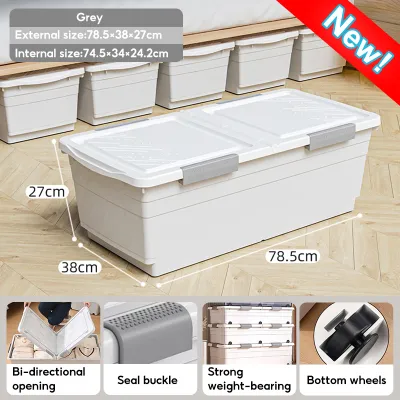
![[1-3Pcs] Under Bed Storage Box Large-Capacity Wardrob Quilt Underbed Storage Box Organizer with Wheels Home Flat Toy Storage Container with Lid](https://img.lazcdn.com/g/p/81e527e6f1ed14352b2fbf2be0639c24.jpg_400x400q80.jpg_.webp)
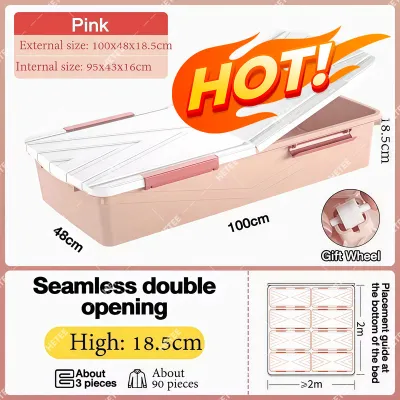
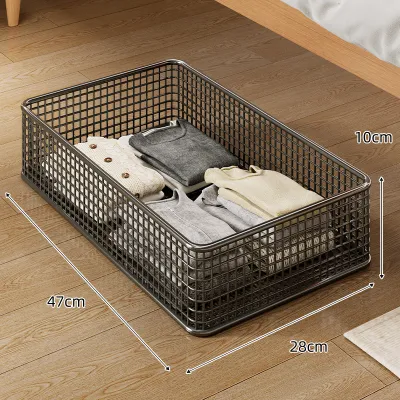
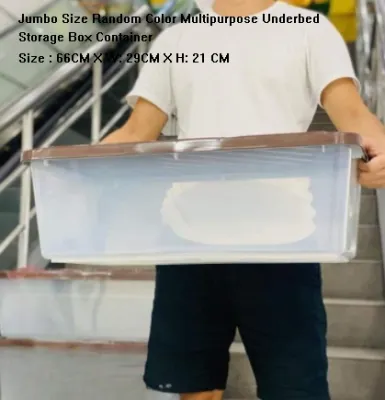
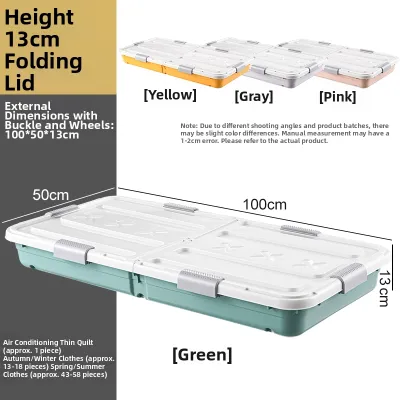
Prices are valid at publication and may change. Please refer to the product page for the latest price.
Structural reinforcement along the corners and base of the box is equally critical. Look for containers with ribbed bases or reinforced vertical pillars, which prevent the plastic from bowing or cracking when stacked in a moving truck. If you are using fabric bins, ensure they feature rigid cardboard or plastic inserts that slide into the base and walls to maintain their shape under pressure.
The choice between latching mechanisms and zippered lids directly impacts how well your belongings are protected during transit and how easily you can access them later. Heavy-duty buckle latches or snap-lock lids are ideal for plastic containers because they create a firm mechanical seal that keeps the lid securely attached, even if the box is tilted or bumped. This tight seal is essential for preventing dust, dirt, and pests from entering your boxes during the moving process.
Conversely, zippered lids are common on fabric under-bed storage bags. While zippers offer a continuous closure that keeps dust out, they are more vulnerable to stress. If a fabric bag is overstuffed, the zipper teeth can split or tear away from the fabric during transit. For a move, zippered fabric bins should only be used for soft, compressible items like blankets, pillows, or seasonal clothing, ensuring there is no outward pressure on the zipper seams.
Another major design consideration is the choice between wheeled and wheel-less storage boxes. Wheeled containers offer unmatched convenience when sliding heavy boxes out from under a bed, especially on smooth surfaces like polished concrete, tiles, or laminate flooring. However, during a move, wheels can make containers unstable in the back of a truck, causing them to roll and shift during transit unless they are tightly wedged between heavier, stationary items.
Wheel-less designs sit completely flat on the floor, providing excellent stability when stacked in a moving vehicle. The trade-off is that they require more physical effort to slide out from under the bed once you are settled. To get the best of both worlds, look for boxes with low-profile, recessed wheels that provide rolling assistance without sacrificing too much vertical space or stability, or consider adding adhesive felt pads to the bottom of wheel-less plastic bins to protect your floors and reduce sliding friction.
Hard Plastic vs. Fabric Bins: Material Comparison
Choosing between hard plastic and fabric under-bed storage boxes depends largely on what you plan to store and the environment of your new home. Hard plastic containers are the gold standard for stacking strength and impact resistance. If you are packing heavy, dense, or fragile items—such as books, shoes, electronics, or delicate keepsakes—rigid plastic provides a protective shell that shields the contents from being crushed by other boxes in the moving truck.

Furthermore, high-quality plastic bins are virtually impervious to external moisture, making them highly suitable for protecting paper documents and electronics from accidental spills or damp environments during the move. They can be stacked several layers high in a moving vehicle or a storage unit without any risk of the bottom boxes collapsing. This vertical stacking capability is a massive space-saver during both the transit phase and the initial unpacking stage in your new home.
Fabric bins, typically constructed from polyester, canvas, or non-woven materials, offer a different set of advantages. They are highly flexible, allowing them to conform slightly to tight spaces or irregular bed frame clearances where a rigid plastic box might get stuck. Many fabric under-bed organizers feature clear vinyl windows on the top or sides, allowing you to identify the contents at a glance without having to unzip and open the container.
Additionally, fabric bins are highly collapsible. When they are not in use, you can fold them completely flat and store them in a drawer or closet, making them an excellent choice for temporary storage or for holding seasonal items that you only access a few times a year. Their soft construction also means they are gentle on delicate flooring materials, eliminating the risk of scratching polished wood or laminate surfaces.
However, both materials have distinct limitations that you must consider before purchasing. Hard plastic bins can easily scratch delicate wooden or vinyl floors if they are dragged without care, especially if small particles of dirt or grit become trapped underneath the box. They are also completely rigid, meaning that if your bed frame clearance is even a millimeter lower than the height of the box, the container simply will not fit, leaving you with unusable storage.
Fabric bins lack the structural integrity required to protect fragile items. If you stack heavy boxes on top of a fabric under-bed container during a move, the fabric will sag, and the weight will be transferred directly to the items inside, potentially causing damage. Fabric is also susceptible to tearing if it snags on a sharp metal edge of a bed frame or a splintered wooden slat, and it offers very little protection against pests or high humidity if the material is not treated or tightly sealed.
How to Measure and Plan Your Under-Bed Space
To avoid the frustration of buying storage boxes that do not fit, you must establish a precise measurement and planning workflow before making a purchase. Begin by measuring the exact clearance height of your bed frame. Use a metal tape measure to find the distance from the floor to the lowest point of the bed’s underside. Do not assume the outer side rails represent the actual clearance; often, the wooden slats, center support beams, or metal brackets sit lower than the decorative frame.
Next, account for internal obstacles that reduce the usable depth and width under your bed. Many modern queen and king-size bed frames feature a central support leg or a network of crossbars that divide the under-bed area into smaller, isolated sections. Measure the dimensions of these individual quadrants rather than treating the entire footprint of the bed as a single open space. This ensures you buy multiple smaller boxes that fit between the supports rather than one large box that gets blocked.
You must also consider the thickness of your baseboards and the placement of nearby bedroom furniture. If your bed frame is pushed flush against a wall, the baseboard may prevent the bed from sitting completely flat against the drywall, slightly shifting the available space underneath. Additionally, ensure there is enough open floor space beside or at the foot of the bed to fully pull out the storage boxes; a bedside table or a nearby wardrobe can easily block your access path.
The flooring material in your new bedroom plays a significant role in how your storage boxes will perform. If your bedroom has thick carpet, wheeled boxes can sink into the pile, making them difficult to roll. In this scenario, a wheel-less box with a smooth, flat base may actually slide more easily. Conversely, on hard floors like tile or polished wood, wheels roll effortlessly, but you must ensure they are made of a soft, non-marring material to prevent leaving unsightly scuff marks.
Packing Strategies for Transit and Long-Term Care
Packing your under-bed storage boxes correctly is essential for ensuring they survive the move intact and protect your belongings over the long term. Start by distributing the weight evenly within each container. Place heavier items, such as books or winter coats, at the bottom of the box, and layer lighter items, like t-shirts or linens, on top. This balanced weight distribution prevents the bottom of plastic bins from bowing downward, which can cause the box to drag on the floor and damage both the container and your flooring.
Avoid overpacking your containers, especially fabric bags. When a fabric container is stuffed beyond its capacity, the seams and zippers are placed under immense tension, making them highly susceptible to bursting open when lifted or stacked during the move. For plastic bins, overpacking can prevent the lid from snapping securely into place, compromising the dust seal and making it impossible to stack other boxes on top safely.
In tropical climates where humidity levels are consistently high, moisture management is a critical concern for long-term under-bed storage. Before packing any items, ensure they are completely clean and dry, as even a small amount of residual moisture or sweat can lead to mold, mildew, and unpleasant odors. Add independent silica gel desiccant packs or moisture-absorbing sachets inside each box before sealing it. This is particularly important for plastic bins, which can trap humid air inside and create a microclimate that damages sensitive fabrics or papers.
For fabric bins, choose breathable materials that allow for natural air circulation, which helps prevent musty smells. However, keep in mind that breathable fabrics are more vulnerable to dust and pests. To protect delicate textiles like silk or wool, wrap them in acid-free tissue paper before placing them in the storage box, and consider adding natural pest deterrents like cedar blocks or lavender sachets to keep insects away without relying on harsh chemical mothballs.
A consistent and visible labeling system is the key to maintaining an organized storage setup in your new home. Use a waterproof marker or a label maker to label each box on multiple sides, ensuring that at least one label is clearly visible on the side facing outward when the box is slid under the bed. Include a brief list of the contents and the designated room on the label so that the movers know exactly where to place the box, and you can find what you need without pulling out every container.
Pre-Purchase Checklist for Online and In-Store Shopping
Before you purchase your under-bed storage boxes, go through a final verification process to ensure the products meet your specific needs and fit your new home perfectly. First, verify the exact exterior dimensions provided by the manufacturer. Do not rely on general category descriptions like “standard under-bed size” or capacity measurements in liters, as these do not tell you if the box will clear your specific bed frame. Pay close attention to the height measurement, including the lid and any wheels, as this is the most common point of failure.
Next, check the manufacturer-stated weight capacity of the boxes. If you plan to store heavy items like books, tools, or dense winter clothing, ensure the box is rated to handle that weight without bending or cracking. For fabric bins, check the weight limit of the handles, as carrying an overloaded fabric bag by its handles during a move can easily cause the stitching to rip.
When shopping on online marketplaces, carefully review the seller’s return and exchange policies. Because under-bed clearance can be highly precise, there is always a small risk that the boxes may not fit due to minor measuring errors or unexpected frame supports. Choosing a seller that offers hassle-free returns or exchanges ensures you will not be stuck with expensive, unusable storage containers if they do not fit your space.
Review the assembly requirements of the storage boxes before buying. Some plastic under-bed bins require you to snap the wheels into place or assemble the latching mechanisms, while some fabric bins require you to insert metal support frames or zip together internal dividers. Ensure you are comfortable with the level of assembly required, especially if you are purchasing multiple boxes and want to save time during a busy moving period.
Frequently Asked Questions (FAQ)
Can I use wheel-less storage boxes for moving?
Yes, wheel-less storage boxes are highly practical for moving because they sit completely flat on the floor, providing excellent stability when stacked inside a moving truck or van. Unlike wheeled boxes, they will not roll or shift during transit, reducing the risk of damage to the containers or surrounding furniture.
To move wheel-less boxes safely, always use proper lifting techniques by bending at your knees and keeping your back straight. If the boxes are exceptionally heavy, place them on a moving dolly or use temporary furniture sliders to glide them across hard floors in your new home, which prevents physical strain and protects your flooring from scratches.
How do I manage moisture and pests in under-bed storage?
Managing moisture and pests requires a combination of proper preparation and the right storage environment. Always ensure that all clothing, linens, and other textiles are thoroughly washed and completely dry before packing them away, as organic residues like sweat or food spills are highly attractive to pests.
Use storage boxes with secure latching lids or tight, high-quality zippers to create a physical barrier against dust and insects. Place independent silica gel desiccant packs or moisture absorbers inside each container to capture trapped humidity, and add natural deterrents like cedar blocks or lavender sachets to keep pests away safely.

Community discussion
Share your experience or ask a question. Comments are reviewed before publication.