
Reclaiming vertical space is a highly effective strategy when setting up a productive, organized workspace. Installing shelves wall mounted above your desk allows you to keep essential reference books, document organizers, and office tools within arm’s reach without cluttering your desktop. In a home office, where space is often shared with living areas and tropical humidity can affect furniture longevity, selecting the right shelving system is crucial for both safety and focus.
Choosing the ideal wall shelves requires balancing physical wall dimensions, load capacity, material durability, and visual style. A mismatched shelf can lead to sagging boards, damaged walls, or an uncomfortable, cramped working environment. By systematically evaluating your space, weight needs, and wall structure, you can create a reliable storage system that enhances your daily productivity.
Assess Your Study Area: Space and Layout Constraints
To begin, use a reliable tape measure to map out the exact dimensions of your wall space. Start by measuring the horizontal width of your desk and the vertical distance from the desktop to the ceiling. This boundary defines your safe installation zone and helps you visualize how much vertical storage you can comfortably add without overwhelming the room.
Products mentioned in this guide
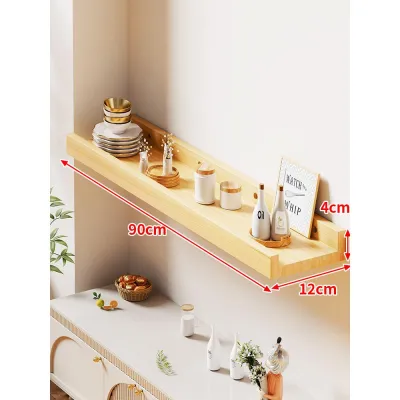
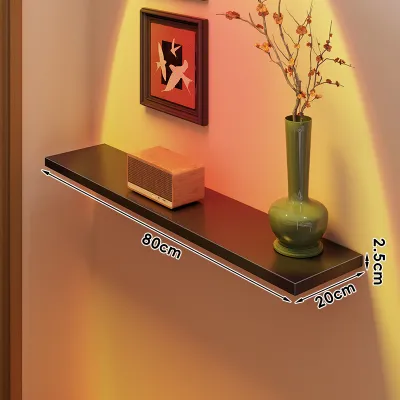
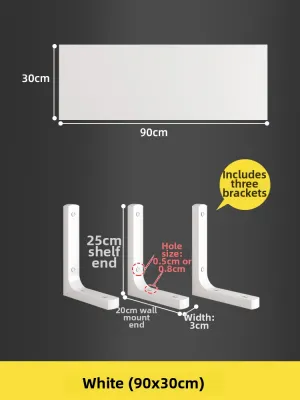
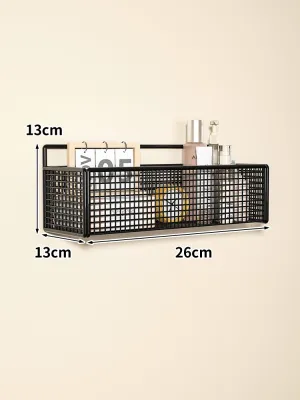
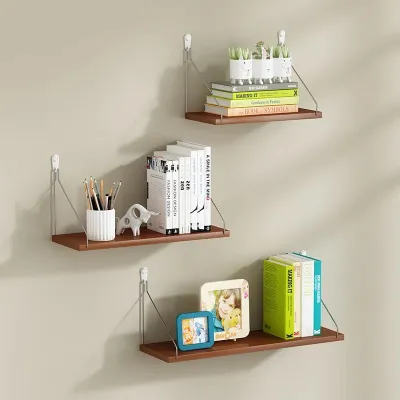
Prices are valid at publication and may change. Please refer to the product page for the latest price.
Maintaining proper clearance is vital for both comfort and physical safety. If you use a standing desk or a monitor arm, transition your setup to its maximum height to ensure the lowest shelf will not obstruct your screen or interfere with your movement. As a general rule, allow at least 50 to 60 centimeters of clearance between your desktop and the bottom of the first shelf. This gap prevents you from accidentally bumping your head when leaning forward to write or type.
Next, look closely for existing room fixtures that might limit your layout. In many homes, wall space is shared with split-type air conditioning units, window frames, door swings, and electrical outlets. Ensure your planned shelves do not block the airflow of your air conditioner, as direct exposure to cold air and potential condensation can damage wood. Additionally, keep power outlets accessible for computer chargers and desk lamps.
Once you have mapped out the physical boundaries, choose a configuration that matches your workflow. Single long shelves offer a clean, continuous line that works beautifully directly above a wide desk. Staggered arrangements provide visual interest and allow you to store taller items like magazine files on one side and shorter items on the other. Corner configurations are ideal for compact rooms, turning underutilized corner space into a functional storage nook.
Calculate Your Load: Weight Requirements for Books and Gear
Before purchasing any shelving unit, you must estimate the weight of the items you intend to store. Books are deceptively heavy, and overloading a wall shelf can lead to structural failure, damaging your equipment and your wall. Categorizing your office items beforehand provides a realistic picture of your load requirements.

A row of heavy academic textbooks, law journals, or thick binders can easily weigh 15 to 20 kilograms per meter. On the other hand, small decorative plants, stationery holders, and lightweight tech accessories like routers or smart speakers generally exert minimal weight. Group your items by weight so you can plan to place the heaviest objects on the most secure shelves.
It is critical to distinguish between the load capacity of the shelf material itself and the holding power of the wall fasteners. A thick solid wood plank might be strong enough to support 50 kilograms, but if it is mounted into thin plywood or soft drywall with weak screws, the entire unit will pull away from the wall. Always check the manufacturer specifications for the maximum load limit per shelf and per bracket before purchasing.
To maintain long-term stability, plan to distribute the weight evenly across the shelf. Place your heaviest books closest to the support brackets, where the structural reinforcement is strongest. Keep lighter decorative items and small gadgets toward the center or the outer edges of the shelf. This distribution minimizes the bending force exerted on the middle of the board.
Regularly inspect your installed shelves for early warning signs of overloading. Look for a slight downward bow in the center of the shelf, hairline cracks in the wall plaster around the brackets, or brackets that appear to be tilting forward. If you notice any of these signs, immediately remove the heavy items and verify your mounting hardware.
Selecting Shelves Wall Mounted: Match Materials and Brackets to Your Needs
Evaluating Shelf Materials
The material you choose directly impacts how your shelves perform under load and how they withstand environmental factors. In tropical climates, where seasonal humidity levels fluctuate significantly, material selection requires extra care to prevent warping and mold.
- Solid Wood: Hardwoods like mahogany, acacia, or tanguile offer exceptional strength and natural beauty. They resist bowing under heavy book loads and can last for decades if properly sealed. Ensure the wood has been treated with a high-quality polyurethane or varnish to prevent moisture absorption and warping during the humid monsoon months.
- Engineered Wood (MDF and Particleboard): These materials are highly affordable and widely available in modern designs. However, raw or poorly sealed engineered wood is highly susceptible to humidity. Moisture can cause the fibers to swell, leading to sagging and edge-banding failure. If you select MDF or particleboard, verify that all edges are completely sealed with thick PVC edge banding to lock out moisture.
- Metal: Steel or aluminum shelves are incredibly durable, thin, and impervious to humidity. They are excellent for heavy binders and industrial-style offices, though they offer a more utilitarian aesthetic.
- Glass: Tempered glass shelves provide a sleek, airy look that keeps small rooms feeling open. However, they have low weight capacities and are best reserved for light decorative items and small office supplies rather than a dense collection of books.
Verify the thickness of your chosen shelf board. For heavy books, a wood or MDF shelf should be at least 1.8 to 2.5 centimeters thick. For spans longer than 80 centimeters, intermediate bracket support is necessary to prevent the material from bowing under its own weight over time.
Selecting the Right Bracket System
The bracket system is the backbone of your wall-mounted shelving. It transfers the weight of your books and decor safely into the wall structure, ensuring long-term stability.
- Floating Brackets: These systems use internal metal rods that slip into pre-drilled holes in the back of the shelf, hiding all mounting hardware. While they provide a clean, minimalist look, they have lower weight capacities (often limited to 10 to 15 kilograms) and require precise installation.
- Visible L-Brackets: Traditional metal L-brackets offer the highest weight capacity and structural reliability. They are visible beneath the shelf but provide robust support, making them the preferred choice for heavy book collections.
- Decorative Corbels: Made of wood or detailed metal, these brackets add architectural interest and can support substantial weight, fitting well with classic or rustic design themes.
When selecting brackets, match the bracket arm length to the depth of your shelf. The bracket should extend at least two-thirds of the way under the shelf to prevent the board from tipping forward. For heavy-duty applications, choose brackets made of thick, powder-coated steel.
Align Shelf Style with Your Productivity and Aesthetics
Your home office should be a space that fosters concentration and creativity. The style of your shelves wall mounted should complement your existing workspace elements rather than create visual clutter. A cohesive design helps reduce mental distractions and makes the room feel more inviting.
Minimalist floating shelves are highly effective for modern, clean study areas. By hiding the mounting hardware, they create an open, airy feel that prevents a small room from feeling cramped. This clean look minimizes visual distractions, helping you stay focused during long working hours.
If you prefer a space with more character, industrial or rustic designs can add warmth and personality. Shelves made from rough-hewn wood paired with black iron pipe brackets create a sturdy, grounded aesthetic. This style pairs exceptionally well with dark metal desk frames and leather office chairs.
When choosing colors and finishes, coordinate with your primary desk and chair. If you have a light oak desk, matching oak shelves will create a cohesive, intentional look. Alternatively, you can match the shelves to your wall paint color to make them blend seamlessly into the background, allowing your books and decor to take center stage.
Consider functional add-ons that enhance your daily productivity. Look for shelves with built-in cable management slots to keep charging cables for tablets and phones organized. Installing low-profile LED strip lights underneath the bottom shelf provides excellent task lighting directly onto your desk surface, reducing eye strain during late-night study sessions.
Installation Readiness: Wall Types and Safety Checks
Before drilling any holes, you must identify your wall type, as this dictates the installation method and the hardware required. Different wall materials have vastly different load-bearing characteristics.
- Solid Concrete and Concrete Hollow Blocks (CHB): This is the most common wall construction in many residential properties. Concrete offers incredible strength and can support very heavy shelving loads. However, you must use a hammer drill, masonry drill bits, and plastic expansion wall plugs (tox) or heavy-duty metal sleeve anchors.
- Drywall and Gypsum Board: Often used for internal partitions, drywall is relatively weak. You must never mount heavy book shelves directly to drywall using standard screws. Instead, use a stud finder to locate the vertical wooden or metal studs behind the plasterboard and screw directly into them. For light decorative shelves where no stud is available, specialized toggle bolts or hollow-wall anchors are mandatory.
- Plywood Partitions: Common in older homes or quick renovations, plywood offers moderate strength. For light to medium loads, you can screw directly into the plywood, but for heavy books, you must locate the underlying timber framing.
Always check the manufacturer’s installation guide for both the shelves and the mounting hardware before beginning. If your home’s wall material is unidentified, or if the instructions conflict with your wall setup, stop and consult a professional builder or carpenter.
Conduct critical safety checks before drilling. Use a digital wall scanner or stud finder with live-wire detection to ensure you do not drill into hidden electrical conduits or water pipes. This is especially important on walls shared with bathrooms or kitchens. Additionally, use a high-quality spirit level to ensure your shelves are perfectly horizontal, as even a tiny tilt can cause items to slide and place uneven stress on your wall anchors.
Frequently Asked Questions (FAQ)
Can I install floating shelves on a drywall partition?
Yes, but with strict limitations. Drywall itself cannot support the weight of heavy books or equipment. To safely install shelves on drywall, you must secure the mounting brackets directly into the internal wooden or metal studs. If a stud is not positioned where you want your shelf, you must use heavy-duty toggle bolts, which expand behind the drywall to distribute the weight. Keep the load light and avoid storing heavy binders on drywall-mounted shelves.
How deep should home office wall shelves be?
For a standard home office, a shelf depth of 20 to 30 centimeters is ideal. A 20-centimeter depth easily accommodates standard novels, paperbacks, and small electronic devices. If you need to store large three-ring binders, textbooks, or magazine organizers, opt for a depth of 30 centimeters. Avoid going deeper than 30 centimeters for shelves placed directly above your desk, as deep shelves can block overhead light, cast shadows on your workspace, and increase the risk of head-bumping.
Do floating shelves sag over time?
Floating shelves can sag over time if they are overloaded, if the shelf material is too thin, or if the internal bracket rods are spaced too far apart. Engineered woods like low-density particleboard are particularly prone to sagging under humid conditions. To prevent sagging, choose high-quality solid wood or thick, moisture-sealed MDF. Ensure the shelf span does not exceed 80 centimeters without adequate bracket support, and strictly adhere to the manufacturer’s weight limits, keeping heavy items close to the wall.

Community discussion
Share your experience or ask a question. Comments are reviewed before publication.