
Selecting the right wooden wall shelves for a home study in the Philippines requires balancing storage capacity, spatial constraints, and the challenges of a tropical climate. Wall-mounted shelving maximizes limited floor space, turning empty vertical areas into organized hubs for books, reference materials, and study essentials. However, finding the ideal setup involves more than choosing an attractive wood grain; it requires a systematic evaluation of your wall structure, weight requirements, and the protective finishes needed to withstand local humidity.
An organized study environment directly influences focus and productivity, reducing the mental clutter that often accompanies a messy workspace. Wood is a highly favored material for study shelving because it introduces warmth, natural texture, and a sense of permanence to the room. By choosing the right shelving system, you can transform a chaotic desk into a streamlined workstation where every book, document, and tool has a dedicated home.
To build an efficient and durable study environment, you must assess your specific storage needs and match them with the correct shelf configuration. Heavy academic textbooks demand robust, bracket-supported systems, while lighter stationery and decorative items can rely on minimalist floating designs. By focusing on material specifications, hardware quality, and proper installation techniques, you can create a secure, organized, and visually appealing workspace that enhances your daily productivity.
Products mentioned in this guide

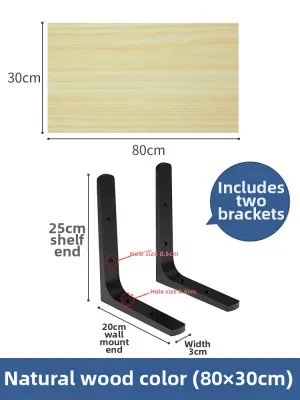
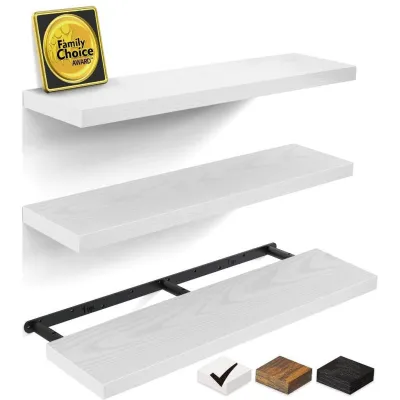
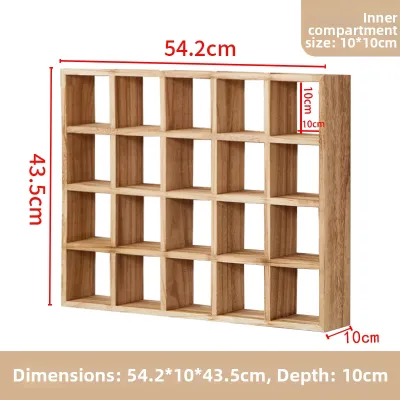
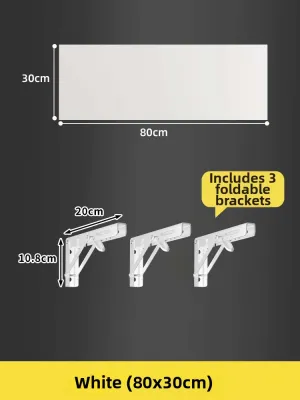
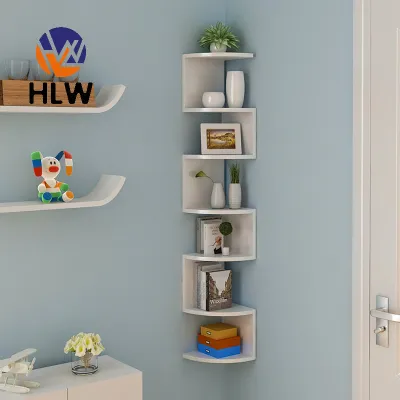
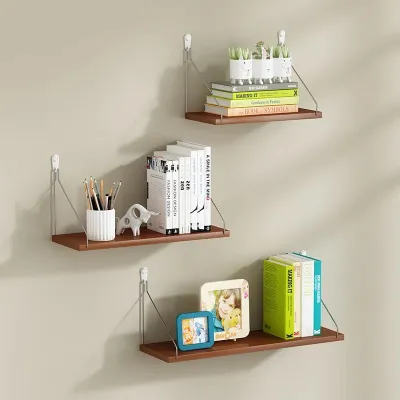
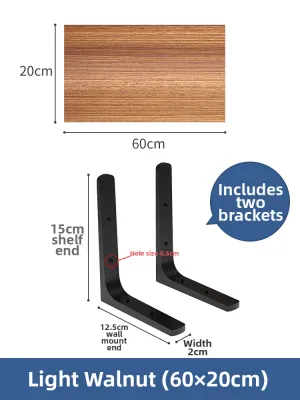
Prices are valid at publication and may change. Please refer to the product page for the latest price.
Assessing Your Study Space and Storage Needs
Before purchasing any wall-mounted shelving, a precise assessment of your physical space is essential to avoid installation errors and layout conflicts. Begin by measuring the exact width, height, and depth of the wall area where you plan to mount the shelves. It is crucial to account for existing room features such as window frames, door swings, light switches, and electrical outlets, ensuring the shelves do not block access or cast unwanted shadows over your desk.
When planning the vertical placement of your shelves, consider the clearance needed above your desk surface. If you mount a shelf too low, you risk bumping your head when leaning forward or standing up from your chair. A good rule of thumb is to leave at least 50 to 60 centimeters of clear space between the desktop and the underside of the lowest shelf, allowing ample room for a computer monitor, desk lamp, and comfortable movement.
Next, evaluate the specific items you intend to store, as this directly dictates the structural strength your shelves must possess. Heavy items like thick reference manuals, law books, or binders require thick shelves with closely spaced supports to prevent sagging. Conversely, lightweight items such as notebooks, pen holders, and small desk plants allow for more flexible, minimalist shelving options with wider spans.
To determine the total shelf length you need, measure the thickness of your current book collection and add a buffer for future acquisitions. Stacking books horizontally can save vertical space, but vertical alignment is generally more accessible for daily study. Knowing the total linear centimeters of books you need to store prevents you from underestimating your shelving requirements and overloading a single unit.
Typical Filipino home layouts often feature compact study areas carved out of bedrooms or multi-purpose living spaces, making vertical space highly valuable. In these tight quarters, choosing between floating shelves and bracket-supported units depends heavily on your wall type and aesthetic preferences. Concrete or solid masonry walls, common in local residential construction, offer excellent support for heavy-duty shelving, whereas partition walls made of gypsum board or thin plywood require careful planning and lighter loads.
Key Selection Criteria for Wooden Wall Shelves
When evaluating wooden wall shelves, understanding the characteristics of different wood types and their surface treatments is vital for long-term durability. Solid hardwoods like acacia or mahogany offer natural beauty and structural rigidity, but they must be properly seasoned and sealed to prevent warping in humid tropical environments. Engineered woods, such as high-density fiberboard or marine plywood, provide excellent dimensional stability and are less prone to expansion, provided they feature high-quality edge banding and moisture-resistant laminates.

In regions with high relative humidity, untreated wood can quickly absorb moisture from the air, leading to mold growth, warping, or structural softening. When selecting shelves, check the manufacturer’s specifications to ensure the wood has been treated with a protective sealant, such as polyurethane, lacquer, or water-resistant oil. These finishes create a barrier that slows down moisture exchange, keeping your shelves stable and easy to clean throughout the changing seasons.
The physical dimensions of the shelf boards must align with standard study supplies to ensure practical utility. A standard book shelf requires a depth of at least 20 to 25 centimeters, while larger binders or textbooks may need up to 30 centimeters of depth to sit securely without overhanging. Additionally, the thickness of the wooden board—ideally between 1.8 and 2.5 centimeters—plays a critical role in preventing the wood from bowing under the weight of your collection over time.
The span, or the distance between the shelf supports, also affects how much weight the wood can carry without bending. A thin wooden board will sag if the supports are placed too far apart, even if the wood itself is high quality. For standard book storage, try to keep the distance between brackets or wall anchors under 80 centimeters to maintain a flat, level surface that protects your books from sliding together.
The quality of the mounting hardware and brackets is just as important as the wooden boards themselves. Look for brackets made of heavy-gauge, powder-coated steel or iron, which resist rust in humid conditions and provide rigid support. For floating shelves, inspect the internal mounting bracket; it should feature thick, solid steel rods welded securely to a backplate, ensuring the shelf remains perfectly perpendicular to the wall once loaded.
Matching Shelf Configurations to Organization Goals
Matching your shelf configuration to your specific organizational workflow helps maintain a clutter-free and highly functional home study. Floating wooden shelves are excellent for minimalist workspaces where visual lightness is preferred. These shelves are best utilized for displaying active reference materials, frequently used notebooks, or small desk organizers, keeping your desktop clear while maintaining a clean, modern aesthetic.
Because floating shelves hide their mounting hardware inside the wooden board, they create a clean, seamless look that makes small study rooms feel larger. However, because they lack external diagonal support, they are best reserved for lighter items. Using them to display motivational art, a small clock, or a few curated reference books keeps your workspace inspiring without overloading the internal wall anchors.
For heavy-duty storage needs, bracket-supported wooden shelves are the most reliable choice. The visible brackets transfer the downward force of heavy books directly to the wall, allowing you to stack dense textbooks and files without fear of structural failure. Placing these robust shelves above or adjacent to your desk ensures that your primary reference library remains within arm’s reach while maintaining absolute structural safety.
The choice of bracket design can also contribute to your study’s overall style. Industrial metal brackets offer a modern, utilitarian look, while decorative wooden corbels provide a classic, warm feel. Regardless of the style, ensure the brackets extend at least two-thirds of the shelf’s depth to provide adequate leverage and prevent the wooden board from tipping forward under a heavy load.
Implementing a tiered or modular shelf arrangement allows you to categorize your study materials based on frequency of use. Lower shelves, positioned at eye level or within easy reach from your chair, should hold active project files, daily planners, and essential stationery. Higher shelves can be reserved for archived documents, seasonal reference books, or decorative elements, creating a clear visual hierarchy that streamlines your daily study routine.
Installation, Safety, and Weight Capacity Checks
Ensuring a safe and secure installation requires a strict verification of weight limits and wall compatibility before drilling any holes. Always check the manufacturer’s specified weight capacity for both the wooden shelf and the mounting hardware. Keep in mind that the overall load capacity is determined by the weakest link in the system, which is often the connection between the wall anchor and the wall itself rather than the wooden board.
The physics of a wall shelf mean that deeper shelves exert more pulling force on the top wall screws than shallow shelves. When you place heavy books near the front edge of a deep shelf, it acts as a lever, multiplying the stress on the wall anchors. To mitigate this risk, always place your heaviest books closest to the wall and lighter items toward the front edge of the shelf.
Identifying your wall structure is the most critical step in the installation process. Solid concrete walls require masonry drill bits and high-quality plastic or metal expansion anchors to grip the concrete securely. If you are mounting shelves on hollow block walls or drywall partition systems, you must use specialized toggle bolts or hollow-wall anchors, or locate the internal wooden or metal studs for direct fastening. If you are unsure of your wall’s composition or structural integrity, stop the installation immediately and consult a qualified professional.
Before you begin drilling, gather all the necessary tools, including a power drill, the correct drill bits for your wall type, a hammer, a screwdriver, a pencil, and a stud finder if working on drywall. Having these tools ready ensures a smoother installation process and reduces the risk of making mistakes that could damage your walls or the shelving hardware.
Proper leveling is essential to prevent items from sliding off and to ensure even weight distribution across all mounting points. Use a high-quality spirit level to mark your drill points accurately, and double-check the alignment before tightening the screws. Over time, unevenly mounted shelves can cause brackets to bend, screws to loosen, or the wooden boards to warp, posing a significant safety hazard in your study space.
Building Your Shortlist: Sourcing and Verification
Creating a shortlist of potential wooden wall shelves involves careful research across local furniture showrooms and online marketplaces. When browsing online, pay close attention to the detailed product specifications rather than relying solely on stylized promotional images. Verify the exact dimensions, wood species, finish type, and whether the necessary mounting hardware and wall anchors are included in the package.
Online customer reviews can provide valuable insights into the real-world quality of the shelves. Look for reviews that mention how well the wood handles local humidity, whether the boards arrived warped, and if the included mounting hardware was sturdy enough for installation. Pay attention to photos uploaded by other buyers to get a more accurate sense of the wood’s true color and texture under natural lighting.
Visiting local showrooms allows you to physically inspect the quality of the wood, the sturdiness of the joints, and the feel of the protective finish. This hands-on inspection is particularly helpful for verifying that the wood has been treated with a smooth, moisture-resistant sealant suitable for tropical climates. Additionally, you can speak with showroom staff to clarify assembly requirements and confirm if they offer professional installation services.
If standard retail options do not fit your study’s unique dimensions, consider reaching out to local carpenters or custom furniture makers. Custom-built wooden shelves allow you to select the exact wood species, finish, and dimensions that match your space perfectly. While this option may require a longer lead time, it ensures a perfect fit and supports local craftsmanship.
Before finalizing your purchase, carefully review the retailer’s return policies, warranty terms, and delivery conditions. Ensure that the store provides a clear return window in case the wooden components arrive with defects, cracks, or warping. Compare total costs in ₱, including shipping fees for heavy solid wood items, to ensure the selected shelves fit comfortably within your home improvement budget.
Frequently Asked Questions (FAQ)
How do I clean and maintain wooden wall shelves without damaging the finish?
To keep your wooden wall shelves in optimal condition, dust them regularly using a soft, dry microfiber cloth to remove surface dust and prevent fine scratches. Always check the manufacturer’s care label or instructions before applying any commercial wood polishes, oils, or cleaning solutions. Avoid using harsh chemical cleaners, abrasive scrubbing pads, or excessive water, as moisture can penetrate the wood grain, causing the protective finish to degrade and the wood to swell or warp.
Can I install wooden wall shelves on drywall or gypsum board?
Yes, you can install wooden wall shelves on drywall or gypsum board, but you must follow strict safety guidelines regarding weight distribution. For storing heavy books or study equipment, you must locate the internal wall studs using a stud finder and secure the mounting brackets directly into them. If you are only displaying lightweight items, you may use high-quality drywall anchors or toggle bolts, ensuring you never exceed the anchor’s rated weight capacity. If the studs do not align with your desired shelf layout, or if you need to store heavy materials, it is best to consult a professional installer or opt for a freestanding shelving unit.

Community discussion
Share your experience or ask a question. Comments are reviewed before publication.